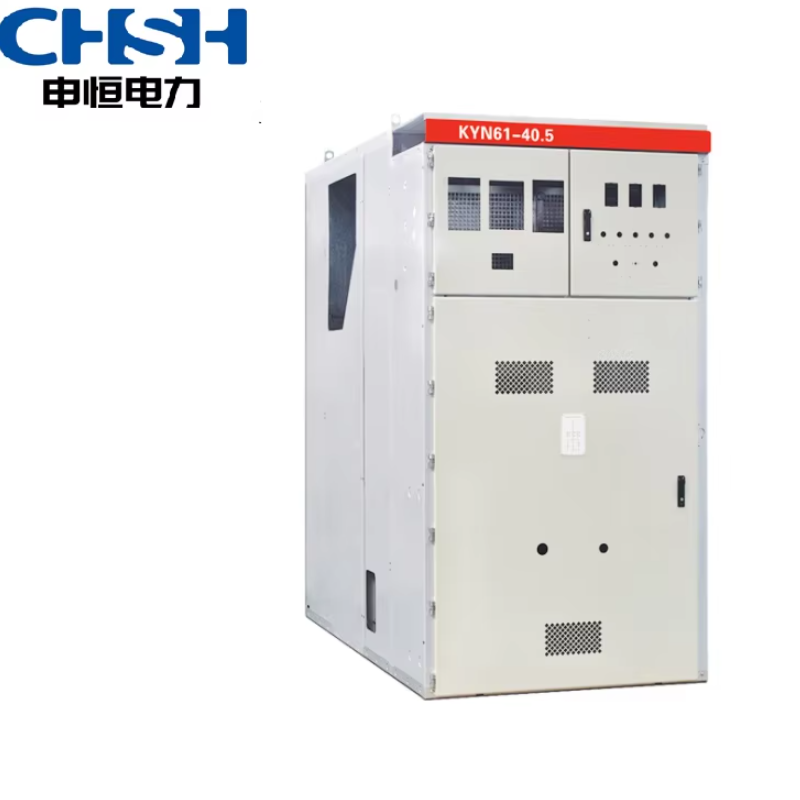
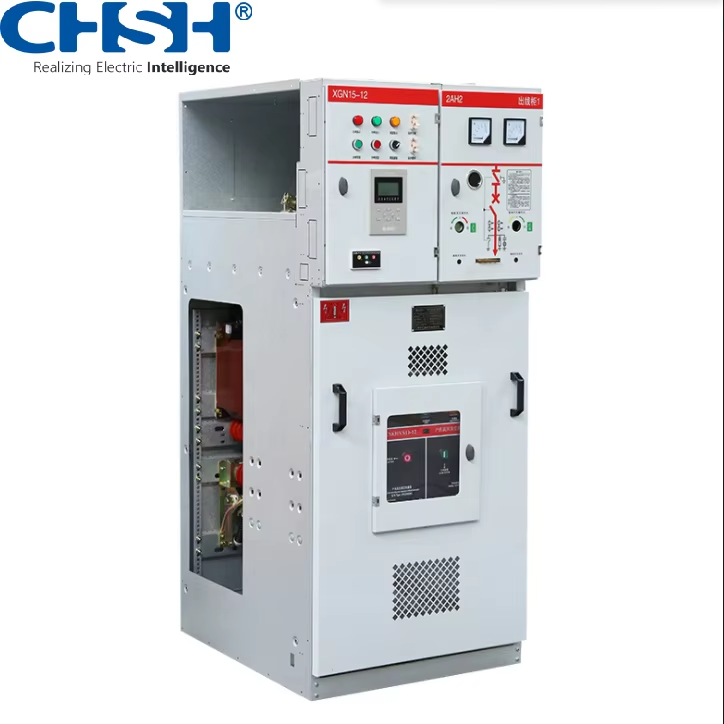
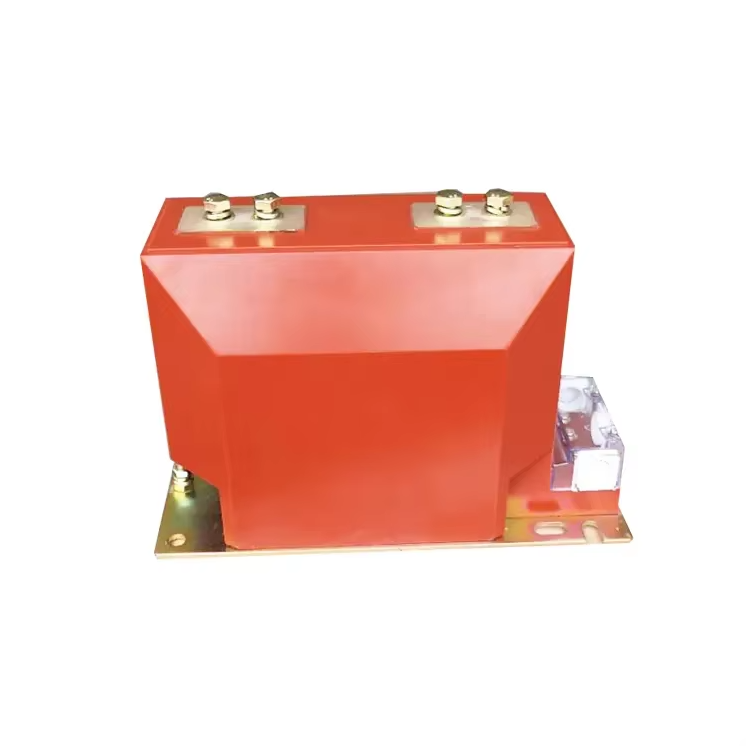
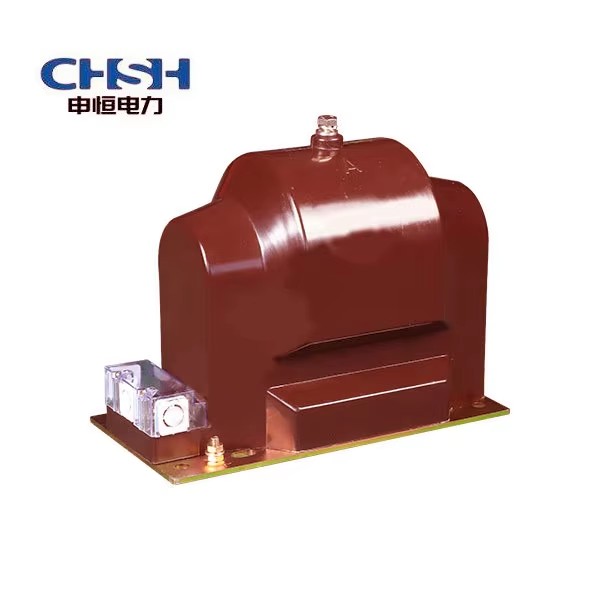
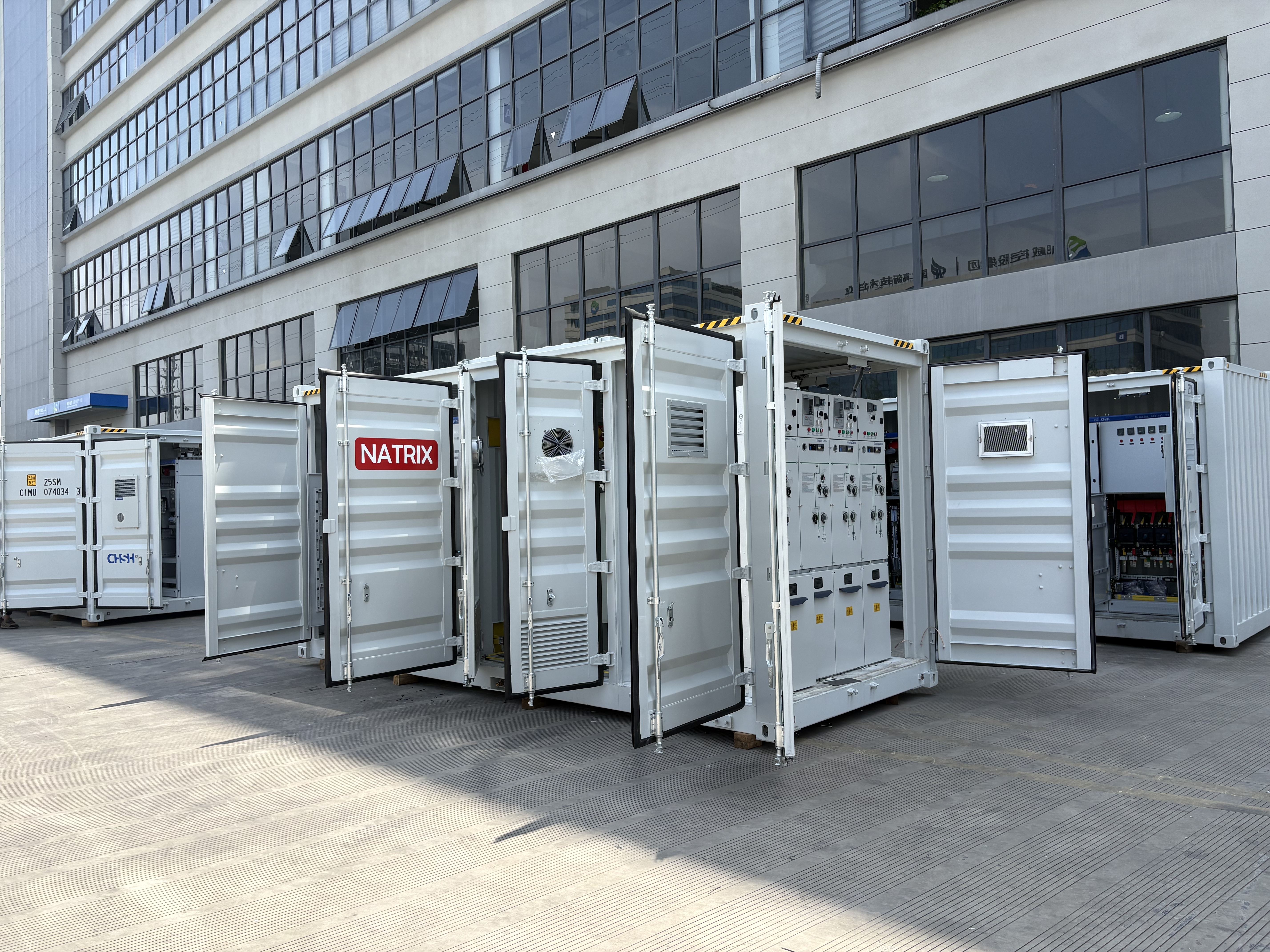
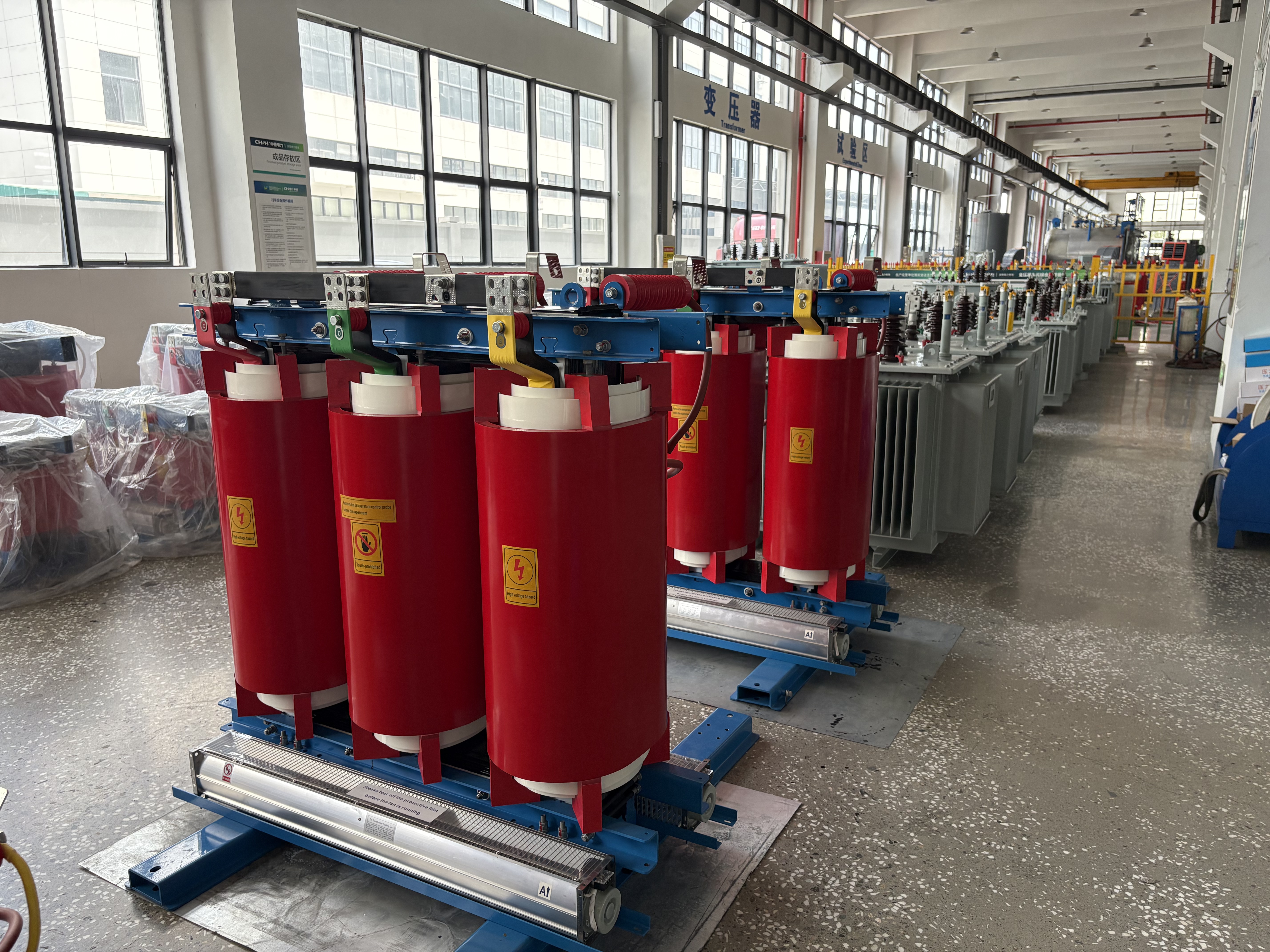
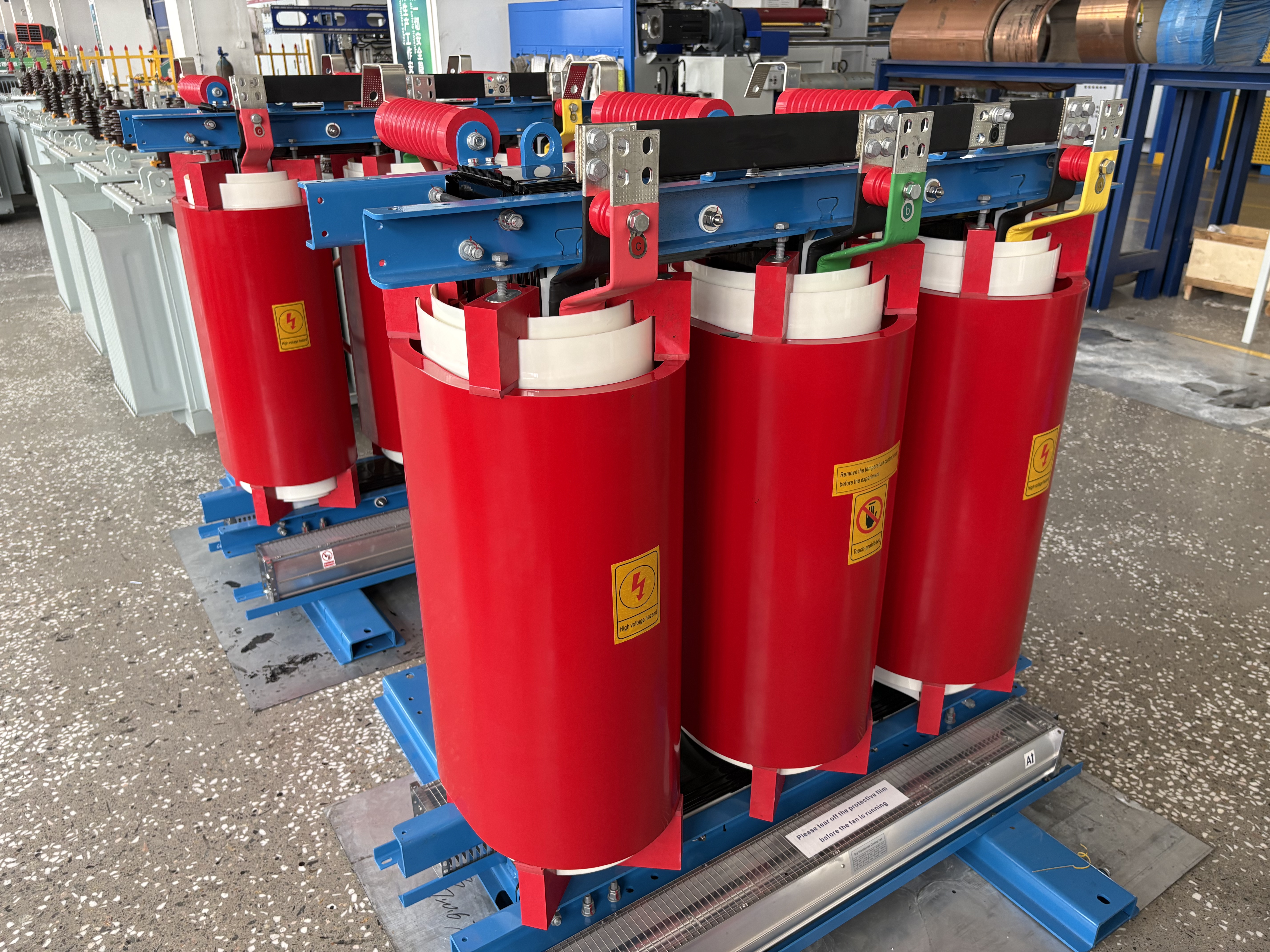
current potential transformer
A current potential transformer is a precision electrical device designed to measure and transform high voltage and current signals into manageable levels suitable for metering, protection, and monitoring applications. This specialized equipment plays a critical role in modern power systems by converting dangerous high-voltage currents into safe, standardized outputs that instruments can safely process.
The current potential transformer integrates two essential functions: current transformation and potential measurement. The current potential transformer accurately steps down voltage and current values from primary circuits operating at thousands of volts to secondary circuits operating at standardized levels like 120 volts. This transformation enables safe interaction between high-power equipment and sensitive measurement instruments.
Key technological features of a current potential transformer include precision wound coils, advanced insulation materials, and sophisticated magnetic cores designed to minimize distortion and ensure accuracy across varying load conditions. Modern current potential transformer models incorporate temperature compensation and burden optimization to maintain performance stability throughout their operational lifespan.
Applications for the current potential transformer span across utility companies, industrial facilities, renewable energy installations, and commercial power distribution networks. Utilities deploy current potential transformer units in substations for real-time power monitoring and billing accuracy. Industrial plants utilize current potential transformer technology for equipment protection and energy management systems. The current potential transformer remains indispensable for maintaining grid reliability and ensuring accurate electrical measurements in contemporary power infrastructure.

 EN
EN