
 EN
EN
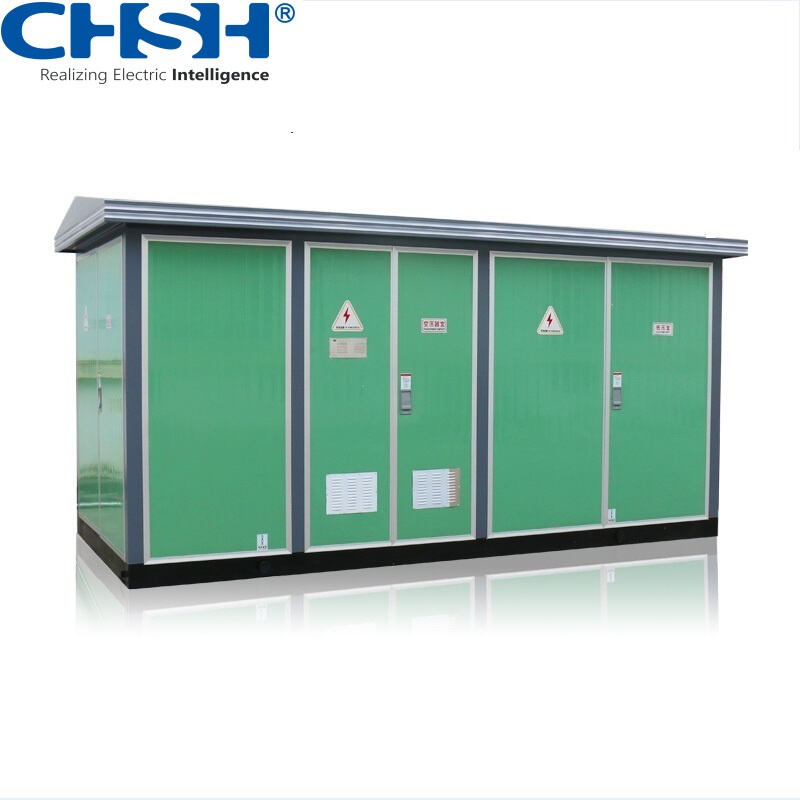
Transformer box placement in utility installations represents a critical infrastructure decision that directly impacts system reliability, safety, and operational efficiency. The placement of these essential components must adhere to comprehensive installation standards that govern everything from minimum clearance distances to environmental considerations. Understanding these regulatory frameworks becomes essential for utility engineers, project managers, and electrical contractors who need to ensure compliant installations while maintaining optimal system performance.
Installation standards for transformer box placement emerge from multiple regulatory bodies including the National Electrical Code, IEEE standards, and local utility commission requirements. These standards create a comprehensive framework that addresses safety clearances, accessibility requirements, environmental protection, and system integration considerations. Each standard contributes specific requirements that collectively ensure transformer box installations meet stringent safety and performance criteria across diverse utility applications.
Federal and National Installation Standards
National Electrical Code Requirements
The National Electrical Code establishes foundational requirements for transformer box placement that apply across all utility installations. Article 450 specifically addresses transformer installation standards, requiring minimum clearance distances of twelve inches from combustible materials and six feet of working space in front of transformer boxes rated above 1000 volts. These clearances ensure adequate ventilation and provide safe access for maintenance personnel during routine inspections and emergency procedures.
NEC standards also mandate specific grounding requirements for transformer box installations, requiring equipment grounding conductors and grounding electrode connections that meet resistance specifications. The code requires transformer boxes to be readily accessible to qualified personnel while remaining secured against unauthorized access. These dual requirements often influence placement decisions, as installations must balance operational accessibility with security considerations in utility environments.
Fire protection standards within the NEC require transformer box installations to include appropriate fire suppression systems or fire-resistant barriers when placed near critical infrastructure. The code specifies minimum separation distances from buildings, storage areas, and other electrical equipment to prevent fire spread and minimize risk to surrounding facilities. These fire protection requirements significantly influence placement decisions in congested utility substations and industrial installations.
IEEE Installation Guidelines
IEEE C57.12.28 provides comprehensive guidelines for transformer box placement in utility applications, addressing both pad-mounted and vault installations. The standard requires minimum approach distances based on voltage levels, with high-voltage installations requiring greater clearances to ensure personnel safety during operation and maintenance activities. These IEEE guidelines complement NEC requirements by providing specific technical criteria for utility-scale installations.
The IEEE standard addresses environmental considerations for transformer box placement, requiring installations to account for flood zones, seismic activity, and extreme weather conditions. Transformer boxes in flood-prone areas must be elevated above base flood elevation levels, while seismic zones require additional anchoring and structural reinforcement. These environmental requirements often dictate placement locations and influence foundation design specifications.
IEEE guidelines also establish electromagnetic compatibility requirements for transformer box placement, requiring minimum separation distances from sensitive electronic equipment and communication systems. These EMC requirements prevent interference with control systems, protective relaying, and communication networks that support utility operations. Proper placement according to IEEE standards ensures transformer box installations maintain system reliability without compromising other critical infrastructure components.
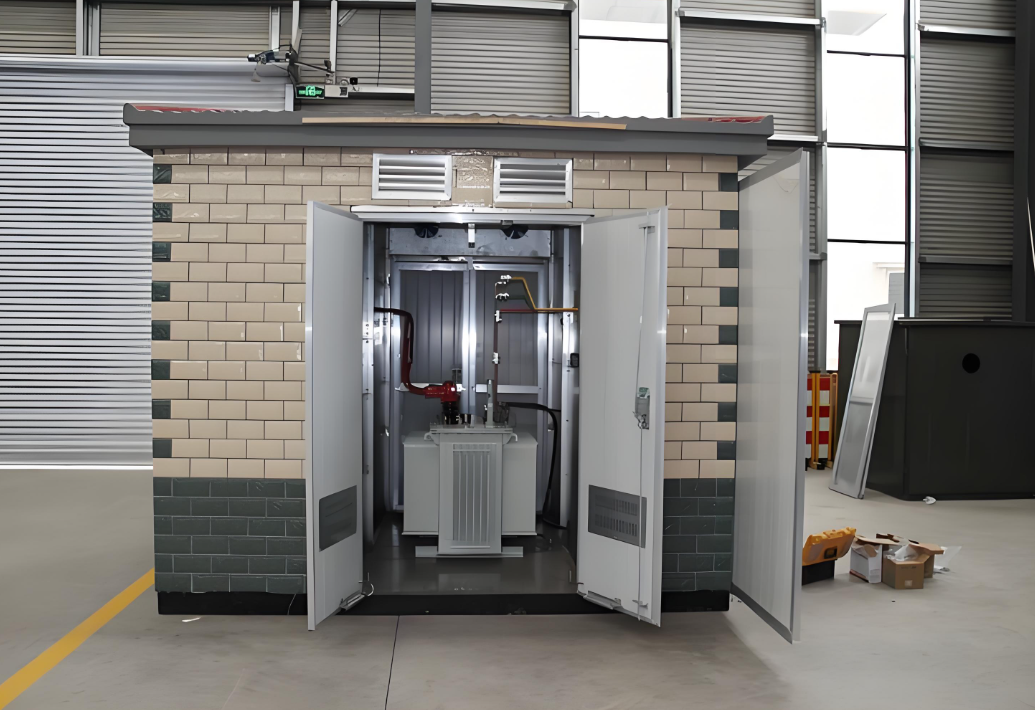
State and Local Regulatory Requirements
Public Utility Commission Standards
State public utility commissions establish additional requirements for transformer box placement that supplement federal standards with region-specific considerations. These commissions typically require utility companies to submit placement plans for review, ensuring installations comply with local zoning ordinances and environmental protection requirements. The review process often includes public notification periods and opportunities for community input on proposed transformer box locations.
PUC standards frequently address aesthetic considerations for transformer box placement in residential and commercial areas, requiring landscape screening or architectural treatments that minimize visual impact. These aesthetic requirements influence placement decisions by requiring adequate space for screening installations while maintaining required clearances for safety and maintenance access. Utilities must balance these competing requirements when selecting optimal transformer box locations.
Many state commissions require environmental impact assessments for transformer box installations in sensitive areas, including wetlands, historical districts, and wildlife habitats. These assessments evaluate potential impacts on local ecosystems and cultural resources, often resulting in placement restrictions or mitigation requirements. The environmental review process can significantly influence transformer box placement decisions and project timelines.
Municipal Zoning and Building Codes
Local building codes impose additional requirements for transformer box placement that address community-specific concerns and land use policies. These codes typically establish setback requirements from property lines, buildings, and public spaces that may exceed federal and state minimums. Municipal codes often require special permits or variances for transformer box installations in certain zoning districts, adding complexity to the placement approval process.
Building codes frequently address noise considerations for transformer box placement, establishing maximum decibel limits at property boundaries and requiring sound mitigation measures for installations near residential areas. These noise requirements influence transformer box selection and placement decisions, as utilities must consider both equipment specifications and site characteristics to achieve compliance. Sound walls or other mitigation measures may be required to meet local noise ordinances.
Local codes also address accessibility requirements under the Americans with Disabilities Act, requiring transformer box installations to maintain clear pedestrian pathways and avoid creating barriers to public access. These accessibility requirements influence placement decisions in urban areas where sidewalk and pathway clearances must be maintained. Utilities must coordinate with municipal authorities to ensure transformer box installations comply with accessibility standards while meeting operational requirements.
Safety and Clearance Specifications
Minimum Clearance Requirements
Safety clearance requirements for transformer box placement vary based on voltage levels and installation types, with higher voltages requiring greater clearances to prevent electrical hazards. Standard clearance requirements include minimum distances from buildings, property lines, and other electrical equipment that ensure safe operation and maintenance access. These clearances must be maintained throughout the transformer box service life, requiring consideration of future development and vegetation growth.
Vertical clearance requirements address overhead power lines, communication cables, and other aerial installations that may interact with transformer box operations. Standard clearances range from eight feet for low-voltage applications to fifteen feet or more for high-voltage installations. These vertical clearances ensure safe access for maintenance equipment and prevent accidental contact with energized conductors during routine operations.
Working space requirements around transformer box installations ensure maintenance personnel can safely access equipment for routine inspections, testing, and repairs. Standard working spaces include minimum widths, depths, and heights that accommodate necessary tools and safety equipment. These working space requirements often influence transformer box orientation and placement to maximize available access while maintaining required clearances from other infrastructure.
Environmental Protection Standards
Environmental protection standards for transformer box placement address oil containment, groundwater protection, and soil contamination prevention. Secondary containment systems must be sized to contain transformer oil volumes plus precipitation, with containment structures designed to prevent environmental releases during normal operations and emergency conditions. These containment requirements influence foundation design and site preparation specifications.
Groundwater protection standards require transformer box installations to include monitoring systems and protective barriers in areas with shallow water tables or sensitive aquifers. These protection measures may include impermeable liners, groundwater monitoring wells, and leak detection systems that provide early warning of potential environmental impacts. The complexity of these protection systems often influences placement decisions and installation costs.
Storm water management requirements address surface runoff from transformer box installations, requiring drainage systems and erosion control measures that prevent contamination of local water bodies. These storm water requirements include oil-water separators and filtration systems for areas where transformer box installations may contribute to surface runoff. Proper drainage design becomes essential for maintaining environmental compliance throughout the installation service life.
Installation Accessibility and Maintenance Standards
Service Access Requirements
Service access requirements for transformer box installations ensure maintenance personnel can safely reach equipment using standard utility vehicles and specialized maintenance equipment. Access roads and pathways must accommodate the largest vehicles required for transformer box servicing, including crane trucks for equipment replacement and oil processing equipment for routine maintenance. These access requirements often influence site selection and layout design for new installations.
Emergency access standards require transformer box installations to remain accessible to first responders and utility emergency crews during all weather conditions and emergency situations. Emergency access requirements include maintaining clear pathways, adequate lighting, and visible identification markers that enable rapid location and assessment during system outages or equipment failures. These emergency access considerations become critical for installations in remote or challenging terrain.
Maintenance access standards address the tools and equipment required for routine transformer box servicing, including oil sampling equipment, testing instruments, and replacement components. Installation placement must accommodate these maintenance requirements while maintaining safety clearances and operational access. The frequency of required maintenance activities influences access design and may require additional infrastructure for equipment storage and personnel facilities.
Safety Equipment and Systems Integration
Safety equipment requirements for transformer box installations include fire suppression systems, gas detection equipment, and emergency communication systems that integrate with utility control centers. These safety systems require dedicated space and utility connections that influence transformer box placement and site design. Integration with existing safety infrastructure becomes essential for maintaining consistent emergency response capabilities across utility networks.
Protective relaying and control systems associated with transformer box installations require dedicated communication pathways and control power supplies that influence placement decisions. These systems must maintain reliable communication with utility dispatch centers and integrate with existing supervisory control and data acquisition networks. The communication requirements often dictate placement near existing fiber optic or communication infrastructure.
Security systems for transformer box installations include perimeter fencing, intrusion detection, and surveillance equipment that protect critical utility infrastructure from unauthorized access and potential sabotage. These security requirements influence placement decisions by requiring clear sight lines for surveillance equipment and adequate space for security barriers. Integration with existing utility security systems ensures consistent protection across the entire electrical network.
FAQ
What are the minimum clearance requirements for transformer box placement near buildings?
Minimum clearance requirements for transformer box placement near buildings typically range from three to twenty-five feet depending on voltage levels and local code requirements. Low-voltage transformer boxes generally require three to five feet clearance, while high-voltage installations may require twenty-five feet or more. These clearances ensure fire safety, provide maintenance access, and prevent electrical hazards to building occupants.
How do environmental regulations affect transformer box placement decisions?
Environmental regulations significantly influence transformer box placement through requirements for oil containment, groundwater protection, and wildlife habitat preservation. Installations in sensitive areas may require environmental impact assessments, specialized containment systems, and ongoing monitoring programs. These environmental considerations often dictate placement locations and can substantially increase installation complexity and costs.
What accessibility requirements must be considered for transformer box installations?
Accessibility requirements for transformer box installations include maintaining service vehicle access, emergency response pathways, and compliance with disability access standards. Installations must accommodate the largest maintenance vehicles required for equipment servicing while ensuring clear pedestrian pathways remain available. These accessibility requirements often influence site selection and may require additional infrastructure for proper compliance.
How do local zoning laws impact transformer box placement standards?
Local zoning laws impact transformer box placement through setback requirements, aesthetic standards, and special use permit requirements that may exceed federal and state minimums. Municipal codes often require landscape screening, noise mitigation, and community notification processes for new installations. These local requirements can significantly influence placement decisions and require coordination with multiple regulatory authorities for successful project completion.
Table of Contents
- Federal and National Installation Standards
- State and Local Regulatory Requirements
- Safety and Clearance Specifications
- Installation Accessibility and Maintenance Standards
-
FAQ
- What are the minimum clearance requirements for transformer box placement near buildings?
- How do environmental regulations affect transformer box placement decisions?
- What accessibility requirements must be considered for transformer box installations?
- How do local zoning laws impact transformer box placement standards?