
 EN
EN
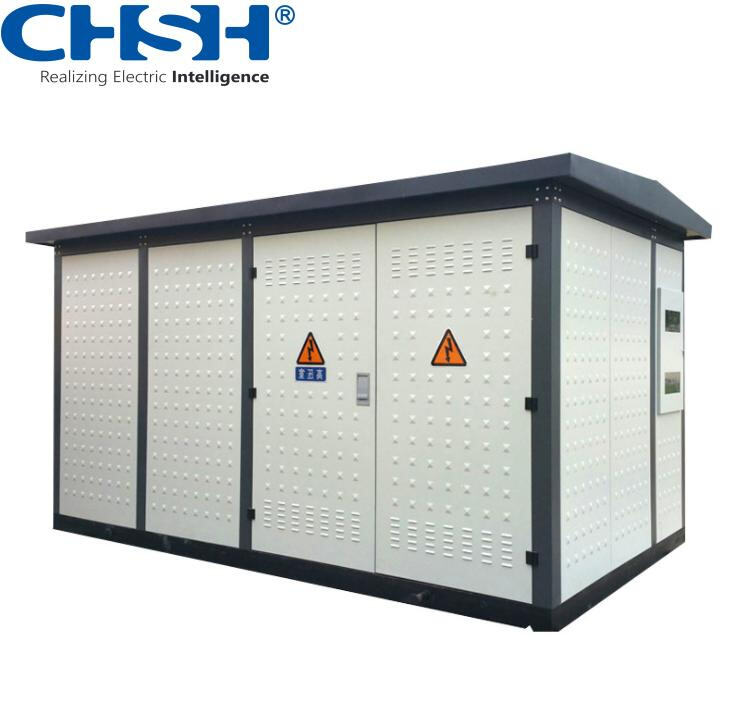
A transformer box serves as the foundational infrastructure that enables scalable and flexible power distribution across growing electrical systems. When organizations need to expand their power capacity, the transformer box provides the critical interface between high-voltage transmission lines and lower-voltage distribution networks, allowing for systematic and modular growth without requiring complete system overhauls.
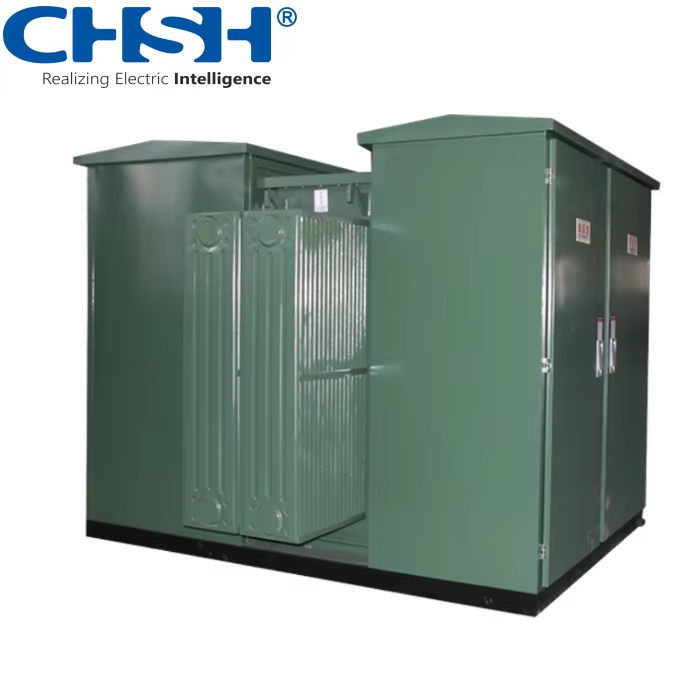
The modular expansion capability of a transformer box stems from its standardized design architecture and built-in flexibility for accommodating additional power demands. This infrastructure approach allows facility managers and electrical engineers to implement phased expansion strategies that align with business growth patterns while maintaining system reliability and operational efficiency throughout the scaling process.
Core Infrastructure Framework for Modular Expansion
Standardized Connection Points and Interface Design
The transformer box establishes standardized connection points that facilitate seamless integration of additional power modules as demand increases. These connection interfaces follow industry specifications that ensure compatibility with various expansion components, including additional transformers, switchgear assemblies, and distribution panels. The standardized design eliminates the need for custom engineering solutions during each expansion phase, significantly reducing both implementation time and associated costs.
Each transformer box incorporates multiple connection terminals and bus bar systems designed to accommodate future power routing requirements. This forward-thinking infrastructure approach means that expansion connections can be pre-planned and integrated without disrupting existing power flows. The modular connection system supports both parallel and series expansion configurations, providing flexibility in how additional capacity gets deployed across the facility.
Load Distribution Architecture
The internal architecture of a transformer box supports modular expansion through sophisticated load distribution mechanisms that can dynamically manage power flows across multiple circuits and zones. This distribution capability becomes critical when adding new power modules, as it ensures that existing loads remain stable while new capacity comes online. The load distribution system includes automatic switching capabilities that can redirect power flows based on demand patterns and system optimization requirements.
Advanced transformer box designs incorporate intelligent load monitoring systems that provide real-time data about capacity utilization across different zones. This monitoring capability enables facility managers to identify optimal timing for expansion phases and determine the most effective placement of additional power modules. The data-driven approach to expansion planning helps organizations avoid over-provisioning while ensuring adequate capacity reserves for future growth.
Expansion Methodology and Implementation Process
Phased Capacity Scaling Approach
A transformer box supports modular expansion through a phased capacity scaling methodology that allows organizations to add power incrementally based on actual demand patterns rather than theoretical maximum requirements. This approach begins with core capacity planning that identifies current load requirements and establishes expansion pathways for future growth. The phased methodology reduces initial capital investment while maintaining the flexibility to scale capacity as business needs evolve.
The implementation process involves establishing expansion zones within the transformer box infrastructure that can accommodate additional modules without affecting existing operations. Each expansion zone includes pre-installed connection points, protective systems, and monitoring capabilities that streamline the integration of new power modules. This zone-based approach enables parallel expansion activities where multiple modules can be added simultaneously without creating system conflicts or operational disruptions.
Integration Protocol and System Synchronization
The transformer box facilitates modular expansion through standardized integration protocols that ensure new power modules synchronize properly with existing system operations. These protocols include voltage matching procedures, phase alignment verification, and load balancing calibration that must occur before new modules become active. The synchronization process protects existing equipment from potential damage while ensuring that expanded capacity integrates seamlessly into the overall power distribution network.
System synchronization extends beyond basic electrical parameters to include communication integration between old and new components. Modern transformer box installations incorporate digital communication networks that allow expansion modules to share operational data with existing system controllers. This communication integration enables coordinated operation across all power modules, optimizing efficiency and reliability as the system scales to meet growing demand requirements.
Technical Advantages for Scalable Power Distribution
Voltage Regulation and Power Quality Management
The transformer box maintains consistent voltage regulation across expanded power systems through sophisticated voltage control mechanisms that adapt to varying load conditions. As new modules come online, the voltage regulation system automatically adjusts to maintain optimal power quality across all distribution zones. This automatic regulation capability prevents voltage fluctuations that could affect sensitive equipment or reduce operational efficiency in expanded facilities.
Power quality management becomes increasingly complex as systems expand, but the transformer box addresses these challenges through integrated filtering and conditioning systems. These systems remove harmonic distortions and voltage irregularities that can occur when multiple power modules operate simultaneously. The power quality management capabilities ensure that expansion activities do not compromise the electrical environment for existing equipment or newly added loads.
Protection System Coordination
Modular expansion requires sophisticated protection system coordination to ensure that fault conditions in new modules do not affect existing power distribution zones. The transformer box incorporates selective protection schemes that can isolate problematic modules while maintaining power flow to unaffected areas. This protection coordination becomes critical in expanded systems where multiple power sources and distribution paths must operate reliably under various fault conditions.
The protection system includes both overcurrent and undervoltage protection mechanisms that adapt automatically as new modules join the system. These adaptive protection capabilities ensure that the overall system maintains appropriate safety margins while maximizing power availability across all expansion zones. The coordination system also includes communication links that enable rapid fault identification and isolation, minimizing downtime during maintenance or emergency situations.
Operational Benefits and System Optimization
Maintenance Accessibility and Service Continuity
The modular design of transformer box systems enables maintenance activities on individual modules without affecting the operation of other system components. This maintenance accessibility becomes particularly valuable in expanded systems where service interruptions could affect multiple facility zones or operational areas. The modular approach allows maintenance teams to work on specific components while the remainder of the system continues providing power to critical loads.
Service continuity during expansion phases relies on the transformer box ability to maintain power delivery through alternative routing paths while new modules undergo installation and commissioning. The system includes bypass capabilities that can redirect power flows around modules under construction or maintenance, ensuring that facility operations continue without interruption. This service continuity capability reduces the operational risk associated with power system expansion projects.
Energy Efficiency and Load Management
Expanded power systems benefit from the energy efficiency optimization capabilities built into modern transformer box designs. These efficiency features include load-following transformers that adjust their operating characteristics based on actual demand patterns, reducing energy waste during periods of lower utilization. The efficiency optimization becomes more significant in expanded systems where multiple modules can operate at different utilization levels throughout daily and seasonal demand cycles.
Load management capabilities within the transformer box enable dynamic allocation of power resources across different facility zones based on priority levels and operational requirements. This intelligent load management helps organizations optimize energy costs while ensuring that critical systems receive adequate power during peak demand periods. The load management system can also coordinate with utility demand response programs, providing additional operational flexibility and potential cost savings for expanded facilities.
Strategic Planning for Future Expansion Requirements
Capacity Forecasting and Infrastructure Preparation
Effective transformer box implementation for modular expansion requires comprehensive capacity forecasting that considers both current requirements and anticipated future growth patterns. This forecasting process evaluates facility expansion plans, equipment additions, and operational changes that could affect power demand over the planning horizon. The capacity forecasting helps determine the optimal transformer box configuration that can accommodate expansion requirements without over-investing in unnecessary infrastructure.
Infrastructure preparation involves establishing the physical and electrical foundations that will support future expansion modules, including conduit systems, grounding networks, and communication pathways. The preparation process ensures that expansion activities can proceed efficiently when capacity increases become necessary, reducing both implementation time and disruption to existing operations. Proper infrastructure preparation also helps control expansion costs by avoiding the need for major retrofitting when new modules are added.
Technology Integration and Future-Proofing
Modern transformer box systems incorporate advanced technology integration capabilities that support evolving power distribution requirements and emerging smart grid technologies. This technology integration includes communication protocols, monitoring systems, and control interfaces that can adapt to new operational requirements as they develop. The future-proofing approach ensures that expanded systems remain compatible with advancing electrical technologies and regulatory requirements.
The technology integration extends to renewable energy compatibility, allowing transformer box systems to accommodate distributed generation sources such as solar panels or energy storage systems as they become part of the expanded facility infrastructure. This renewable integration capability provides additional flexibility in how organizations meet their growing power requirements while supporting sustainability objectives and potential energy independence goals.
FAQ
What determines the maximum expansion capacity for a transformer box system?
The maximum expansion capacity depends on the initial transformer box design specifications, available physical space, utility connection capacity, and local electrical code requirements. Most commercial transformer box systems can accommodate 200-500% capacity expansion through modular additions, though specific limits vary based on the initial installation configuration and site constraints.
How long does it typically take to add expansion modules to an existing transformer box?
Adding expansion modules to a properly designed transformer box system typically requires 2-4 weeks for planning and installation, including utility coordination and commissioning activities. The timeframe can be shorter for standardized expansion modules that connect to pre-installed infrastructure, while custom configurations may require additional time for engineering and approval processes.
Can transformer box expansion occur without interrupting existing power service?
Yes, well-designed transformer box systems enable expansion activities without interrupting existing power service through bypass capabilities and redundant connection paths. The expansion process includes temporary power routing that maintains service continuity while new modules undergo installation and testing. Some brief interruptions may be necessary during final connection activities, but these are typically scheduled during low-demand periods.
What maintenance requirements change when transformer box systems undergo modular expansion?
Expanded transformer box systems require updated maintenance schedules that account for additional components and increased system complexity. The maintenance requirements include regular inspection of expansion connections, coordination testing between old and new protection systems, and performance monitoring across all system modules. However, the modular design actually simplifies many maintenance activities by allowing work on individual components without affecting the entire system.
Table of Contents
- Core Infrastructure Framework for Modular Expansion
- Expansion Methodology and Implementation Process
- Technical Advantages for Scalable Power Distribution
- Operational Benefits and System Optimization
- Strategic Planning for Future Expansion Requirements
-
FAQ
- What determines the maximum expansion capacity for a transformer box system?
- How long does it typically take to add expansion modules to an existing transformer box?
- Can transformer box expansion occur without interrupting existing power service?
- What maintenance requirements change when transformer box systems undergo modular expansion?