
 EN
EN
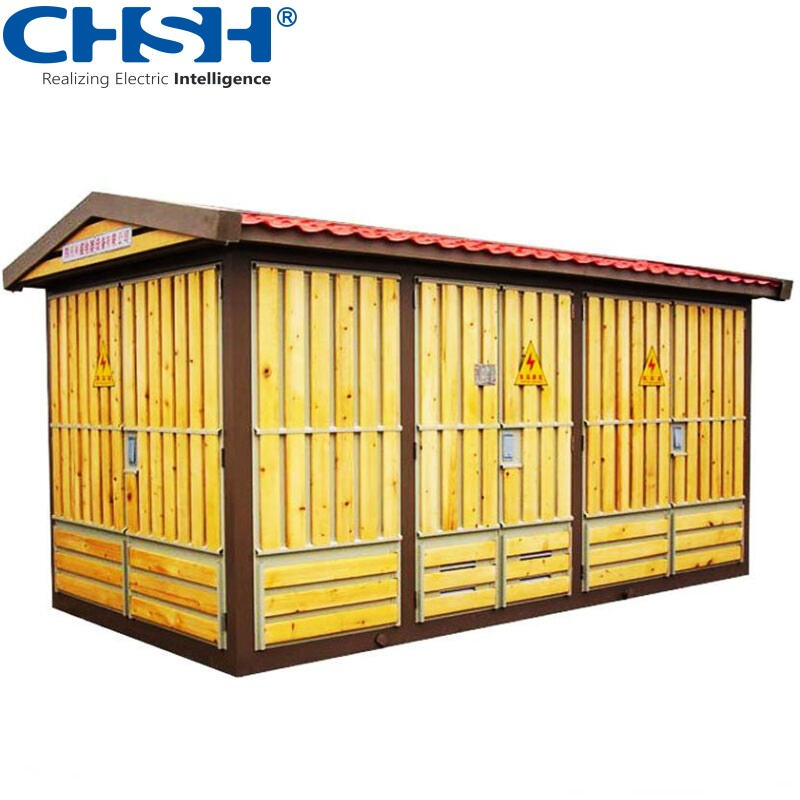
Distributed power networks face unique safety challenges that require specialized equipment designed to protect both infrastructure and personnel. Understanding how a transformer box enhances safety in these complex electrical systems is crucial for network operators, electrical engineers, and facility managers responsible for maintaining reliable power distribution. The integration of advanced transformer box technology addresses critical safety concerns while ensuring optimal performance across decentralized power generation and distribution networks.
The safety improvements provided by transformer box installations in distributed power networks stem from multiple protective mechanisms working in concert. These systems create physical barriers against electrical hazards, provide fault isolation capabilities, and implement automated safety responses that minimize risks during normal operations and emergency situations. Modern transformer box designs incorporate advanced materials, monitoring systems, and protective features that significantly enhance overall network safety performance.
Physical Protection and Containment Features
Robust Enclosure Design
The transformer box serves as the first line of defense against electrical hazards through its engineered enclosure system. These protective housings are constructed from high-grade materials that provide exceptional resistance to environmental factors, electrical stress, and physical damage. The enclosure design prevents unauthorized access to energized components while maintaining proper ventilation and heat dissipation necessary for optimal transformer performance.
Advanced transformer box enclosures feature multi-layer protection systems that include weatherproof sealing, corrosion-resistant coatings, and impact-resistant construction. These features ensure long-term reliability in diverse operating environments while maintaining consistent safety standards. The physical barrier created by the transformer box effectively isolates high-voltage components from personnel and reduces the risk of accidental contact with energized equipment.
Modern enclosure designs also incorporate tamper-evident features and secure locking mechanisms that prevent unauthorized modifications or interference with safety systems. This level of physical security is particularly important in distributed networks where equipment may be located in remote or unsecured areas where direct supervision is limited.
Arc Flash Mitigation
Arc flash incidents represent one of the most serious safety hazards in electrical systems, and transformer box designs specifically address this threat through multiple protective measures. The contained environment within the transformer box limits the propagation of arc flash energy and provides directional venting that safely channels explosive forces away from personnel areas.
Specialized transformer box configurations include arc-resistant designs that redirect arc flash energy through predetermined paths, typically venting upward or to designated safe zones. These systems incorporate pressure relief mechanisms that activate rapidly during fault conditions, preventing catastrophic enclosure failure and protecting nearby equipment and personnel from dangerous arc flash exposure.
The integration of current-limiting devices within the transformer box further reduces arc flash risks by quickly interrupting fault currents before they can reach dangerous levels. This proactive approach to arc flash mitigation significantly improves personnel safety during maintenance operations and emergency response activities.
Electrical Isolation and Fault Management
Fault Detection and Response Systems
Modern transformer box installations incorporate sophisticated fault detection systems that continuously monitor electrical parameters and network conditions. These systems can identify developing problems before they escalate into dangerous situations, automatically initiating protective responses that isolate affected sections of the distributed network.
The fault detection capabilities within a transformer box include ground fault monitoring, overcurrent protection, and voltage regulation systems that work together to maintain safe operating conditions. When anomalies are detected, these systems can automatically disconnect affected circuits, alert operators to potential hazards, and provide diagnostic information that supports rapid problem resolution.
Advanced transformer box designs also feature selective coordination capabilities that ensure fault isolation occurs at the appropriate network level. This intelligent fault management prevents unnecessary outages in unaffected areas while maintaining safety isolation where problems exist, improving both safety and system reliability.
Voltage Regulation and Stability
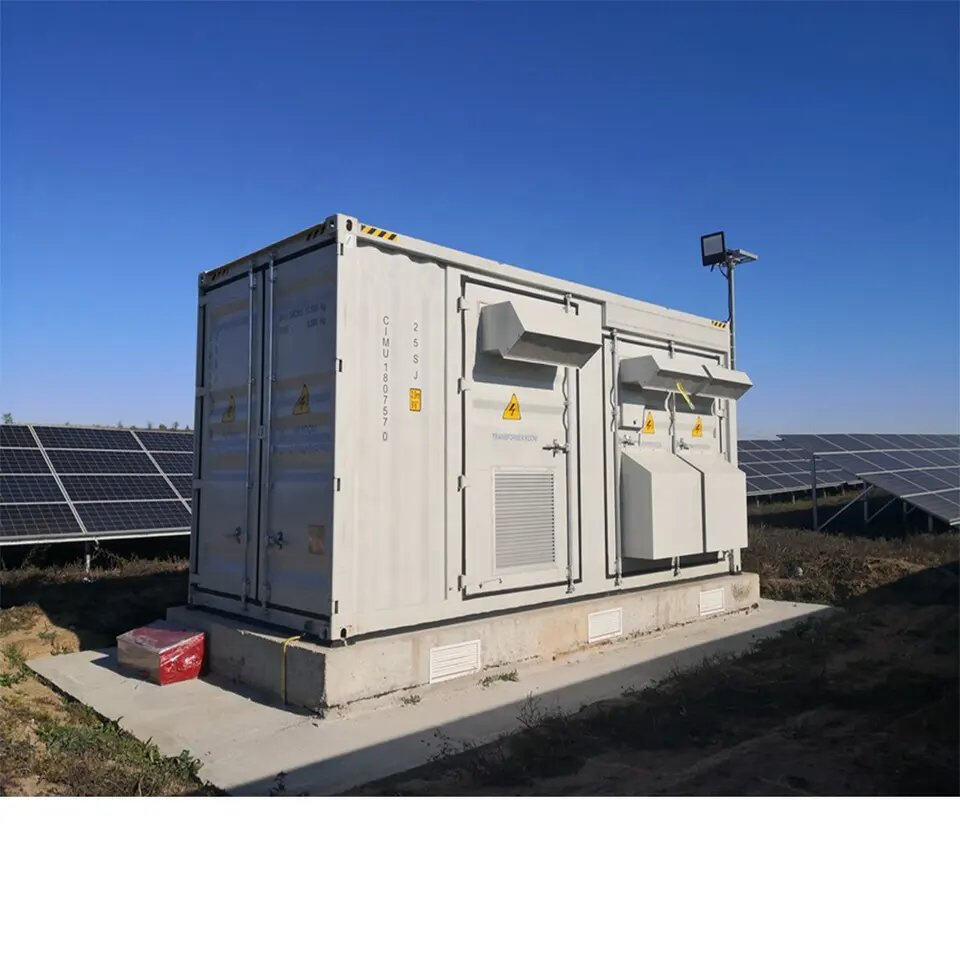
Voltage instability in distributed networks can create safety hazards for both equipment and personnel, making the voltage regulation capabilities of transformer box systems critically important. These systems maintain consistent voltage levels across varying load conditions, preventing dangerous overvoltage or undervoltage situations that could compromise safety.
The transformer box provides automatic voltage regulation through tap-changing mechanisms and load-sensing controls that respond to network conditions in real-time. This dynamic voltage management prevents equipment damage that could create safety hazards while ensuring that connected loads receive appropriate power levels for safe operation.
Voltage regulation systems within transformer box installations also help prevent power quality issues that could interfere with safety systems and protective devices throughout the distributed network. By maintaining stable voltage conditions, these systems ensure that safety equipment functions reliably when needed most.
Environmental Safety Enhancements
Weather Resistance and Climate Protection
Distributed power networks often operate in challenging environmental conditions where weather-related safety hazards pose significant risks to both equipment and personnel. The transformer box provides comprehensive environmental protection that maintains safe operating conditions regardless of external weather conditions.
Weather-resistant transformer box designs feature sealed enclosures that prevent moisture ingress, which could create dangerous electrical faults or compromise insulation systems. These protective measures are particularly important in humid climates or areas prone to flooding where water intrusion could create life-threatening electrical hazards.
Advanced transformer box installations also incorporate climate control systems that regulate internal temperature and humidity levels. These environmental controls prevent condensation formation and maintain optimal operating conditions for internal components, reducing the likelihood of weather-related failures that could compromise network safety.
Fire Prevention and Suppression
Fire safety represents a critical concern in distributed power networks, and transformer box designs incorporate multiple fire prevention and suppression features. These systems detect thermal anomalies before they develop into dangerous fire conditions and can automatically initiate suppression measures when necessary.
The transformer box often includes fire-resistant materials and construction techniques that contain potential fires within the enclosure, preventing spread to adjacent equipment or structures. Integrated fire suppression systems can automatically deploy when temperature thresholds are exceeded, quickly suppressing incipient fires before they become major hazards.
Modern transformer box designs also feature thermal monitoring systems that continuously assess operating temperatures and alert operators to conditions that could lead to fire hazards. This proactive approach to fire safety enables preventive maintenance and corrective actions that eliminate fire risks before they materialize.
Operational Safety Features
Remote Monitoring and Control Capabilities
The safety benefits of transformer box installations extend beyond physical protection to include advanced monitoring and control capabilities that enable remote safety management. These systems provide real-time visibility into network conditions and allow operators to respond to safety concerns without exposing personnel to potentially dangerous field conditions.
Remote monitoring capabilities within transformer box systems include comprehensive parameter tracking, alarm generation, and diagnostic reporting that keeps operators informed about safety-relevant conditions throughout the distributed network. This remote visibility enables proactive safety management and reduces the need for personnel to access potentially hazardous equipment locations.
The transformer box also provides remote control capabilities that allow operators to safely isolate equipment, adjust operating parameters, and implement emergency responses from secure control room environments. This remote operation capability is particularly valuable during emergency situations where field access might be dangerous or impossible.
Maintenance Safety Enhancements
Routine maintenance activities represent significant safety challenges in distributed power networks, and transformer box designs incorporate features that enhance maintenance safety while ensuring continued system protection. These safety enhancements reduce maintenance risks while maintaining the high reliability standards required for critical power infrastructure.
The transformer box provides clear isolation points and lockout/tagout capabilities that enable safe maintenance procedures. These features ensure that maintenance personnel can work on equipment with confidence that all energy sources are properly controlled and isolated, preventing accidental energization during maintenance activities.
Advanced transformer box installations also include diagnostic capabilities that provide maintenance personnel with detailed information about equipment condition and safety status. This diagnostic information enables more efficient and safer maintenance procedures by identifying specific issues and confirming safe working conditions before personnel access equipment.
FAQ
What are the main safety improvements provided by transformer box installations in distributed networks?
Transformer box installations provide comprehensive safety improvements including physical protection through robust enclosures, arc flash mitigation, electrical isolation and fault management, environmental protection against weather and fire hazards, and enhanced maintenance safety features. These systems work together to create multiple layers of protection that significantly reduce risks to both personnel and equipment in distributed power networks.
How does a transformer box protect against arc flash incidents?
A transformer box protects against arc flash through specialized arc-resistant designs that redirect explosive energy through predetermined safe paths, pressure relief mechanisms that prevent enclosure failure, and current-limiting devices that quickly interrupt fault currents before they reach dangerous levels. These integrated protection systems significantly reduce arc flash risks during both normal operations and maintenance activities.
Can transformer box systems provide remote safety monitoring for distributed networks?
Yes, modern transformer box systems include advanced remote monitoring capabilities that provide real-time visibility into safety-relevant network conditions, generate automatic alarms for potential hazards, and enable remote control of safety systems. This remote capability allows operators to manage safety from secure locations while reducing the need for personnel to access potentially dangerous equipment sites.
What maintenance safety features are typically included in transformer box designs?
Transformer box designs include clear isolation points for safe lockout/tagout procedures, diagnostic systems that confirm safe working conditions, tamper-evident security features, and comprehensive documentation systems that guide safe maintenance practices. These features work together to ensure that maintenance activities can be performed safely while maintaining system protection and reliability standards.
Table of Contents
- Physical Protection and Containment Features
- Electrical Isolation and Fault Management
- Environmental Safety Enhancements
- Operational Safety Features
-
FAQ
- What are the main safety improvements provided by transformer box installations in distributed networks?
- How does a transformer box protect against arc flash incidents?
- Can transformer box systems provide remote safety monitoring for distributed networks?
- What maintenance safety features are typically included in transformer box designs?