
 EN
EN
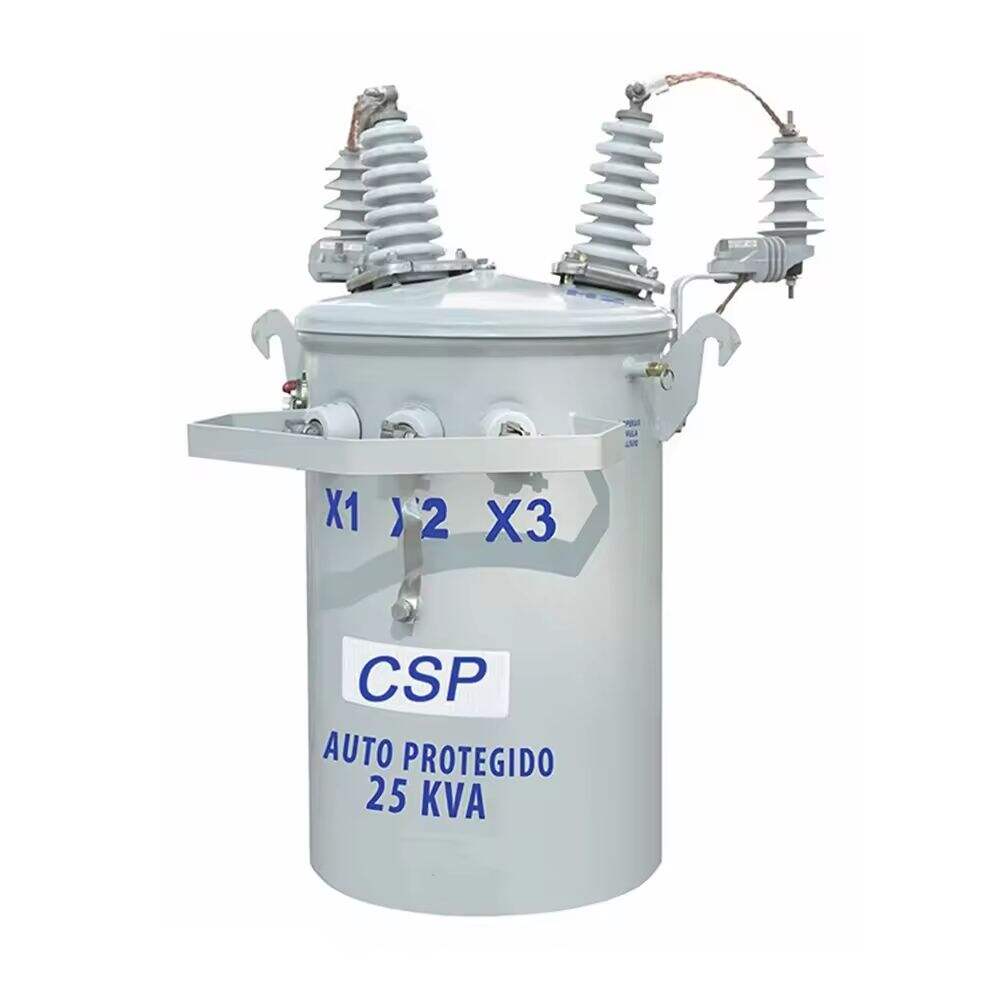
Ensuring transformer reliability before grid integration requires comprehensive testing protocols that validate electrical performance, mechanical integrity, and operational safety. Power utilities and industrial facilities depend on rigorous transformer testing methods to prevent costly failures, minimize downtime, and maintain grid stability. These systematic verification procedures encompass electrical measurements, insulation assessments, mechanical evaluations, and thermal analysis to confirm that transformers meet specified performance criteria and regulatory standards.
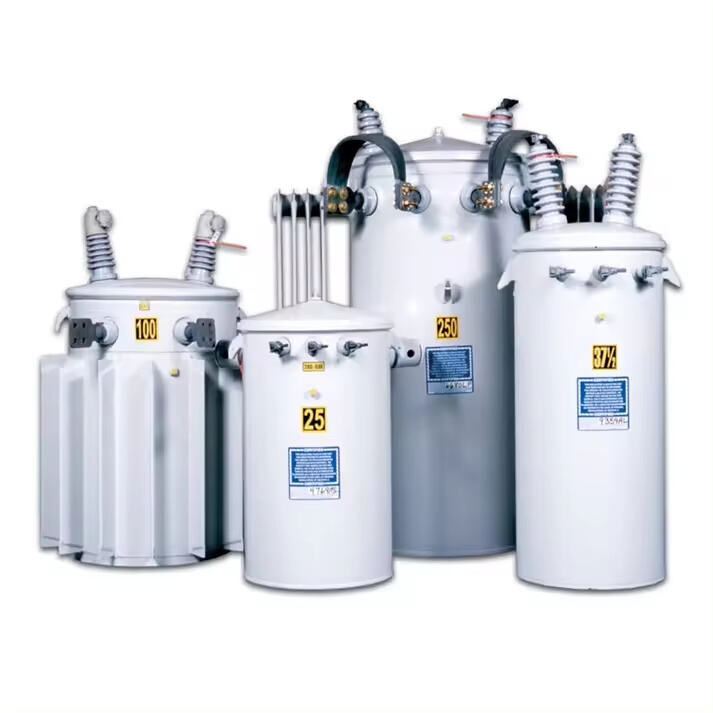
The complexity of modern electrical systems demands thorough pre-commissioning verification through standardized transformer testing methods. These procedures identify potential defects, verify design specifications, and establish baseline performance parameters that guide future maintenance decisions. Proper implementation of testing protocols reduces the risk of premature failure while ensuring optimal energy transfer efficiency and protecting downstream equipment from electrical disturbances.
Electrical Performance Verification Testing
Primary Electrical Parameter Measurements
Electrical verification begins with fundamental parameter measurements that confirm transformer design specifications. Voltage ratio testing validates the relationship between primary and secondary windings, ensuring accurate voltage transformation under various load conditions. These transformer testing methods employ precision measurement equipment to verify turns ratios within acceptable tolerance ranges, typically ±0.5% for distribution transformers.
Impedance measurements determine short-circuit characteristics and verify proper load sharing in parallel operations. The impedance test applies rated current to one winding while short-circuiting the other, measuring voltage and power consumption to calculate percentage impedance. This critical parameter affects fault current calculations and protection coordination schemes throughout the electrical system.
No-load loss measurements assess core efficiency by energizing the transformer at rated voltage with secondary windings open-circuited. These measurements reveal core lamination quality, magnetic circuit design effectiveness, and potential manufacturing defects that could impact long-term performance. Accurate no-load loss data supports energy efficiency calculations and economic analysis of transformer operation.
Load Loss and Efficiency Validation
Load loss testing quantifies copper losses in transformer windings by applying rated current while maintaining short-circuit conditions on secondary windings. These transformer testing methods provide essential data for calculating total losses, efficiency ratings, and temperature rise characteristics under full-load conditions. Load loss measurements also reveal winding resistance imbalances and connection integrity issues.
Efficiency validation combines no-load and load loss measurements to determine overall transformer performance across various loading conditions. Modern transformer testing methods utilize sophisticated power analyzers that account for harmonic content and power factor variations, providing accurate efficiency calculations that support energy management decisions and regulatory compliance requirements.
Polarity verification ensures correct phase relationships between primary and secondary windings, preventing dangerous connections during installation. This fundamental test confirms proper terminal marking and winding orientation, critical factors for safe parallel operation and protection system coordination in complex electrical networks.
Insulation System Testing and Diagnostics
Dielectric Strength Assessment
Insulation testing forms the cornerstone of transformer safety verification through comprehensive dielectric strength assessment. High-voltage testing applies specified test voltages between windings and ground to verify insulation integrity and identify potential failure points. These transformer testing methods follow standardized voltage levels based on equipment ratings and application requirements, ensuring adequate safety margins for operational stresses.
Induced voltage testing subjects internal insulation to elevated stress levels by applying twice the rated voltage at increased frequency. This accelerated stress test reveals manufacturing defects, inadequate clearances, and weak insulation points that might not appear under normal operating conditions. The test duration and voltage levels are carefully controlled to avoid unnecessary degradation while providing meaningful diagnostic information.
Partial discharge measurements detect incipient insulation failures through sensitive monitoring of electrical discharges within the insulation system. Advanced transformer testing methods employ ultra-high frequency sensors and digital signal processing to identify discharge patterns, quantify magnitude, and locate potential problem areas before they develop into complete failures.
Insulation Resistance and Power Factor Testing
Insulation resistance testing measures the resistance between windings and ground using high-voltage megohmmeters. These measurements indicate moisture content, contamination levels, and general insulation condition. Transformer testing methods typically specify minimum resistance values based on voltage ratings and temperature corrections to account for environmental conditions during testing.
Power factor testing of insulation systems provides sensitive detection of deterioration through measurement of dielectric losses. This test applies alternating voltage while measuring the power factor of the insulation system, revealing moisture ingress, aging effects, and contamination that increase dielectric losses. Modern test equipment provides computerized analysis with trending capabilities to track insulation condition over time.
Dissolved gas analysis examines oil-filled transformers for fault gases generated by electrical and thermal stresses. This diagnostic technique identifies specific gas patterns associated with different fault types, including arcing, corona discharge, overheating, and cellulose degradation. Regular gas analysis supports predictive maintenance programs and helps prevent catastrophic failures through early fault detection.
Mechanical Integrity and Structural Testing
Winding Integrity Assessment
Mechanical testing verifies transformer structural integrity through comprehensive assessment of winding positioning, clamping force, and structural components. Frequency response analysis compares measured winding impedance characteristics against reference signatures to detect mechanical deformation, loose connections, or structural damage that could compromise performance or safety.
Short-circuit withstand capability testing validates transformer ability to withstand electromagnetic forces during fault conditions. These transformer testing methods subject equipment to controlled fault currents while monitoring mechanical integrity and electrical performance. Successful completion demonstrates adequate structural design margins for anticipated service conditions and fault scenarios.
Winding resistance measurements verify connection integrity and identify turn-to-turn faults, loose connections, or conductor damage. Precision measurement equipment detects resistance variations that indicate potential problems, while temperature correction factors ensure accurate comparison against design specifications and previous measurements.
Cooling System Performance Verification
Cooling system testing validates thermal management components through comprehensive evaluation of heat exchanger performance, cooling medium flow rates, and temperature monitoring systems. These tests ensure adequate heat dissipation capacity for rated loading conditions while verifying proper operation of temperature control devices and protective systems.
Temperature rise testing determines actual thermal performance under controlled loading conditions, comparing measured values against design specifications and standards requirements. Transformer testing methods for temperature rise typically require extended test duration to achieve thermal equilibrium, providing accurate assessment of steady-state operating temperatures.
Cooling medium quality testing examines oil or other cooling fluids for contamination, moisture content, and chemical properties that affect heat transfer efficiency and insulation performance. Regular sampling and analysis support maintenance planning while ensuring optimal cooling system performance throughout the transformer service life.
Operational Safety and Protection System Testing
Protection Device Calibration and Verification
Safety system testing validates protection device operation through comprehensive calibration and functional verification procedures. These transformer testing methods ensure proper operation of temperature monitors, pressure relief devices, oil level indicators, and gas detection systems that protect against abnormal operating conditions and potential hazards.
Buchholz relay testing verifies gas accumulation detection capability through controlled gas injection and mechanical operation checks. This critical protection device provides early warning of internal faults while initiating protective actions to prevent catastrophic failure. Functional testing confirms proper sensitivity settings and alarm/trip contact operation.
Pressure relief device testing validates mechanical operation and pressure settings through controlled pressure application. These safety components protect transformer tanks from excessive internal pressure during fault conditions, preventing explosive failures that could endanger personnel and nearby equipment. Regular testing ensures reliable operation when protection is needed most.
Ground Fault and Safety System Verification
Ground fault protection testing verifies proper operation of earth fault detection systems through controlled fault simulation and sensitivity measurements. These transformer testing methods ensure adequate protection for personnel safety while preventing unnecessary service interruptions from transient ground faults or external influences.
Safety grounding system testing validates low-resistance paths for fault current flow through comprehensive resistance measurements and continuity verification. Proper grounding system design and installation are critical for personnel safety and equipment protection during fault conditions or maintenance activities.
Lockout/tagout system verification ensures proper isolation procedures and mechanical interlocking operation. These safety systems prevent inadvertent energization during maintenance activities while providing positive confirmation of de-energized conditions. Testing validates mechanical operation, electrical interlocks, and procedural compliance with safety standards.
Quality Assurance and Documentation Standards
Test Data Recording and Analysis
Comprehensive documentation forms an integral component of transformer testing methods, providing traceable records of performance verification and establishing baseline data for future comparison. Digital data acquisition systems capture measurement accuracy while automated analysis tools identify trends and anomalies that might indicate developing problems or measurement errors.
Statistical analysis of test results validates measurement consistency and identifies outliers that require investigation or repeat testing. Modern transformer testing methods employ database systems that support trending analysis, comparative studies, and predictive maintenance program development based on historical performance data.
Certification procedures ensure compliance with applicable standards and regulatory requirements through documented verification of test procedures, equipment calibration, and personnel qualifications. Proper certification provides confidence in test results while supporting warranty claims and insurance requirements for transformer installations.
Standards Compliance and Regulatory Requirements
International standards compliance ensures transformer testing methods meet recognized industry practices and safety requirements. Organizations such as IEEE, IEC, and ANSI provide detailed testing procedures, acceptance criteria, and safety guidelines that form the foundation for comprehensive transformer verification programs.
Regulatory compliance testing addresses specific requirements for utility interconnection, environmental protection, and workplace safety. These requirements may include additional testing procedures, documentation standards, or certification requirements beyond basic performance verification, ensuring transformer installations meet all applicable legal and regulatory obligations.
Quality management system integration ensures transformer testing methods support overall quality objectives through documented procedures, personnel training, and continuous improvement processes. Effective quality systems provide confidence in test results while supporting long-term reliability and performance optimization goals.
FAQ
How long does comprehensive transformer testing typically take?
Comprehensive transformer testing duration varies based on equipment size, complexity, and testing scope, typically requiring 2-5 days for distribution transformers and up to several weeks for large power transformers. Critical path items include temperature rise testing and insulation system conditioning, which require extended time periods to achieve meaningful results. Testing schedules must account for equipment availability, weather conditions, and specialized test equipment requirements.
What are the most critical transformer testing methods for safety verification?
Safety verification priorities include dielectric strength testing, insulation resistance measurement, protection device calibration, and grounding system verification. These transformer testing methods identify conditions that could compromise personnel safety or cause equipment damage during normal operation or fault conditions. Partial discharge testing and dissolved gas analysis provide early warning of developing problems that could lead to catastrophic failures.
Can transformer testing methods detect problems that aren't visible during visual inspection?
Modern transformer testing methods detect numerous internal problems that visual inspection cannot identify, including partial discharge activity, winding deformation, insulation deterioration, and cooling system blockages. Electrical measurements reveal connection integrity issues, while chemical analysis identifies developing fault conditions before they become visible problems. Advanced diagnostic techniques provide insight into transformer condition that supports proactive maintenance decisions.
What documentation is required for transformer testing compliance?
Documentation requirements include detailed test procedures, calibrated equipment certificates, measured data records, analysis results, and compliance statements referencing applicable standards. Test reports must identify testing personnel qualifications, environmental conditions, and any deviations from standard procedures. Proper documentation supports warranty claims, regulatory compliance, and future maintenance planning while providing traceable evidence of transformer performance verification.
Table of Contents
- Electrical Performance Verification Testing
- Insulation System Testing and Diagnostics
- Mechanical Integrity and Structural Testing
- Operational Safety and Protection System Testing
- Quality Assurance and Documentation Standards
-
FAQ
- How long does comprehensive transformer testing typically take?
- What are the most critical transformer testing methods for safety verification?
- Can transformer testing methods detect problems that aren't visible during visual inspection?
- What documentation is required for transformer testing compliance?