
 EN
EN
Transformer efficiency represents one of the most critical performance metrics in large-scale electrical power systems, directly impacting operational costs, energy consumption, and environmental sustainability. As power demands continue to escalate globally, understanding the intricate design factors that influence transformer efficiency becomes essential for engineers, facility managers, and energy professionals seeking to optimize their electrical infrastructure investments.
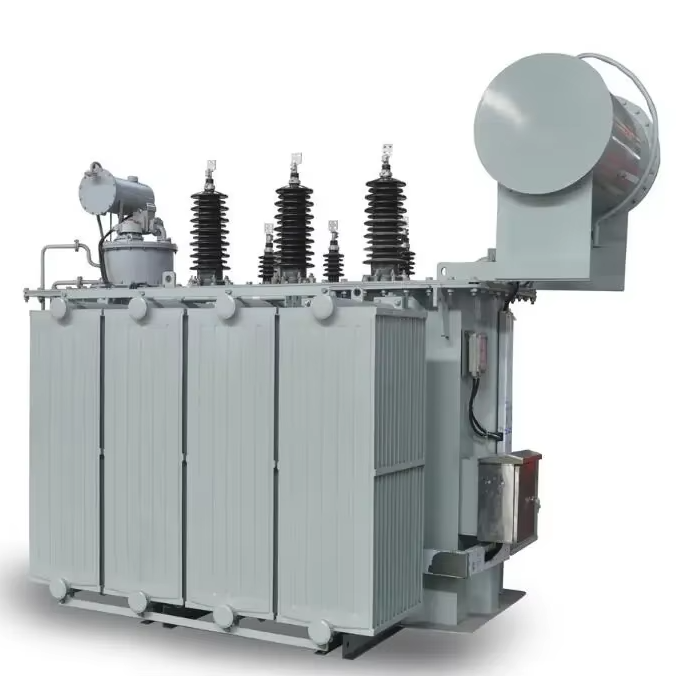
When examining transformer efficiency at scale, multiple interconnected design elements work together to determine overall performance outcomes. These factors range from fundamental core materials and winding configurations to advanced cooling systems and insulation technologies, each contributing to the transformer's ability to minimize energy losses while maintaining reliable power transmission across extensive electrical networks.
Core Material Selection and Magnetic Circuit Design
Advanced Steel Grades and Grain Orientation
The magnetic core serves as the foundation for transformer efficiency, with steel grade selection directly impacting hysteresis and eddy current losses. High-grade electrical steel with optimized grain orientation significantly reduces core losses, particularly in large transformers where magnetic flux density variations can substantially affect overall efficiency. Modern transformer designs utilize cold-rolled grain-oriented electrical steel, which exhibits superior magnetic properties compared to conventional hot-rolled materials.
Core construction techniques also influence transformer efficiency through precise stacking methods and joint configurations. Step-lap core joints minimize air gaps and magnetic flux leakage, while advanced laser-etched steel surfaces reduce eddy current losses by creating controlled magnetic domains. These refinements become increasingly important at scale, where even marginal efficiency improvements translate to significant energy savings across large electrical installations.
Flux Density Optimization and Core Geometry
Operating flux density represents a critical balance between transformer efficiency and physical size constraints. Lower flux densities generally improve efficiency by reducing core losses, but require larger core cross-sections and increased material costs. Large-scale transformer designs must carefully optimize this relationship, considering both initial investment and long-term operational efficiency requirements.
Core geometry variations, including shell-type versus core-type configurations, significantly impact magnetic circuit performance. Shell-type designs typically offer better magnetic coupling and reduced leakage reactance, contributing to improved transformer efficiency in high-power applications. The magnetic path length and cross-sectional area distribution also affect flux uniformity, directly influencing loss characteristics and overall efficiency performance.
Winding Design and Conductor Technologies
Conductor Material and Cross-Sectional Configuration
Copper versus aluminum conductor selection represents a fundamental design decision affecting transformer efficiency at scale. While copper offers superior electrical conductivity, aluminum provides weight advantages and cost benefits in large transformer applications. The conductor cross-sectional area and configuration directly influence resistance losses, with larger conductors reducing I²R losses but increasing material costs and physical dimensions.
Advanced conductor technologies, including continuously transposed cables and optimized strand configurations, minimize circulating current losses and improve current distribution uniformity. These design refinements become particularly important in high-current applications where skin effect and proximity effect losses can significantly impact transformer efficiency. Proper conductor insulation and spacing also contribute to reduced dielectric losses and improved thermal management.
Winding Arrangement and Electromagnetic Optimization
Winding arrangement significantly influences leakage reactance and stray loss characteristics in large transformers. Interleaved winding configurations can reduce leakage flux and improve regulation, while concentric arrangements offer manufacturing advantages and better mechanical stability. The choice between disc-type and helical winding structures affects both electrical performance and cooling efficiency, directly impacting overall transformer efficiency.
Electromagnetic field optimization through advanced winding design reduces stray losses in structural components and tank walls. Proper conductor transposition and balanced ampere-turn distribution minimize circulating currents and hot-spot formation, contributing to improved transformer efficiency and extended operational life. These design considerations become increasingly critical as transformer ratings increase and electromagnetic stress levels intensify.
Cooling System Design and Thermal Management
Heat Dissipation Mechanisms and Cooling Media
Thermal management directly affects transformer efficiency through its impact on winding resistance and insulation performance. Oil-immersed transformers utilize mineral oil or synthetic fluids for both cooling and insulation, with fluid properties significantly influencing heat transfer characteristics and dielectric performance. The cooling system design must effectively remove generated heat while maintaining optimal operating temperatures for maximum efficiency.
Forced cooling systems, including oil-directed and air-forced configurations, enhance heat dissipation capacity in large transformers. The cooling system efficiency directly impacts overall transformer efficiency by maintaining lower operating temperatures, which reduce winding resistance and improve insulation life. Advanced cooling designs incorporate optimized oil flow patterns and enhanced heat exchanger technologies to maximize thermal performance while minimizing auxiliary power consumption.
Temperature Control and Load Management
Operating temperature significantly influences transformer efficiency through its effect on conductor resistance and magnetic core properties. Lower operating temperatures reduce copper losses and improve transformer efficiency, while excessive temperatures can lead to accelerated aging and reduced performance. Effective temperature control systems maintain optimal operating conditions across varying load profiles and ambient temperature conditions.
Load management strategies also impact transformer efficiency through optimal loading practices and thermal cycling considerations. Understanding the relationship between loading patterns, temperature rise, and efficiency characteristics enables better operational decisions that maximize both performance and equipment life. These considerations become particularly important in large-scale installations where multiple transformers operate in parallel or redundant configurations.
Insulation Systems and Dielectric Performance
Insulation Material Selection and Configuration
Insulation system design significantly affects transformer efficiency through dielectric loss characteristics and thermal performance. Modern insulation materials, including enhanced cellulose papers and synthetic films, offer improved dielectric properties and reduced loss factors compared to conventional materials. The insulation thickness and configuration must balance electrical safety requirements with efficiency optimization and physical space constraints.
Vacuum pressure impregnation processes ensure complete insulation penetration and eliminate air pockets that could compromise both electrical performance and transformer efficiency. The insulation system's thermal conductivity also affects heat dissipation and operating temperature, indirectly influencing efficiency through temperature-dependent loss mechanisms. These factors become increasingly important in high-voltage applications where insulation requirements are most demanding.
Dielectric Fluid Properties and Maintenance
Dielectric fluid characteristics directly impact transformer efficiency through loss factor and cooling performance considerations. High-quality mineral oils and synthetic fluids exhibit low dielectric loss factors and excellent thermal properties, contributing to overall efficiency optimization. Regular fluid maintenance and monitoring ensure continued performance and prevent degradation that could compromise transformer efficiency over time.
Moisture control and contamination prevention are critical for maintaining optimal dielectric performance and transformer efficiency. Advanced drying systems and filtration technologies help preserve fluid properties and prevent efficiency degradation due to contamination or chemical breakdown. These maintenance practices become essential for large transformers where fluid volumes are substantial and replacement costs are significant.
Manufacturing Quality and Assembly Precision
Component Tolerances and Assembly Accuracy
Manufacturing precision directly affects transformer efficiency through its impact on magnetic circuit performance and electromagnetic characteristics. Tight dimensional tolerances in core assembly minimize air gaps and magnetic reluctance variations, while precise winding placement ensures optimal electromagnetic coupling and reduced stray losses. Advanced manufacturing techniques, including computer-controlled winding machines and automated core assembly systems, improve consistency and efficiency optimization.
Quality control procedures during assembly ensure that design specifications are met and potential efficiency degradation sources are eliminated. Comprehensive testing protocols verify magnetic circuit performance, winding resistance values, and insulation integrity before final assembly. These quality measures become increasingly important for large transformers where manufacturing variations can have significant impacts on overall transformer efficiency and long-term performance.
Testing and Performance Verification
Comprehensive testing procedures validate transformer efficiency performance against design specifications and industry standards. No-load loss and load loss measurements provide direct efficiency calculations, while temperature rise tests verify thermal performance under rated conditions. Advanced diagnostic techniques, including frequency response analysis and partial discharge testing, ensure that all design factors contributing to efficiency are properly optimized.
Performance verification extends beyond initial testing to include operational monitoring and efficiency tracking over the transformer's service life. Regular efficiency measurements help identify degradation trends and optimize maintenance schedules to preserve performance. These monitoring practices are particularly valuable for large transformers where efficiency degradation can result in substantial energy cost increases over time.
FAQ
How much can design factors improve transformer efficiency in large-scale applications?
Advanced design factors can improve transformer efficiency by 0.5% to 2% compared to standard designs, which translates to substantial energy savings in large-scale applications. For a 50 MVA transformer, a 1% efficiency improvement can save tens of thousands of dollars annually in energy costs, making design optimization a critical investment consideration for large electrical installations.
Which design factor has the greatest impact on transformer efficiency?
Core material selection and magnetic circuit design typically have the greatest impact on transformer efficiency, particularly no-load losses which occur continuously regardless of loading. However, in high-load applications, winding design and conductor selection become equally important for minimizing load losses and optimizing overall efficiency performance.
How do cooling system improvements affect overall transformer efficiency?
Enhanced cooling systems improve transformer efficiency by maintaining lower operating temperatures, which reduce winding resistance and core losses. Advanced cooling designs can improve efficiency by 0.3% to 0.8% while also extending equipment life and increasing loading capability, providing multiple benefits beyond direct efficiency gains.
What role does manufacturing quality play in achieving design efficiency targets?
Manufacturing quality is essential for realizing theoretical efficiency improvements, as poor assembly practices can negate advanced design features. Precision manufacturing techniques and comprehensive quality control procedures ensure that design specifications are met and efficiency targets are achieved in production transformers, making quality control as important as initial design optimization.
Table of Contents
- Core Material Selection and Magnetic Circuit Design
- Winding Design and Conductor Technologies
- Cooling System Design and Thermal Management
- Insulation Systems and Dielectric Performance
- Manufacturing Quality and Assembly Precision
-
FAQ
- How much can design factors improve transformer efficiency in large-scale applications?
- Which design factor has the greatest impact on transformer efficiency?
- How do cooling system improvements affect overall transformer efficiency?
- What role does manufacturing quality play in achieving design efficiency targets?