
 EN
EN
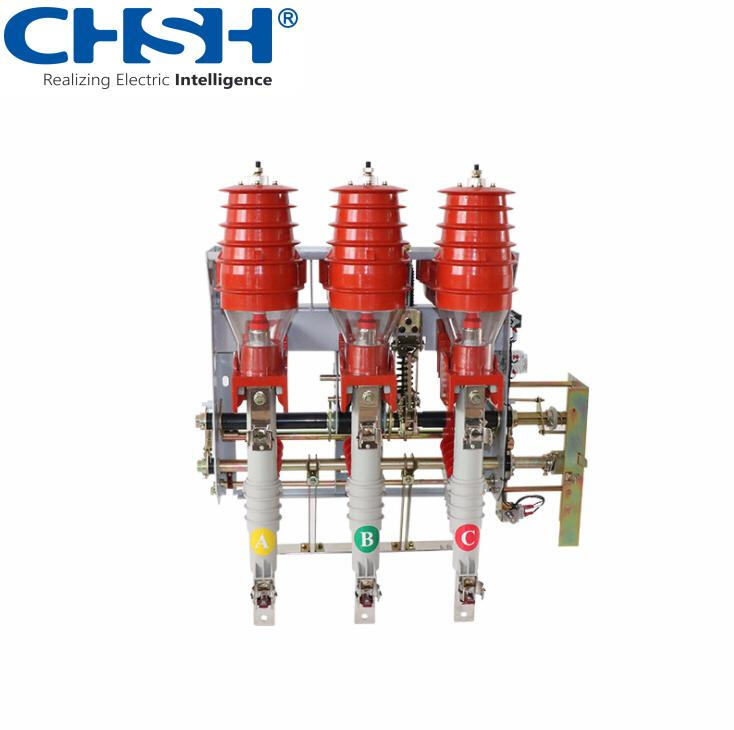
Transformer insulation serves as the fundamental barrier that prevents electrical breakdown and ensures continuous power transmission across electrical networks. The quality and condition of transformer insulation directly determines whether power systems can maintain reliable operation over decades of service. When transformer insulation degrades or fails, the consequences extend far beyond a single transformer, potentially cascading into widespread power outages that affect millions of consumers and critical infrastructure.
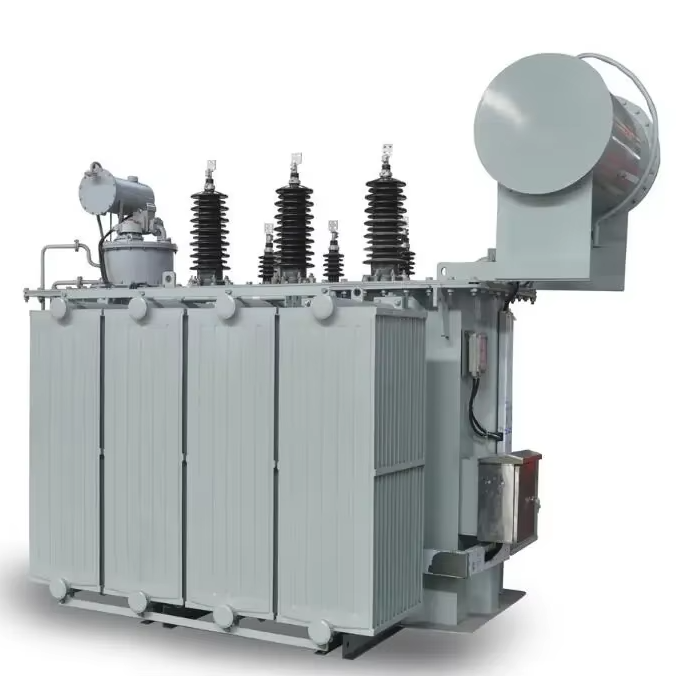
Understanding how transformer insulation impacts long-term power system reliability requires examining the complex relationship between insulation materials, operating conditions, and system performance. Power utilities worldwide recognize that transformer insulation represents one of the most critical components affecting grid stability, making its proper selection, monitoring, and maintenance essential for achieving decades of reliable service. The economic implications of transformer insulation failures often reach millions of dollars in replacement costs, lost revenue, and emergency response expenses.
The Critical Role of Transformer Insulation in Power System Stability
Primary Insulation Functions in Power Transformers
Transformer insulation performs multiple critical functions that directly impact power system reliability. The primary function involves providing electrical isolation between different voltage levels, ensuring that high-voltage windings remain safely separated from low-voltage circuits and ground connections. This electrical isolation prevents dangerous flashovers that could damage equipment and endanger personnel safety.
Beyond basic electrical isolation, transformer insulation must withstand various electrical stresses including switching surges, lightning impulses, and temporary overvoltages. The insulation system creates a controlled electric field distribution that prevents concentrated stress points where electrical breakdown might initiate. When transformer insulation maintains its dielectric strength over time, it enables transformers to handle voltage fluctuations and transient events without compromising system reliability.
Thermal management represents another crucial function of transformer insulation systems. High-quality insulation materials help conduct heat away from conductor surfaces while maintaining electrical integrity. This thermal performance directly affects transformer loading capability and operational lifespan, making insulation selection critical for long-term reliability planning.
Insulation Impact on Electrical Fault Containment
When electrical faults occur within power systems, transformer insulation acts as the primary containment barrier that prevents fault propagation to other system components. Robust transformer insulation can withstand fault currents for sufficient time to allow protective relays to operate and isolate the faulted equipment. This containment capability prevents minor faults from escalating into major system disturbances.
The coordination between transformer insulation strength and protective relay settings creates a reliability margin that accommodates various fault scenarios. When insulation maintains its integrity during fault conditions, it provides operators with time to implement controlled switching sequences that minimize customer impact. Conversely, insulation failures during fault conditions often result in explosive transformer failures that can damage adjacent equipment and extend outage duration.
Transformer insulation also influences the effectiveness of system protection schemes. Modern differential protection systems rely on specific insulation characteristics to distinguish between internal faults and external disturbances. When insulation properties change due to aging or contamination, protection system performance may be compromised, potentially affecting overall system reliability.
Aging Mechanisms and Long-Term Reliability Impact
Thermal Aging Effects on Insulation Performance
Thermal aging represents the most significant long-term degradation mechanism affecting transformer insulation reliability. Continuous exposure to elevated temperatures causes chemical changes in insulation materials that gradually reduce their dielectric strength and mechanical integrity. The rate of thermal aging follows established kinetic relationships, with temperature increases of just 8-10 degrees Celsius potentially halving insulation life expectancy.
Paper-based transformer insulation experiences cellulose chain scission under thermal stress, leading to reduced tensile strength and increased brittleness. These changes make the insulation more susceptible to mechanical damage during short-circuit events or transformer transport. The degradation products from thermal aging can also create conductive paths that reduce insulation effectiveness over time.
Oil-filled transformers face additional thermal aging challenges as insulation oil degrades at high temperatures, forming acids and sludge that can attack solid insulation materials. The interaction between oil degradation and paper insulation creates a synergistic aging effect that accelerates overall insulation deterioration. Temperature control through proper cooling system design and operation becomes crucial for maintaining transformer insulation reliability over decades of service.
Moisture and Contamination Effects
Moisture contamination represents one of the most serious threats to transformer insulation reliability. Water molecules reduce the dielectric strength of both solid and liquid insulation materials, creating pathways for electrical breakdown at much lower voltages than dry insulation can withstand. Even small amounts of moisture can dramatically impact transformer insulation performance and long-term reliability.
The presence of moisture in transformer insulation accelerates thermal aging processes through hydrolysis reactions that break down cellulose fibers and create additional degradation products. These chemical reactions create a feedback loop where moisture promotes aging, and aging creates conditions that attract more moisture. This synergistic effect makes moisture control critical for maintaining transformer insulation integrity over extended operating periods.
Contamination from environmental sources can also compromise transformer insulation reliability. Airborne particles, industrial pollutants, and salt deposits can create conductive paths across insulation surfaces, leading to tracking and eventual flashover. The combination of moisture and contamination creates particularly challenging conditions for transformer insulation systems, requiring robust design and maintenance practices to ensure reliable operation.
Design Factors Affecting Insulation Reliability
Material Selection and Insulation System Design
The choice of insulation materials fundamentally determines transformer reliability characteristics and operational lifespan. Traditional cellulose-based insulation systems offer excellent dielectric properties and proven performance records spanning decades of utility service. However, these materials require careful moisture control and temperature management to maintain their insulation properties over time.
Modern synthetic insulation materials provide enhanced thermal performance and reduced aging rates compared to traditional cellulose systems. Aramid papers and thermally upgraded kraft papers offer improved temperature capability while maintaining good dielectric properties. The selection of appropriate insulation materials must balance initial cost, performance requirements, and long-term reliability objectives.
Insulation system design involves optimizing the arrangement and thickness of insulation materials to provide adequate electrical clearances while minimizing material usage and transformer size. The electric field distribution within transformer insulation determines stress levels at critical points, making field optimization essential for achieving reliable long-term performance. Advanced modeling techniques help designers create insulation systems that balance electrical, thermal, and mechanical requirements.
Manufacturing Quality and Testing Standards
Manufacturing quality control directly impacts transformer insulation reliability through proper material handling, drying procedures, and assembly techniques. Contamination introduced during manufacturing can create weak points in the insulation system that may not become apparent until years of service. Rigorous quality control procedures ensure that transformer insulation meets design specifications and provides expected reliability performance.
Factory testing procedures validate transformer insulation performance before equipment enters service. Dielectric tests, partial discharge measurements, and impulse tests verify that insulation systems can withstand rated voltages and transient conditions. These tests provide baseline measurements that support future condition assessment and reliability monitoring programs.
The implementation of international testing standards ensures consistent transformer insulation quality across different manufacturers and applications. Standards like IEEE C57.12.90 and IEC 60076 specify minimum insulation performance requirements and testing procedures that support reliable power system operation. Compliance with these standards provides utilities with confidence in transformer insulation reliability characteristics.
Monitoring and Maintenance Strategies
Condition Assessment Techniques
Regular condition assessment of transformer insulation enables utilities to identify degradation trends before they impact system reliability. Dissolved gas analysis provides insights into insulation aging processes by detecting chemical byproducts from thermal and electrical stress. Specific gas ratios help differentiate between normal aging and active fault conditions that require immediate attention.
Power factor testing measures changes in insulation dielectric properties that indicate aging or contamination. Regular power factor measurements create trending data that helps predict when transformer insulation may require maintenance or replacement. This predictive capability allows utilities to plan outages and avoid unexpected failures that could compromise system reliability.
Partial discharge monitoring detects insulation defects that could lead to failure if left untreated. Online partial discharge monitoring systems provide continuous assessment of transformer insulation condition, enabling early detection of developing problems. This real-time monitoring capability supports proactive maintenance strategies that maximize transformer reliability while minimizing maintenance costs.
Preventive Maintenance Programs
Systematic preventive maintenance programs address transformer insulation degradation before it impacts system reliability. Oil processing removes moisture and contaminants that threaten insulation integrity, extending transformer service life and maintaining reliable performance. Regular oil processing schedules based on condition assessment results optimize maintenance timing and resource allocation.
Moisture control represents a critical aspect of transformer insulation maintenance. Breather systems and vapor barriers help minimize moisture ingress during normal operation, while vacuum processing removes accumulated moisture from aged insulation systems. Effective moisture control strategies can significantly extend transformer insulation life and improve long-term reliability.
Temperature management through cooling system maintenance ensures optimal operating conditions for transformer insulation. Regular cleaning of cooling systems, fan maintenance, and heat exchanger inspection help maintain design temperatures that minimize insulation aging. Proper temperature control can double or triple transformer insulation life expectancy, providing substantial reliability and economic benefits.
Economic Impact and Risk Management
Cost Implications of Insulation Failures
Transformer insulation failures create significant economic impacts that extend far beyond equipment replacement costs. Direct replacement costs for large power transformers can reach several million dollars, with extended lead times that may require temporary solutions and additional expenses. The total economic impact includes lost revenue, emergency response costs, and potential penalties for service interruptions.
Indirect costs from transformer insulation failures often exceed direct replacement expenses. Industrial customers may experience production losses, data corruption, or equipment damage from power quality disturbances. Commercial facilities face revenue losses, spoiled inventory, and customer satisfaction issues when power interruptions occur. These indirect costs highlight the importance of maintaining reliable transformer insulation systems.
Risk assessment methodologies help utilities quantify the economic benefits of transformer insulation maintenance programs. By comparing maintenance costs with potential failure consequences, utilities can optimize their investment in insulation reliability. This economic analysis supports decision-making about transformer replacement timing, maintenance intervals, and monitoring system investments.
Reliability Planning and Asset Management
Strategic asset management programs incorporate transformer insulation condition into long-term reliability planning. Insulation aging models help predict when transformers may require replacement or major maintenance, enabling utilities to plan capital investments and resource allocation. This forward-looking approach prevents unexpected failures that could compromise system reliability.
Portfolio management strategies consider transformer insulation characteristics across entire transformer fleets. Age-based replacement programs, condition-based maintenance schedules, and spare equipment positioning all depend on understanding insulation degradation patterns. Effective portfolio management balances reliability objectives with financial constraints and resource availability.
Integration of transformer insulation data with system reliability models enables comprehensive risk assessment and optimization. Monte Carlo simulations and reliability indices help quantify how insulation condition affects overall system performance. This integrated approach supports informed decisions about maintenance priorities, replacement schedules, and system design modifications.
FAQ
How long does transformer insulation typically last in power system applications?
Transformer insulation typically provides 20-40 years of reliable service under normal operating conditions, though actual lifespan depends heavily on operating temperature, moisture content, and electrical stress levels. Properly maintained transformer insulation in well-designed cooling systems can achieve 40+ years of service, while insulation exposed to high temperatures or contamination may require replacement in 15-20 years. Regular condition monitoring and preventive maintenance can significantly extend insulation life expectancy.
What are the most common warning signs of transformer insulation deterioration?
The most common warning signs include increasing dissolved gas concentrations (particularly carbon monoxide and furans), rising power factor measurements, declining insulation resistance values, and the presence of partial discharge activity. Additional indicators include oil darkening, increasing moisture content, and abnormal temperature rise during operation. Regular testing and monitoring programs help detect these warning signs before they lead to insulation failure and system reliability problems.
Can damaged transformer insulation be repaired or must the entire transformer be replaced?
Minor insulation damage can sometimes be addressed through oil processing, moisture removal, or localized repairs, but major insulation degradation typically requires transformer replacement or extensive refurbishment. The decision depends on the extent of damage, remaining insulation life, economic considerations, and reliability requirements. Oil-filled transformers offer more repair options than dry-type units, but repairs must be carefully evaluated to ensure long-term reliability is not compromised.
How does transformer insulation performance vary between different voltage classes?
Higher voltage transformers require more sophisticated insulation systems with greater electrical clearances and enhanced stress control features. Transmission-class transformers (above 69kV) typically use oil-paper insulation systems with complex barrier arrangements, while distribution transformers may use simpler designs with solid or liquid insulation. The insulation coordination requirements become more demanding at higher voltages, requiring more precise design and manufacturing control to achieve reliable long-term performance.
Table of Contents
- The Critical Role of Transformer Insulation in Power System Stability
- Aging Mechanisms and Long-Term Reliability Impact
- Design Factors Affecting Insulation Reliability
- Monitoring and Maintenance Strategies
- Economic Impact and Risk Management
-
FAQ
- How long does transformer insulation typically last in power system applications?
- What are the most common warning signs of transformer insulation deterioration?
- Can damaged transformer insulation be repaired or must the entire transformer be replaced?
- How does transformer insulation performance vary between different voltage classes?