
 EN
EN
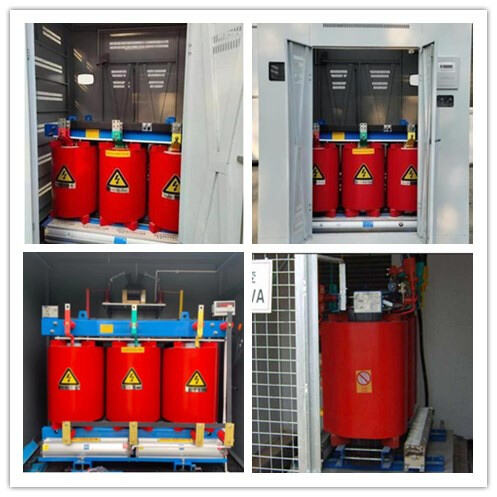
Fire safety remains a paramount concern in modern electrical infrastructure, particularly within indoor power systems where traditional oil-filled transformers pose significant risks. The evolution toward safer electrical equipment has led to widespread adoption of advanced transformer technologies that eliminate combustible materials while maintaining superior performance. Understanding how these innovative solutions protect facilities and personnel requires examining their fundamental design principles, safety mechanisms, and real-world applications across various industrial sectors.
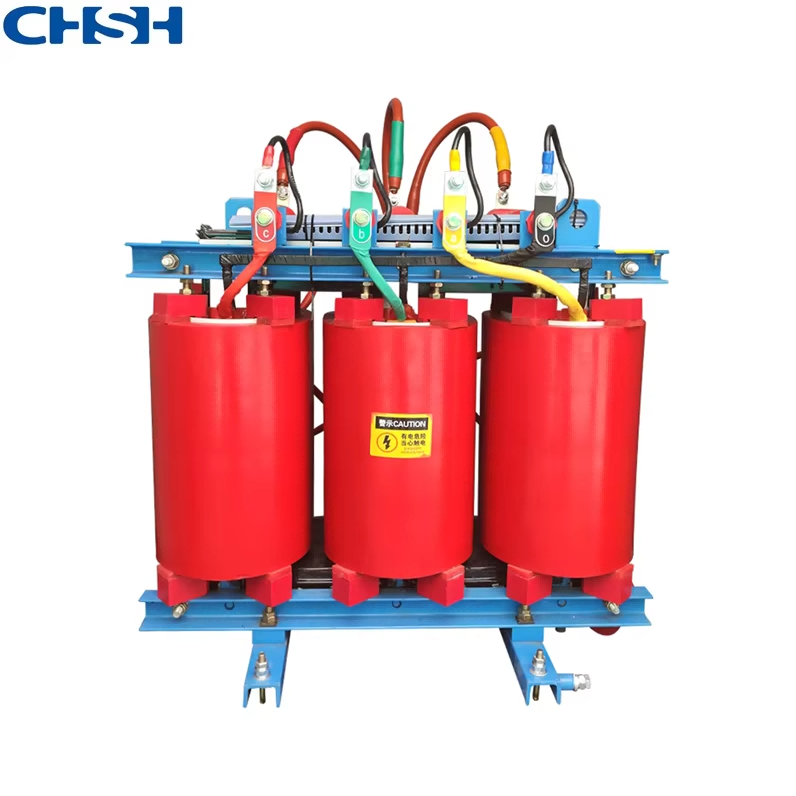
Understanding Fire Safety Principles in Electrical Systems
Combustible Materials and Fire Risk Assessment
Traditional power distribution systems often incorporate oil-filled transformers that contain thousands of gallons of mineral oil or synthetic fluids. These liquids serve as both coolants and insulators but present substantial fire hazards when contained within indoor facilities. The petroleum-based oils can ignite at relatively low temperatures, creating intense fires that spread rapidly and produce toxic smoke. A dry type transformer eliminates this fundamental risk by utilizing solid insulation materials that cannot sustain combustion, fundamentally changing the safety profile of electrical installations.
Risk assessment methodologies in industrial facilities consistently identify oil-filled equipment as high-priority hazards requiring extensive fire suppression systems, specialized containment areas, and emergency response protocols. The absence of flammable liquids in dry type transformer designs reduces these concerns significantly, allowing for more flexible installation options and reduced insurance premiums. Engineering teams increasingly recognize that eliminating the source of potential fires provides superior protection compared to elaborate suppression systems designed to combat oil-based fires.
Regulatory Compliance and Safety Standards
Building codes and electrical standards worldwide have evolved to address fire safety concerns in power distribution systems. The National Electrical Code and similar international standards provide specific requirements for transformer installations based on their fire risk profiles. A dry type transformer typically qualifies for indoor installation without the extensive fire suppression and containment systems required for oil-filled units, simplifying compliance efforts and reducing overall project costs.
Insurance companies and risk management professionals increasingly favor installations that minimize fire hazards through equipment selection rather than relying solely on detection and suppression systems. The inherent safety characteristics of solid insulation systems align with modern risk management philosophies that prioritize prevention over mitigation. Facilities utilizing these safer transformer technologies often benefit from reduced insurance premiums and simplified safety protocols.
Design Features That Enhance Fire Safety
Solid Insulation Systems and Material Properties
The core safety advantage of a dry type transformer lies in its solid insulation system, which typically consists of epoxy resins, polyester materials, or specialized polymer compounds. These materials possess inherent flame-retardant properties and do not support combustion when exposed to electrical faults or external heat sources. Unlike liquid insulation systems that can fuel fires and create explosive conditions, solid insulators actually help contain electrical faults and prevent fire propagation.
Advanced polymer insulation materials undergo rigorous testing to ensure they meet stringent fire safety standards, including flame spread ratings and smoke generation characteristics. When subjected to electrical stress or mechanical damage, these materials typically char or decompose without producing flammable gases or supporting sustained combustion. This behavior contrasts sharply with oil-filled systems where insulation breakdown can create highly combustible conditions that escalate rapidly into major fires.
Ventilation and Cooling Design Considerations
Effective heat management in a dry type transformer relies on natural or forced air circulation rather than liquid coolants, creating inherently safer operating conditions. The cooling system design incorporates strategically placed vents and air channels that promote heat dissipation while maintaining fire safety. These ventilation systems do not introduce additional fire risks, unlike oil cooling systems that can leak and create fire hazards throughout the facility.
Temperature monitoring and protection systems in modern designs provide early warning of overheating conditions before they reach dangerous levels. Thermal sensors and protective relays can initiate shutdown procedures when abnormal temperatures are detected, preventing the development of conditions that might compromise safety. This proactive approach to thermal management represents a significant advancement over traditional systems that rely on post-incident fire suppression.
Installation Advantages for Indoor Applications
Reduced Fire Suppression Requirements
Indoor installations benefit significantly from the reduced fire suppression requirements associated with dry type transformer technology. Traditional oil-filled transformers often require sophisticated sprinkler systems, specialized foam suppression equipment, and extensive drainage systems to manage potential oil spills and fires. The elimination of flammable liquids allows facilities to utilize standard fire protection systems without the complexity and expense of specialized suppression technologies.
Building designers appreciate the flexibility that comes with reduced fire suppression requirements, as it allows for more efficient space utilization and simplified mechanical systems. The absence of oil containment requirements means that dry type transformer installations can be located closer to load centers without the setback requirements typically mandated for oil-filled equipment. This proximity reduces voltage drop and improves overall system efficiency while maintaining superior safety standards.
Environmental and Maintenance Benefits
The environmental advantages of eliminating transformer oil extend beyond fire safety to include reduced maintenance requirements and simplified disposal procedures. Oil-filled transformers require regular testing, filtration, and eventual replacement of insulating fluids, creating ongoing environmental compliance challenges. A dry type transformer operates without these fluid management requirements, reducing both operational complexity and environmental liability.
Maintenance personnel working with solid insulation systems face significantly reduced safety risks compared to those servicing oil-filled equipment. The absence of pressurized oil systems eliminates risks associated with fluid leaks, contamination, and fire during maintenance activities. This safer working environment contributes to improved maintenance quality and reduced liability for facility operators.
Performance Characteristics and Reliability
Electrical Performance in Fire Safety Context
Modern dry type transformer designs achieve electrical performance levels comparable to traditional oil-filled units while providing superior fire safety characteristics. The solid insulation systems maintain excellent dielectric strength and thermal stability under normal operating conditions, ensuring reliable power delivery without compromising safety. Advanced materials and manufacturing techniques have eliminated many of the performance limitations that once made oil-filled transformers the preferred choice for high-power applications.
Fault current handling capabilities represent a critical safety consideration in transformer selection, as inadequate fault protection can lead to catastrophic failures and fires. Contemporary designs incorporate robust fault protection systems that can safely interrupt fault currents without creating fire hazards. The combination of solid insulation and advanced protection systems provides superior safety margins compared to traditional liquid-filled alternatives.
Long-term Reliability and Safety Performance
The operational history of dry type transformer installations demonstrates excellent long-term reliability with minimal fire incidents compared to oil-filled alternatives. Statistical analysis of transformer failures shows significantly lower fire occurrence rates in facilities utilizing solid insulation technologies. This track record provides confidence for facility managers seeking to minimize fire risks while maintaining reliable power distribution.
Predictive maintenance technologies integrated into modern designs enable early detection of potential problems before they develop into safety hazards. Continuous monitoring of temperature, partial discharge, and other key parameters allows maintenance teams to address issues proactively rather than reactively. This approach prevents the development of conditions that might compromise fire safety while extending equipment life and improving overall reliability.
Industry Applications and Case Studies
Commercial and Industrial Facility Implementations
Commercial buildings, manufacturing facilities, and data centers increasingly specify dry type transformer technology to meet stringent fire safety requirements while maintaining operational flexibility. High-rise office buildings benefit particularly from the reduced fire suppression complexity, allowing for more efficient building designs and lower construction costs. The ability to install transformers in mechanical rooms without elaborate fire suppression systems simplifies building systems and improves space utilization.
Manufacturing facilities handling combustible materials or processes recognize the critical importance of eliminating unnecessary fire risks from their electrical infrastructure. A dry type transformer installation removes a potential ignition source while providing reliable power for production equipment. This risk reduction becomes especially important in facilities where fire incidents could result in significant business interruption or environmental consequences.
Healthcare and Educational Institution Requirements
Hospitals, schools, and other institutions with high occupancy levels place particular emphasis on fire safety in their electrical system designs. The life safety implications of electrical fires in these environments make dry type transformer technology an increasingly preferred choice. These facilities benefit from reduced evacuation risks and simplified emergency procedures when their electrical infrastructure incorporates inherently safe equipment.
Critical care facilities require electrical systems that maintain power reliability while minimizing fire risks that could compromise patient safety. The combination of solid insulation technology and advanced monitoring systems provides the dual benefits of reliable operation and superior fire safety. Emergency power systems in healthcare facilities particularly benefit from these safety characteristics, as backup power equipment must operate reliably during crisis situations without creating additional hazards.
FAQ
What makes a dry type transformer safer than oil-filled alternatives in terms of fire risk?
A dry type transformer eliminates the primary fire hazard associated with traditional transformers by using solid insulation materials instead of flammable oils. The solid insulation materials, typically epoxy resins or specialized polymers, do not support combustion and actually help contain electrical faults rather than fuel fires. This fundamental design difference removes thousands of gallons of flammable liquid from the electrical system, significantly reducing the potential for catastrophic fires that can spread rapidly and produce toxic smoke.
Can dry type transformers be installed in any indoor location without special fire suppression systems?
While dry type transformer technology significantly reduces fire suppression requirements, installation locations must still comply with applicable electrical codes and building standards. These transformers typically qualify for installation in standard electrical rooms without the specialized foam suppression systems or oil containment facilities required for liquid-filled units. However, basic fire detection and standard sprinkler systems are still recommended as part of comprehensive facility fire protection strategies, though the requirements are much less complex and expensive than those needed for oil-filled equipment.
How does the maintenance of dry type transformers compare to oil-filled units from a safety perspective?
Maintenance of a dry type transformer presents significantly fewer safety risks for personnel compared to oil-filled alternatives. There are no pressurized oil systems that can leak or spray during maintenance, no flammable liquids to manage, and no oil sampling or filtration requirements that expose workers to potential hazards. The solid insulation system requires only periodic inspection and cleaning, typically performed with standard electrical safety procedures rather than the specialized safety protocols needed for working around flammable transformer oils.
What performance trade-offs exist when choosing dry type transformers for fire safety benefits?
Modern dry type transformer designs have largely eliminated the performance limitations that once made them less attractive than oil-filled alternatives. Today's solid insulation technologies provide comparable electrical performance, thermal management, and power handling capabilities while delivering superior fire safety characteristics. The main considerations involve slightly higher initial costs in some applications and potentially larger physical footprints due to air cooling requirements, but these factors are often offset by reduced fire suppression costs and simplified installation requirements that provide long-term economic benefits alongside enhanced safety.
Table of Contents
- Understanding Fire Safety Principles in Electrical Systems
- Design Features That Enhance Fire Safety
- Installation Advantages for Indoor Applications
- Performance Characteristics and Reliability
- Industry Applications and Case Studies
-
FAQ
- What makes a dry type transformer safer than oil-filled alternatives in terms of fire risk?
- Can dry type transformers be installed in any indoor location without special fire suppression systems?
- How does the maintenance of dry type transformers compare to oil-filled units from a safety perspective?
- What performance trade-offs exist when choosing dry type transformers for fire safety benefits?