
 EN
EN
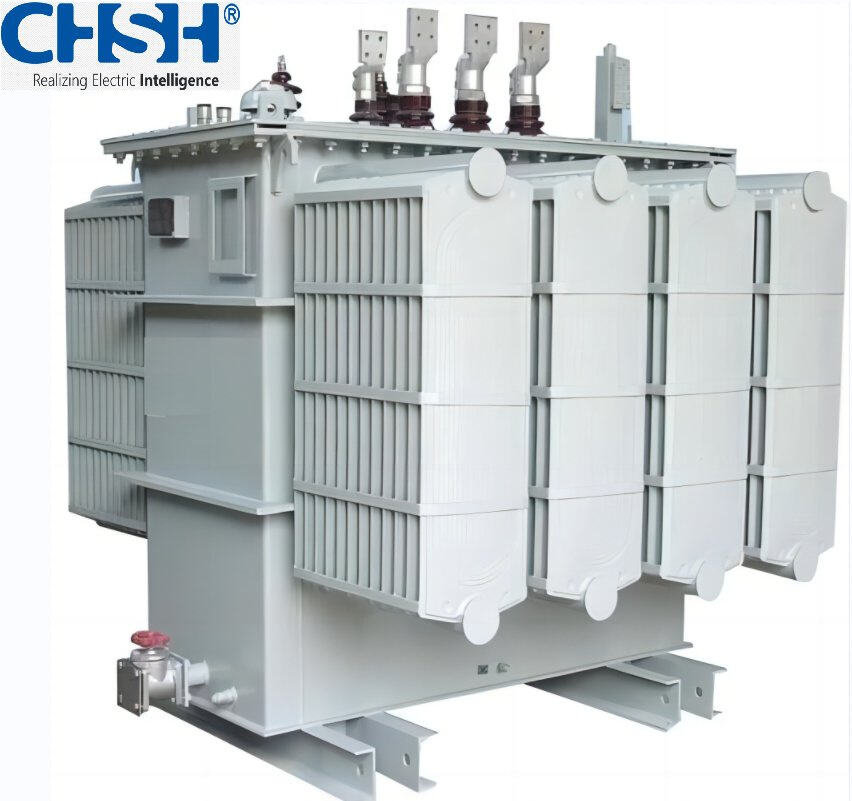
Distribution transformer cooling represents one of the most critical factors determining electrical equipment longevity and operational reliability in power networks. Modern electrical infrastructure demands transformers that maintain optimal temperatures under varying load conditions, ensuring consistent power delivery while preventing costly downtime. Effective thermal management directly impacts transformer efficiency, reduces maintenance costs, and extends equipment lifespan across residential, commercial, and industrial applications.
Understanding Thermal Challenges in Distribution Transformers
Heat Generation Sources
Distribution transformers generate heat through multiple mechanisms during normal operation, with core losses and winding losses representing primary thermal sources. Core losses occur continuously regardless of load conditions, resulting from hysteresis and eddy current effects in magnetic materials. These losses remain relatively constant but contribute significantly to overall thermal buildup within transformer enclosures.
Winding losses vary proportionally with load current, creating additional thermal stress during peak demand periods. Copper and aluminum conductors exhibit resistance that increases with temperature, creating a feedback loop where higher temperatures lead to greater losses. This relationship makes distribution transformer cooling essential for maintaining electrical efficiency and preventing thermal runaway conditions.
Temperature Impact on Performance
Excessive operating temperatures accelerate insulation degradation, reducing transformer service life and increasing failure probability. Every ten-degree Celsius increase in operating temperature can halve insulation lifespan, making thermal control critical for asset management strategies. Distribution utilities recognize that proper cooling systems represent cost-effective investments compared to premature equipment replacement.
Temperature fluctuations also affect electrical properties, causing impedance variations that impact voltage regulation and power quality. Consistent thermal management through effective distribution transformer cooling ensures stable electrical characteristics throughout varying operational conditions. This stability proves particularly important in sensitive applications where voltage variations could damage connected equipment.
Oil-Immersed Cooling Systems
Natural Oil Circulation
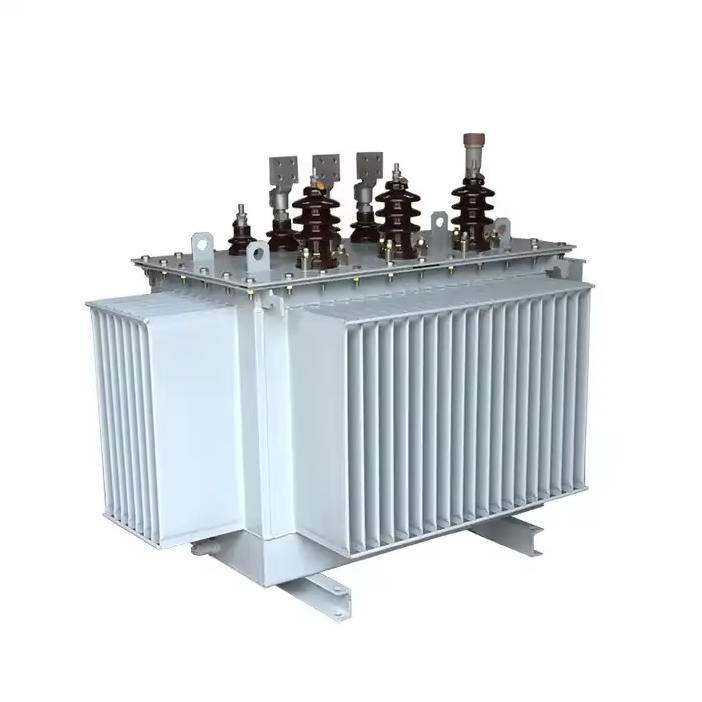
Oil-immersed distribution transformers utilize natural convection principles to achieve effective thermal management without external mechanical systems. Transformer oil serves dual purposes, providing electrical insulation while transferring heat from internal components to external surfaces. This passive distribution transformer cooling approach offers reliability and low maintenance requirements suitable for remote installations.
Natural oil circulation creates convective currents as heated oil rises and cooler oil descends, establishing continuous thermal transfer patterns. Tank design optimization enhances this natural circulation through strategic placement of cooling fins, radiators, or corrugated surfaces. These features increase surface area available for heat dissipation while maintaining compact transformer profiles.
Enhanced Oil Cooling Techniques
Advanced oil-immersed systems incorporate forced circulation pumps to accelerate coolant flow and improve heat transfer efficiency. Pumped oil systems can handle higher power ratings while maintaining acceptable operating temperatures in challenging environmental conditions. This active distribution transformer cooling method proves particularly valuable in high-load density applications where natural circulation proves insufficient.
Oil filtration and conditioning systems complement cooling circuits by maintaining dielectric properties and removing contamination that could impair thermal transfer. Regular oil analysis monitoring ensures cooling system effectiveness while identifying potential issues before they impact transformer performance. These integrated approaches maximize cooling efficiency while extending overall equipment service life.
Air-Cooled Distribution Systems
Dry-Type Transformer Cooling
Dry-type distribution transformers rely entirely on air circulation for thermal management, eliminating oil-related environmental and maintenance concerns. These systems utilize specialized insulation materials designed to withstand higher operating temperatures while maintaining electrical integrity. Air-cooled designs prove particularly suitable for indoor applications where oil leakage risks cannot be tolerated.
Natural air circulation provides basic distribution transformer cooling through convective heat transfer from transformer surfaces to surrounding atmosphere. Enclosure design considerations include ventilation openings, internal air paths, and heat sink configurations that optimize airflow patterns. Proper installation spacing ensures adequate air circulation while preventing hot air recirculation that could compromise cooling effectiveness.
Forced Air Cooling Enhancement
Forced air systems incorporate fans or blowers to increase air velocity across transformer surfaces, significantly improving heat dissipation capacity. Variable speed controls allow cooling system response to match actual thermal loads, optimizing energy consumption while maintaining safe operating temperatures. This adaptive approach proves especially valuable in applications with fluctuating load patterns.
Fan placement strategies consider air inlet and exhaust locations to maximize cooling efficiency while minimizing noise generation. Modern forced air distribution transformer cooling systems include temperature sensors and control circuits that automatically adjust fan operation based on thermal conditions. These intelligent systems ensure optimal cooling performance while extending fan service life through reduced operating hours.
Advanced Cooling Technologies
Hybrid Cooling Approaches
Innovative distribution transformer cooling systems combine multiple thermal management techniques to achieve superior performance under diverse operating conditions. Hybrid designs might integrate oil circulation with forced air cooling or incorporate phase-change materials for enhanced thermal buffering. These advanced approaches optimize cooling effectiveness while maintaining system reliability.
Heat pipe technology offers passive thermal transfer capabilities that exceed traditional conduction methods, enabling efficient heat movement from internal components to external cooling surfaces. This technology proves particularly valuable in compact transformer designs where space constraints limit conventional cooling approaches. Integration of heat pipes with existing distribution transformer cooling systems can significantly improve thermal performance.
Smart Cooling Control Systems
Modern distribution transformers incorporate intelligent thermal management systems that monitor multiple temperature points and automatically adjust cooling parameters accordingly. These systems utilize microprocessor controls to optimize cooling efficiency while minimizing energy consumption and mechanical wear. Real-time thermal monitoring enables predictive maintenance strategies that prevent costly failures.
Remote monitoring capabilities allow utility operators to track thermal performance across entire transformer fleets, identifying potential issues before they impact service reliability. Data analytics applied to cooling system performance can reveal optimization opportunities and support asset management decisions. This integrated approach maximizes the value of distribution transformer cooling investments.
Installation and Environmental Considerations
Site-Specific Cooling Requirements
Environmental factors significantly influence distribution transformer cooling system selection and performance, requiring careful analysis of ambient conditions, altitude effects, and seasonal variations. High ambient temperatures reduce cooling effectiveness, necessitating enhanced thermal management or derating considerations. Proper system sizing accounts for worst-case environmental conditions to ensure reliable operation.
Installation location affects air circulation patterns and heat dissipation characteristics, making site surveys essential for optimal cooling system design. Indoor installations require adequate ventilation design, while outdoor systems must consider wind patterns, solar heating, and precipitation effects. These environmental factors directly impact distribution transformer cooling effectiveness and long-term reliability.
Maintenance and Optimization
Regular maintenance programs ensure cooling system effectiveness throughout transformer service life, including cleaning of heat transfer surfaces, inspection of circulation components, and verification of control system operation. Preventive maintenance protocols identify potential issues before they compromise thermal performance or equipment reliability. Proper maintenance scheduling optimizes cooling system value while minimizing operational disruptions.
Performance monitoring and optimization programs track cooling system efficiency metrics, identifying opportunities for improvement through operational adjustments or equipment upgrades. These programs support continuous improvement initiatives that enhance distribution transformer cooling effectiveness while reducing operating costs. Data-driven optimization approaches maximize return on cooling system investments.
FAQ
What factors determine the most suitable cooling method for distribution transformers
The optimal distribution transformer cooling method depends on power rating, installation environment, maintenance capabilities, and regulatory requirements. Oil-immersed systems typically handle higher power ratings more efficiently, while dry-type air-cooled designs suit indoor applications with environmental restrictions. Load characteristics, ambient conditions, and long-term maintenance considerations also influence cooling system selection.
How does cooling system efficiency impact transformer operating costs
Effective distribution transformer cooling directly reduces electrical losses by maintaining lower operating temperatures, improving overall system efficiency and reducing energy costs. Proper thermal management also extends insulation life, reducing replacement frequency and associated downtime costs. Enhanced cooling systems may require higher initial investment but typically provide positive returns through improved efficiency and extended equipment life.
Can existing transformers be retrofitted with improved cooling systems
Many existing distribution transformers can benefit from cooling system upgrades, including addition of forced circulation pumps, enhanced radiators, or improved ventilation systems. Retrofit feasibility depends on transformer design, available space, and economic justification based on expected performance improvements. Professional engineering evaluation ensures compatibility and effectiveness of proposed distribution transformer cooling enhancements.
What maintenance is required for different cooling system types
Oil-immersed distribution transformer cooling systems require periodic oil testing, filtration, and replacement along with inspection of circulation components and heat exchangers. Air-cooled systems need regular cleaning of heat transfer surfaces, fan maintenance, and control system verification. Maintenance frequency varies by system type, operating environment, and manufacturer recommendations, but all systems benefit from proactive thermal performance monitoring.