
 EN
EN
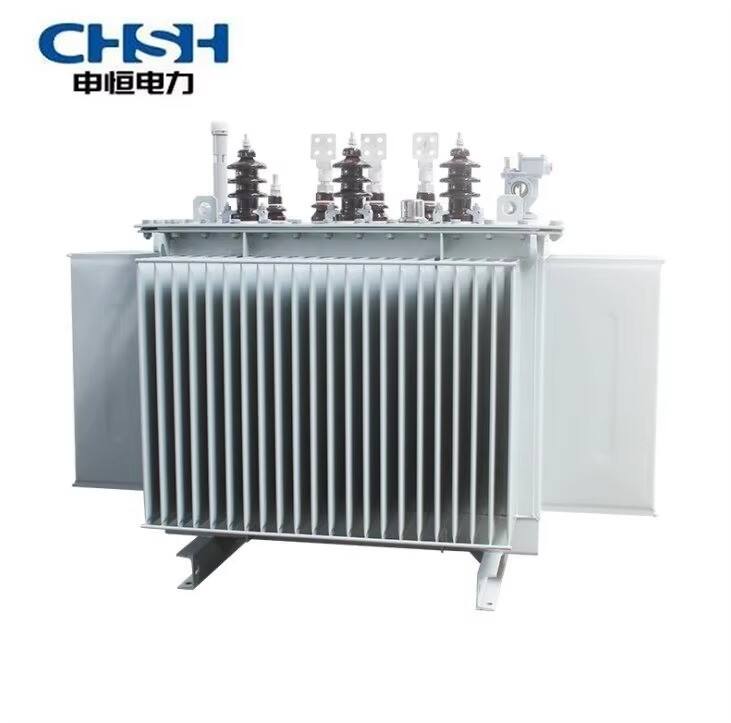
Urban power systems serve as the backbone of modern metropolitan infrastructure, requiring sophisticated electrical equipment to ensure reliable energy delivery to millions of consumers. The selection of appropriate electrical equipment plays a pivotal role in maintaining grid stability, minimizing losses, and supporting economic growth in densely populated areas. Among all electrical components, the distribution transformer stands as one of the most critical elements in urban power networks, directly impacting system performance, reliability, and operational efficiency.
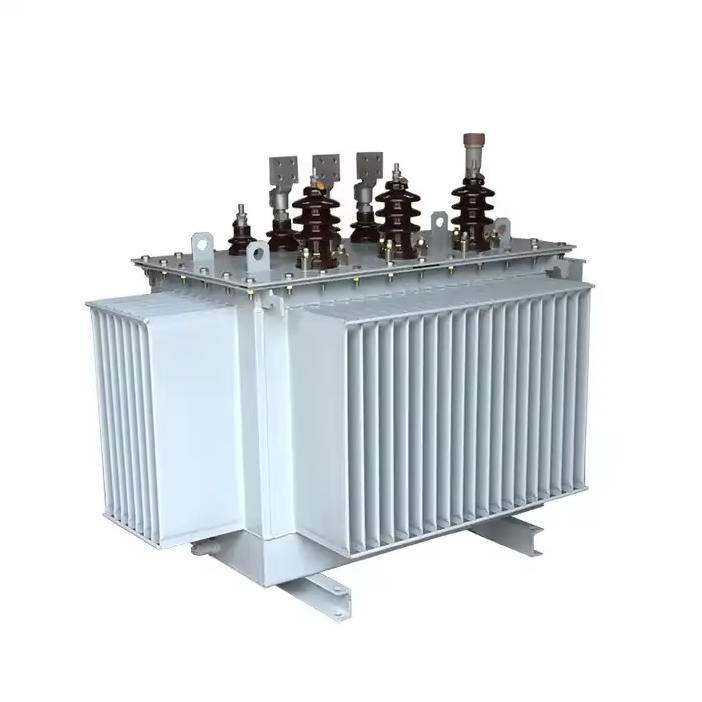
The complexity of urban electrical distribution networks demands careful consideration of multiple factors when selecting transformers. Power density requirements in cities often exceed those in rural areas by significant margins, creating unique challenges for electrical engineers and utility planners. Modern cities consume enormous amounts of electricity for residential, commercial, and industrial applications, making the distribution transformer selection process increasingly critical for maintaining adequate power quality and system reliability.
Urban environments present distinct challenges that directly influence transformer selection criteria. High ambient temperatures from heat island effects, limited installation space, noise pollution concerns, and stringent environmental regulations all impact the decision-making process. Additionally, the diverse load characteristics in urban areas, ranging from residential lighting to heavy industrial machinery, require distribution transformers capable of handling varying load profiles efficiently.
Understanding Urban Power System Characteristics
Load Density and Distribution Patterns
Urban power systems exhibit significantly higher load densities compared to suburban or rural networks, with power consumption concentrated in relatively small geographical areas. This concentration creates unique stress patterns on distribution transformers, requiring equipment capable of handling sustained high-load conditions without compromising performance. The distribution transformer must accommodate peak demand periods that often coincide with extreme weather conditions, testing equipment reliability under challenging circumstances.
Metropolitan areas typically display complex load profiles characterized by sharp morning and evening peaks, with commercial districts showing different patterns than residential neighborhoods. Industrial zones within cities add another layer of complexity, often requiring specialized distribution transformer configurations to handle three-phase loads, harmonic distortions, and power factor variations. Understanding these load patterns becomes essential for selecting transformers that can maintain efficiency across diverse operating conditions.
The spatial distribution of loads in urban environments also influences transformer placement and sizing decisions. High-rise buildings, underground facilities, and compact commercial districts all present unique installation challenges that impact distribution transformer selection. Engineers must consider not only electrical performance but also physical constraints, maintenance accessibility, and integration with existing infrastructure when making selection decisions.
Environmental Constraints and Considerations
Urban environments impose stringent environmental requirements on electrical equipment, particularly distribution transformers that operate continuously in close proximity to populated areas. Noise levels generated by transformer operation must comply with municipal regulations, often requiring specialized designs with reduced acoustic emissions. The distribution transformer selected for urban applications must balance performance requirements with community acceptance and regulatory compliance.
Temperature management becomes critically important in urban installations where ambient temperatures often exceed design standards due to heat island effects. Concrete surfaces, buildings, and reduced vegetation contribute to elevated operating temperatures that can significantly impact transformer performance and lifespan. Distribution transformers in urban settings must incorporate enhanced cooling systems and temperature-resistant materials to maintain reliable operation under these challenging conditions.
Air quality considerations also influence urban distribution transformer selection, as pollutants, dust, and corrosive elements in city atmospheres can accelerate equipment degradation. Transformers installed in urban environments require specialized protective coatings, sealed designs, and enhanced filtration systems to prevent contamination-related failures. These environmental factors make proper distribution transformer selection crucial for achieving acceptable service life and maintenance intervals.
Technical Specifications for Urban Applications
Voltage Regulation and Power Quality
Voltage regulation capability represents a fundamental requirement for distribution transformers serving urban loads, where voltage stability directly impacts equipment performance and consumer satisfaction. Urban power systems experience significant voltage fluctuations due to varying load conditions, requiring transformers with superior regulation characteristics. The distribution transformer must maintain voltage within acceptable limits despite load variations, ensuring consistent power quality for sensitive electronic equipment prevalent in urban environments.
Power quality considerations extend beyond basic voltage regulation to include harmonic distortion management, a critical factor in urban applications where nonlinear loads proliferate. Modern cities contain numerous electronic devices, variable frequency drives, and switching power supplies that introduce harmonics into the electrical system. Distribution transformers selected for urban service must handle these harmonic currents without excessive heating or reduced efficiency, often requiring specialized winding designs and core materials.
Transient voltage suppression becomes increasingly important in urban installations where lightning strikes, switching operations, and fault conditions can generate harmful voltage spikes. Distribution transformers serving urban areas must incorporate appropriate surge protection and grounding systems to prevent damage from transient events. The selection process must consider these protection requirements alongside basic electrical specifications to ensure comprehensive system reliability.
Efficiency and Loss Minimization
Energy efficiency stands as a paramount concern in urban distribution transformer selection, where the aggregate impact of losses across numerous installations significantly affects overall system performance. High-efficiency transformers reduce operating costs, minimize environmental impact, and decrease heat generation in space-constrained urban installations. The distribution transformer selection process must prioritize efficiency ratings while balancing initial investment costs against long-term operational savings.
Load losses in distribution transformers become particularly significant in urban applications where equipment operates at or near rated capacity for extended periods. Urban load patterns often maintain high utilization factors, making load loss reduction crucial for overall system efficiency. Advanced core materials, optimized winding designs, and improved manufacturing techniques contribute to reduced losses in modern distribution transformers designed for urban service.
No-load losses also merit careful consideration in urban transformer selection, as these losses occur continuously regardless of load conditions. While individually small, no-load losses accumulated across thousands of distribution transformers in a metropolitan area represent significant energy consumption and associated costs. Selection criteria must incorporate comprehensive loss evaluation to achieve optimal system-wide efficiency in urban power networks.
Installation and Maintenance Considerations
Space Constraints and Accessibility
Urban installation environments present unique space limitations that significantly influence distribution transformer selection criteria. Underground installations, compact pad-mount configurations, and building-integrated transformer locations all require specialized equipment designs. The physical dimensions, weight distribution, and installation requirements of the distribution transformer must align with available space and access limitations commonly encountered in metropolitan areas.
Maintenance accessibility represents a critical factor often overlooked during initial distribution transformer selection but essential for long-term operational success. Urban installations frequently restrict maintenance access due to traffic patterns, building proximity, or underground locations. Transformer designs that facilitate routine maintenance operations, component replacement, and testing procedures become invaluable in space-constrained urban environments.
Transportation and installation logistics add another layer of complexity to urban distribution transformer projects. Heavy equipment movement through congested city streets, crane access limitations, and permit requirements all impact the practical aspects of transformer installation. Selection decisions must consider these logistical factors alongside technical specifications to ensure project feasibility and cost-effectiveness.
Reliability and Service Life
Reliability requirements for urban distribution transformers typically exceed those in less critical applications due to the high cost of service interruptions and the large number of affected customers. Metropolitan areas cannot tolerate frequent outages or extended repair periods, making equipment reliability a paramount selection criterion. The distribution transformer chosen for urban service must demonstrate proven reliability records and incorporate design features that minimize failure probability.
Service life expectations in urban applications often extend beyond standard warranty periods, as the high cost of replacement and installation disruption make premature failures extremely costly. Distribution transformers selected for metropolitan service should incorporate materials and design practices that support extended operational life under challenging urban conditions. This includes consideration of insulation systems, cooling methods, and protective features that enhance long-term reliability.
Predictive maintenance capabilities become increasingly valuable in urban distribution transformer applications where unplanned outages create significant economic and social impacts. Modern transformers equipped with monitoring systems, diagnostic capabilities, and remote communication features enable proactive maintenance strategies. These advanced features should factor into selection decisions for critical urban installations where reliability takes precedence over initial cost considerations.
Economic Impact and Cost Analysis
Initial Investment and Life-Cycle Costs
Economic analysis of urban distribution transformer selection extends far beyond initial purchase price to encompass comprehensive life-cycle cost evaluation. Metropolitan installations often justify higher initial investments in premium equipment through reduced maintenance costs, improved efficiency, and extended service life. The distribution transformer selection process must incorporate detailed financial modeling to identify the most economically advantageous option over the equipment's operational lifetime.
Installation costs in urban environments frequently exceed those in rural applications due to site preparation requirements, permit fees, and logistical challenges. These additional costs must be factored into the overall economic analysis when comparing different distribution transformer options. Equipment that simplifies installation procedures or reduces installation time can provide significant cost advantages in urban projects where labor costs and schedule pressures are typically high.
Operating cost considerations include energy losses, maintenance expenses, and replacement part availability, all of which vary significantly between different distribution transformer designs and manufacturers. Urban applications, with their high utilization factors and challenging operating conditions, amplify these cost differences over the equipment's service life. Careful economic analysis helps identify transformers that provide optimal value despite higher initial costs.
System-Wide Economic Benefits
The economic impact of distribution transformer selection extends beyond individual installations to affect entire urban power system economics. High-efficiency transformers reduce system losses, decrease generation requirements, and minimize environmental compliance costs. These system-wide benefits often justify premium transformer specifications in urban applications where the aggregate impact becomes significant.
Reliability improvements achieved through careful distribution transformer selection provide substantial economic benefits by reducing outage costs and customer compensation claims. Urban areas, with their high customer density and critical loads, experience disproportionately high outage costs compared to rural systems. Investment in reliable transformer technology often proves cost-effective when evaluated against potential outage expenses and reputation damage.
Load growth accommodation represents another economic consideration in urban distribution transformer selection. Metropolitan areas experience ongoing development and load growth, requiring transformers capable of handling future capacity requirements. Selecting transformers with appropriate overload capability and expansion potential helps avoid premature replacement costs and service disruption associated with capacity upgrades in established urban areas.
Future-Proofing Urban Power Infrastructure
Smart Grid Integration
Modern urban power systems increasingly require distribution transformers capable of integrating with smart grid technologies and advanced monitoring systems. The selection process must consider communication capabilities, sensor integration, and remote control features that enable automated grid management. Distribution transformers equipped with smart grid interfaces provide utilities with real-time operational data and remote control capabilities essential for managing complex urban networks efficiently.
Data collection and analysis capabilities built into modern distribution transformers enable predictive maintenance strategies and optimization of system operations. Urban applications benefit significantly from these advanced features due to the high cost of unplanned outages and the complexity of metropolitan power networks. Transformer selection criteria should prioritize equipment that supports data-driven maintenance and operational strategies.
Cybersecurity considerations become increasingly important as distribution transformers incorporate communication and control technologies. Urban installations face elevated security risks due to their visibility and critical nature, requiring robust cybersecurity measures in connected equipment. The distribution transformer selection process must evaluate cybersecurity features alongside traditional electrical specifications to ensure comprehensive system protection.
Renewable Energy Integration
Urban power systems increasingly incorporate distributed renewable energy sources, creating new requirements for distribution transformer selection. Solar installations, wind generation, and energy storage systems introduce bidirectional power flows and voltage regulation challenges that traditional transformers may not handle effectively. Modern distribution transformers must accommodate these changing power flow patterns while maintaining system stability and power quality.
Grid modernization initiatives in urban areas often include microgrids, distributed generation, and demand response programs that affect distribution transformer requirements. Equipment selected for urban service should support these advanced grid configurations and provide the flexibility needed for future system modifications. The distribution transformer becomes a critical interface point between traditional grid infrastructure and emerging distributed energy resources.
Energy storage integration presents additional challenges for urban distribution transformer selection, as battery systems and other storage technologies create unique load profiles and power quality requirements. Transformers serving areas with significant energy storage penetration must handle rapid load changes, harmonic distortion, and potential islanding conditions. These emerging requirements influence selection criteria for forward-looking urban power system designs.
FAQ
What are the key differences between urban and rural distribution transformer requirements
Urban distribution transformers face higher load densities, more stringent noise requirements, space constraints, and environmental challenges compared to rural installations. They must handle more complex load profiles, operate in higher ambient temperatures, and comply with stricter regulatory requirements. Urban transformers also require enhanced reliability due to the larger number of affected customers during outages and higher economic impact of service interruptions.
How do environmental factors affect distribution transformer selection in cities
Urban environmental factors significantly impact transformer selection through elevated ambient temperatures from heat island effects, air pollution that accelerates equipment degradation, and noise restrictions that limit acceptable acoustic levels. These conditions require specialized cooling systems, protective coatings, sealed designs, and acoustic dampening features. The distribution transformer must also withstand corrosive atmospheres and contamination common in metropolitan environments.
What role does efficiency play in urban distribution transformer economics
Efficiency becomes critically important in urban applications due to high utilization factors, elevated energy costs, and environmental regulations. Small efficiency improvements across numerous urban transformers create significant aggregate savings and reduced environmental impact. Higher efficiency reduces operating temperatures, extends equipment life, and minimizes cooling requirements in space-constrained installations where heat dissipation can be challenging.
How should utilities plan for future load growth when selecting urban distribution transformers
Urban distribution transformer selection should incorporate projected load growth through appropriate sizing margins, overload capability, and expansion flexibility. Utilities should consider demographic trends, development plans, electrification initiatives, and renewable energy integration when sizing equipment. Selecting transformers with adequate capacity reserves prevents premature replacement and service disruption while balancing initial investment against future requirements in rapidly evolving urban environments.
Table of Contents
- Understanding Urban Power System Characteristics
- Technical Specifications for Urban Applications
- Installation and Maintenance Considerations
- Economic Impact and Cost Analysis
- Future-Proofing Urban Power Infrastructure
-
FAQ
- What are the key differences between urban and rural distribution transformer requirements
- How do environmental factors affect distribution transformer selection in cities
- What role does efficiency play in urban distribution transformer economics
- How should utilities plan for future load growth when selecting urban distribution transformers