
 EN
EN
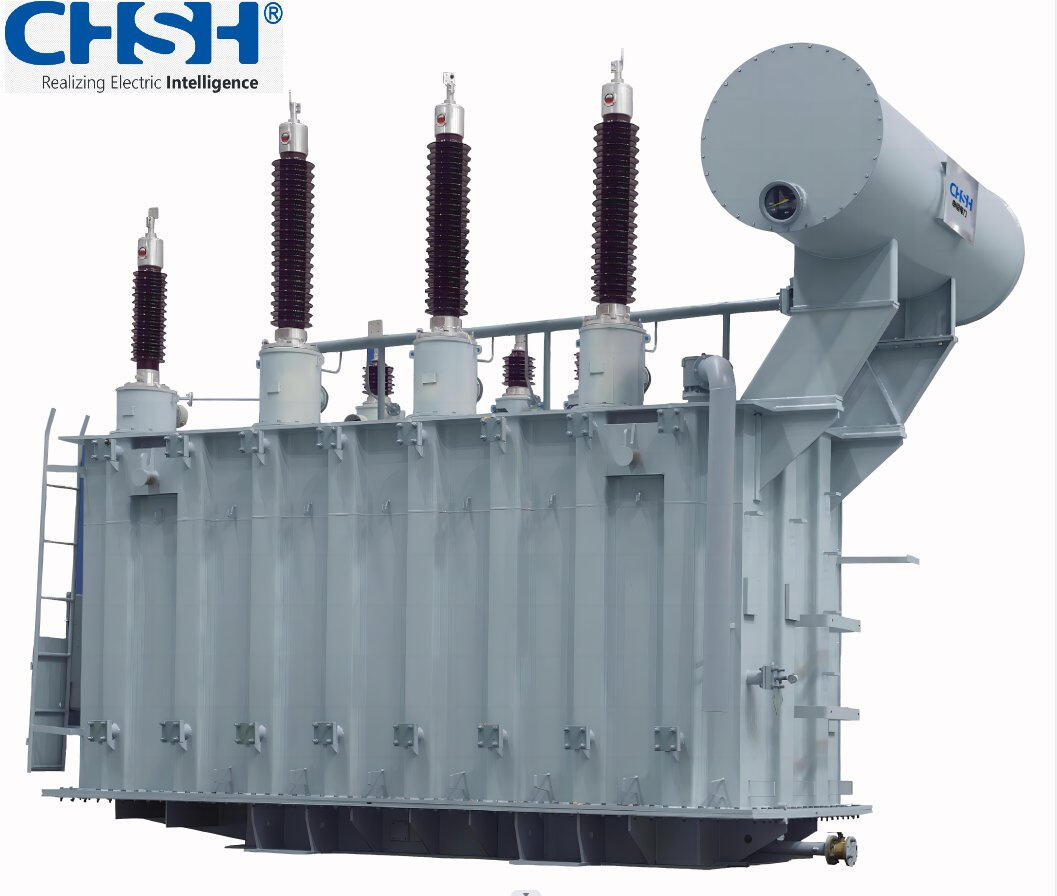
Power transmission losses represent one of the most significant challenges facing modern electrical utilities, with grid inefficiencies costing billions of dollars annually worldwide. A distribution transformer serves as a critical component in reducing these losses by efficiently stepping down high-voltage electricity to usable levels for end consumers. These sophisticated electrical devices enable utilities to deliver power more effectively while minimizing energy waste throughout the distribution network. Understanding how distribution transformer technology works to combat transmission losses is essential for utility operators seeking to optimize their infrastructure investments and improve overall grid performance.
Understanding Transmission Loss Fundamentals
The Physics Behind Power Loss
Electrical transmission losses occur primarily due to resistance in conductors, which converts electrical energy into heat according to Joule's law. When electricity travels through power lines, the current encounters resistance from the conductor material, typically aluminum or copper. This resistance increases proportionally with distance and inversely with the cross-sectional area of the conductor. A distribution transformer addresses this challenge by enabling power transmission at higher voltages, which significantly reduces current levels and subsequent resistive losses.
The relationship between voltage, current, and power follows Ohm's law principles, where power equals voltage multiplied by current. When utilities can transmit the same amount of power at higher voltages, the corresponding current decreases proportionally. Since power losses are proportional to the square of the current, even modest increases in transmission voltage can yield dramatic reductions in energy waste. Distribution transformer technology exploits this fundamental relationship to optimize power delivery efficiency across electrical networks.
Economic Impact of Transmission Losses
Transmission and distribution losses typically account for 8-15% of total electrical generation in most developed countries, representing enormous economic costs for utilities and consumers alike. These losses translate directly into higher electricity prices, reduced profit margins for utility companies, and increased environmental impact from additional power generation requirements. A well-designed distribution transformer system can reduce these losses by 2-4 percentage points, resulting in millions of dollars in annual savings for large utilities.
Beyond direct cost savings, reduced transmission losses provide utilities with additional capacity within existing infrastructure without requiring new generation facilities or transmission lines. This capacity enhancement becomes increasingly valuable as electricity demand continues growing and utilities face mounting pressure to upgrade aging grid infrastructure. Distribution transformer efficiency improvements offer utilities a cost-effective pathway to enhance system capacity while simultaneously reducing operational expenses.
Distribution Transformer Technology and Loss Reduction
Voltage Transformation Principles
The primary mechanism through which a distribution transformer reduces transmission losses involves stepping down high transmission voltages to lower distribution levels appropriate for local networks. High-voltage transmission lines, typically operating between 69kV and 765kV, enable utilities to transport large amounts of power over long distances with minimal current flow. Distribution transformer stations then reduce these voltages to medium levels, usually between 4kV and 35kV, for local distribution networks.
This voltage transformation process allows utilities to optimize their transmission strategy by maintaining high voltages where power travels long distances and stepping down to appropriate levels as electricity approaches end users. Each voltage reduction stage through distribution transformer equipment enables utilities to balance efficiency with safety requirements and equipment costs. The strategic placement of distribution transformer installations throughout the grid creates an optimal voltage profile that minimizes total system losses.
Core Loss Minimization Technologies
Modern distribution transformer designs incorporate advanced materials and construction techniques specifically engineered to minimize internal losses. High-grade silicon steel cores with optimized grain orientation reduce hysteresis and eddy current losses, while improved insulation systems enable higher operating efficiency. These technological advances in distribution transformer manufacturing have resulted in efficiency ratings exceeding 99% for many applications.
Copper windings with optimized conductor geometry further enhance efficiency by minimizing resistive losses within the transformer itself. Advanced cooling systems, including forced air and oil circulation designs, maintain optimal operating temperatures that preserve efficiency and extend equipment lifespan. These internal efficiency improvements compound the transmission loss reductions achieved through voltage optimization, creating synergistic benefits for overall grid performance.
Strategic Placement and Grid Optimization
Network Topology Considerations
The strategic placement of distribution transformer installations throughout electrical networks plays a crucial role in minimizing transmission losses. Utilities must carefully analyze load patterns, transmission distances, and voltage requirements to determine optimal transformer locations and capacities. Placing distribution transformer equipment closer to load centers reduces the distance that lower-voltage electricity must travel, thereby minimizing resistive losses in distribution circuits.
Advanced grid modeling software enables utilities to simulate various distribution transformer placement scenarios and identify configurations that minimize total system losses. These analyses consider factors such as load growth projections, seasonal demand variations, and equipment reliability requirements. The resulting optimization strategies often involve deploying multiple smaller distribution transformer units rather than fewer large installations, enabling utilities to better match capacity with local demand patterns.
Load Management and Peak Shaving
Distribution transformer systems enable utilities to implement sophisticated load management strategies that reduce peak demand and associated transmission losses. By strategically controlling voltage levels during high-demand periods, utilities can reduce total system load without compromising service quality. This voltage regulation capability allows distribution transformer operators to flatten peak demand curves and improve overall grid efficiency.
Smart grid technologies integrated with modern distribution transformer installations provide real-time monitoring and control capabilities that enable dynamic loss optimization. These systems automatically adjust voltage levels based on current load conditions, weather patterns, and equipment status. The resulting adaptive grid management significantly reduces transmission losses while maintaining high reliability and power quality standards.
Advanced Distribution Transformer Applications
Smart Grid Integration
Contemporary distribution transformer designs increasingly incorporate smart grid technologies that enable real-time monitoring, control, and optimization of grid operations. These intelligent systems provide utilities with detailed visibility into power flows, voltage levels, and equipment performance throughout their networks. Smart distribution transformer installations can automatically adjust operations to minimize losses while maintaining power quality and reliability standards.
Communication capabilities built into modern distribution transformer equipment enable coordination between multiple installations to optimize overall grid performance. This networked approach allows utilities to implement system-wide loss reduction strategies that consider interactions between different parts of their electrical infrastructure. The resulting optimization benefits extend beyond individual transformer efficiency to encompass entire distribution networks.
Renewable Energy Integration
The growing integration of renewable energy sources presents both challenges and opportunities for distribution transformer applications in loss reduction. Solar and wind installations often require specialized distribution transformer configurations to efficiently connect distributed generation resources to utility grids. These applications must handle bidirectional power flows and variable generation patterns while maintaining optimal efficiency levels.
Advanced distribution transformer designs specifically engineered for renewable energy applications incorporate features such as enhanced voltage regulation capabilities and improved harmonic filtering. These specialized transformers help utilities integrate distributed generation resources while maintaining grid stability and minimizing transmission losses. The result is a more resilient and efficient electrical grid that can accommodate diverse generation sources.
Maintenance and Performance Optimization
Preventive Maintenance Strategies
Regular maintenance of distribution transformer equipment is essential for preserving efficiency and minimizing transmission losses over the equipment's operational lifespan. Utilities implement comprehensive maintenance programs that include oil analysis, thermal monitoring, and electrical testing to identify potential issues before they impact performance. These preventive strategies help maintain optimal efficiency levels while extending equipment life and reducing replacement costs.
Condition-based maintenance approaches utilize advanced monitoring technologies to assess distribution transformer health and performance in real-time. These systems track key parameters such as oil temperature, moisture content, and dissolved gas concentrations to predict maintenance needs and optimize service intervals. The resulting maintenance strategies minimize downtime while ensuring that distribution transformer installations continue operating at peak efficiency.
Performance Monitoring and Analytics
Modern utilities employ sophisticated monitoring and analytics systems to track distribution transformer performance and identify opportunities for loss reduction improvements. These systems collect data on power flows, voltage levels, and efficiency metrics to provide comprehensive visibility into grid operations. Advanced analytics algorithms process this data to identify patterns and trends that indicate optimization opportunities.
Machine learning technologies increasingly support distribution transformer optimization by identifying subtle patterns in operational data that human analysts might miss. These intelligent systems can predict optimal operating parameters for different load conditions and automatically adjust distribution transformer settings to minimize losses. The resulting continuous optimization significantly improves overall grid efficiency and reduces operational costs.
Future Developments and Innovations
Emerging Technologies
Research and development efforts continue advancing distribution transformer technology to achieve even greater efficiency and loss reduction capabilities. Superconducting materials show promise for eliminating resistive losses entirely in certain applications, while advanced magnetic materials offer improved core efficiency. These emerging technologies could revolutionize distribution transformer performance and enable utilities to achieve unprecedented efficiency levels.
Solid-state transformer technologies represent another promising development area for future distribution transformer applications. These electronic devices offer enhanced control capabilities and potentially higher efficiency compared to traditional electromagnetic transformers. While still in development phases, solid-state distribution transformer designs could provide utilities with new tools for optimizing grid operations and minimizing transmission losses.
Grid Modernization Trends
The ongoing modernization of electrical grids worldwide creates new opportunities for distribution transformer technology to contribute to loss reduction efforts. Microgrids and distributed energy resources require sophisticated distribution transformer solutions that can handle complex power flows while maintaining high efficiency. These evolving grid architectures demand flexible and intelligent distribution transformer systems that can adapt to changing operational requirements.
Energy storage integration presents additional opportunities for distribution transformer applications in loss reduction. Battery systems connected through distribution transformer installations can help utilities optimize power flows and reduce peak demand, resulting in lower transmission losses. These integrated systems enable utilities to implement advanced grid management strategies that maximize efficiency while maintaining reliability and power quality.
FAQ
How much can a distribution transformer reduce transmission losses?
A properly designed and strategically placed distribution transformer system can reduce transmission losses by 2-4 percentage points compared to less optimized configurations. The actual reduction depends on factors such as grid topology, load patterns, and equipment efficiency ratings. Modern high-efficiency distribution transformer installations typically achieve internal efficiency ratings exceeding 99%, while their voltage optimization capabilities provide additional system-wide loss reductions.
What factors determine optimal distribution transformer placement?
Optimal distribution transformer placement depends on load center locations, transmission distances, voltage requirements, and local grid topology. Utilities use advanced modeling software to analyze these factors and determine configurations that minimize total system losses. Key considerations include proximity to major load centers, available transmission capacity, equipment costs, and reliability requirements.
How do smart grid technologies enhance distribution transformer efficiency?
Smart grid technologies enhance distribution transformer efficiency through real-time monitoring, automated control systems, and coordinated optimization across multiple installations. These systems can automatically adjust voltage levels based on current conditions, implement dynamic load management strategies, and optimize power flows to minimize losses. The result is continuous efficiency optimization that adapts to changing grid conditions.
What maintenance practices are essential for maintaining distribution transformer efficiency?
Essential maintenance practices include regular oil analysis, thermal monitoring, electrical testing, and condition-based assessments using advanced monitoring technologies. Preventive maintenance programs help identify potential issues before they impact efficiency, while predictive analytics can optimize maintenance schedules to minimize downtime and preserve optimal performance throughout the equipment's operational lifespan.
Table of Contents
- Understanding Transmission Loss Fundamentals
- Distribution Transformer Technology and Loss Reduction
- Strategic Placement and Grid Optimization
- Advanced Distribution Transformer Applications
- Maintenance and Performance Optimization
- Future Developments and Innovations
-
FAQ
- How much can a distribution transformer reduce transmission losses?
- What factors determine optimal distribution transformer placement?
- How do smart grid technologies enhance distribution transformer efficiency?
- What maintenance practices are essential for maintaining distribution transformer efficiency?