
 EN
EN
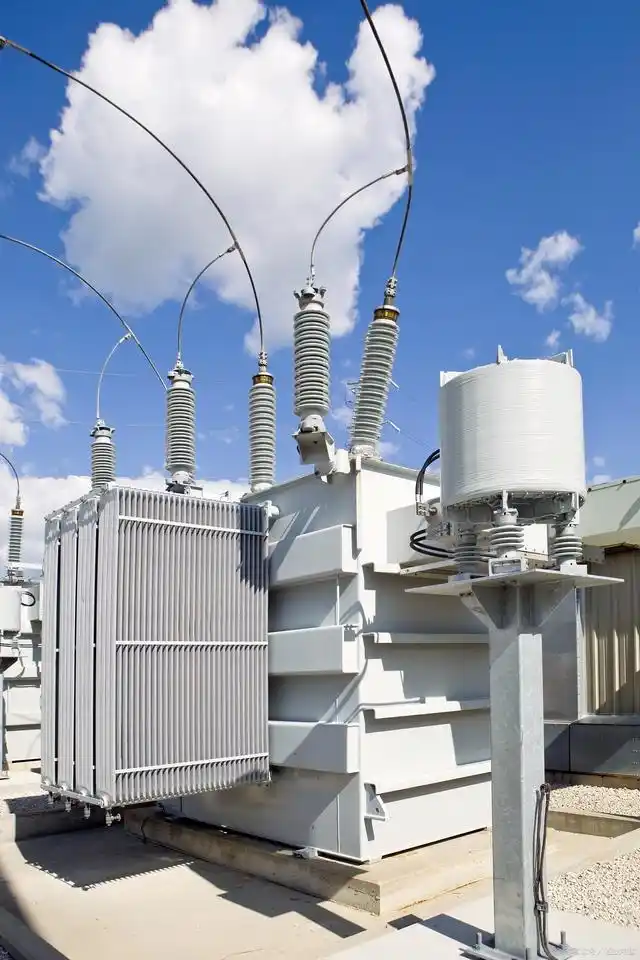
Distribution transformer sizing represents one of the most critical decisions in electrical power system design, directly impacting operational efficiency, cost management, and long-term reliability. Engineers must carefully evaluate numerous load conditions to ensure optimal transformer selection that meets both current demands and future expansion requirements. Understanding these load characteristics enables utilities and industrial facilities to make informed decisions that balance performance with economic considerations.
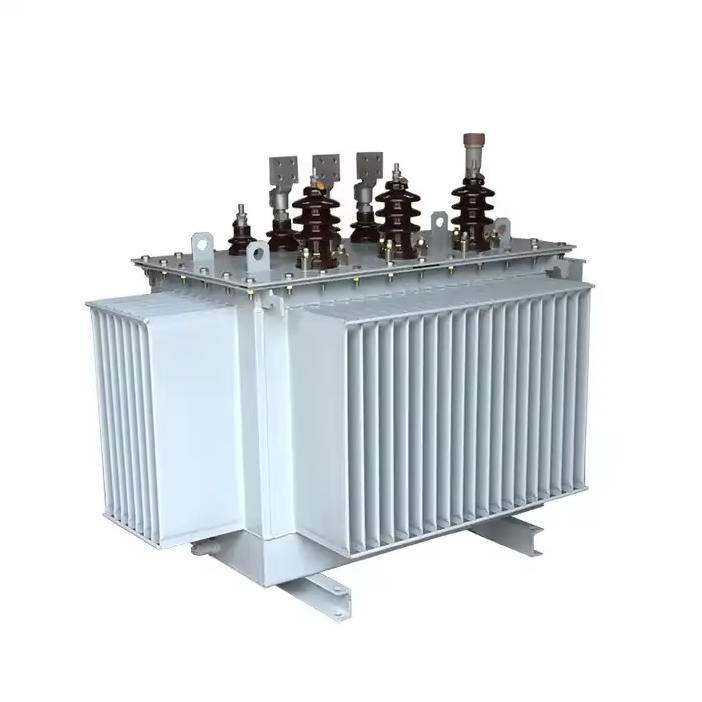
Peak Load Analysis and Demand Patterns
Understanding Maximum Demand Requirements
Peak load analysis forms the foundation of effective distribution transformer sizing decisions. Maximum demand represents the highest electrical load that the transformer must handle during normal operation, typically occurring during specific periods when multiple loads operate simultaneously. This peak demand directly influences the transformer's kVA rating selection, as undersized units will experience overloading conditions that reduce lifespan and efficiency.
Electrical engineers must analyze historical load data spanning multiple years to identify authentic peak demand patterns. These patterns often vary seasonally, with summer air conditioning loads or winter heating requirements creating distinct peaks. Industrial facilities may experience peak demands during shift changes or production cycles, while commercial buildings typically see maximum loads during business hours. Accurate peak load assessment ensures distribution transformer sizing accommodates real-world operating conditions without compromising system reliability.
Load Growth Projections and Future Expansion
Future load growth projections significantly impact distribution transformer sizing calculations, requiring engineers to anticipate electrical demand increases over the transformer's operational lifetime. Industrial expansion, population growth, and technological advancement contribute to steadily increasing electrical loads that must be accommodated within the initial transformer design. Conservative growth estimates typically range from 2% to 5% annually, depending on the specific application and local development patterns.
Distribution transformer sizing must incorporate reasonable safety margins to handle unexpected load increases without requiring premature replacement. Many utilities apply a 20-25% capacity buffer above calculated peak loads to accommodate growth and maintain operational flexibility. This approach prevents costly transformer upgrades and ensures reliable service during peak demand periods that exceed original projections.
Load Factor and Diversity Considerations
Calculating Load Factor Impact on Sizing
Load factor represents the ratio between average load and peak load over a specific time period, providing crucial insights for distribution transformer sizing optimization. High load factor applications maintain relatively constant electrical demand throughout operating periods, while low load factor systems experience significant variations between peak and average consumption. This characteristic directly influences transformer efficiency calculations and cooling requirements.
Transformers serving high load factor applications benefit from improved capacity utilization and enhanced operational economics. Industrial processes with consistent power requirements typically exhibit load factors exceeding 70%, enabling more aggressive distribution transformer sizing approaches. Conversely, residential or commercial applications often display load factors between 30-50%, requiring more conservative sizing to handle intermittent peak demands without overloading.
Diversity Factor Applications in Sizing Decisions
Diversity factor acknowledges that not all connected loads operate simultaneously at maximum capacity, allowing for more economical distribution transformer sizing in multi-load applications. This factor varies significantly based on load types, operating schedules, and user behaviors. Residential neighborhoods typically exhibit diversity factors of 0.6-0.8, while industrial facilities may approach unity diversity during peak production periods.
Proper diversity factor application prevents transformer oversizing while maintaining adequate capacity for realistic operating scenarios. Engineers must carefully analyze load characteristics, operational patterns, and usage statistics to determine appropriate diversity factors for specific applications. Conservative diversity factor estimates ensure distribution transformer sizing provides sufficient capacity during worst-case scenarios while optimizing initial investment costs.
Environmental and Operating Conditions
Ambient Temperature Effects on Capacity
Ambient temperature conditions significantly influence distribution transformer sizing requirements due to their direct impact on cooling efficiency and thermal performance. Standard transformer ratings assume specific ambient temperatures, typically 30°C average with 40°C maximum daily temperature. Operating environments exceeding these conditions require capacity derating or enhanced cooling systems to maintain safe operating temperatures.
High ambient temperature locations necessitate conservative distribution transformer sizing approaches to prevent thermal damage and ensure reliable operation. Desert installations, industrial facilities with high ambient heat, or inadequately ventilated enclosures may require 10-20% capacity derating compared to standard conditions. Alternatively, enhanced cooling systems or higher-temperature-rated insulation materials can maintain full capacity in challenging thermal environments.
Altitude and Environmental Factors
Installation altitude affects distribution transformer sizing through reduced air density and decreased cooling effectiveness. Installations above 1000 meters typically require capacity derating due to reduced convective cooling and lower dielectric strength of air insulation. Standard derating factors apply 0.5% capacity reduction per 100-meter elevation increase above 1000 meters.
Additional environmental factors including humidity, pollution levels, and seismic requirements influence transformer selection and sizing decisions. Coastal installations face salt contamination challenges, while industrial environments may experience chemical exposure or excessive dust accumulation. These conditions may necessitate specialized enclosures, enhanced protection ratings, or conservative distribution transformer sizing to ensure long-term reliability and performance.
Power Quality and Harmonic Considerations
Harmonic Distortion Impact on Transformer Capacity
Harmonic distortion from non-linear loads significantly affects distribution transformer sizing requirements due to additional heating effects and reduced effective capacity. Variable frequency drives, electronic equipment, and LED lighting systems generate harmonic currents that increase transformer losses beyond fundamental frequency calculations. These harmonics necessitate capacity derating or specialized transformer designs to handle the additional thermal stress.
K-factor ratings quantify a transformer's ability to handle harmonic loads, with higher K-factors indicating greater harmonic handling capability. Distribution transformer sizing must account for expected harmonic levels in the connected loads, with typical derating factors ranging from 5-15% for moderate harmonic environments. Severe harmonic applications may require specialized harmonic-mitigating transformers or additional capacity margins to ensure reliable operation.
Power Factor Correction Requirements
Power factor characteristics of connected loads influence distribution transformer sizing through reactive power demands that don't contribute to useful work but still require transformer capacity. Low power factor loads increase apparent power requirements, necessitating larger transformer ratings to handle the same real power output. Industrial facilities with motor-heavy loads often experience power factors between 0.7-0.8 without correction.
Power factor correction equipment can reduce apparent power demands and enable more economical distribution transformer sizing decisions. Capacitor banks or active power factor correction systems improve power factor to 0.95 or higher, reducing transformer kVA requirements for the same real power load. This approach optimizes transformer utilization and may allow smaller transformer selection while maintaining adequate capacity for actual power requirements.
Economic and Lifecycle Cost Analysis
Initial Investment Versus Operating Costs
Distribution transformer sizing decisions must balance initial purchase costs against long-term operating expenses to achieve optimal economic outcomes. Larger transformers typically cost more initially but may provide better efficiency and reduced losses over their operational lifetime. Conversely, minimum-sized transformers reduce upfront investment but may experience higher operating costs due to increased losses and potential overloading conditions.
Lifecycle cost analysis incorporates energy costs, maintenance requirements, and replacement timing to determine the most economical distribution transformer sizing approach. Energy-efficient transformers with premium pricing may provide superior long-term value through reduced no-load and load losses. Utility rate structures, energy costs, and expected service life significantly influence these economic calculations and optimal sizing decisions.
Reliability and Maintenance Cost Implications
Transformer reliability directly correlates with proper sizing relative to actual load demands, with oversized units typically experiencing longer service life and reduced maintenance requirements. Conservative distribution transformer sizing provides operational margins that reduce thermal stress, extend insulation life, and minimize failure risks. This approach may justify higher initial costs through reduced maintenance expenses and improved system reliability.
Maintenance cost considerations include routine inspections, oil analysis, cooling system maintenance, and potential emergency repairs. Properly sized transformers operating within design parameters require less frequent maintenance and experience fewer unexpected failures. Emergency transformer replacement costs, including expedited procurement and installation, often exceed the premium for initially selecting adequately sized equipment with appropriate safety margins.
FAQ
What safety margin should be included in distribution transformer sizing calculations?
Most engineering standards recommend a 20-25% safety margin above calculated peak load for distribution transformer sizing. This margin accommodates load growth, measurement uncertainties, and unexpected demand increases while ensuring reliable operation. Industrial applications may require larger margins due to potential process expansion or equipment additions.
How do seasonal load variations affect transformer sizing requirements?
Seasonal variations create distinct peak demand patterns that must be considered in distribution transformer sizing decisions. Summer air conditioning loads or winter heating requirements often represent annual peak demands that determine minimum transformer capacity. Engineers must analyze multi-year load data to identify true seasonal peaks and size transformers accordingly.
Can multiple smaller transformers replace one large transformer for improved flexibility?
Multiple smaller transformers can provide operational advantages including redundancy, load segregation, and staged installation capability. However, this approach typically increases total installation costs, requires more complex protection schemes, and may reduce overall efficiency compared to single large units. The decision depends on specific application requirements and reliability priorities.
What role does load type play in distribution transformer sizing decisions?
Load type significantly influences distribution transformer sizing through different operational characteristics including starting currents, harmonic generation, and power factor requirements. Motor loads create high inrush currents requiring additional capacity, while electronic loads generate harmonics necessitating specialized transformer designs or derating factors. Understanding load characteristics enables more accurate sizing decisions.
Table of Contents
- Peak Load Analysis and Demand Patterns
- Load Factor and Diversity Considerations
- Environmental and Operating Conditions
- Power Quality and Harmonic Considerations
- Economic and Lifecycle Cost Analysis
-
FAQ
- What safety margin should be included in distribution transformer sizing calculations?
- How do seasonal load variations affect transformer sizing requirements?
- Can multiple smaller transformers replace one large transformer for improved flexibility?
- What role does load type play in distribution transformer sizing decisions?