
 EN
EN
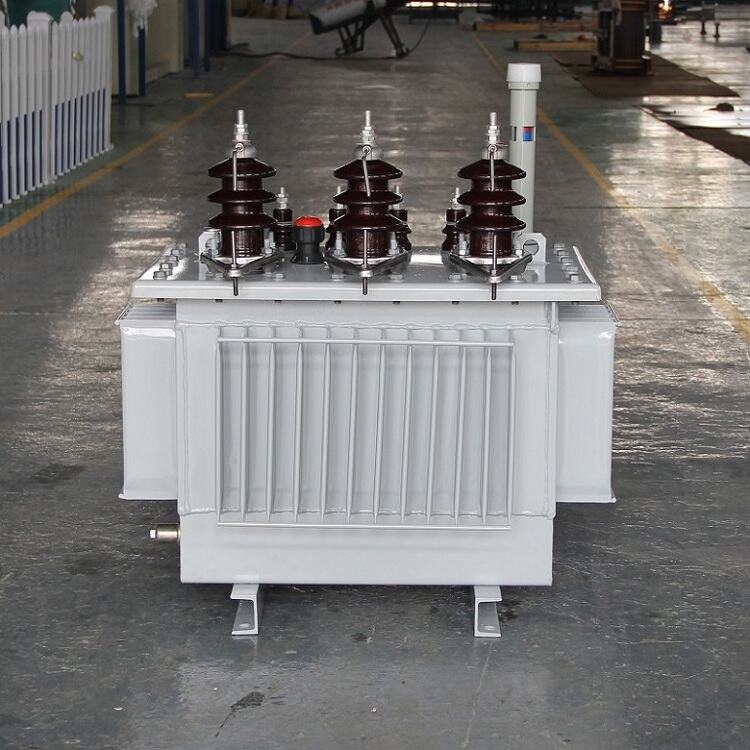
The modern electrical grid relies heavily on sophisticated equipment to ensure reliable power delivery from generation facilities to end consumers. Among the most critical components in this complex network is the distribution transformer, which serves as the essential link between high-voltage transmission systems and low-voltage distribution networks. These devices play a fundamental role in stepping down voltage levels to make electricity safe and usable for residential, commercial, and industrial applications throughout regional power systems.
Regional power systems face increasing demands for efficiency, reliability, and cost-effectiveness as urbanization continues to expand and energy consumption patterns evolve. The strategic placement and proper operation of distribution transformers directly impacts the overall performance of these systems, influencing everything from power quality to operational costs. Understanding how these critical components support efficient power delivery requires examining their technical specifications, operational characteristics, and integration within broader electrical infrastructure networks.
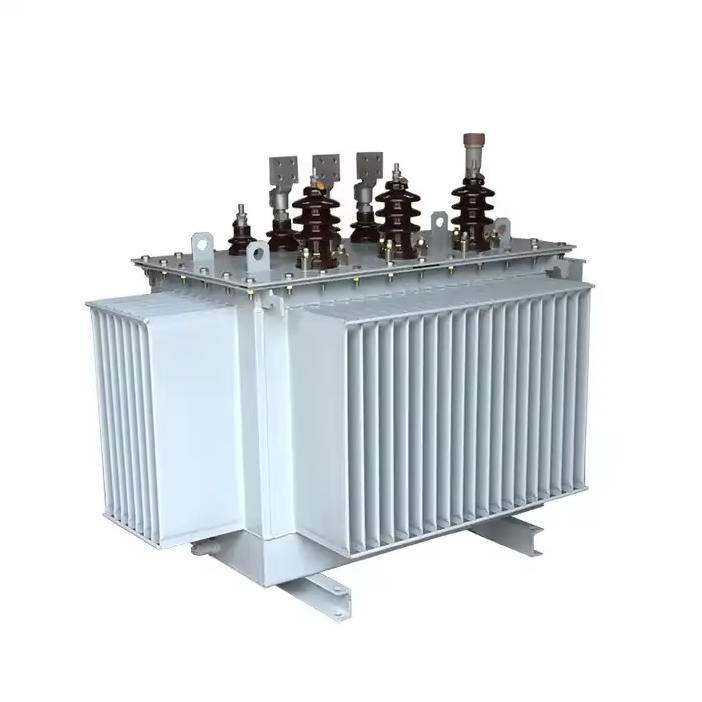
Understanding Distribution Transformer Fundamentals
Core Operating Principles and Design Features
A distribution transformer operates on the fundamental principle of electromagnetic induction, utilizing primary and secondary windings wrapped around a magnetic core to transfer electrical energy between different voltage levels. The magnetic core, typically constructed from high-grade silicon steel laminations, provides the necessary magnetic flux path while minimizing energy losses through eddy currents and hysteresis effects. The winding configuration determines the transformation ratio, which directly correlates to the voltage step-down capability required for specific applications within regional distribution networks.
The insulation system represents another critical aspect of distribution transformer design, particularly for outdoor installations where environmental factors significantly impact operational reliability. Modern units incorporate advanced insulation materials and techniques to withstand temperature fluctuations, moisture exposure, and electrical stress over extended service periods. The cooling system, whether natural air cooling or oil immersion, plays a vital role in maintaining optimal operating temperatures and extending equipment lifespan while ensuring consistent performance under varying load conditions.
Technical Specifications and Performance Characteristics
Distribution transformers are typically rated for voltage levels ranging from 4.16 kV to 34.5 kV on the primary side, with secondary voltages commonly configured for 120V, 240V, 277V, or 480V depending on end-user requirements. Power ratings generally span from 25 kVA to several thousand kVA, with selection criteria based on anticipated load demands, future growth projections, and system redundancy requirements. The impedance characteristics of each distribution transformer directly influence short-circuit current levels and protective device coordination throughout the regional power system.
Efficiency ratings for modern distribution transformers typically exceed 98% at rated load conditions, with some high-efficiency models achieving 99% or higher performance levels. These efficiency improvements translate directly into reduced energy losses, lower operational costs, and decreased environmental impact over the equipment's operational lifetime. Load loss and no-load loss specifications provide essential data for calculating total ownership costs and determining optimal sizing strategies for specific applications within regional distribution networks.
Strategic Integration in Regional Power Systems
Network Configuration and Load Distribution
Regional power systems utilize various network configurations to optimize reliability and efficiency, with distribution transformers serving as critical nodes within these architectures. Radial distribution systems employ transformers at strategic points to serve specific geographic areas or load clusters, providing cost-effective solutions for areas with relatively stable load patterns. Network systems incorporate multiple transformers with interconnected secondary circuits, enhancing reliability and load-sharing capabilities in high-density urban environments where power continuity is essential.
The placement strategy for each distribution transformer considers factors including load density, geographic constraints, accessibility for maintenance operations, and future expansion requirements. Optimal positioning minimizes voltage drop across distribution circuits while maintaining adequate fault current levels for protective device operation. Load forecasting methodologies help utilities determine appropriate transformer sizing and placement to accommodate growth patterns while avoiding premature equipment replacement or capacity constraints.
System Protection and Reliability Enhancement
Distribution transformers incorporate various protection schemes to maintain system reliability and prevent damage from fault conditions or operational anomalies. Primary protection typically includes fused cutouts or circuit breakers that isolate the transformer during overcurrent conditions, while secondary protection may involve low-voltage circuit breakers or fused disconnects. Lightning arresters provide essential surge protection, particularly for outdoor installations exposed to atmospheric disturbances that could damage sensitive winding insulation.
Modern distribution transformer installations increasingly incorporate monitoring and control systems that provide real-time operational data to utility control centers. These systems track parameters including load current, voltage levels, oil temperature, and operational status, enabling proactive maintenance scheduling and rapid response to developing issues. Advanced monitoring capabilities support predictive maintenance strategies that extend equipment life while reducing unplanned outages and associated service disruptions.
Efficiency Optimization and Performance Enhancement
Load Management and Capacity Utilization
Efficient regional power system delivery depends heavily on proper load management strategies that maximize distribution transformer utilization while maintaining adequate reserve capacity for peak demand periods. Load diversity factors enable utilities to size transformers based on realistic demand patterns rather than simple load addition, resulting in more economical installations with improved capacity utilization rates. Demand response programs and load control technologies help flatten peak demand curves, allowing existing distribution transformers to serve larger customer bases without requiring capacity upgrades.
Transformer loading guidelines establish safe operating limits that balance efficiency optimization with equipment protection requirements. Operating distribution transformers at optimal load levels maximizes efficiency while minimizing losses, but excessive loading can accelerate aging and reduce service life. Load transfer capabilities between adjacent transformers provide operational flexibility during maintenance periods or emergency conditions, ensuring continued service reliability throughout regional distribution networks.
Energy Loss Reduction and Cost Management
Energy losses in distribution transformers contribute significantly to overall system inefficiency and operational costs across regional power networks. No-load losses occur continuously regardless of loading conditions, while load losses vary with the square of the current flow through transformer windings. Modern distribution transformer designs incorporate advanced materials and construction techniques that minimize both loss components, resulting in substantial energy savings over typical 30-40 year service lives.
Cost-benefit analyses comparing initial equipment costs with long-term energy savings help utilities select optimal efficiency levels for specific applications. Higher efficiency distribution transformers typically require greater initial investment but provide substantial savings through reduced energy losses over their operational lifetime. Total cost of ownership calculations consider factors including purchase price, installation costs, energy losses, maintenance requirements, and end-of-life disposal costs to determine the most economical solutions for regional power system applications.
Environmental Considerations and Sustainability
Environmental Impact Assessment and Mitigation
The environmental impact of distribution transformers extends beyond energy efficiency considerations to include materials selection, manufacturing processes, and end-of-life disposal requirements. Oil-filled units require careful attention to containment systems and spill prevention measures, particularly in environmentally sensitive areas where potential contamination could have significant ecological consequences. Dry-type distribution transformers eliminate oil-related environmental concerns but may require different installation and ventilation considerations to maintain optimal operating conditions.
Recycling programs for distribution transformer materials, including copper windings, steel cores, and insulating oils, contribute to sustainability objectives while recovering valuable materials for reuse in new equipment manufacturing. Advanced materials and construction techniques reduce the environmental footprint of modern transformers while improving performance characteristics and extending service life. Life cycle assessment methodologies help utilities evaluate the total environmental impact of different transformer technologies and make informed decisions about equipment selection and replacement strategies.
Renewable Energy Integration Support
Regional power systems increasingly incorporate renewable energy sources that create new challenges for distribution transformer applications and operational requirements. Solar photovoltaic installations require distribution transformers capable of handling bidirectional power flow as excess generation is fed back into the distribution network. Wind generation facilities often require specialized transformers designed to accommodate variable loading conditions and power quality considerations associated with intermittent renewable resources.
Smart grid technologies rely heavily on advanced distribution transformer capabilities to support distributed energy resources and demand response programs throughout regional networks. Communication interfaces and monitoring systems enable transformers to participate actively in grid optimization strategies while providing essential data for system operators. Energy storage integration creates additional requirements for distribution transformers that must accommodate charging and discharging cycles while maintaining stable voltage regulation and power quality standards.
Maintenance and Operational Excellence
Preventive Maintenance Strategies and Procedures
Effective maintenance programs are essential for maximizing distribution transformer reliability and service life within regional power systems. Routine inspection procedures include visual examination of external components, electrical connections, and cooling systems to identify potential issues before they develop into serious problems. Oil sampling and analysis for fluid-filled units provide valuable information about internal conditions, including moisture content, dissolved gases, and contamination levels that could indicate developing faults or aging mechanisms.
Thermographic inspections help identify hot spots in connections and components that could lead to equipment failure if not addressed promptly. Electrical testing procedures, including insulation resistance measurements and turns ratio tests, verify continued operational integrity and identify changes that might indicate deteriorating conditions. Documentation of all maintenance activities and test results enables trending analysis that supports predictive maintenance strategies and optimal equipment replacement timing.
Performance Monitoring and Diagnostic Systems
Advanced monitoring systems provide continuous surveillance of critical distribution transformer parameters, enabling utilities to optimize performance and identify potential issues before they result in service interruptions. Load monitoring capabilities track current and voltage levels to ensure operation within design limits while providing data for load forecasting and system planning activities. Temperature monitoring systems alert operators to overheating conditions that could accelerate equipment aging or indicate developing problems requiring immediate attention.
Dissolved gas analysis systems for oil-filled distribution transformers provide early warning of internal faults through continuous monitoring of key gas concentrations. Partial discharge monitoring detects insulation deterioration in its early stages, enabling proactive maintenance interventions that can significantly extend equipment life. Integration of monitoring data with utility management systems supports automated alarm generation and maintenance scheduling while providing valuable operational intelligence for system optimization activities.
FAQ
What factors determine the optimal size for a distribution transformer in regional power systems
The optimal size for a distribution transformer depends on several critical factors including peak load demand, load growth projections, diversity factors, and system voltage levels. Load analysis considers both current consumption patterns and anticipated future requirements to avoid premature capacity limitations. Diversity factors account for the reality that individual loads rarely reach maximum demand simultaneously, allowing for more economical sizing strategies. Geographic considerations, installation constraints, and maintenance accessibility also influence sizing decisions within regional distribution networks.
How do distribution transformers impact overall system efficiency in regional power delivery
Distribution transformers significantly impact overall system efficiency through their energy loss characteristics and operational performance. Modern high-efficiency units minimize both no-load and load losses, reducing total energy consumption and operational costs throughout regional networks. Proper sizing and loading optimization ensures transformers operate at peak efficiency levels while maintaining adequate capacity reserves. The cumulative effect of efficiency improvements across multiple distribution transformers can result in substantial energy savings and reduced environmental impact for entire regional power systems.
What maintenance practices are essential for ensuring reliable distribution transformer operation
Essential maintenance practices for distribution transformers include regular visual inspections, electrical testing, and oil analysis for fluid-filled units. Thermographic surveys identify connection problems and overheating conditions before they cause equipment damage. Load monitoring ensures operation within design limits while tracking performance trends over time. Documentation of all maintenance activities and test results enables predictive maintenance strategies that optimize equipment life and reliability. Emergency response procedures ensure rapid restoration of service following equipment failures or operational anomalies.
How do environmental factors affect distribution transformer performance and reliability
Environmental factors significantly impact distribution transformer performance through temperature effects, moisture exposure, and contamination concerns. High ambient temperatures reduce loading capacity and accelerate aging processes in both oil-filled and dry-type units. Moisture infiltration can compromise insulation integrity and reduce dielectric strength, particularly in outdoor installations. Air quality considerations including salt spray, industrial pollutants, and particulate contamination affect external components and cooling system effectiveness. Proper environmental protection measures and material selection help ensure reliable operation under challenging conditions throughout regional power systems.
Table of Contents
- Understanding Distribution Transformer Fundamentals
- Strategic Integration in Regional Power Systems
- Efficiency Optimization and Performance Enhancement
- Environmental Considerations and Sustainability
- Maintenance and Operational Excellence
-
FAQ
- What factors determine the optimal size for a distribution transformer in regional power systems
- How do distribution transformers impact overall system efficiency in regional power delivery
- What maintenance practices are essential for ensuring reliable distribution transformer operation
- How do environmental factors affect distribution transformer performance and reliability