
 EN
EN
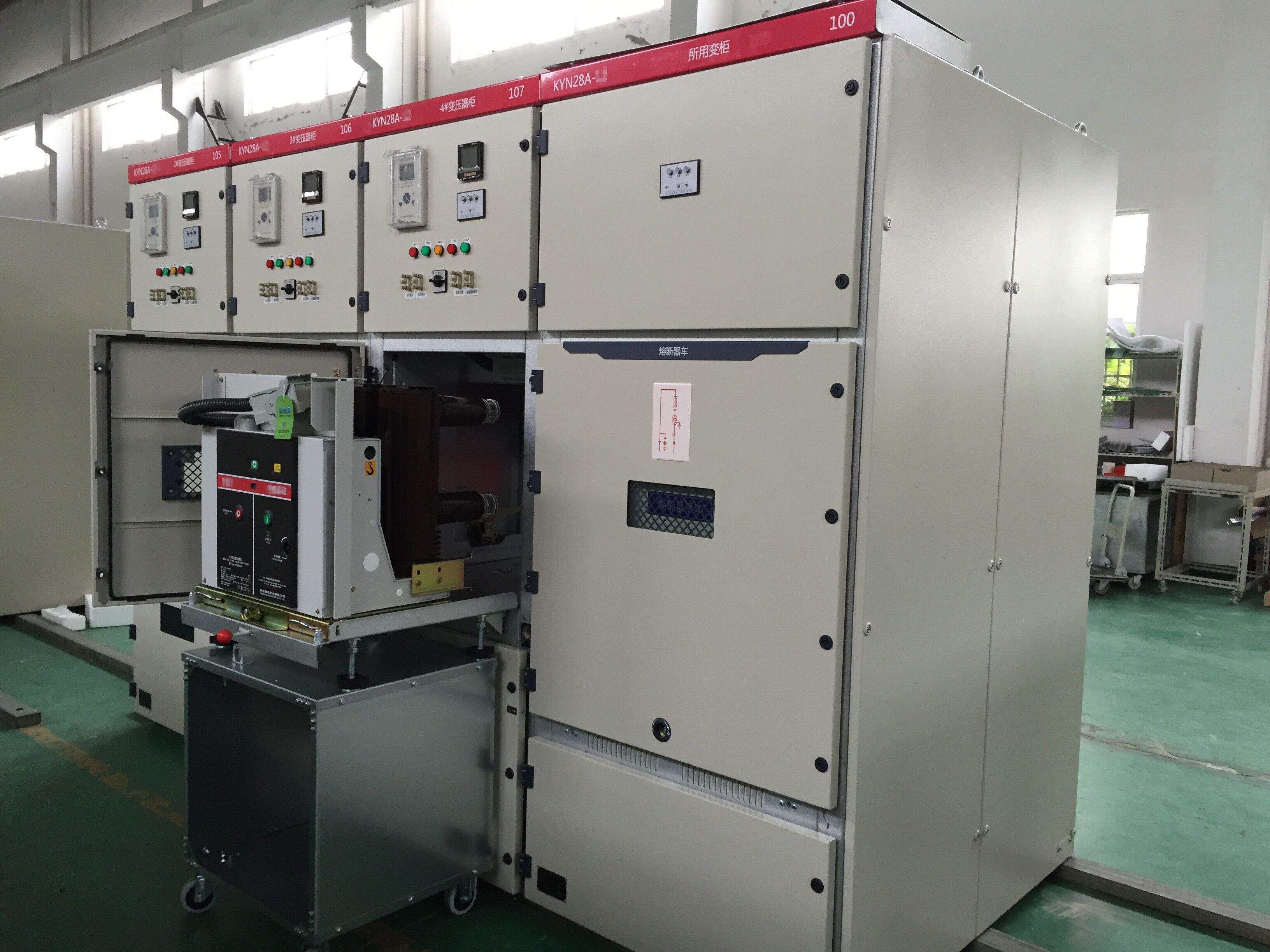
Medium voltage switchgear serves as the critical backbone of electrical power distribution systems, providing essential protection and control mechanisms that ensure both safety and stability across industrial and commercial facilities. This sophisticated electrical equipment operates within the 1kV to 35kV range, managing power flow while safeguarding personnel and equipment from electrical faults, overloads, and dangerous operating conditions that could result in catastrophic failures or safety incidents.
The implementation of medium voltage switchgear involves multiple integrated safety systems and stability mechanisms that work together to maintain continuous power delivery while preventing electrical hazards. Understanding how these systems function reveals the sophisticated engineering principles that enable reliable power distribution in complex electrical networks, from manufacturing plants to data centers and utility substations.
Fundamental Safety Mechanisms in Medium Voltage Switchgear
Arc Fault Protection and Containment
Arc fault protection represents one of the most critical safety functions within medium voltage switchgear systems. When electrical arcs occur due to equipment failure, insulation breakdown, or human error, the switchgear must immediately detect and contain these potentially destructive events. Modern medium voltage switchgear incorporates arc-resistant designs that channel arc energy through designated venting paths, preventing damage to adjacent equipment and protecting personnel in the vicinity.
The arc containment system typically includes pressure relief mechanisms, flame-resistant materials, and specialized ventilation systems that direct dangerous gases and debris away from operating areas. This containment approach ensures that even when internal faults occur, the medium voltage switchgear maintains its protective envelope, preventing cascading failures that could compromise entire electrical systems.
Advanced arc detection systems utilize optical, pressure, and current sensing technologies to identify arc conditions within milliseconds. These rapid detection capabilities enable protective devices to isolate faulted sections before arc energy can cause significant damage or pose safety risks to maintenance personnel.
Interlocking and Access Control Systems
Safety interlocking mechanisms within medium voltage switchgear prevent dangerous operations by ensuring that specific conditions are met before allowing access or switching operations. These mechanical and electrical interlocks create multiple layers of protection that prevent simultaneous access to energized components while maintenance activities are occurring.
The interlocking system typically includes door interlocks that prevent access to live parts when equipment is energized, position interlocks that verify proper component alignment before energization, and sequence interlocks that enforce proper operating procedures. Medium voltage switchgear designs often incorporate Kirk key interlocking systems that require specific key exchanges to ensure safe operating sequences.
Access control extends beyond mechanical interlocks to include visual indication systems that clearly display equipment status, energy levels, and safety conditions. These indication systems help operators and maintenance personnel make informed decisions about safe working practices around medium voltage switchgear installations.
Electrical Stability and System Protection
Fault Current Interruption Capabilities
The ability to safely interrupt fault currents represents a fundamental stability function of medium voltage switchgear. When short circuits or ground faults occur within power systems, the switchgear must rapidly identify these conditions and interrupt the fault current before it can cause equipment damage or system instability.
Circuit breakers within medium voltage switchgear systems are designed to handle specific fault current levels, typically ranging from 25kA to 63kA depending on system requirements. These interrupting capabilities ensure that even under severe fault conditions, the switchgear can safely isolate problematic sections while maintaining power delivery to unaffected portions of the electrical system.
The coordination between protective relays, circuit breakers, and other switching devices creates a comprehensive fault management system. This coordination ensures that only the minimum necessary portion of the electrical system is isolated during fault conditions, maintaining maximum system stability and power availability.
Voltage Regulation and Power Quality Management
Medium voltage switchgear contributes to system stability through voltage regulation and power quality management functions. Voltage regulation devices integrated within switchgear assemblies help maintain consistent voltage levels across distribution networks, preventing equipment damage and ensuring optimal performance of connected loads.
Power quality management includes harmonic filtering, power factor correction, and voltage stabilization functions that work together to maintain clean, stable power delivery. These functions are particularly important in industrial applications where sensitive equipment requires precise voltage and frequency control for proper operation.
The integration of monitoring and control systems within medium voltage switchgear enables real-time assessment of power quality parameters. This monitoring capability allows operators to identify potential stability issues before they affect system performance or reliability.
Environmental and Operational Safety Features
Insulation Systems and Dielectric Strength
The insulation system within medium voltage switchgear provides the fundamental barrier between energized components and accessible surfaces, ensuring personnel safety during normal operations and maintenance activities. These insulation systems must maintain their dielectric strength under various environmental conditions, including temperature variations, humidity, and contamination.
Modern medium voltage switchgear typically utilizes solid dielectric insulation materials that provide superior performance compared to traditional air-insulated designs. These solid insulation systems offer improved reliability, reduced maintenance requirements, and enhanced safety margins that contribute to overall system stability.
The testing and verification of insulation systems ensures that medium voltage switchgear maintains its safety performance throughout its operational lifetime. Regular insulation testing helps identify potential degradation before it compromises safety or system reliability.
Environmental Protection and Sealing
Environmental protection features within medium voltage switchgear ensure reliable operation under diverse conditions while maintaining safety performance. Sealed compartments protect critical components from moisture, dust, and other environmental contaminants that could compromise electrical integrity or create safety hazards.
Ingress protection ratings typically IP54 or higher ensure that medium voltage switchgear can operate safely in industrial environments where dust, moisture, and temperature variations are common. These environmental protections prevent contamination-related failures that could create safety risks or system instability.
Climate control systems within switchgear enclosures help maintain optimal operating temperatures for electrical components, preventing thermal stress that could lead to premature failure or reduced safety margins. These environmental controls contribute to long-term reliability and safety performance.
Advanced Monitoring and Diagnostic Systems
Real-Time Condition Monitoring
Advanced monitoring systems integrated within medium voltage switchgear provide continuous assessment of equipment condition and performance parameters. These monitoring capabilities enable predictive maintenance strategies that identify potential issues before they compromise safety or system stability.
Partial discharge monitoring systems detect insulation degradation in its early stages, allowing maintenance teams to address potential failures before they create safety hazards or system outages. This proactive approach to maintenance helps maintain the safety and reliability performance of medium voltage switchgear installations.
Temperature monitoring throughout switchgear compartments helps identify thermal issues that could indicate loose connections, overloaded components, or ventilation problems. Early detection of thermal anomalies prevents equipment damage and maintains safe operating conditions.
Communication and Integration Capabilities
Modern medium voltage switchgear incorporates sophisticated communication systems that enable integration with broader facility management and control systems. These communication capabilities allow centralized monitoring of multiple switchgear installations, improving overall safety and operational efficiency.
Remote monitoring and control capabilities enable operators to assess switchgear status and make operational decisions without requiring physical presence at equipment locations. This remote capability enhances safety by reducing personnel exposure to electrical hazards during routine operations.
Data logging and trending capabilities within medium voltage switchgear systems provide valuable insights into long-term performance patterns and potential degradation trends. This historical data supports informed maintenance decisions and helps optimize safety and reliability performance.
Design Standards and Compliance Requirements
International Safety Standards
Medium voltage switchgear design and manufacturing must comply with rigorous international safety standards that ensure consistent performance and protection levels across different applications and regions. Standards such as IEC 62271 and IEEE C37 establish comprehensive requirements for safety, performance, and reliability characteristics.
These standards address critical safety aspects including arc fault protection, personnel safety clearances, environmental performance, and operational reliability. Compliance with these standards ensures that medium voltage switchgear provides predictable and reliable safety performance across diverse applications and operating conditions.
Type testing and certification processes verify that medium voltage switchgear designs meet all applicable safety and performance requirements. These testing processes include short-circuit testing, temperature rise testing, and mechanical endurance testing that validate safety and stability performance under extreme conditions.
Installation and Commissioning Requirements
Proper installation and commissioning of medium voltage switchgear is essential for achieving design safety and stability performance. Installation requirements include proper grounding systems, adequate ventilation, appropriate clearances, and correct interconnection with associated electrical systems.
Commissioning procedures verify that all safety systems function correctly and that protective device settings provide appropriate coordination and selectivity. These commissioning activities ensure that medium voltage switchgear installations meet their intended safety and stability objectives from the beginning of their operational life.
Documentation and training requirements ensure that personnel responsible for operating and maintaining medium voltage switchgear understand proper safety procedures and operational limitations. This human factor consideration is critical for maintaining long-term safety and stability performance.
FAQ
How does medium voltage switchgear detect and respond to electrical faults?
Medium voltage switchgear utilizes protective relay systems that continuously monitor electrical parameters including current, voltage, and frequency. When these relays detect abnormal conditions such as overcurrent, undervoltage, or ground faults, they send trip signals to circuit breakers within milliseconds. The circuit breakers then interrupt the fault current using advanced arc extinction techniques, isolating the faulted section while maintaining power to healthy portions of the electrical system.
What safety features protect personnel working around medium voltage switchgear?
Personnel safety is ensured through multiple integrated features including mechanical interlocking systems that prevent access to energized components, arc-resistant designs that contain internal faults, clear visual indicators showing equipment status, and proper grounding systems. Additionally, compartmentalized designs separate different voltage levels and functions, while access control systems require specific procedures and tools to reach live parts, creating multiple barriers against electrical contact.
How does switchgear maintain system stability during load variations?
Medium voltage switchgear maintains system stability through automatic voltage regulation, load transfer capabilities, and power factor correction systems. When load conditions change, voltage regulators adjust tap positions to maintain consistent voltage levels, while automatic transfer switches can redistribute loads between different sources. Additionally, capacitor banks within the switchgear compensate for reactive power variations, helping maintain power factor and system efficiency during varying operational conditions.
What maintenance practices ensure continued safety and reliability performance?
Effective maintenance includes regular inspection of contacts and connections, periodic testing of protective relay settings, verification of interlocking system operation, and assessment of insulation condition through diagnostic testing. Thermal imaging identifies potential hot spots, while partial discharge testing detects insulation degradation. Scheduled maintenance also includes cleaning of insulators, lubrication of mechanical components, and verification of safety systems to ensure continued protection of personnel and equipment throughout the switchgear's operational lifetime.
Table of Contents
- Fundamental Safety Mechanisms in Medium Voltage Switchgear
- Electrical Stability and System Protection
- Environmental and Operational Safety Features
- Advanced Monitoring and Diagnostic Systems
- Design Standards and Compliance Requirements
-
FAQ
- How does medium voltage switchgear detect and respond to electrical faults?
- What safety features protect personnel working around medium voltage switchgear?
- How does switchgear maintain system stability during load variations?
- What maintenance practices ensure continued safety and reliability performance?