interposing current transformer
An interposing current transformer is a specialized electrical device designed to measure and monitor alternating current in power systems while providing galvanic isolation between primary and secondary circuits. This essential component serves as an interface between high-voltage power lines and low-voltage measurement or protection equipment, making it indispensable in modern electrical infrastructure.
The interposing current transformer functions by converting high currents into proportionally lower, measurable currents suitable for instruments, relays, and control systems. Its primary technological features include high accuracy ratings, burden capacity, and excellent linearity across a wide range of operating conditions. The device employs advanced materials and design principles to minimize core saturation and ensure consistent performance throughout its operational lifespan.
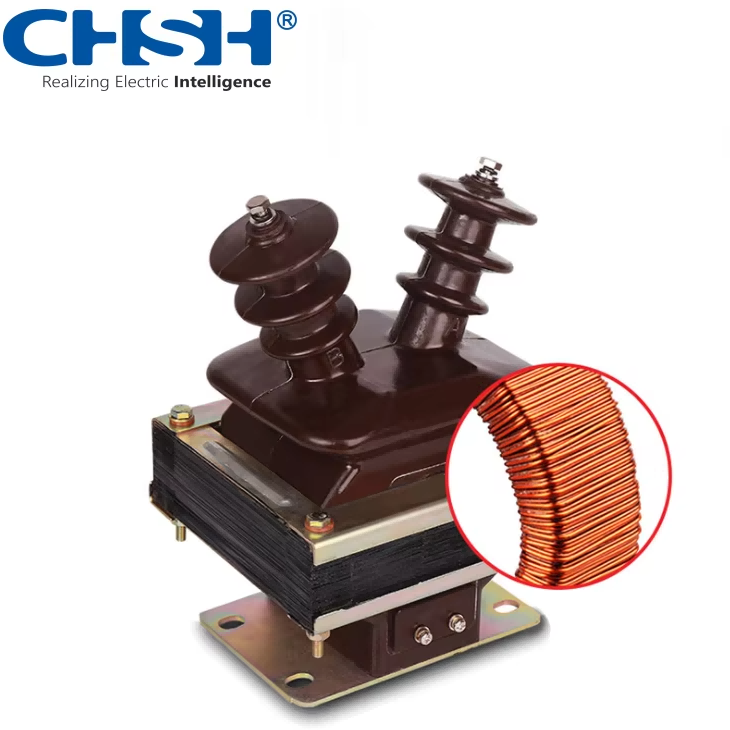
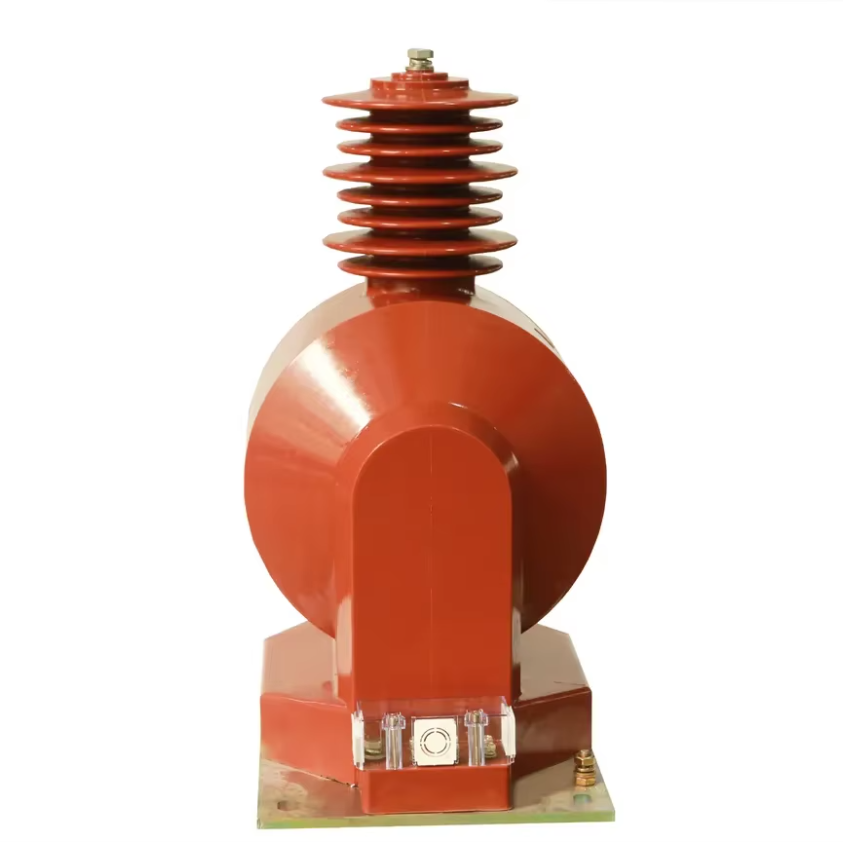
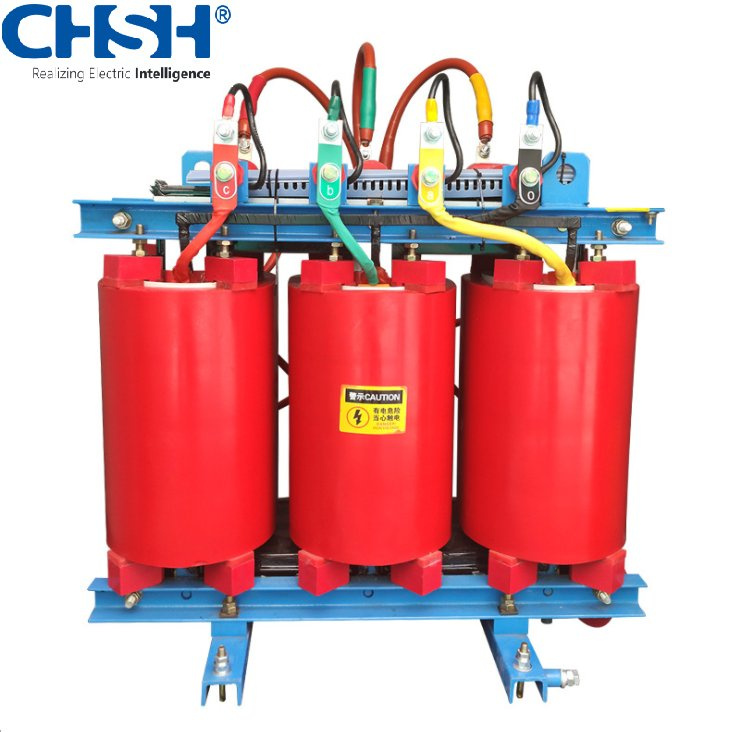
An interposing current transformer typically consists of a ferromagnetic core wound with both primary and secondary coils. The primary winding connects directly to the power circuit, while the secondary winding delivers reduced current to measurement devices. This configuration enables safe and accurate current measurement without interrupting the main power flow.
Applications for the interposing current transformer span across various sectors, including power generation, distribution networks, industrial facilities, and renewable energy installations. These transformers prove particularly valuable in substations, where they support metering systems, protection schemes, and real-time monitoring solutions. The interposing current transformer also plays a crucial role in power quality analysis and fault detection systems, helping utilities maintain grid stability and respond quickly to electrical anomalies. Its reliability and precision make it fundamental to modern electrical operations.

 EN
EN