
 EN
EN
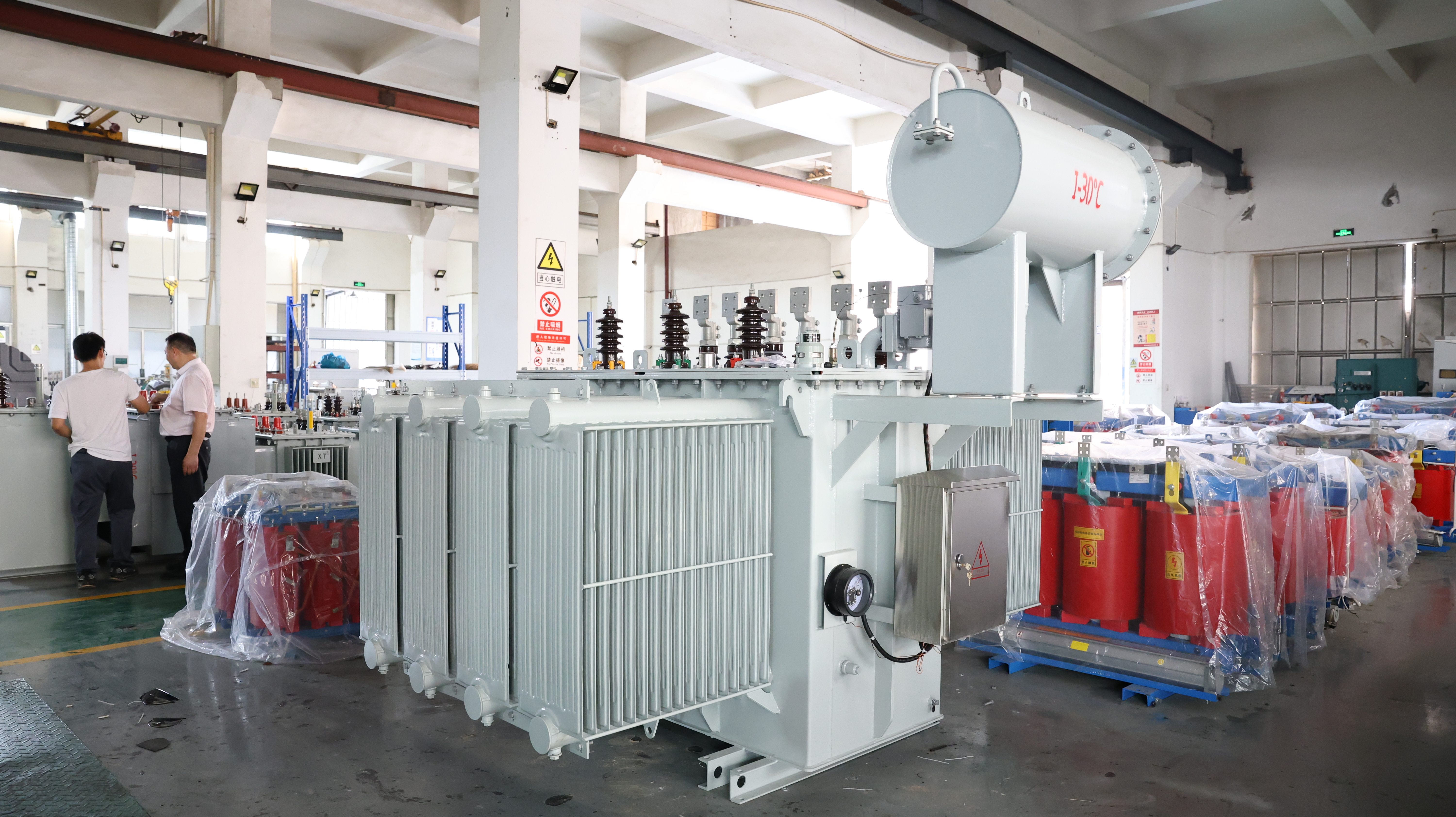
A power transformer is one of the most critical components in any electrical transmission or distribution system. Its fundamental role is to convert voltage levels with minimal energy loss, enabling electricity to travel efficiently from generation points to end users. However, not all power transformers operate at the same level of efficiency. Understanding which factors influence that efficiency is essential for engineers, facility managers, and procurement specialists who need to make informed decisions about equipment selection, installation, and maintenance.
Efficiency in a power transformer is not a fixed value—it is a dynamic outcome shaped by design choices, operating conditions, materials used, and maintenance practices. Even small improvements in transformer efficiency can translate into significant energy savings and reduced operating costs over the lifetime of the equipment, especially in large-scale industrial and utility applications. This article examines the key factors that determine how efficiently a power transformer converts and delivers electrical energy.
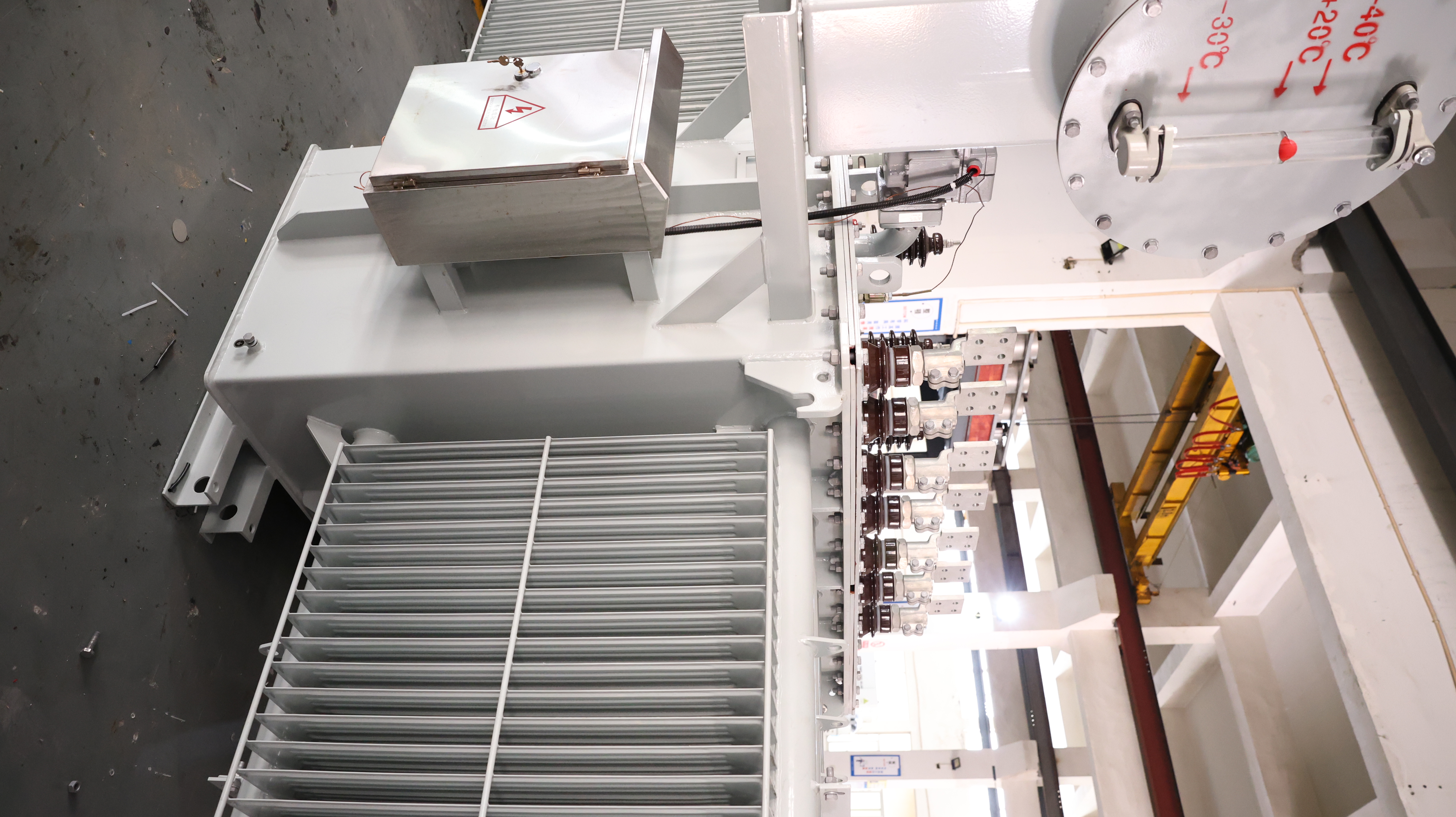
Core Losses and Their Impact on Power Transformer Efficiency
Understanding No-Load Losses in a Power Transformer
Core losses, also referred to as no-load losses, occur whenever a power transformer is energized, regardless of whether it is supplying any load. These losses are present as long as the transformer remains connected to the supply voltage. They are primarily the result of hysteresis and eddy current effects within the magnetic core material.
Hysteresis loss arises from the repeated magnetization and demagnetization of the core material during each AC cycle. The energy dissipated in this process depends heavily on the type and quality of the core material. High-grade silicon steel or amorphous metal alloys are commonly used in modern power transformer designs to minimize hysteresis losses.
Eddy current loss, on the other hand, is caused by circulating currents induced within the core laminations by the alternating magnetic flux. To reduce this effect, transformer cores are built from thin laminated sheets rather than solid metal, limiting the path available for eddy currents. The thinner the lamination, the lower the eddy current losses in the power transformer.
The Role of Core Material Quality
The selection of core material has a direct and measurable impact on the overall efficiency of a power transformer. Cold-rolled grain-oriented (CRGO) silicon steel is the industry standard for most transformer cores because it offers low specific loss and high permeability in the grain orientation direction.
Amorphous metal cores, while more expensive to manufacture, offer dramatically lower hysteresis losses than conventional silicon steel. This makes them particularly attractive in applications where transformers operate continuously at light loads, such as in distribution networks. The efficiency gains from amorphous cores can be significant when evaluated over a transformer's full operational lifetime.
In practice, procurement decisions for a power transformer must weigh the upfront cost of premium core materials against the long-term energy savings they enable. For high-utilization applications, the investment in better core materials almost always delivers a positive return.
Load Losses and Winding Design Considerations
Copper Losses and Load Variation Effects
Unlike core losses, load losses—also called copper losses or I²R losses—vary with the square of the load current. This means that as the load on a power transformer increases, copper losses increase disproportionately. These losses occur in the primary and secondary windings as electrical energy is converted to heat due to the resistance of the conductors.
The resistance of a winding is determined by the cross-sectional area and length of the conductor used. Thicker conductors with lower resistance reduce copper losses but also increase the weight and cost of the power transformer. Engineers must therefore strike a balance between conductor sizing, material cost, and efficiency targets.
It is also important to note that a power transformer is most efficient when operating at a load level close to its design point—typically around 50–80% of its rated capacity. Operating a transformer significantly below or above its optimal load range leads to reduced efficiency and may shorten its operational lifespan.
Winding Configuration and Insulation Quality
The physical design of the windings also affects efficiency. Interleaved winding arrangements, optimized conductor geometry, and proper insulation selection all contribute to minimizing leakage inductance and stray losses within a power transformer. Stray losses include eddy current losses in structural parts like clamps and tanks caused by leakage flux.
High-quality insulation materials not only provide electrical safety margins but also support better thermal management within the transformer. Poor insulation can lead to partial discharge and increased dielectric losses, both of which degrade the long-term efficiency and reliability of the power transformer.
In oil-immersed transformer designs, the insulating oil plays a dual role: it provides electrical insulation and serves as a cooling medium. The quality and condition of this oil directly affects how well the transformer maintains its efficiency under continuous load.
Cooling Systems and Thermal Management
How Temperature Affects Power Transformer Efficiency
Temperature is one of the most influential external factors affecting the efficiency of a power transformer. As operating temperature rises, the resistance of the copper windings increases, which in turn raises copper losses. This creates a negative feedback loop: higher losses generate more heat, which further increases resistance and losses.
Effective thermal management is therefore not just a safety concern—it is a direct efficiency concern. A well-designed cooling system keeps winding temperatures within the specified operating range, preserving the efficiency characteristics the power transformer was designed to achieve.
The cooling method employed—whether ONAN (Oil Natural Air Natural), ONAF (Oil Natural Air Forced), OFAF (Oil Forced Air Forced), or other configurations—must be matched to the operating environment and load profile of the power transformer. Undersized or degraded cooling systems are a common cause of below-specification efficiency in the field.
Ambient Conditions and Installation Environment
The installation environment significantly affects how well a power transformer can dissipate heat. Transformers installed in enclosed spaces with poor ventilation, in high-ambient-temperature climates, or in dusty industrial environments will operate at higher temperatures than their design intent, reducing efficiency and accelerating insulation aging.
Altitude also plays a role. At higher elevations, the lower air density reduces the effectiveness of air-cooled systems, which can push operating temperatures higher. This is why altitude derating factors are specified in transformer standards—engineers must account for the actual installation environment when selecting a power transformer for a project.
Proactive installation practices—such as ensuring adequate clearance around the transformer, providing forced ventilation where necessary, and shielding outdoor units from direct sunlight—can have a meaningful impact on sustained efficiency throughout the equipment's service life.
Voltage Regulation, Frequency, and Operating Conditions
Effects of Voltage and Frequency Deviation
A power transformer is designed to operate at a specific rated voltage and frequency. Deviations from these parameters can significantly affect efficiency. Operating a transformer at voltages higher than its rated value increases core flux density, which raises core losses and can push the core into saturation, causing non-linear behavior and additional harmonic losses.
Frequency deviations, although less common in grid-connected systems, can also affect core loss behavior. Since hysteresis and eddy current losses both have frequency-dependent components, operating a power transformer outside its designed frequency range shifts its loss characteristics away from the optimized design point.
Harmonic distortion in the supply or load current is a growing concern in modern power systems, particularly with the widespread use of variable-speed drives, switching power supplies, and non-linear loads. Harmonics cause additional eddy current losses in both the core and the windings of a power transformer, reducing overall efficiency and potentially causing thermal overload in units not designed to handle distorted waveforms.
Load Power Factor and Its Efficiency Implications
The power factor of the load connected to a power transformer affects the reactive current drawn from the source. Low power factor loads cause higher total current for the same amount of active power delivered, increasing I²R losses in the windings without contributing to useful work. This reduces the apparent efficiency of the transformer as seen from the energy conversion perspective.
Power factor correction measures, such as capacitor banks installed near inductive loads, can reduce reactive current demand and thereby improve the effective efficiency of the power transformer feeding those loads. This is particularly relevant in industrial settings with large motor loads or other reactive equipment.
Understanding the actual load power factor at a site is therefore an important step in sizing and specifying a power transformer correctly. A unit selected solely on kVA rating without considering the load power factor and harmonic content may deliver lower efficiency than its nameplate data suggests.
Maintenance Practices and Long-Term Efficiency Preservation
Oil Quality and Insulation Degradation
For oil-immersed power transformer designs, the condition of the insulating oil is a key indicator of overall health and efficiency. Over time, transformer oil degrades due to oxidation, moisture ingress, and thermal stress. Degraded oil has reduced dielectric strength and poorer thermal conductivity, both of which negatively affect transformer efficiency and reliability.
Regular oil sampling and analysis—including tests for moisture content, acidity, dissolved gas analysis (DGA), and breakdown voltage—enable maintenance teams to identify problems before they escalate. Timely oil filtration or replacement restores the insulating and cooling properties of the oil, helping the power transformer maintain its designed efficiency levels.
Solid insulation, such as kraft paper on the windings, also ages over time and cannot be replaced without major refurbishment. Monitoring oil quality serves as a proxy for the condition of the solid insulation, since the paper and oil form an integrated insulation system in most oil-immersed power transformer designs.
Routine Inspection and Preventive Maintenance
A structured preventive maintenance program is essential for preserving the long-term efficiency of any power transformer. This includes periodic thermal imaging to detect hot spots, inspection of cooling fans and pumps, checking gaskets and seals for oil leaks, and verifying the condition of on-load tap changer (OLTC) contacts where applicable.
Hot spots within a transformer indicate localized overheating that reduces insulation life and increases localized losses. Early detection through infrared thermography or fiber-optic temperature monitoring allows maintenance teams to take corrective action before permanent damage occurs, preserving both efficiency and service life of the power transformer.
Neglected maintenance leads to gradual performance degradation that is often invisible until a significant failure occurs. The operational efficiency loss from deteriorating components accumulates over time, resulting in higher energy costs, reduced power quality, and ultimately a shorter useful lifespan for the power transformer.
FAQ
What is the typical efficiency range of a modern power transformer?
Modern large-scale power transformer units typically achieve efficiency levels between 98% and 99.5% or higher at full load. Distribution-class transformers may operate at slightly lower efficiencies. The exact value depends on the design standard, core material, load level, and operating conditions. High-efficiency transformer standards, such as those outlined by IEC or DOE regulations, set minimum benchmarks that manufacturers must meet.
How does load level affect power transformer efficiency?
A power transformer reaches peak efficiency at a specific load point where core losses and load losses are balanced. Operating well below rated load means core losses dominate and efficiency drops. Operating above rated load increases copper losses disproportionately. Most transformers are designed to reach peak efficiency at 50–80% of their rated load, making proper sizing critical for sustained performance.
Can harmonics in the power system reduce transformer efficiency?
Yes. Harmonic currents caused by non-linear loads introduce additional eddy current losses in both the windings and the core of a power transformer. These additional losses generate heat and reduce overall efficiency. Transformers intended for use in environments with significant harmonic content should be specified with a K-factor or harmonic loss factor (FHL) rating to ensure they can handle the increased thermal stress without compromising efficiency or safety.
How often should transformer oil be tested to maintain efficiency?
For most oil-immersed power transformer installations, oil testing should be performed at least annually under normal operating conditions, and more frequently for units that operate under heavy load, high ambient temperatures, or in harsh environments. Dissolved gas analysis (DGA) is one of the most diagnostic tests available, capable of detecting incipient faults and insulation degradation before they cause measurable efficiency losses or operational failures.