Current & Potential Transformer Guide

All Categories

Get a Free Quote

Our representative will contact you soon.
Email
Name
Company Name
Message
0/1000

current transformer and potential transformer

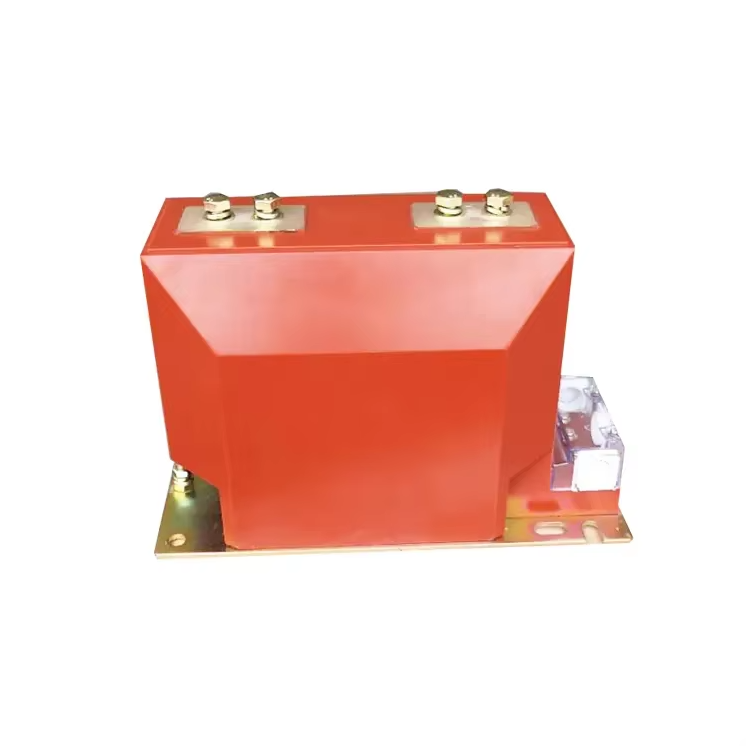
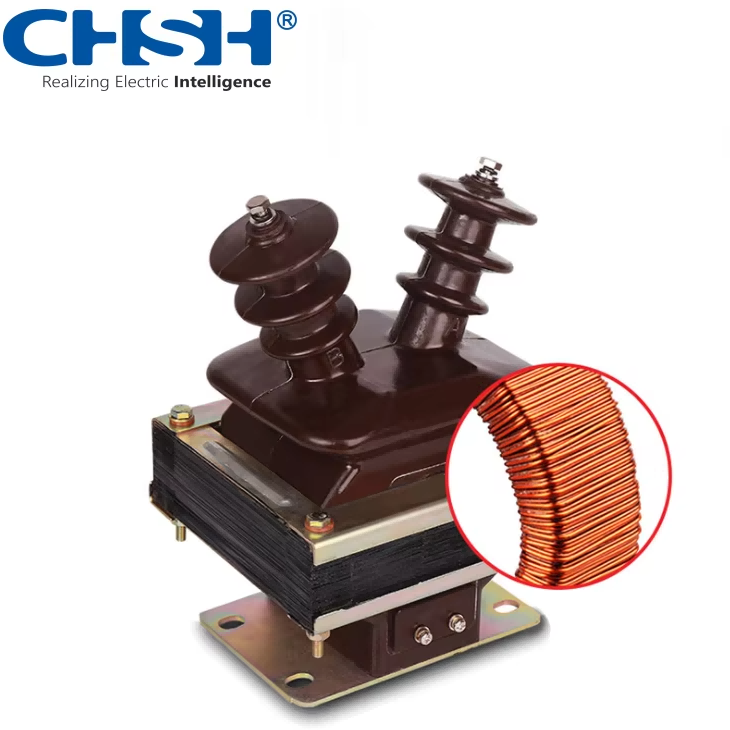
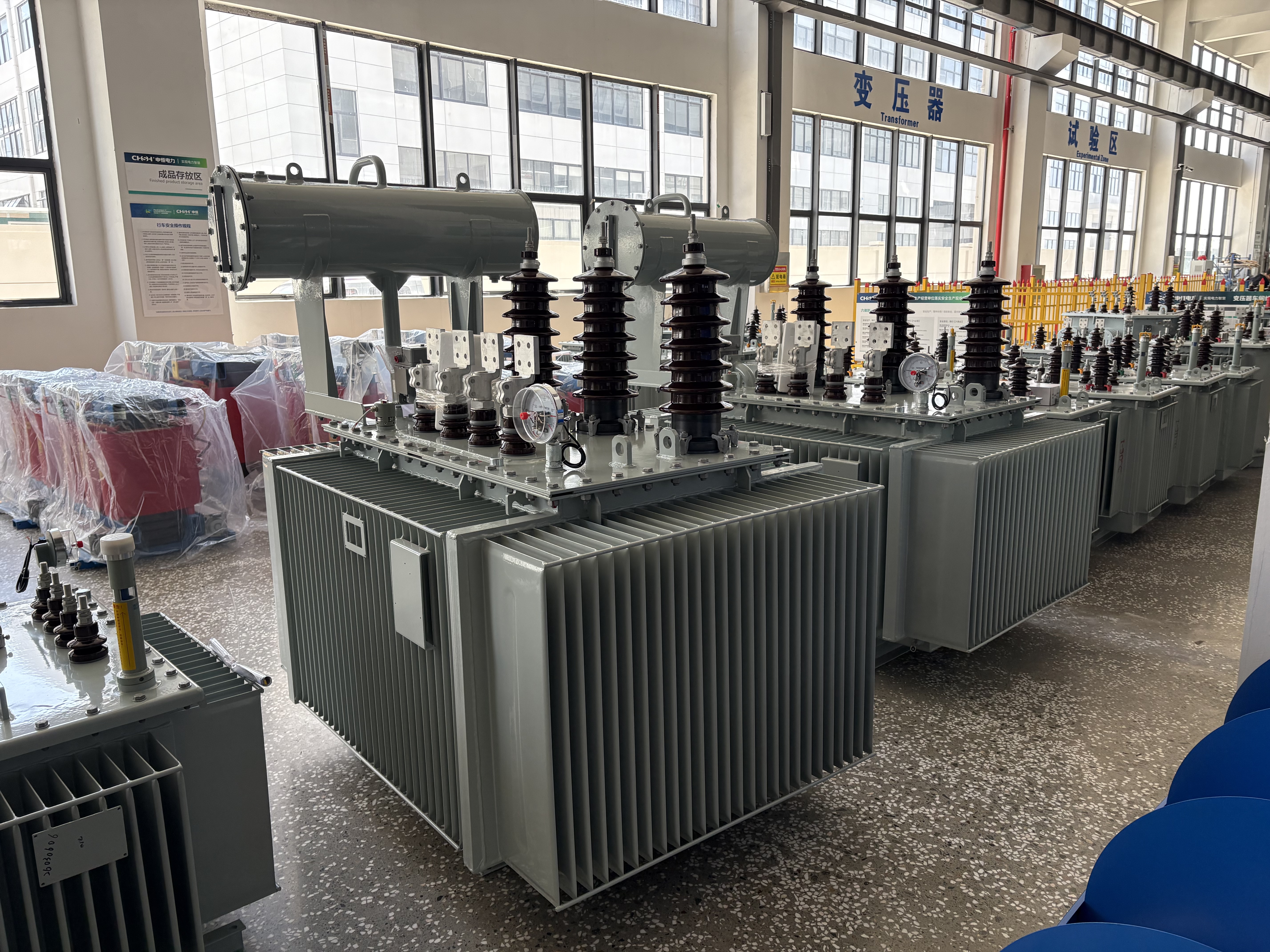
A current transformer and potential transformer serve as essential measurement instruments in electrical power systems. The current transformer and potential transformer work together to measure and monitor electrical parameters safely and accurately. Current transformers step down high currents to manageable levels for meters and relays, while potential transformers reduce high voltages to standard levels suitable for instrumentation. These devices are fundamental components in power distribution networks, substations, and industrial facilities worldwide. The current transformer and potential transformer provide isolation between high-voltage circuits and low-voltage measuring equipment, ensuring operator safety and equipment protection. They enable accurate measurement of electricity consumption, power quality analysis, and system protection coordination. Current transformers feature iron cores that concentrate magnetic flux, facilitating efficient current transformation. Potential transformers employ voltage reduction principles through inductive coupling to scale down voltages proportionally. Modern current transformer and potential transformer installations incorporate advanced materials and precision engineering for enhanced accuracy and reliability. These instruments support both analog and digital monitoring systems, facilitating integration with SCADA systems and smart grid technologies. Applications range from utility companies managing distribution networks to industrial operations controlling manufacturing processes. The current transformer and potential transformer enable real-time data collection, supporting predictive maintenance and optimized energy management strategies for contemporary electrical infrastructure.

New Product Recommendations

Current transformers and potential transformers deliver substantial operational and financial benefits to electrical system operators. The current transformer and potential transformer combination enables precise voltage and current monitoring without disrupting power flow, ensuring continuous system operation and reliability. By stepping down dangerous high voltages and currents, these devices protect expensive meters, relays, and control equipment from damage, extending asset lifespan and reducing replacement costs significantly. Operators benefit from enhanced safety when using current transformer and potential transformer systems. These instruments isolate personnel and equipment from potentially lethal electrical hazards, allowing technicians to work confidently with measurement devices rather than directly accessing high-voltage circuits. The current transformer and potential transformer facilitate standardized measurements across diverse electrical systems, enabling consistent data collection and comparative analysis across utility networks and industrial facilities. Energy companies leverage current transformer and potential transformer installations to implement accurate billing systems, reducing revenue losses from measurement errors. Industries optimize production efficiency by monitoring power consumption in real-time using these transformation devices. The current transformer and potential transformer support predictive maintenance programs, identifying equipment degradation before failures occur, minimizing downtime and emergency repairs. Modern current transformer and potential transformer designs integrate seamlessly with digital monitoring platforms and automation systems, enabling remote diagnostics and intelligent load management. These advantages combine to deliver superior return on investment, operational efficiency, and system reliability for organizations managing electrical infrastructure across all sectors.

Latest News

What installation standards govern transformer box placementin utilities?

22

Apr

What installation standards govern transformer box placementin utilities?

Transformer box placement in utility installations represents a critical infrastructure decision that directly impacts system reliability, safety, and operational efficiency. The placement of these essential components must adhere to comprehensive in...
View More
How Does an SF6 Circuit Breaker Improve Arc Extinguishing Performance?

22

Apr

How Does an SF6 Circuit Breaker Improve Arc Extinguishing Performance?

Understanding how an SF6 circuit breaker enhances arc extinguishing performance requires examining the unique properties of sulfur hexafluoride gas and its interaction with electrical arcs. When electrical contacts separate under load conditions, an ...
View More
What Are the Advantages of a Ring Main Unit in Compact Substations?

27

May

What Are the Advantages of a Ring Main Unit in Compact Substations?

In modern power distribution networks, the demand for reliable, space-efficient, and low-maintenance switching equipment has never been greater. A ring main unit has emerged as one of the most practical and technically sound solutions for medium-volt...
View More
What Are the Differences Between Vacuum and SF6 Circuit Breakers?

27

May

What Are the Differences Between Vacuum and SF6 Circuit Breakers?

When engineers and procurement specialists evaluate medium-voltage switching equipment, one of the most consequential decisions they face is choosing between vacuum and SF6 circuit breakers. Both technologies have earned their place in modern power d...
View More

Get a Free Quote

Our representative will contact you soon.
Email
Name
Company Name
Message
0/1000

current transformer and potential transformer

Enhanced Measurement Accuracy and Safety

Enhanced Measurement Accuracy and Safety

Current transformer and potential transformer systems deliver unparalleled accuracy in electrical measurements while simultaneously protecting equipment and personnel. These precision instruments reduce high voltages and currents to standardized levels that conventional meters can safely measure, eliminating the risk of measurement device damage or operator injury. The current transformer and potential transformer transform dangerous electrical parameters into manageable quantities without compromising measurement integrity. Modern current transformer and potential transformer designs achieve accuracy ratings exceeding industry standards, enabling billing systems and monitoring applications to function reliably. By maintaining precise measurement characteristics, the current transformer and potential transformer facilitate accurate energy accounting, essential for utility companies and industrial operations. The isolation provided by these devices protects sensitive electronic equipment from voltage surges and transient events, extending equipment lifespan and reducing maintenance costs. Organizations implementing advanced current transformer and potential transformer installations gain confidence in their electrical data, supporting informed decision-making and regulatory compliance.
Seamless Integration with Smart Grid Technology

Seamless Integration with Smart Grid Technology

The current transformer and potential transformer represent critical components in modern smart grid infrastructure and digital monitoring systems. These devices transmit real-time electrical data to SCADA systems and energy management platforms, enabling operators to monitor system performance continuously and respond to anomalies instantly. Current transformer and potential transformer outputs integrate with Internet of Things devices and cloud-based analytics platforms, facilitating predictive maintenance and optimized load distribution. Utilities deploying current transformer and potential transformer solutions gain visibility into network performance metrics previously unavailable with traditional analog instrumentation. The current transformer and potential transformer support demand response programs, allowing utilities to manage peak consumption effectively and reduce strain on distribution networks. Advanced current transformer and potential transformer installations include digital communication protocols, enabling remote configuration and diagnostics without on-site technician visits. This technological integration positions current transformer and potential transformer systems as fundamental enablers of intelligent electrical infrastructure, supporting the energy transition toward renewable sources and distributed generation.
Cost-Effective Long-Term Investment Value

Cost-Effective Long-Term Investment Value

Implementing current transformer and potential transformer systems delivers substantial cost savings and financial returns across equipment lifespan. These instruments protect expensive infrastructure from damage, reducing capital expenditures associated with equipment replacement and emergency repairs. The current transformer and potential transformer minimize measurement errors that contribute to revenue losses, directly improving profitability for utility operators and industrial users. Maintenance costs decrease significantly when current transformer and potential transformer systems enable predictive diagnostics, identifying problems before catastrophic failures occur. Organizations benefit from accurate billing enabled by current transformer and potential transformer accuracy, eliminating financial disputes and billing adjustments. Energy companies utilizing current transformer and potential transformer technology reduce operational expenses through optimized staffing and automated monitoring. The current transformer and potential transformer investment supports regulatory compliance, avoiding penalties associated with measurement inaccuracy or safety violations. Long-term reliability of current transformer and potential transformer devices minimizes total cost of ownership compared to alternative measurement approaches, making these instruments essential investments for organizations prioritizing operational efficiency and financial performance.

Get a Free Quote

Our representative will contact you soon.
Email
Name
Company Name
Message
0/1000