Substation Current Transformer Guide

All Categories

Get a Free Quote

Our representative will contact you soon.
Email
Name
Company Name
Message
0/1000

substation current transformer

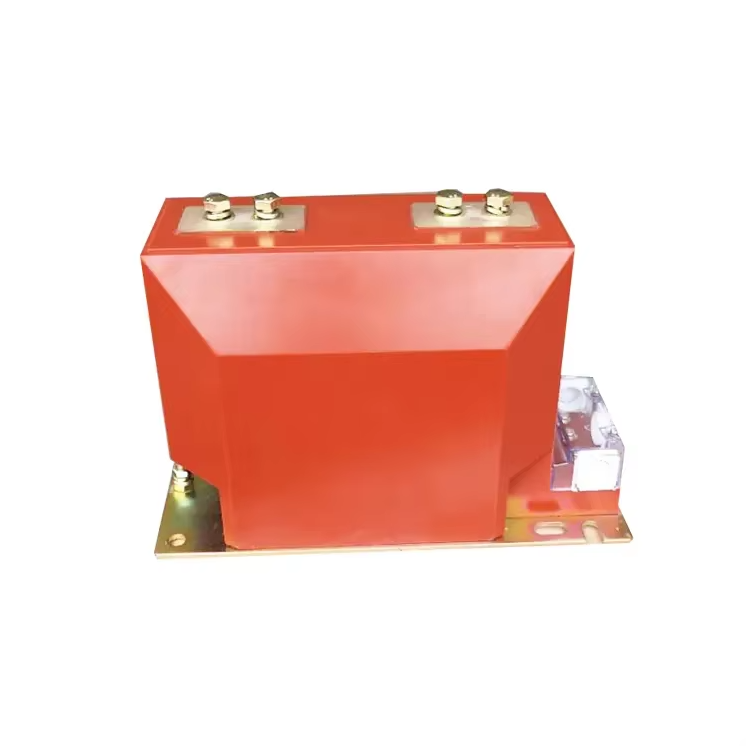
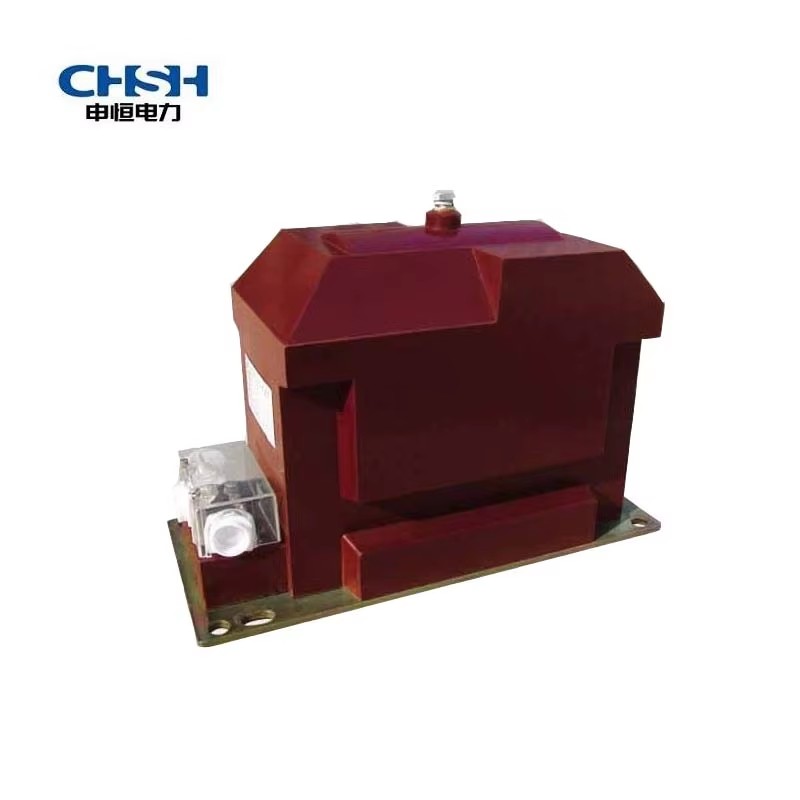
A substation current transformer is a specialized electrical device designed to measure and monitor electric current flowing through high-voltage power systems. This essential equipment serves as the foundation for accurate electrical measurements in substations worldwide. The substation current transformer operates by converting high primary currents into proportionally lower secondary currents that standard measuring instruments can safely handle. The primary function of a substation current transformer involves stepping down dangerous high-voltage currents to manageable levels for meters, relays, and protective devices. By isolating measurement circuits from high-voltage systems, the substation current transformer ensures operator safety while maintaining measurement accuracy. This protective isolation prevents electrical hazards and equipment damage. Technologically, the substation current transformer features advanced core materials and winding configurations that minimize energy loss and distortion. Modern designs incorporate superior insulation systems and robust construction methods to withstand harsh environmental conditions and electromagnetic stress. The substation current transformer maintains exceptional linearity across various current ranges, enabling precise readings regardless of load variations. Applications for the substation current transformer extend across power distribution networks, industrial facilities, renewable energy installations, and utility companies. These transformers work within metering systems, protection schemes, and control circuits throughout electrical infrastructure. The substation current transformer represents critical technology for maintaining reliable power delivery, ensuring grid stability, and protecting expensive electrical equipment from damage during fault conditions.

New Products

The substation current transformer delivers substantial practical benefits to electrical systems and operators. First, it provides accurate current measurement without exposing personnel to dangerous high-voltage environments. This safety advantage protects workers while enabling reliable monitoring of power flow throughout substations. Operational efficiency represents another significant advantage of the substation current transformer. By converting large primary currents into standardized secondary values, the equipment allows conventional instruments to function reliably without modification or specialized handling. This standardization simplifies maintenance procedures and reduces training requirements for technical staff. Cost-effectiveness emerges as a compelling reason to invest in quality substation current transformer technology. Rather than purchasing expensive specialized instruments rated for high voltages, facilities use affordable standard metering devices connected to the transformer's secondary circuit. This approach significantly reduces overall system expenses while maintaining measurement integrity. The substation current transformer enhances system protection by enabling rapid fault detection and automated response mechanisms. Protective relays connected to the transformer respond instantly to abnormal current conditions, isolating faults before cascading failures damage critical infrastructure. This proactive protection saves enormous costs associated with equipment replacement and service disruptions. Reliability and longevity define the operational experience with modern substation current transformer designs. Quality construction ensures consistent performance across decades of continuous operation. The transformer's robust design withstands thermal cycling, mechanical vibration, and electromagnetic interference common in industrial environments. Integration capabilities make the substation current transformer ideal for both legacy systems and modern smart grid applications. Facilities can retrofit existing installations or incorporate transformers into newly designed power distribution networks. This flexibility ensures compatibility with diverse operational requirements and future expansion possibilities.

Practical Tips

What installation standards govern transformer box placementin utilities?

22

Apr

What installation standards govern transformer box placementin utilities?

Transformer box placement in utility installations represents a critical infrastructure decision that directly impacts system reliability, safety, and operational efficiency. The placement of these essential components must adhere to comprehensive in...
View More
What Are the Advantages of a Ring Main Unit in Compact Substations?

27

May

What Are the Advantages of a Ring Main Unit in Compact Substations?

In modern power distribution networks, the demand for reliable, space-efficient, and low-maintenance switching equipment has never been greater. A ring main unit has emerged as one of the most practical and technically sound solutions for medium-volt...
View More
How Does Switchgear Design Impact Long-Term Grid Reliability?

27

May

How Does Switchgear Design Impact Long-Term Grid Reliability?

When engineers and utility planners evaluate the long-term performance of an electrical grid, one factor consistently rises to the top of the conversation: the design of the switchgear installed throughout the network. Far from being a passive compon...
View More
What Maintenance Practices Extend the Life of Circuit Breakers?

27

May

What Maintenance Practices Extend the Life of Circuit Breakers?

Understanding what maintenance practices extend the life of circuit breakers is one of the most practical investments an electrical maintenance team can make. These devices are the backbone of electrical protection systems in industrial, commercial, ...
View More

Get a Free Quote

Our representative will contact you soon.
Email
Name
Company Name
Message
0/1000

substation current transformer

Precision Current Measurement Capability

Precision Current Measurement Capability

The substation current transformer delivers exceptional measurement accuracy essential for modern power systems. Advanced core materials and precision winding techniques ensure minimal phase errors and burden loss across diverse operating conditions. This accuracy proves invaluable for billing purposes, as even small measurement discrepancies compound into significant financial impacts over extended periods. The substation current transformer maintains reliable performance whether measuring baseline loads or peak demand conditions. Utilities depend on this precision to accurately allocate costs among customers and optimize system operations. The transformer's superior linearity means secondary current precisely mirrors primary current variations, enabling responsive control systems and protective devices to function optimally. Engineers select quality substation current transformer units specifically for their ability to perform accurate measurements that regulatory agencies and customers require. This precision foundation supports confidence in billing accuracy and operational decisions throughout the entire substation.
Enhanced Safety and Personnel Protection

Enhanced Safety and Personnel Protection

Safety represents a paramount concern in electrical substations, where the substation current transformer plays a vital protective role. By isolating measurement circuits from lethal high-voltage primary systems, the device enables technicians to work with safe, low-voltage secondary circuits. This isolation prevents accidental electrocution and eliminates exposure to dangerous arc flash incidents that plague conventional measurement approaches. The substation current transformer effectively removes personnel from direct contact with high-voltage equipment, reducing workplace injuries and fatalities. Regulatory compliance becomes easier when facilities demonstrate proper safety measures through appropriate transformer deployment. Insurance premiums reflect improved safety records resulting from proper substation current transformer installation. This protective capability extends equipment lifespan by reducing damage from electrical hazards and environmental stress. Organizations achieve peace of mind knowing that proper instrumentation reduces accident risks and demonstrates commitment to employee welfare.
Reliable System Protection and Fault Response

Reliable System Protection and Fault Response

The substation current transformer enables sophisticated protection schemes that safeguard expensive electrical infrastructure from damage. Connected to protective relays, the transformer provides essential current information needed for automated fault detection and isolation. When abnormal current conditions develop, the substation current transformer's accurate secondary signal triggers instantaneous relay response, disconnecting affected circuits before damage spreads throughout the system. This rapid response capability prevents catastrophic failures that could disable entire substations or regions. The transformer's reliable performance ensures protection systems respond consistently during critical situations when equipment depends on accurate information. Backup protection layers work harmoniously when the substation current transformer provides dependable current data to multiple protective devices simultaneously. System designers specify quality transformers precisely for their role in comprehensive protection architecture. Facilities equipped with reliable substation current transformer technology experience fewer unplanned outages and significantly reduced downtime costs.

Get a Free Quote

Our representative will contact you soon.
Email
Name
Company Name
Message
0/1000