
 EN
EN
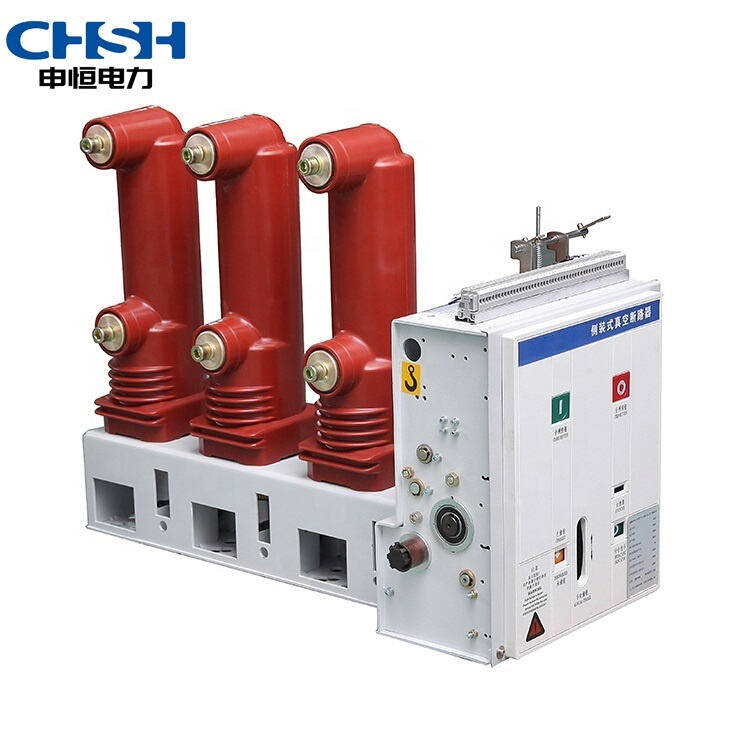
Understanding what maintenance practices extend the life of circuit breakers is one of the most practical investments an electrical maintenance team can make. These devices are the backbone of electrical protection systems in industrial, commercial, and utility environments. When circuit breakers are properly maintained, they perform reliably under fault conditions, reduce unplanned downtime, and deliver a service life that can span decades rather than years.
Yet in many facilities, circuit breakers are treated as passive components that require no attention until they fail. This assumption is costly. Without a structured maintenance program, circuit breakers accumulate mechanical wear, contact degradation, insulation breakdown, and calibration drift — all of which compromise their ability to interrupt fault currents safely. This article outlines the specific maintenance practices that directly extend the operational life of circuit breakers and keep electrical systems running at peak reliability.
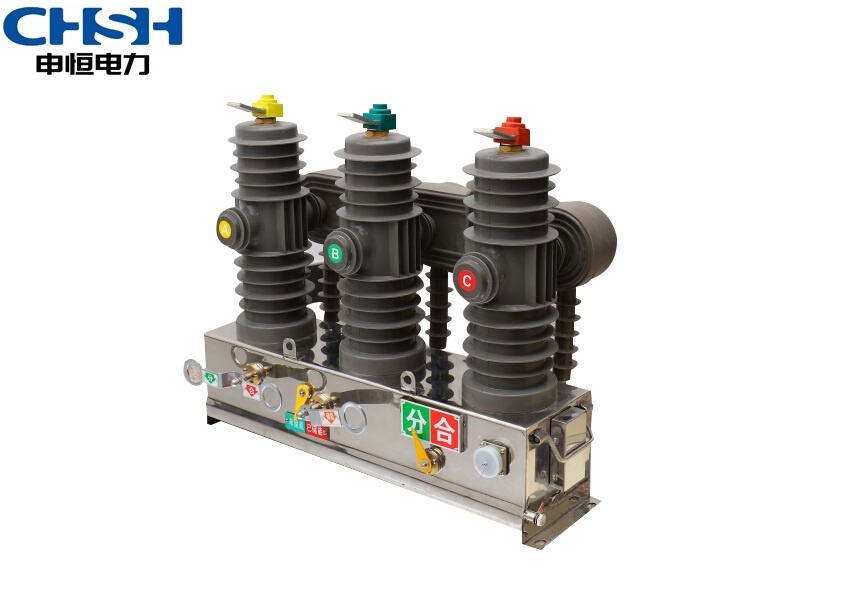
Why Maintenance Is Critical for Circuit Breaker Longevity
The Hidden Degradation Process
Circuit breakers are electromechanical devices, and like all such equipment, they degrade over time even when they are not actively switching. Internal components such as springs, contacts, arc chutes, and insulating materials are all subject to aging. In high-voltage vacuum circuit breakers, the vacuum interrupter itself can experience gradual loss of vacuum integrity, which directly affects interrupting capability.
Mechanical parts that are never exercised tend to seize or lose calibration. A circuit breaker that has not been operated for years may fail to trip when a fault occurs, or it may trip at the wrong threshold. Both outcomes are dangerous. Regular maintenance identifies these issues before they become failures, which is why proactive care is the foundation of long service life for circuit breakers.
Environmental factors compound the problem. Dust, moisture, vibration, and temperature cycling all accelerate wear on circuit breakers. Facilities in humid climates, near chemical processes, or subject to heavy vibration must apply maintenance schedules that account for these accelerated degradation pathways.
The Cost of Deferred Maintenance
Deferring maintenance on circuit breakers does not save money — it shifts costs to a more expensive and disruptive point in time. A circuit breaker that fails during a fault event can cause arc flash incidents, equipment damage, and extended outages. Replacing a failed high-voltage circuit breaker is significantly more expensive than maintaining it through its intended service life.
Beyond direct replacement costs, unplanned outages in industrial facilities carry production losses, safety risks, and potential regulatory consequences. Maintenance programs that extend the life of circuit breakers are therefore a risk management strategy as much as a technical one. The return on investment from structured maintenance is well-documented across utility and industrial sectors.
Routine Inspection Practices That Protect Circuit Breakers
Visual and Physical Inspection
The most fundamental maintenance practice for circuit breakers is regular visual inspection. Technicians should examine the exterior of circuit breakers for signs of overheating, discoloration, corrosion, physical damage, or contamination. Burn marks or discoloration near terminals often indicate loose connections or sustained overloads that need to be addressed immediately.
Enclosures housing circuit breakers should be checked for moisture ingress, pest intrusion, and accumulation of conductive dust. Any of these conditions can compromise insulation resistance and lead to premature failure. Gaskets and seals on outdoor or industrial enclosures should be inspected and replaced as needed to maintain environmental protection ratings.
Physical inspection also includes verifying that circuit breakers are properly seated in their mounting positions, that all fasteners are secure, and that bus connections are tight. Loose connections generate heat, which accelerates insulation aging and contact wear — two of the primary causes of shortened service life in circuit breakers.
Mechanical Operation Testing
Circuit breakers must be mechanically exercised on a regular basis. Operating the device through its full open-close-open cycle lubricates moving parts, prevents mechanical seizure, and confirms that the operating mechanism functions correctly. For circuit breakers that are rarely switched in normal operation, this manual exercise is especially important.
During mechanical testing, technicians should verify that the operating mechanism moves smoothly without binding, that the trip mechanism responds correctly to manual actuation, and that position indicators accurately reflect the breaker state. Any stiffness, hesitation, or misalignment in the mechanism should be investigated and corrected before the circuit breaker is returned to service.
For vacuum circuit breakers, the contact travel and wipe distance should be measured and compared against manufacturer specifications. As vacuum interrupter contacts erode through normal switching operations, the contact gap changes. Monitoring this parameter over time allows maintenance teams to predict when vacuum interrupters will need replacement before they reach the end of their useful life.
Electrical Testing to Verify Circuit Breaker Performance
Insulation Resistance Testing
Insulation resistance testing is a core diagnostic tool for assessing the condition of circuit breakers. Using a megohmmeter, technicians measure the resistance between live conductors and ground, and between phases. Declining insulation resistance values over successive test intervals indicate moisture absorption, contamination, or insulation aging that could lead to flashover or ground fault events.
For high-voltage circuit breakers, insulation resistance testing should be performed with the device in both the open and closed positions to evaluate the condition of all insulating surfaces. Results should be trended over time rather than evaluated against a single pass-fail threshold, since gradual decline is often more informative than any single measurement.
Vacuum integrity testing is a specific requirement for vacuum circuit breakers. A high-potential test applied across the open contacts of the vacuum interrupter verifies that the vacuum level remains sufficient for safe interruption. This test should be performed at intervals specified by the manufacturer and whenever the circuit breaker has been subjected to unusual operating conditions.
Contact Resistance Measurement
Contact resistance measurement, performed with a micro-ohmmeter or DLRO (digital low-resistance ohmmeter), evaluates the quality of the electrical connection through the main contacts of circuit breakers. High contact resistance generates heat during normal load current flow, which accelerates contact erosion and insulation degradation.
Elevated contact resistance readings typically indicate contact surface oxidation, pitting from arc erosion, or insufficient contact pressure. When contact resistance exceeds the manufacturer's specified limit, the contacts should be cleaned, resurfaced, or replaced depending on the severity of the condition. Tracking contact resistance trends across maintenance intervals provides early warning of contact wear before it reaches a critical level.
For circuit breakers in high-current applications, even small increases in contact resistance can produce significant heating effects. Thermal imaging during loaded operation is a complementary technique that can identify hot spots at circuit breaker terminals and contacts that are not yet apparent from resistance measurements alone.
Lubrication, Cleaning, and Component Replacement
Proper Lubrication of Moving Parts
Lubrication is one of the most directly impactful maintenance practices for extending the mechanical life of circuit breakers. The operating mechanism contains numerous pivot points, latches, springs, and sliding surfaces that require appropriate lubrication to function correctly over time. Dry or degraded lubricant increases friction, accelerates wear, and can cause the mechanism to fail to operate at the required speed.
It is essential to use only the lubricant types specified by the manufacturer for each component. Using incorrect lubricants — particularly those that attract dust, harden at low temperatures, or are incompatible with plastic components — can cause more harm than no lubrication at all. Maintenance records should document the type and quantity of lubricant applied at each service interval.
Spring-operated mechanisms in circuit breakers should be inspected for fatigue, corrosion, and correct tension. Springs that have lost their specified tension will affect the operating speed of the circuit breaker, which in turn affects its ability to interrupt fault currents within the required time. Replacing worn springs is a low-cost intervention that significantly extends the reliable service life of circuit breakers.
Cleaning and Environmental Protection
Contamination is a leading cause of premature failure in circuit breakers. Conductive dust, carbon deposits from previous arc events, oil mist, and moisture all degrade insulation and increase the risk of tracking or flashover. Cleaning circuit breakers at each maintenance interval removes these contaminants before they cause damage.
Cleaning should be performed using dry compressed air, lint-free cloths, and approved cleaning solvents appropriate for electrical equipment. Particular attention should be paid to arc chutes, insulating barriers, and the areas around contacts where carbon deposits accumulate most rapidly. Arc chutes in air circuit breakers should be inspected for cracks, erosion, and carbon buildup, and replaced when they no longer meet serviceability criteria.
After cleaning, insulating surfaces should be inspected for tracking paths, cracks, or surface damage. Any compromised insulation should be repaired or replaced before the circuit breaker is returned to service. Maintaining clean, intact insulation is one of the most effective ways to extend the dielectric life of circuit breakers in demanding environments.
Calibration, Trip Testing, and Maintenance Records
Trip Unit Calibration and Testing
The trip unit is the intelligence of a circuit breaker — it determines when and how quickly the device responds to overcurrent, short circuit, and ground fault conditions. Trip units can drift out of calibration over time due to component aging, temperature effects, and vibration. A circuit breaker with an out-of-calibration trip unit may fail to protect equipment or may cause nuisance tripping that disrupts operations.
Primary injection testing and secondary injection testing are the standard methods for verifying trip unit calibration in circuit breakers. Primary injection applies actual current through the circuit breaker to verify the complete protection chain, while secondary injection tests the trip unit electronics directly. Both methods should be part of a comprehensive maintenance program for circuit breakers in critical applications.
For electronic trip units, firmware updates and self-diagnostic checks should be performed according to manufacturer guidance. Modern digital trip units in circuit breakers often include event logging and diagnostic data that can be retrieved to assess the operating history of the device and identify patterns that indicate developing problems.
Maintaining Accurate Service Records
Accurate maintenance records are not administrative overhead — they are a technical tool that directly supports the long-term reliability of circuit breakers. Records should document every inspection, test result, measurement, cleaning, lubrication, and component replacement performed on each circuit breaker. This data enables trend analysis, supports warranty claims, and provides the basis for informed decisions about refurbishment versus replacement.
Service records should include the number of fault interruptions a circuit breaker has performed, since each fault interruption consumes a portion of the device's rated interrupting capacity. Circuit breakers that have interrupted multiple high-current faults may require earlier inspection and contact replacement than those operating in stable load conditions. Tracking this operational history is only possible with consistent record-keeping.
Maintenance intervals should be established based on manufacturer recommendations, operating environment, switching frequency, and the criticality of the circuit being protected. Circuit breakers in critical applications — such as those protecting main feeders, transformers, or safety systems — warrant more frequent maintenance than those in lower-risk positions. A risk-based maintenance schedule ensures that resources are allocated where they have the greatest impact on reliability and service life.
FAQ
How often should circuit breakers be inspected and tested?
The recommended inspection frequency for circuit breakers depends on the voltage class, application criticality, and operating environment. As a general guideline, low-voltage circuit breakers in commercial applications are typically inspected every one to three years, while high-voltage circuit breakers in industrial or utility settings may require annual maintenance. Manufacturer recommendations and applicable standards such as NFPA 70B and IEEE C37 series should be consulted to establish appropriate intervals for specific installations.
What are the most common signs that a circuit breaker needs maintenance?
Common indicators that circuit breakers require maintenance include visible discoloration or burn marks near terminals, elevated contact resistance readings, difficulty operating the mechanism smoothly, nuisance tripping under normal load conditions, and insulation resistance values that have declined significantly from baseline measurements. Thermal imaging that reveals hot spots at circuit breaker connections is also a reliable indicator of a developing problem that warrants prompt attention.
Can circuit breakers be refurbished rather than replaced?
Yes, many circuit breakers — particularly high-voltage and medium-voltage types — can be refurbished to extend their service life significantly. Refurbishment typically involves replacing worn contacts, vacuum interrupters, springs, and seals, along with full mechanical and electrical testing to verify that the device meets its original specifications. Refurbishment is often cost-effective compared to full replacement, provided the structural components of the circuit breaker remain in sound condition and the device has not exceeded its rated number of fault interruptions.
Does the operating environment affect how circuit breakers should be maintained?
Operating environment has a significant influence on maintenance requirements for circuit breakers. Installations in humid, dusty, chemically aggressive, or high-vibration environments require more frequent inspection and cleaning than those in controlled indoor settings. Coastal or marine environments accelerate corrosion of metallic components and require particular attention to contact surfaces and enclosure integrity. Maintenance programs for circuit breakers should always be adapted to reflect the specific environmental conditions of each installation site.