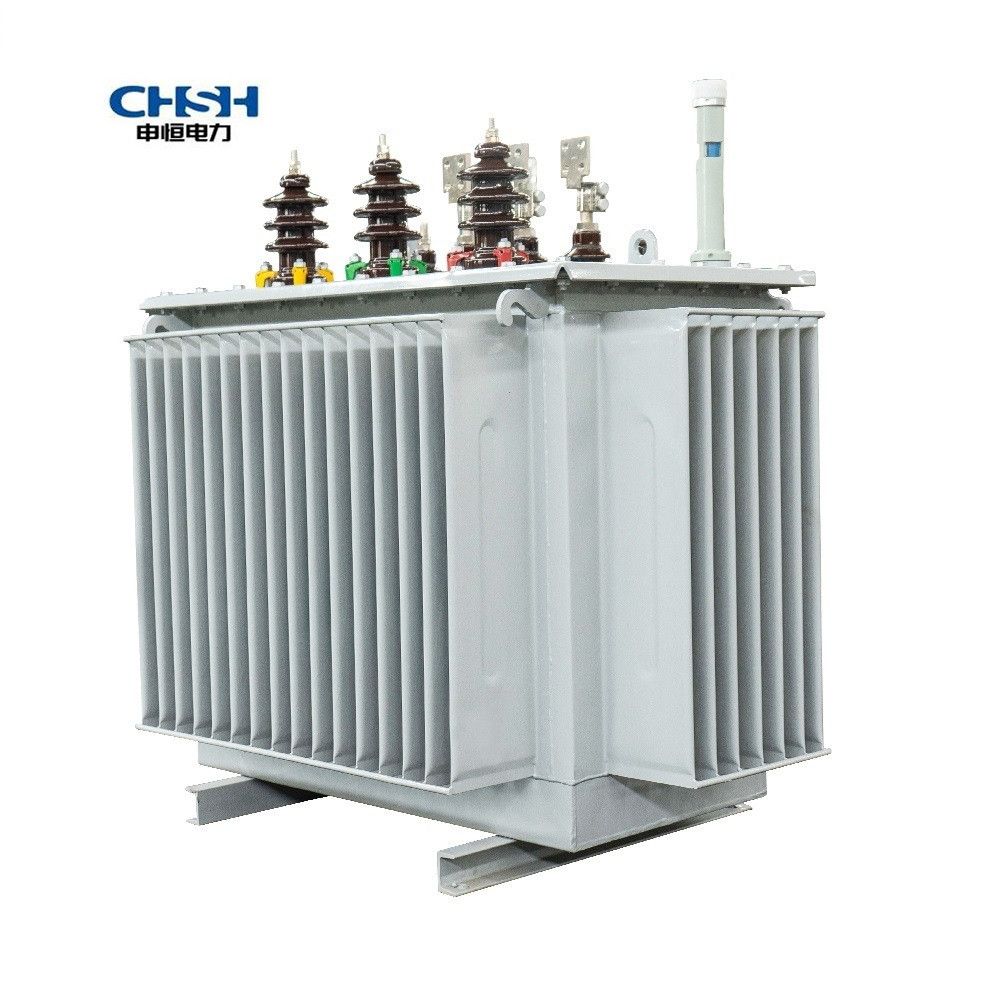
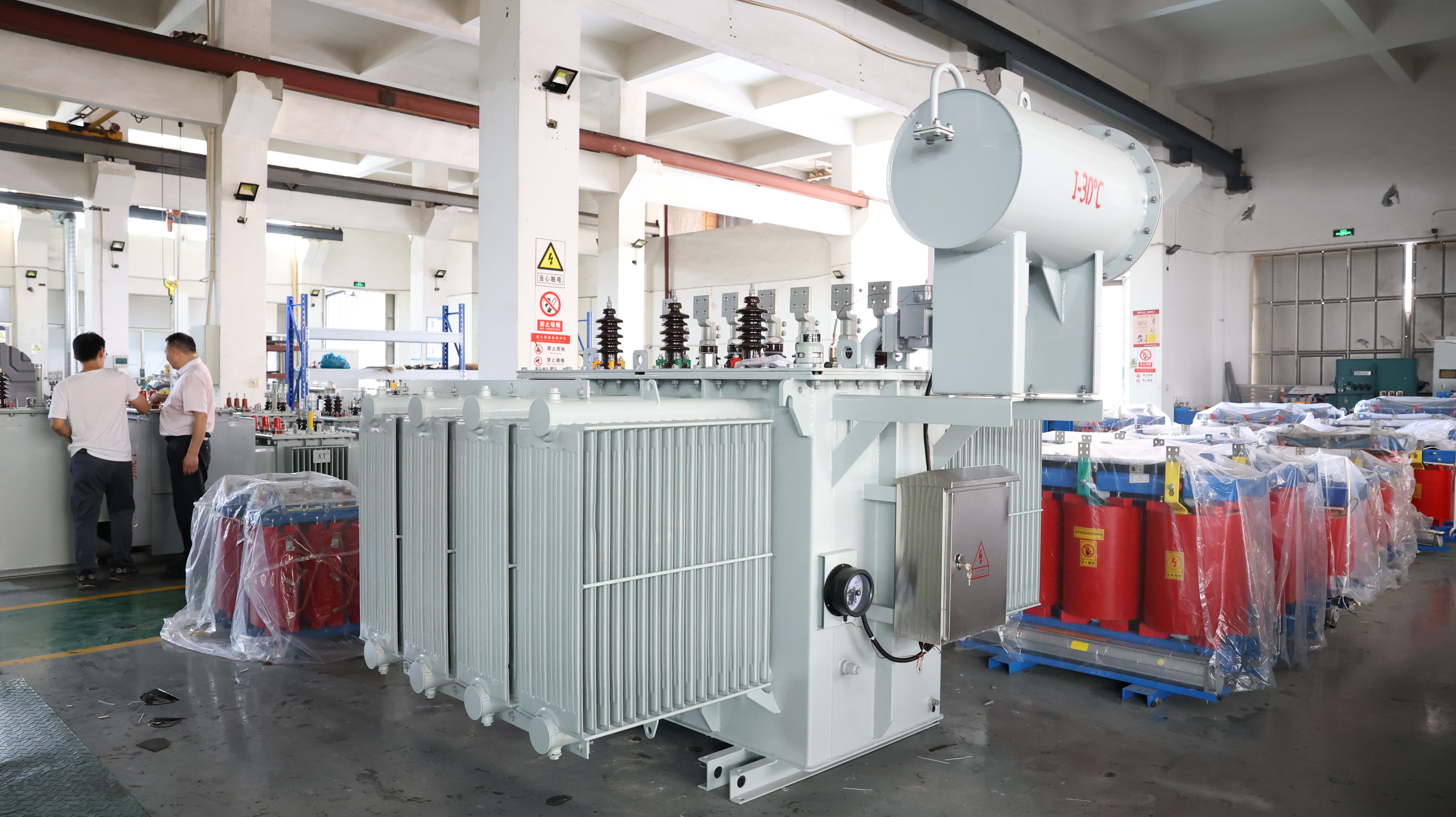
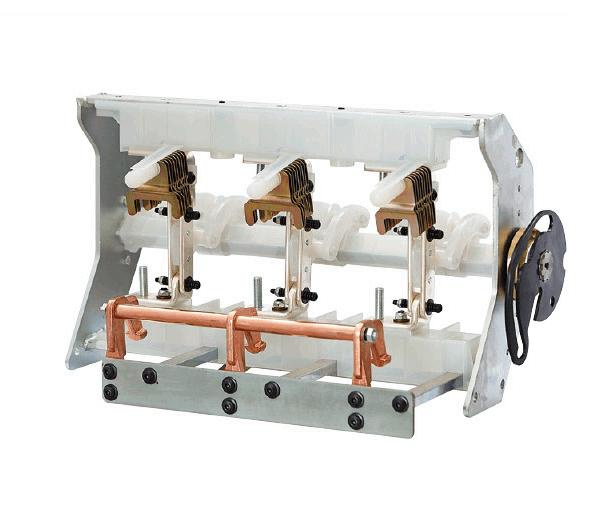
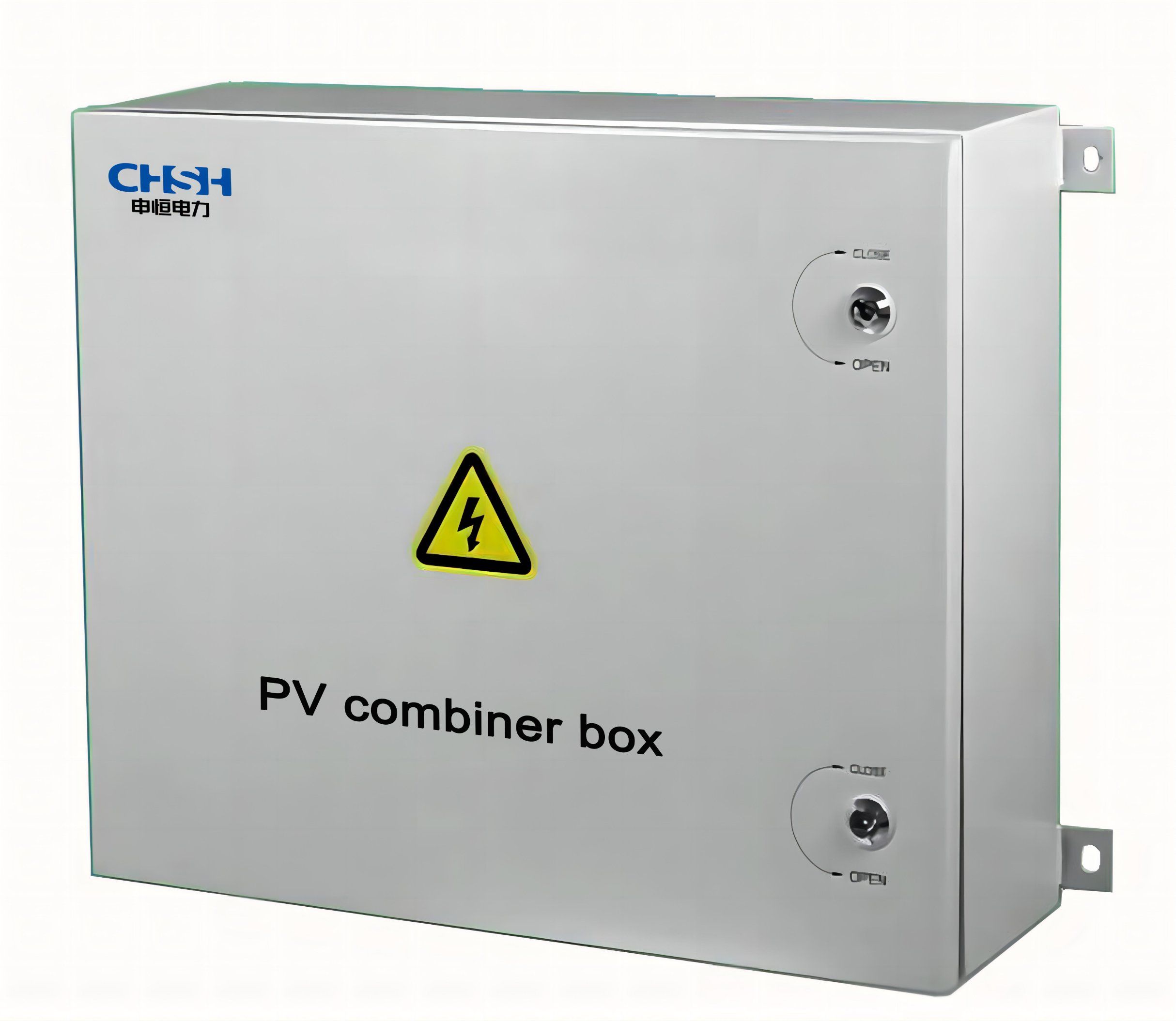
inductive voltage transformer
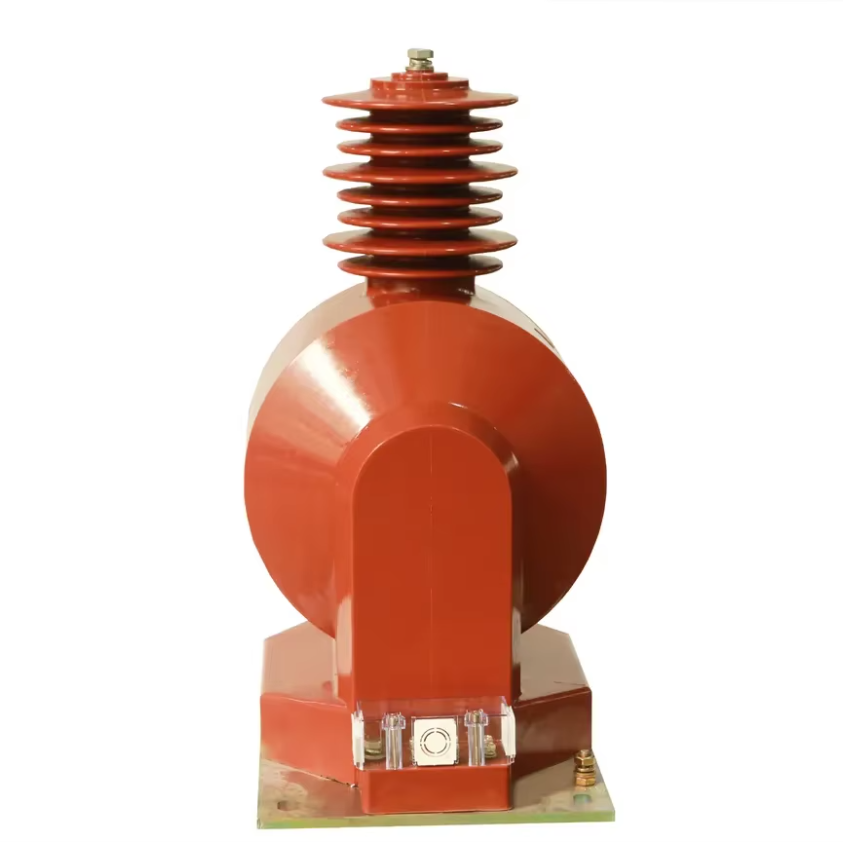
An inductive voltage transformer is a sophisticated electrical device designed to measure and transform high voltages into lower, standardized levels suitable for instrumentation and protective relaying systems. This essential component operates on the principle of electromagnetic induction, where a primary winding receives the high voltage signal while a secondary winding delivers a proportionally reduced output voltage.
The inductive voltage transformer serves multiple critical functions within power systems. First, it provides accurate voltage measurement for monitoring and control purposes. Second, it isolates dangerous high-voltage circuits from sensitive equipment and personnel, enhancing safety significantly. Third, an inductive voltage transformer enables protective relay operation by supplying appropriate voltage signals that trigger safety mechanisms when system faults occur.
Technologically, the inductive voltage transformer features a laminated iron core that minimizes energy losses and improves accuracy. The device maintains precise voltage ratio transformation, typically ranging from thousands of volts down to 120 volts or lower. Advanced designs incorporate sophisticated insulation systems capable of withstanding extreme voltage stresses and environmental conditions.
Applications for the inductive voltage transformer span across industries requiring reliable voltage measurement and system protection. Power generation facilities utilize these devices to monitor transmission line voltages continuously. Distribution networks depend on inductive voltage transformers for metering and protective relay coordination. Industrial plants employ them in process control and equipment protection systems. The inductive voltage transformer proves indispensable in substations, switchyards, and renewable energy installations worldwide.

 EN
EN