
 EN
EN
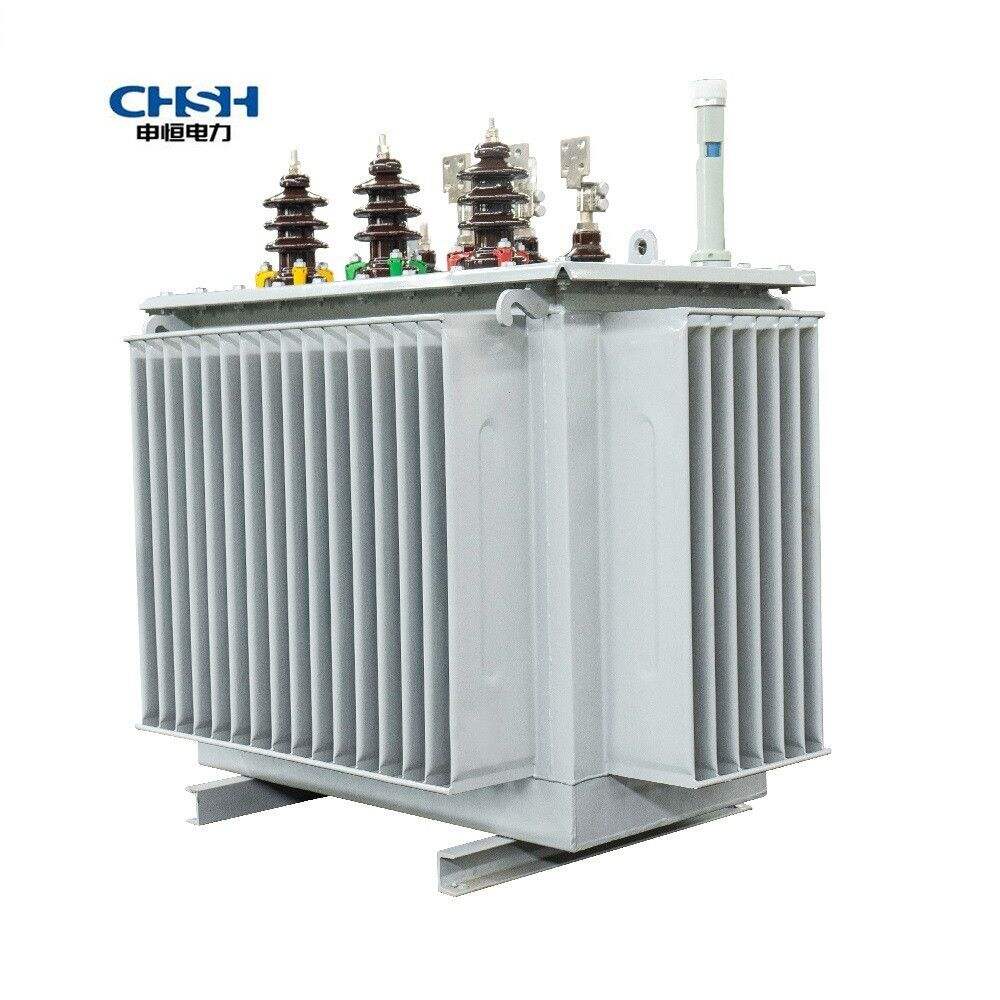
Electricity must travel vast distances from generation facilities to the homes, factories, and commercial buildings that depend on it every day. Throughout that journey, voltage levels must be carefully managed to ensure efficiency, safety, and reliability. At the center of this entire process stands the power distribution transformer, a device so fundamental to modern electrical infrastructure that the grid as we know it simply could not function without it. Understanding exactly what role this component plays helps engineers, facility managers, and procurement professionals make smarter decisions about their electrical systems.
The role of a power distribution transformer spans two critical phases of the electrical supply chain: transmission and distribution. During transmission, voltage is stepped up to extremely high levels so that energy can travel efficiently over long distances with minimal losses. During distribution, that high voltage is stepped back down to levels safe and practical for end-use applications. This dual function makes the power distribution transformer the essential link between bulk power generation and everyday consumption, and selecting the right unit is one of the most consequential decisions in any electrical project.
The Core Function of a Power Distribution Transformer in the Grid
Voltage Transformation as the Foundation of Grid Operation
The primary purpose of any power distribution transformer is to convert electrical energy from one voltage level to another through the principle of electromagnetic induction. Two or more coils of wire wound around a shared magnetic core allow alternating current to induce a proportional voltage in adjacent windings without direct electrical contact. This elegant mechanism is what allows a single transformer to either step voltage up or step it down depending on how the coil turns ratio is configured.
In practical grid terms, a step-up transformer at a generation facility might raise output voltage from a few kilovolts to 110 kV, 220 kV, or higher for long-distance transmission. At the receiving end of the transmission line, step-down transformers progressively reduce that voltage through substation tiers until it reaches the 11 kV, 6.6 kV, or lower levels used in local distribution networks. A final power distribution transformer then brings voltage down to the 400V or 240V range consumed by most end users.
Without this staged voltage conversion, the physics of electricity transmission would make modern grids either impossibly expensive or dangerously inefficient. The ability to transmit power at high voltage reduces the current flowing through conductors, which in turn dramatically lowers resistive losses and the material cost of transmission infrastructure. The power distribution transformer is the device that makes this entire system economically and technically viable.
Step-Up and Step-Down Roles in the Transmission Chain
It is important to understand that the same underlying technology serves both the step-up role at the generation end and the step-down role at the distribution end. The distinction lies entirely in how the transformer is wound and connected. A three-phase oil-immersed power distribution transformer rated at 50 MVA or 20 MVA, for example, can be engineered for either direction of voltage transformation depending on the system requirements it must meet.
In transmission substations, large step-up units handle enormous power flows and must be designed for continuous high-load operation with minimal losses. In distribution substations, step-down transformers prioritize voltage regulation accuracy and fault tolerance, since variations at this level directly affect the quality of power delivered to sensitive industrial equipment or residential loads. Each stage requires a power distribution transformer specifically designed to meet the voltage, capacity, and environmental demands of its position in the grid hierarchy.
For utility planners and industrial engineers, specifying the correct transformation ratio and capacity at each network node is not merely a technical exercise—it is a strategic investment that determines the long-term reliability and cost-effectiveness of the entire electrical infrastructure. A well-matched power distribution transformer at every tier minimizes line losses, stabilizes voltage profiles, and extends the operational lifespan of downstream equipment.
How Oil-Immersed Transformers Support High-Voltage Distribution
The Engineering Advantages of Oil-Immersed Design
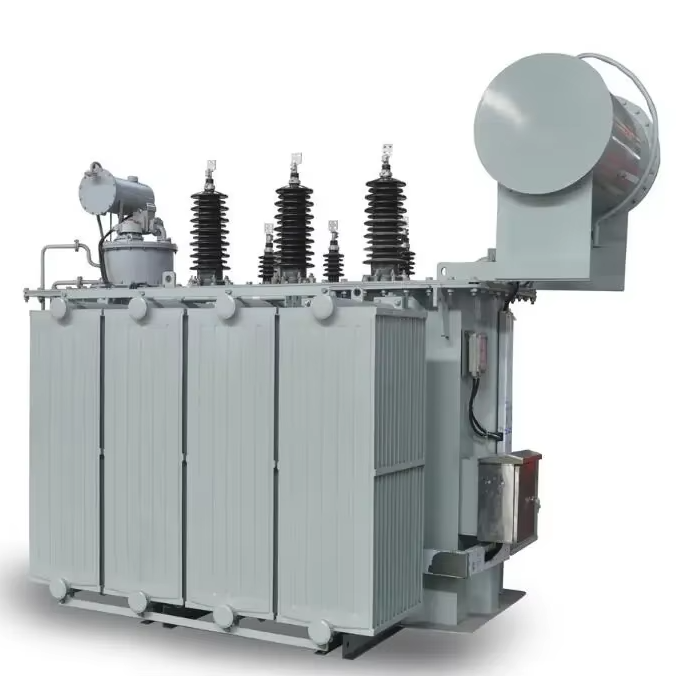
Among the many construction types available, the oil-immersed power distribution transformer remains the dominant choice for medium- and high-voltage applications worldwide. In this design, the core and winding assembly are submerged in transformer oil, which serves a dual purpose: it acts as an electrical insulator between live components and as a highly effective cooling medium that dissipates heat generated during load cycles.
Transformer oil has excellent dielectric properties, meaning it can withstand the intense electric field stresses present inside a high-voltage unit without breaking down. This characteristic allows oil-immersed designs to operate reliably at voltage levels ranging from 10 kV up to 35 kV and beyond, making them the standard choice for utility-scale and heavy industrial applications. The oil also provides a self-healing function in the event of minor internal electrical discharges, a resilience that dry-type alternatives cannot replicate.
For a high-voltage power distribution transformer operating at the 35 kV level with ratings such as 20 MVA or 50 MVA, the oil-immersed construction is essentially mandatory. The thermal and dielectric demands at these power levels require the combination of superior insulation and efficient cooling that only oil immersion provides. Units built to these specifications are engineered for decades of continuous outdoor service across a wide range of climatic conditions.
Three-Phase Configuration in Modern Power Networks
Virtually all medium- and large-scale power transmission and distribution systems operate on three-phase alternating current. The three-phase power distribution transformer is therefore the standard configuration used at every significant node in the transmission and distribution chain. Three-phase designs consolidate what would otherwise require three separate single-phase units into a single, more compact and economical assembly with a shared magnetic core structure.
The three-phase configuration also delivers inherent advantages in voltage balance and efficiency. When all three phases are magnetically coupled within a single power distribution transformer, any imbalances between phases are naturally compensated to a degree, resulting in cleaner, more stable output power. This is particularly important in industrial distribution networks where large motor loads and variable demand profiles could otherwise create significant voltage asymmetry.
From a procurement perspective, the three-phase oil-immersed power distribution transformer at the 35 kV class represents a well-proven, internationally standardized product category. Its ratings, connection configurations, protection features, and testing requirements are clearly defined by IEC and other major standards bodies, which simplifies specification, procurement, and grid integration for engineers working across different regions and regulatory environments.
Power Losses, Efficiency, and What They Mean for Grid Economics
No-Load and Load Losses in Distribution Transformers
Every power distribution transformer experiences two categories of energy loss during normal operation. No-load losses, also called core losses or iron losses, occur continuously whenever the transformer is energized, regardless of how much load it is carrying. These losses arise from the cyclic magnetization and demagnetization of the core material as alternating current alternates polarity sixty or fifty times per second.
Load losses, or copper losses, are proportional to the square of the current flowing through the windings. As loading increases, copper losses rise rapidly, meaning that a power distribution transformer operated consistently near its rated capacity must be engineered with low-resistance windings to remain efficient. Modern high-efficiency transformer designs use grain-oriented silicon steel for the core and high-purity copper conductors for the windings to minimize both categories of loss simultaneously.
For utility operators and industrial plant managers, these efficiency parameters have direct financial consequences. A power distribution transformer with lower no-load and load losses will reduce electricity costs over its operational lifetime, often by amounts that significantly outweigh the difference in capital purchase price between standard and high-efficiency models. Lifecycle cost analysis, rather than upfront price alone, is therefore the economically rational basis for transformer procurement decisions.
Voltage Regulation and Power Quality Implications
Beyond energy efficiency, the power distribution transformer plays a direct role in maintaining power quality throughout the distribution network. Voltage regulation refers to the degree to which output voltage changes between no-load and full-load conditions. A transformer with poor regulation will cause voltage to sag significantly when heavy loads are applied, which can damage sensitive equipment and trigger protective relays or automated shutdowns.
Many modern power distribution transformer designs incorporate on-load tap changers or off-circuit tap changers that allow operators to fine-tune the turns ratio in response to changing load conditions or upstream voltage variations. This adjustability is especially valuable in industrial facilities with highly variable demand profiles or in rural distribution networks where end-of-line voltage sag is a chronic challenge.
Maintaining acceptable voltage quality at every point of delivery is not only a technical requirement but increasingly a contractual and regulatory obligation for utility operators. The power distribution transformer is one of the primary tools available for meeting those obligations, making its selection, sizing, and maintenance directly relevant to compliance as well as operational performance.
Industrial and Utility Applications of High-Voltage Distribution Transformers
Utility Grid Substations and Transmission Nodes
In utility grid infrastructure, the power distribution transformer appears at every substation in the transmission and distribution hierarchy. At primary substations, large units step down from transmission voltages to primary distribution levels. At secondary substations, smaller units complete the voltage reduction to consumer service levels. The reliable operation of every transformer in this chain is essential to grid stability and continuity of supply.
High-voltage units rated at 35 kV, 50 MVA or 20 MVA are particularly common in primary distribution substations serving large urban areas or major industrial zones. These installations require transformers engineered for high reliability, long service life, and compatibility with protection and monitoring systems. The power distribution transformer selected for these applications must meet stringent standards for insulation class, dielectric strength, and thermal performance under continuous rated load conditions.
Grid operators also consider redundancy and reliability when specifying transformers for critical nodes. A failure at a primary substation transformer can affect thousands or even millions of end users, making the quality and reliability of the selected power distribution transformer a matter of public service continuity. This context drives many utilities toward well-tested, standards-compliant oil-immersed designs with proven track records in similar service environments.
Industrial Facilities, Renewable Energy, and Special Applications
Beyond utility grid applications, the power distribution transformer is a critical component in large industrial facilities such as steel mills, chemical plants, data centers, and manufacturing complexes. These environments place unique demands on transformer design, including tolerance for harmonic currents generated by variable-speed drives and rectifiers, resistance to vibration and mechanical stress, and the ability to handle frequent load cycling without accelerated aging.
The rapid expansion of renewable energy generation has also created new and growing demand for specialized power distribution transformer applications. Solar farms and wind parks require transformers that can handle the intermittent, variable output characteristics of renewable sources while maintaining stable voltage injection into the grid. Step-up transformers at renewable generation sites connect relatively low generator output voltages to the higher transmission voltages required for grid export, a function that demands high efficiency and robust design given the continuous cycling involved.
Infrastructure development projects, including new urban districts, industrial parks, and transportation electrification initiatives, consistently depend on high-capacity power distribution transformer installations to deliver the power levels required. As global electricity demand continues to grow and grid infrastructure expands, the importance of reliable, efficient, and well-specified distribution transformers will only increase across every sector of the economy.
FAQ
What is the primary role of a power distribution transformer in the electrical grid?
The primary role of a power distribution transformer is to convert electrical voltage from one level to another, enabling efficient long-distance transmission at high voltage and safe local distribution at lower voltages. Without this conversion function, the modern electrical grid could not deliver power economically or safely from generation sources to end users across large geographic areas.
Why is oil immersion used in high-voltage distribution transformers?
Oil immersion is used in high-voltage power distribution transformer designs because transformer oil provides both superior electrical insulation and efficient heat dissipation. At voltage levels of 35 kV and above, the dielectric demands exceed what air or resin insulation can reliably meet over a long service life. The oil also enables the transformer to handle higher continuous power ratings, making it the standard choice for utility and industrial applications at these voltage classes.
How does a power distribution transformer affect energy efficiency in a network?
A power distribution transformer affects energy efficiency through its no-load and load loss characteristics. High-efficiency designs with optimized core materials and low-resistance windings minimize energy waste during both energized standby conditions and loaded operation. Over the lifetime of a transformer installation, these efficiency differences can translate into substantial cost savings, making efficiency ratings a key factor in lifecycle procurement decisions.
What capacity ratings are typical for transmission-level distribution transformers?
Transmission-level power distribution transformer units used in primary substations are typically rated between several MVA and several hundred MVA, depending on the load they serve. Units in the 20 MVA to 50 MVA range at 35 kV are common in regional distribution substations serving industrial zones or dense urban areas. The specific rating selected for any installation depends on current load requirements, projected demand growth, and the overall architecture of the distribution network being served.
Table of Contents
- The Core Function of a Power Distribution Transformer in the Grid
- How Oil-Immersed Transformers Support High-Voltage Distribution
- Power Losses, Efficiency, and What They Mean for Grid Economics
- Industrial and Utility Applications of High-Voltage Distribution Transformers
-
FAQ
- What is the primary role of a power distribution transformer in the electrical grid?
- Why is oil immersion used in high-voltage distribution transformers?
- How does a power distribution transformer affect energy efficiency in a network?
- What capacity ratings are typical for transmission-level distribution transformers?