high voltage current transformer
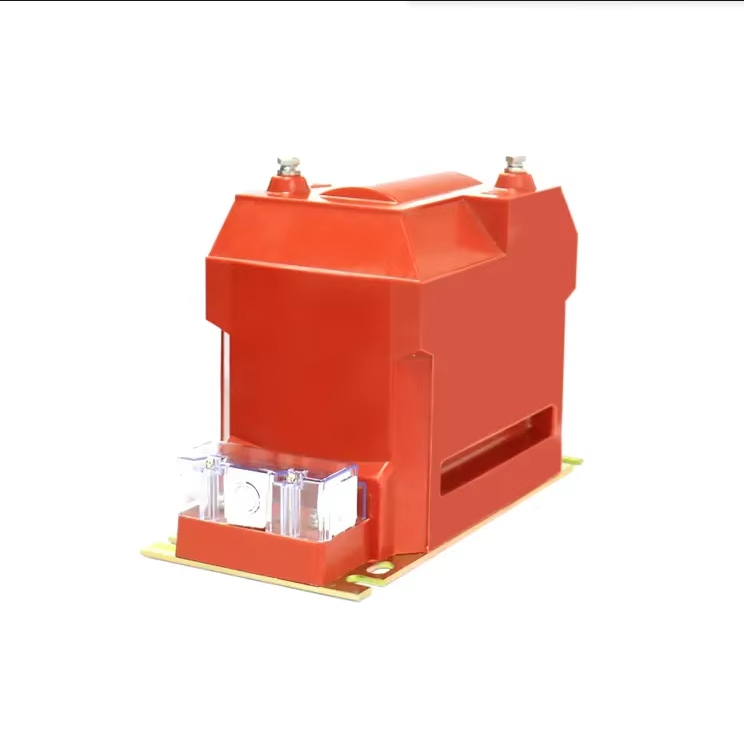
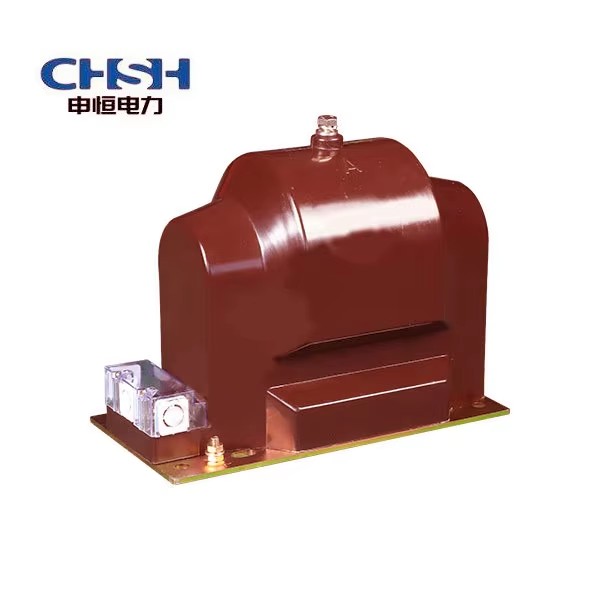
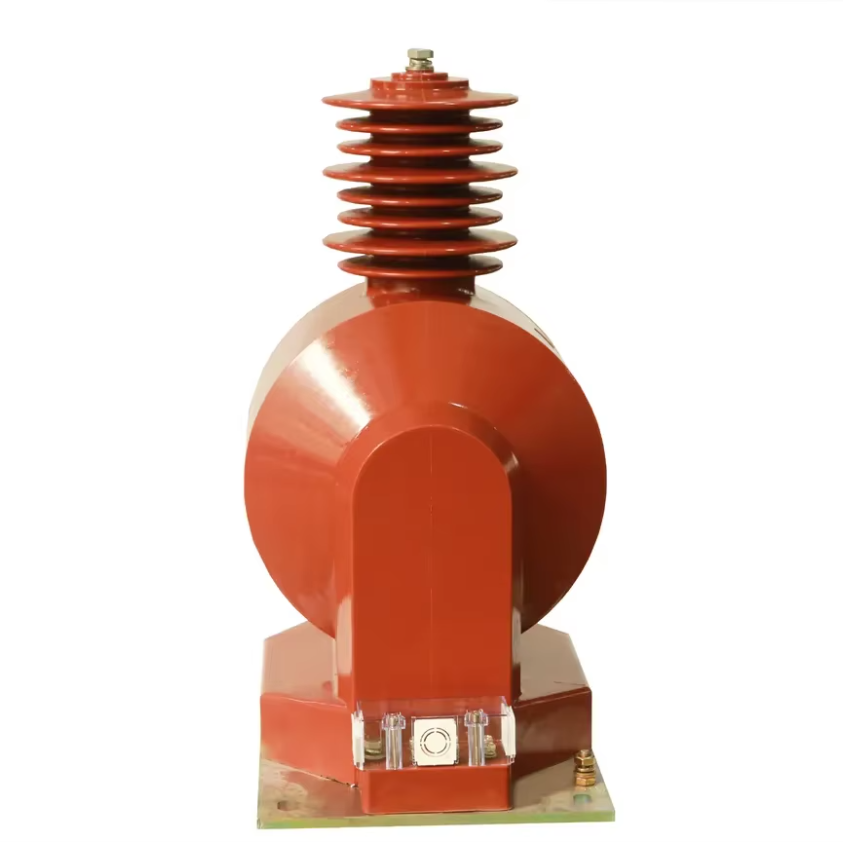
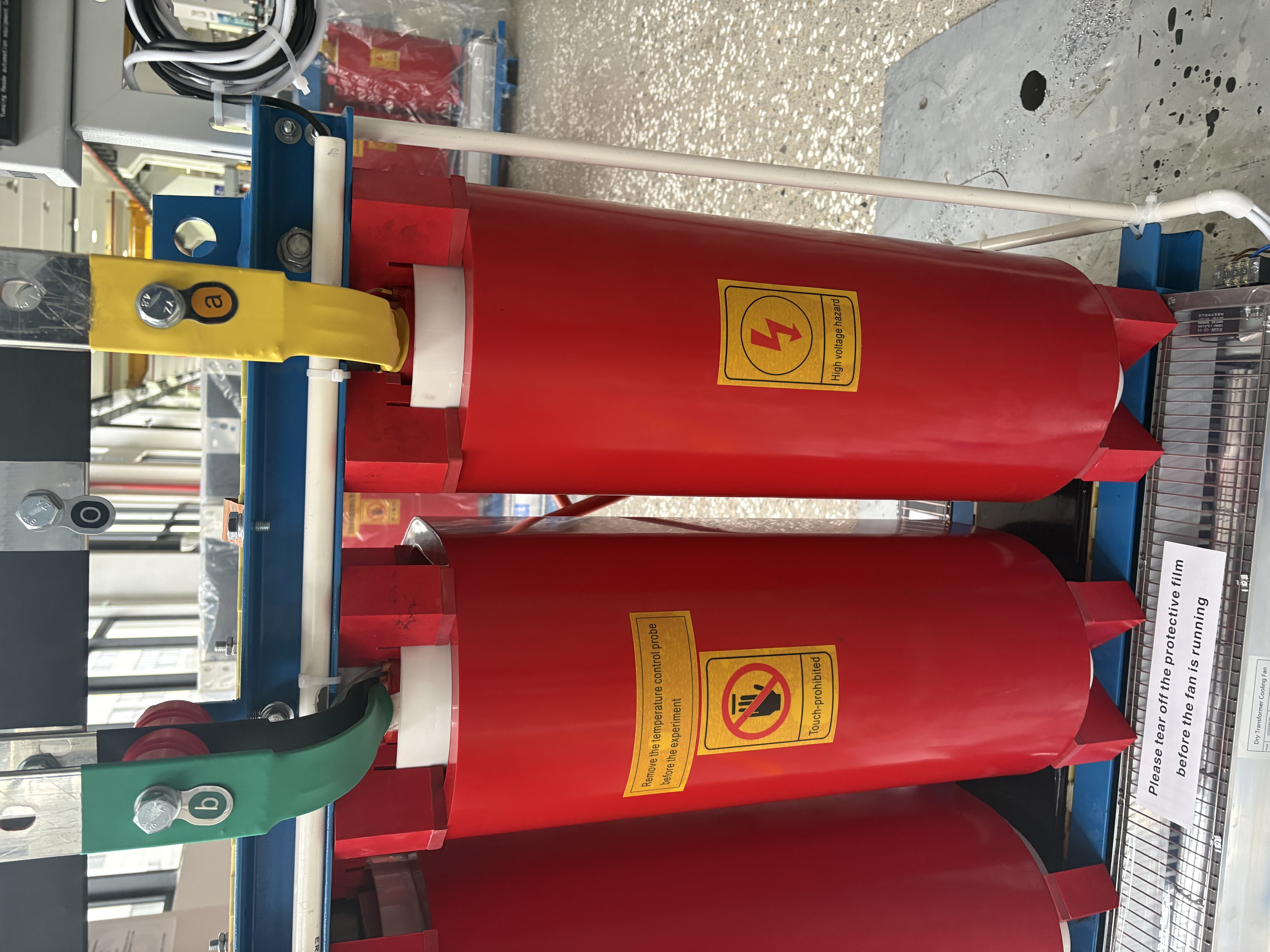
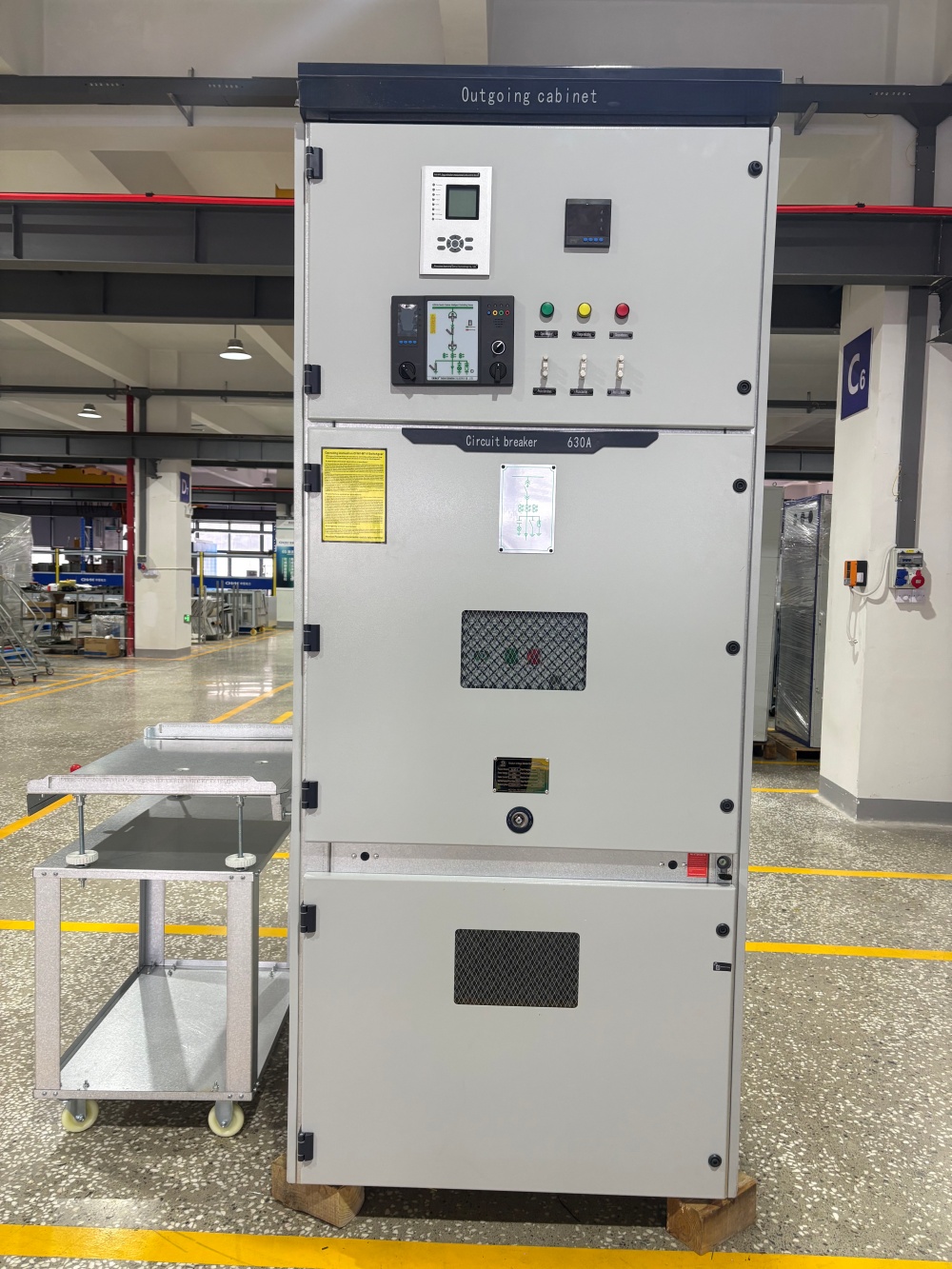
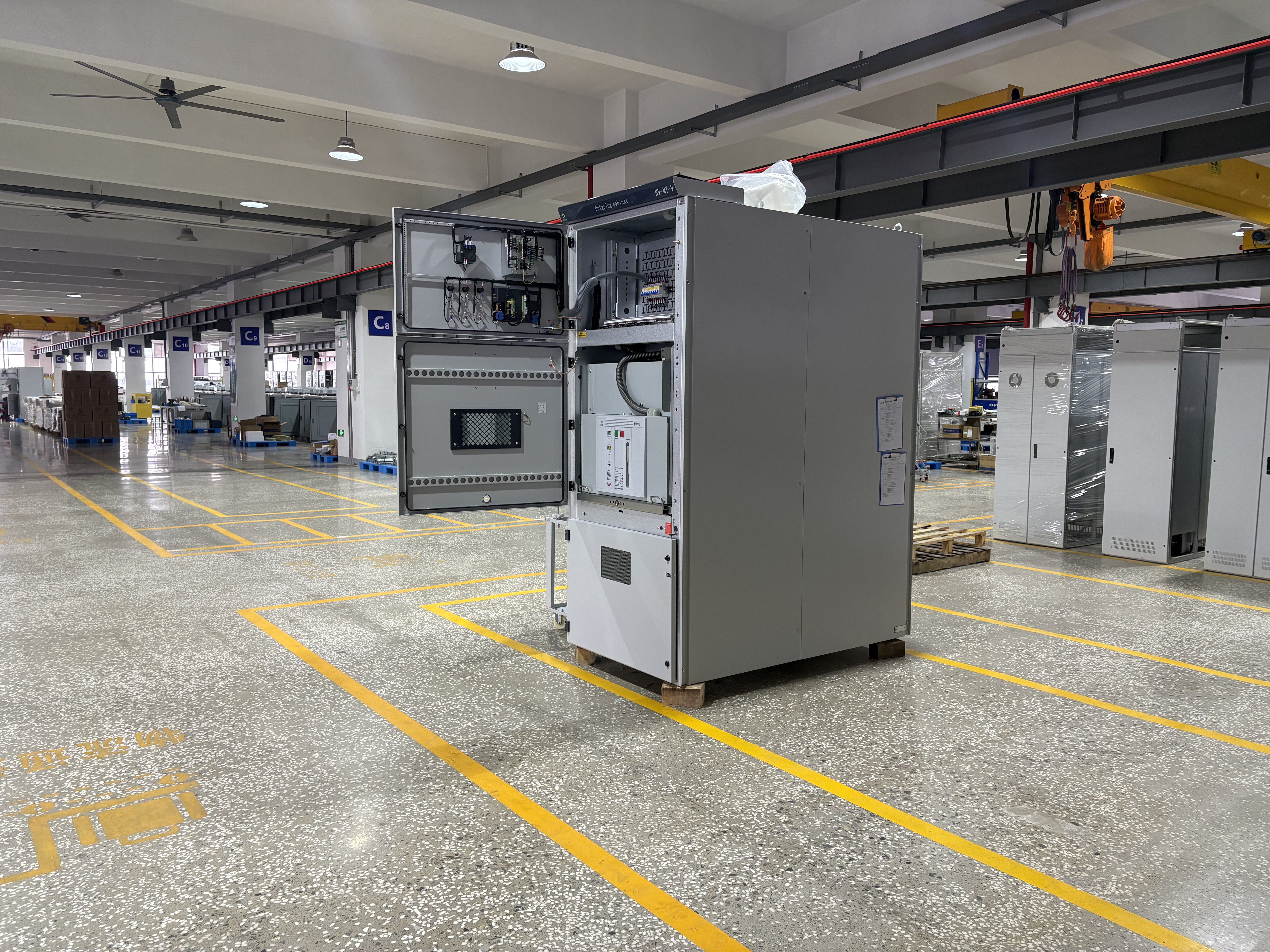
A high voltage current transformer is an essential electrical device designed to measure and monitor electrical currents in high voltage power systems. This specialized transformer converts high voltage currents into lower, manageable levels that standard measuring instruments can safely process. The high voltage current transformer operates by stepping down dangerous high voltage currents to standardized secondary currents, typically 5 amperes or 1 ampere, enabling accurate measurement without exposing personnel or equipment to hazardous voltages.
The primary function of a high voltage current transformer involves current measurement, protection relay operation, and power system monitoring. By isolating measurement circuits from high voltage systems, the high voltage current transformer protects both instruments and operators from electrical hazards. Modern high voltage current transformers incorporate advanced magnetic core technology, precision windings, and robust insulation systems designed to withstand extreme electrical stress.
These transformers find widespread applications across electrical transmission networks, distribution systems, industrial power plants, and renewable energy facilities. A high voltage current transformer enables utilities to maintain accurate billing, monitor power quality, and implement protective relaying schemes. The device serves critical roles in substations, generating stations, and industrial complexes where precise current measurement and system protection are essential. Engineers rely on high voltage current transformer installations to ensure reliable power delivery, equipment safety, and regulatory compliance. Whether monitoring three-phase power systems or protecting expensive electrical infrastructure, this transformer technology remains indispensable for modern electrical operations.

 EN
EN