data center power distribution
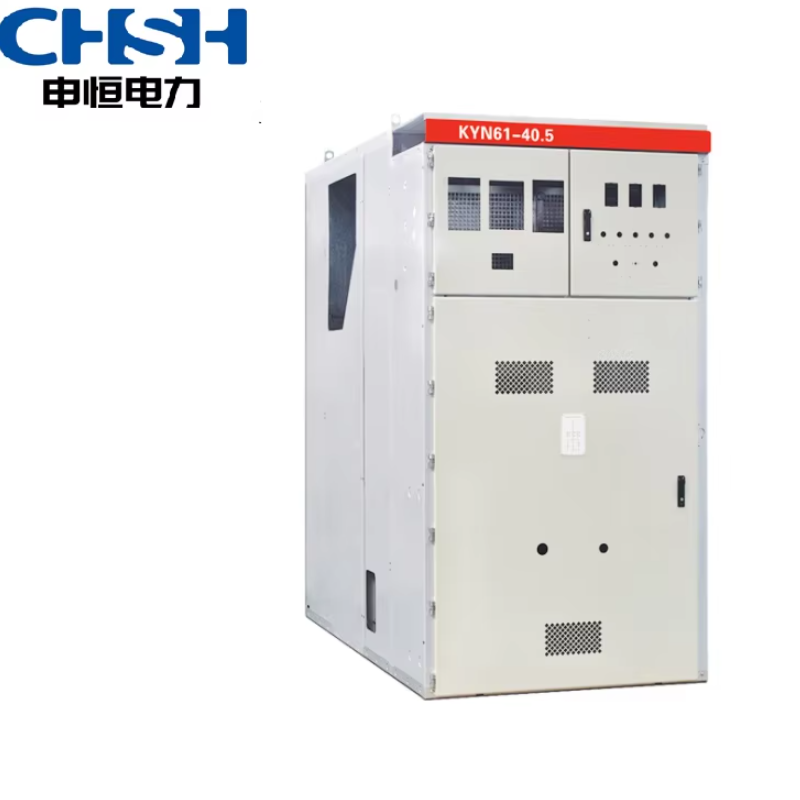
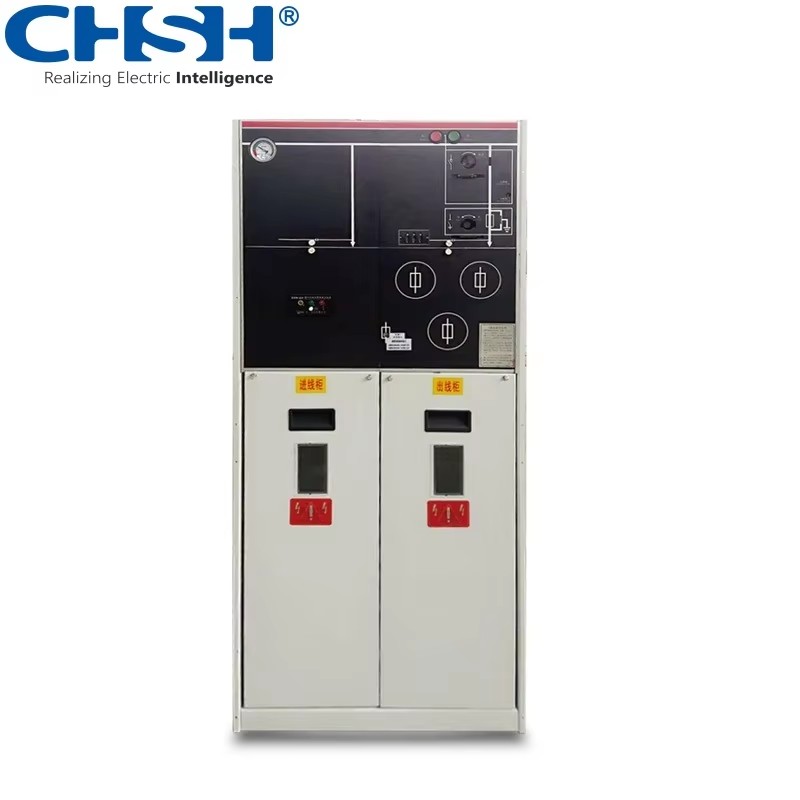
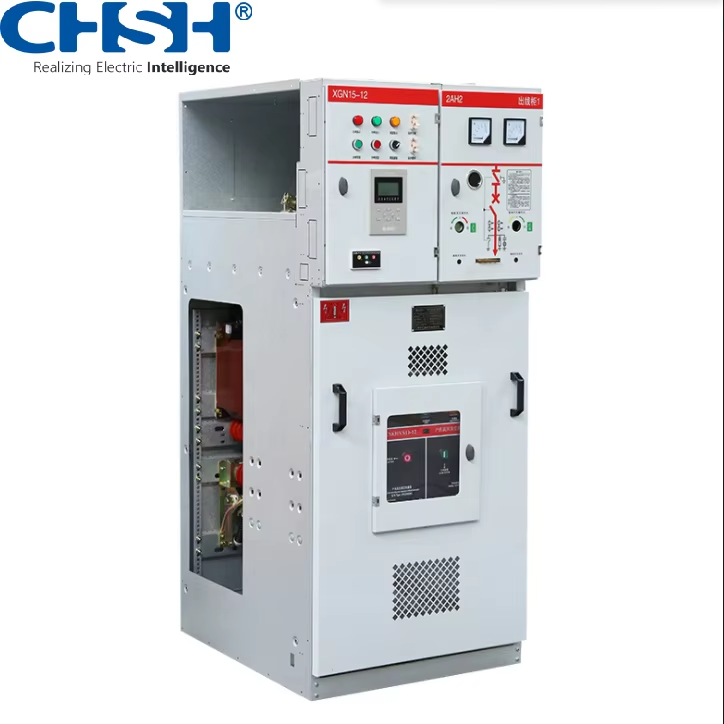
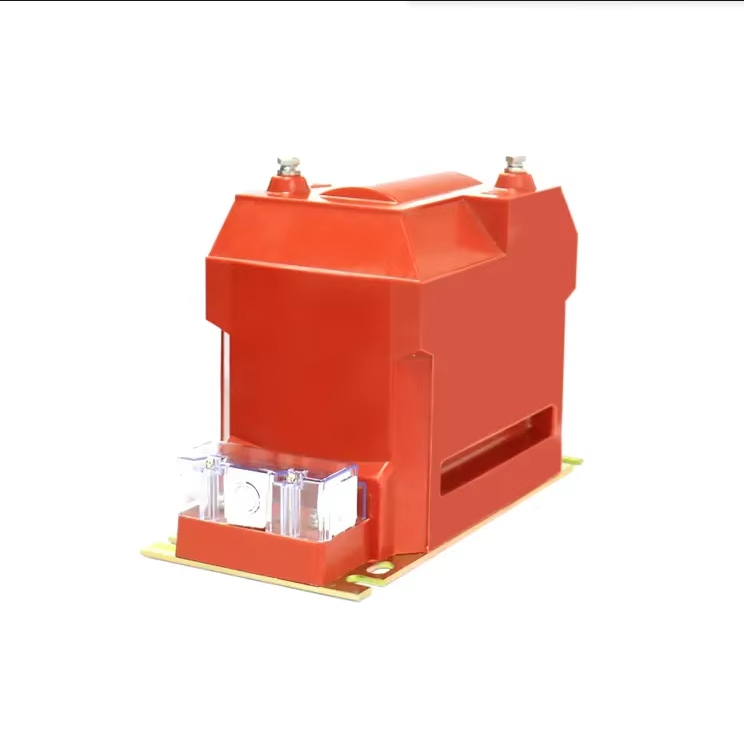
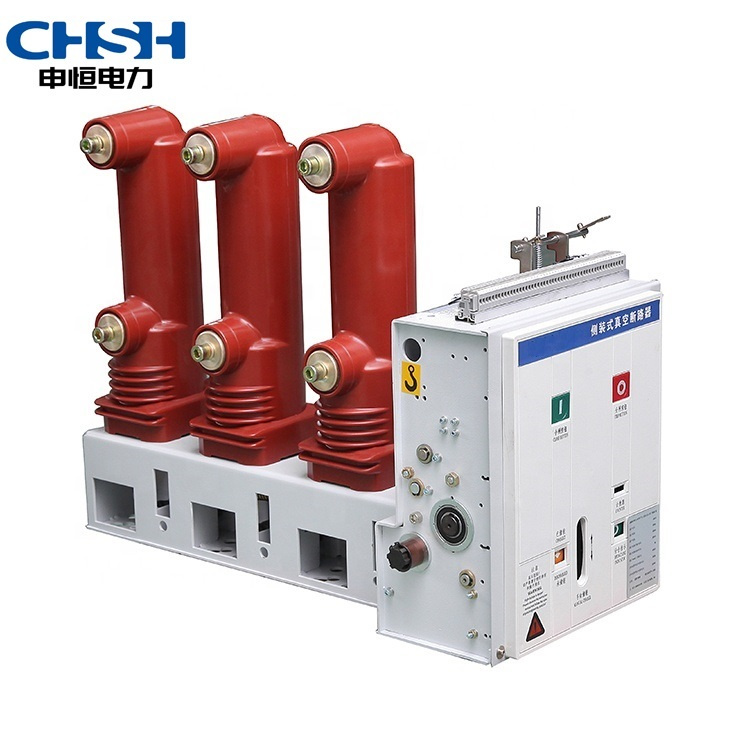
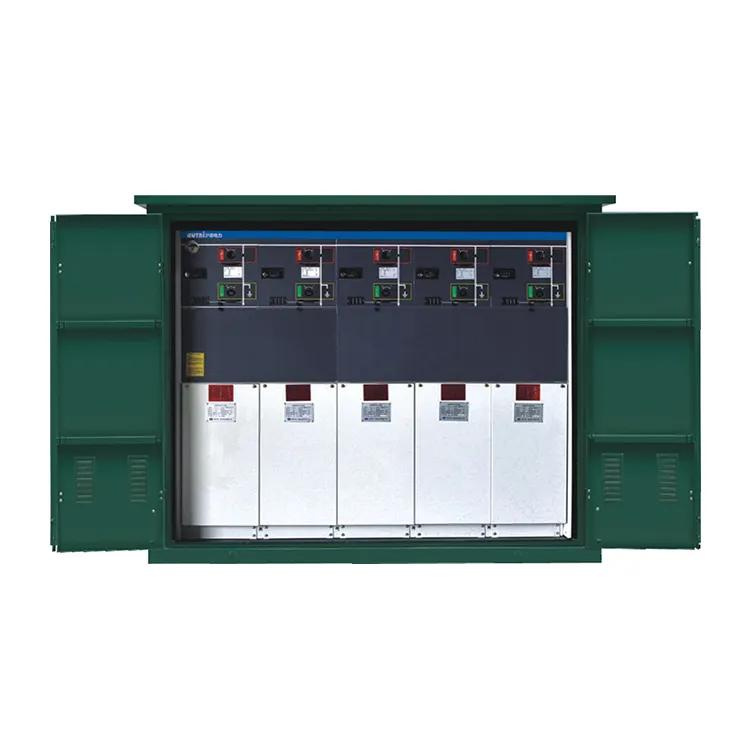
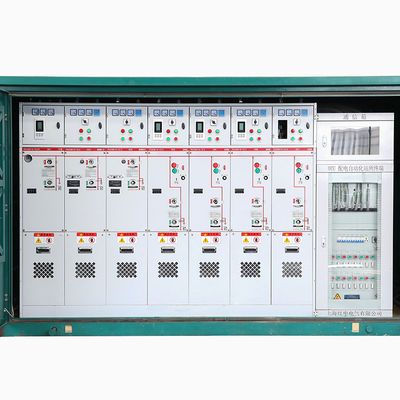
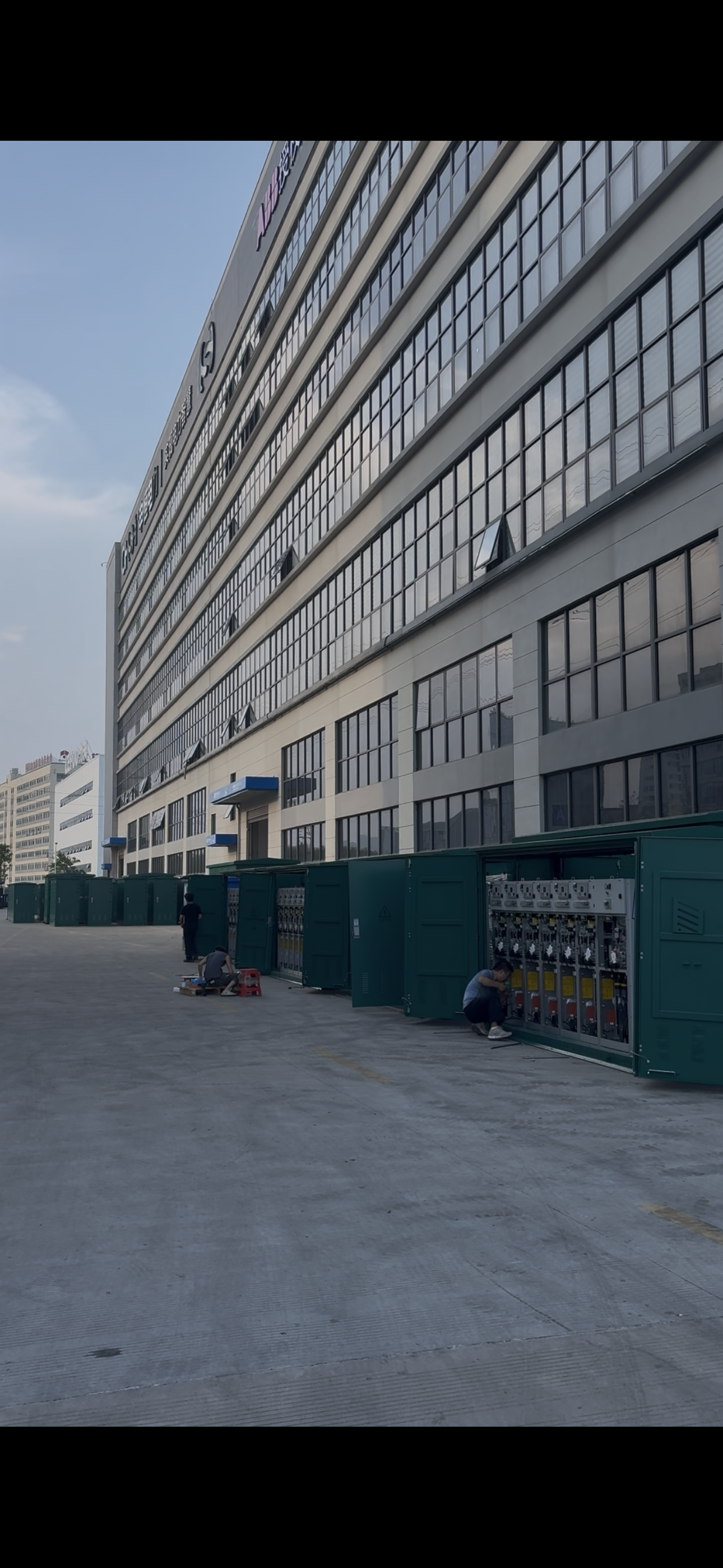
Data center power distribution represents a critical infrastructure component that ensures reliable electricity delivery throughout modern computing facilities. This system manages the flow of electrical power from utility sources through transformers, switchgear, and distribution panels to individual servers, storage devices, and networking equipment. Data center power distribution maintains consistent voltage levels and prevents electrical surges that could damage sensitive hardware.
The main function of data center power distribution involves converting incoming utility power into usable electricity for IT equipment while maintaining redundancy and fault tolerance. Advanced data center power distribution systems incorporate multiple pathways to prevent single points of failure, ensuring continuous operations even during maintenance or emergency situations.
Technological features of modern data center power distribution include intelligent monitoring systems, automatic switching capabilities, and energy management controls. These systems track real-time power consumption, identify inefficiencies, and optimize load distribution across the facility. Smart data center power distribution solutions integrate with building management systems to provide comprehensive visibility into power usage patterns.
Applications of data center power distribution extend across enterprise computing environments, cloud service providers, telecommunications networks, and financial institutions. Organizations rely on data center power distribution to support mission-critical operations where downtime proves costly and unacceptable. The reliability of data center power distribution directly impacts service availability, data integrity, and customer satisfaction in today's digital economy.

 EN
EN