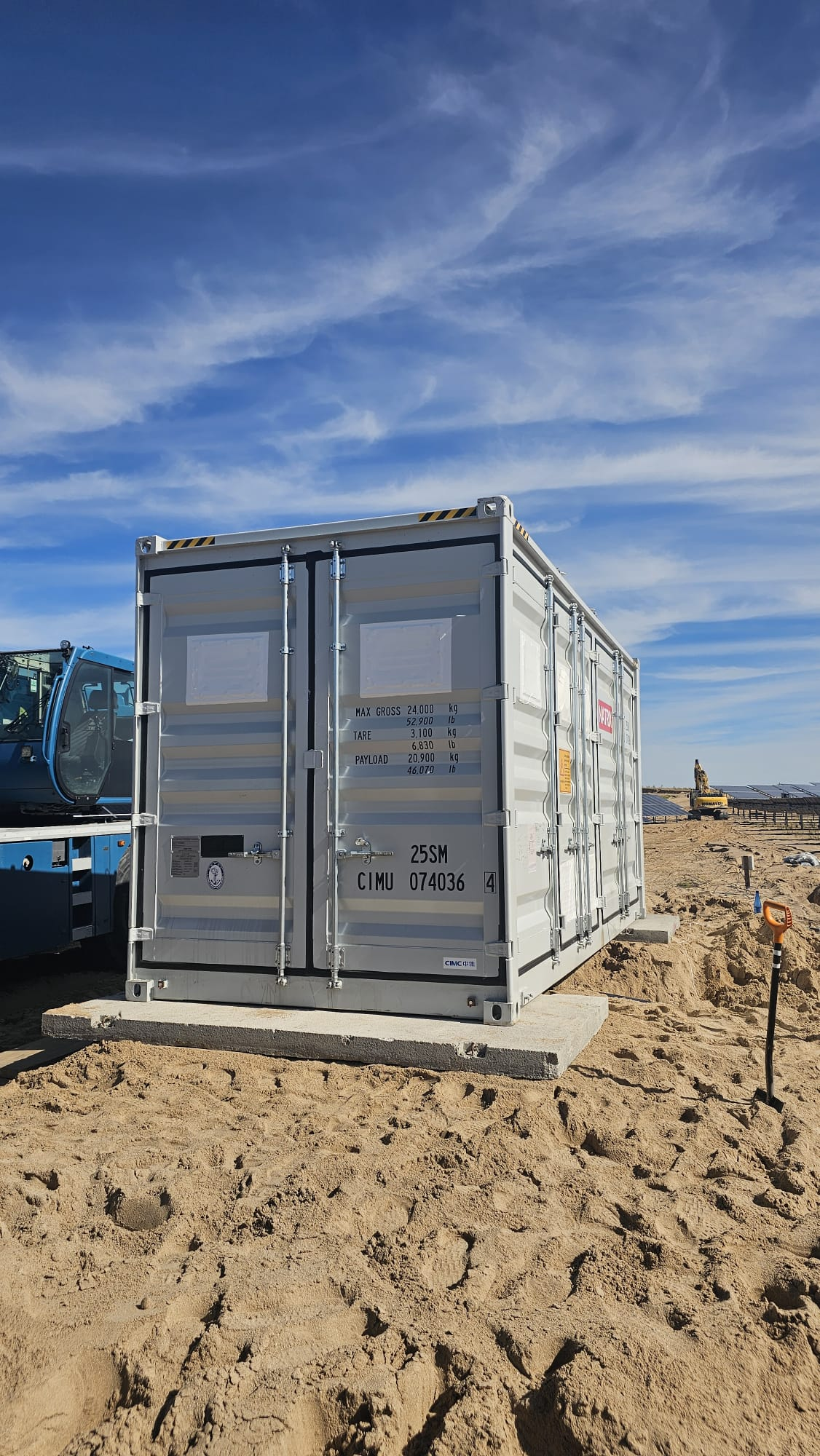
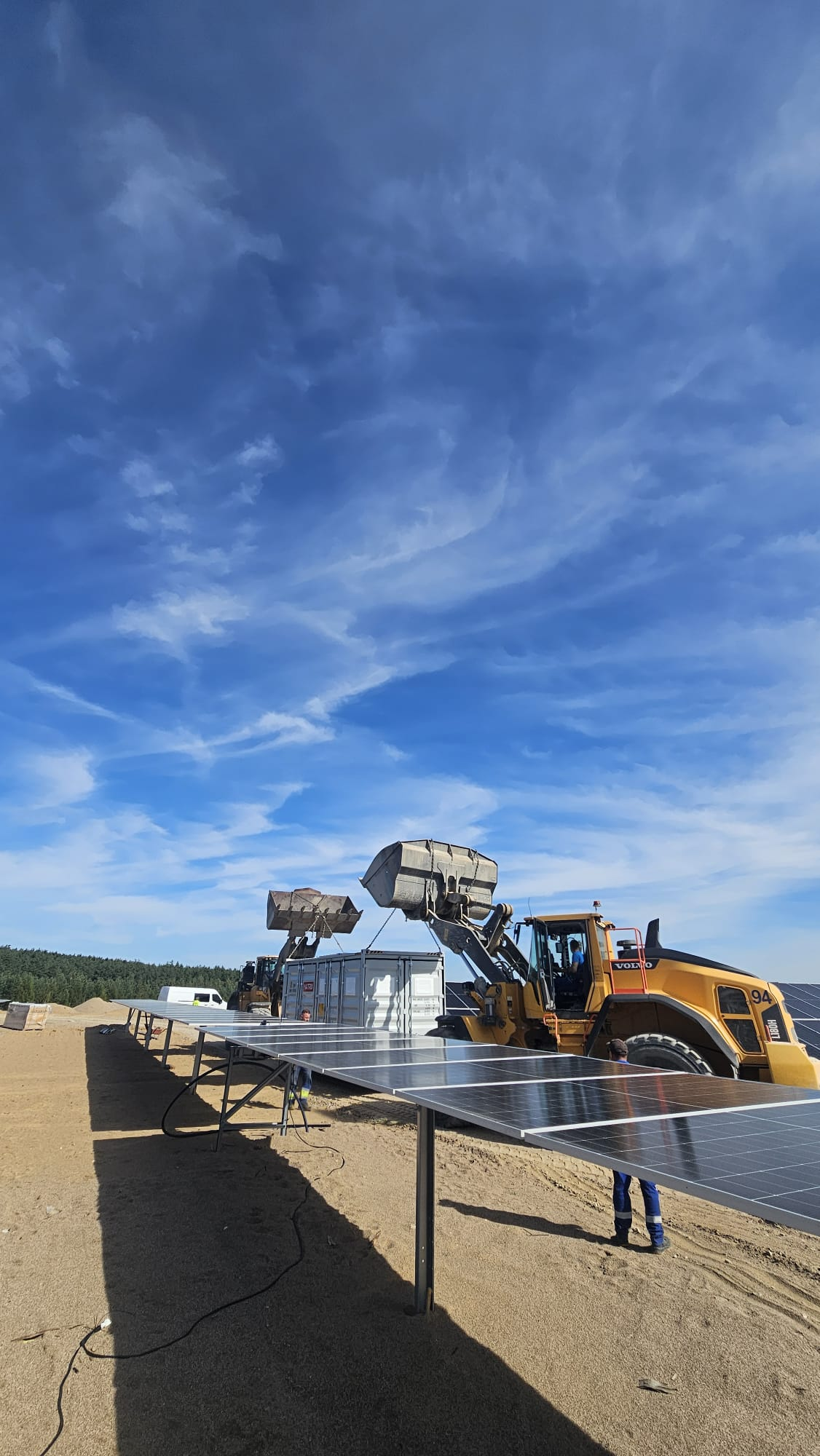
data center power distribution system
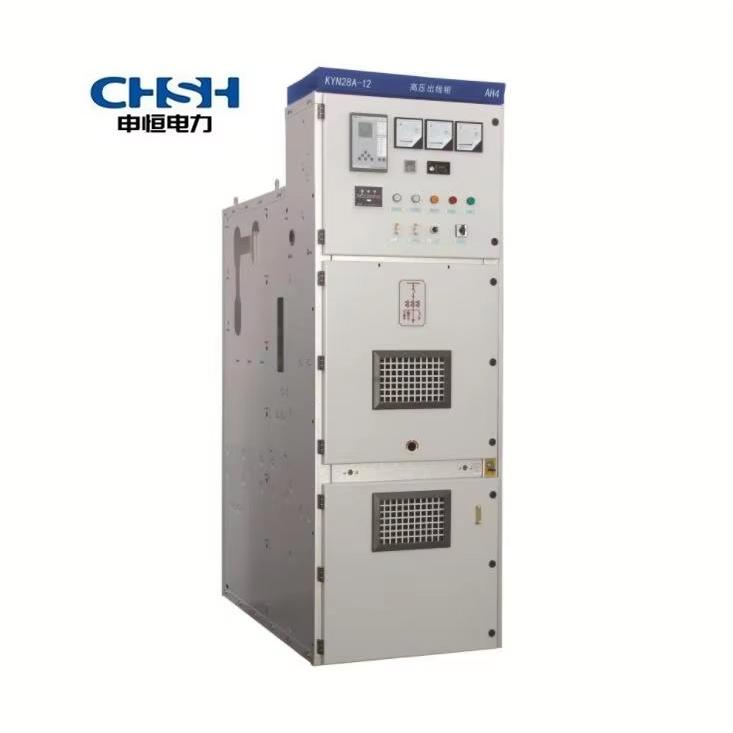
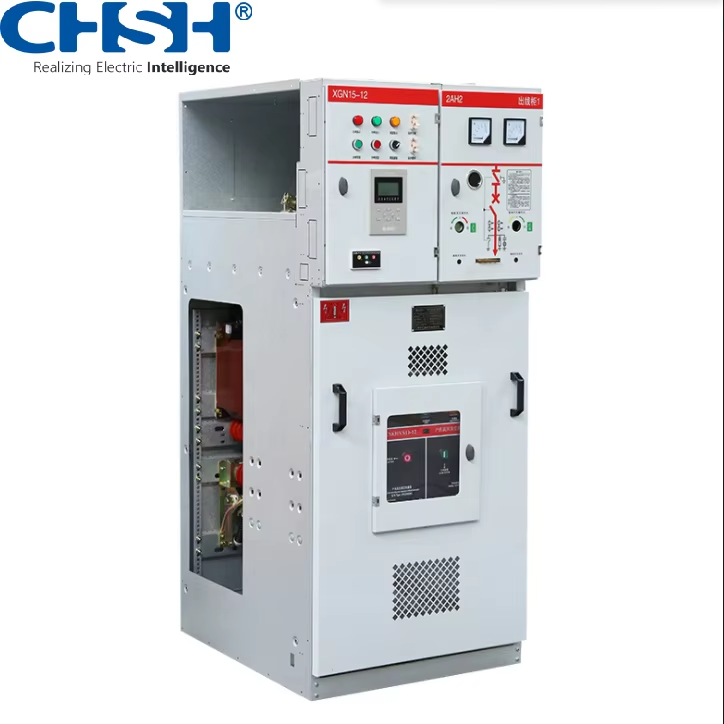
A data center power distribution system serves as the backbone infrastructure that manages and delivers electrical power throughout a data center facility. This critical system encompasses multiple layers of power management technology designed to ensure consistent, reliable energy delivery to servers, networking equipment, and supporting infrastructure. The data center power distribution system regulates voltage levels, distributes power efficiently across different zones, and maintains operational continuity through advanced monitoring and control mechanisms.
The primary functions of a data center power distribution system include voltage regulation, load balancing, circuit protection, and real-time power monitoring. Modern data center power distribution system implementations integrate uninterruptible power supplies (UPS), automatic transfer switches, and sophisticated metering devices that work together to maintain power quality and prevent downtime. These systems utilize redundancy principles, often incorporating N+1 or 2N configurations to guarantee that power delivery continues even during component failures.
Technological features of contemporary data center power distribution system solutions include intelligent PDU (power distribution unit) technology, remote management capabilities, predictive analytics, and integration with building management systems. The data center power distribution system employs real-time monitoring sensors that track voltage, current, temperature, and power consumption metrics. Advanced systems incorporate artificial intelligence algorithms that predict potential failures before they occur, enabling proactive maintenance scheduling. These technological innovations transform the data center power distribution system from passive infrastructure into an actively managed, intelligent asset that optimizes energy efficiency and reduces operational risks while supporting the demanding requirements of modern digital infrastructure.

 EN
EN