Control Panel of Substation | Power Management

All Categories

Get a Free Quote

Our representative will contact you soon.
Email
Name
Company Name
Message
0/1000

control panel of substation

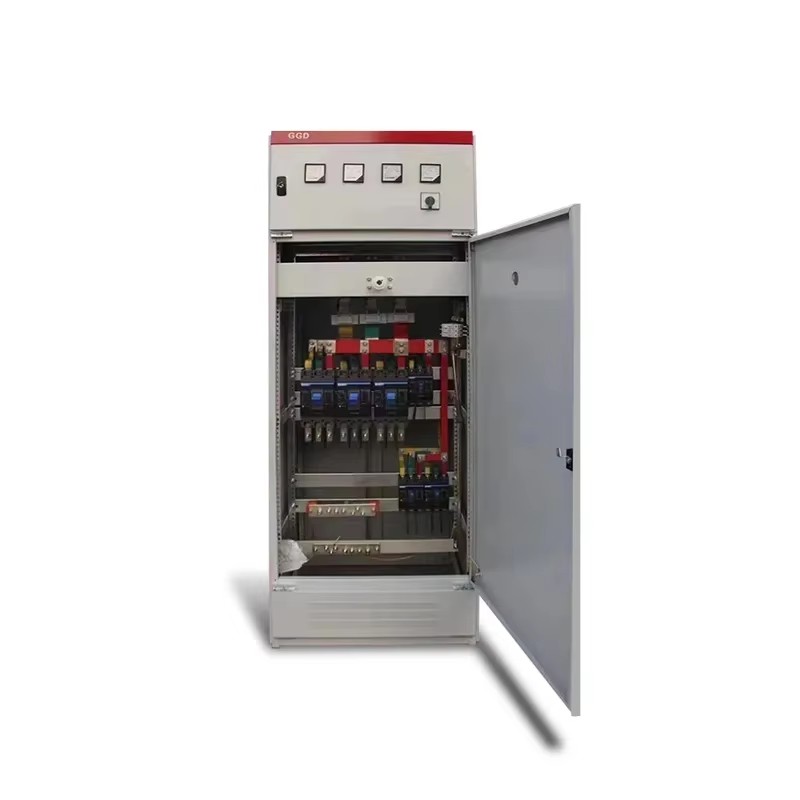
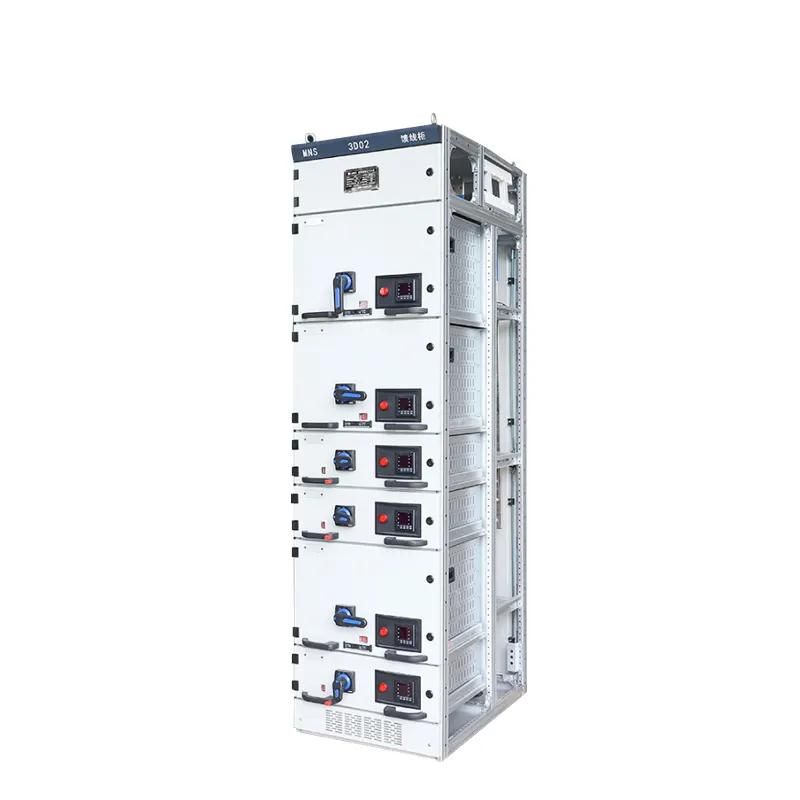
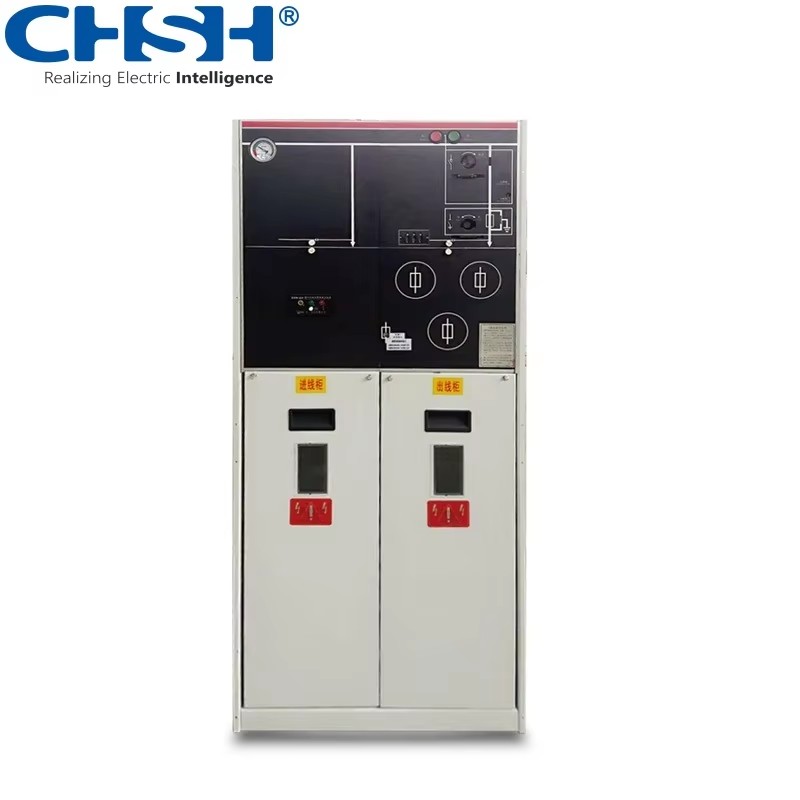
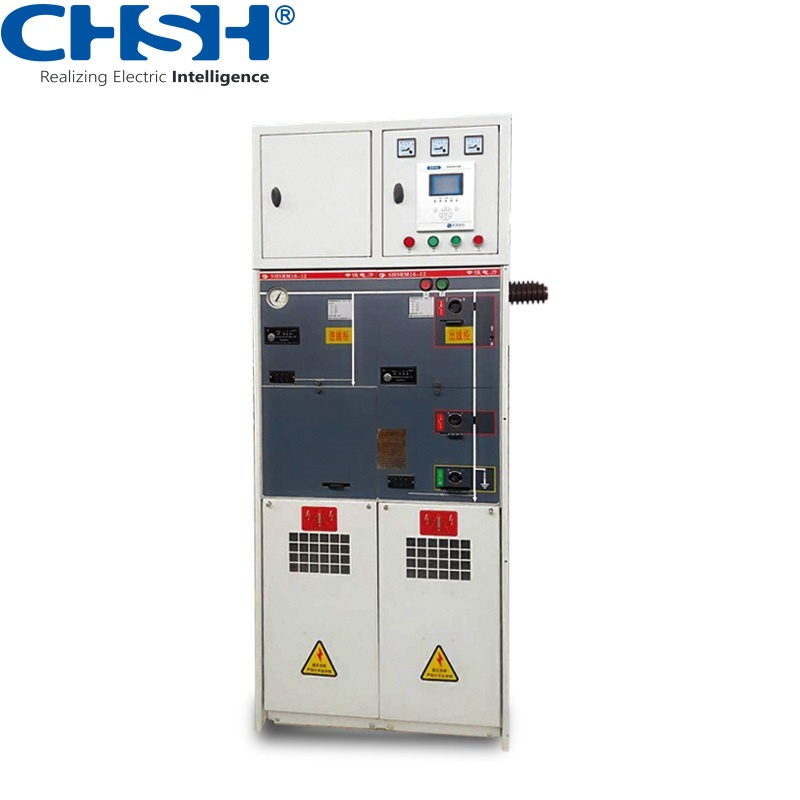
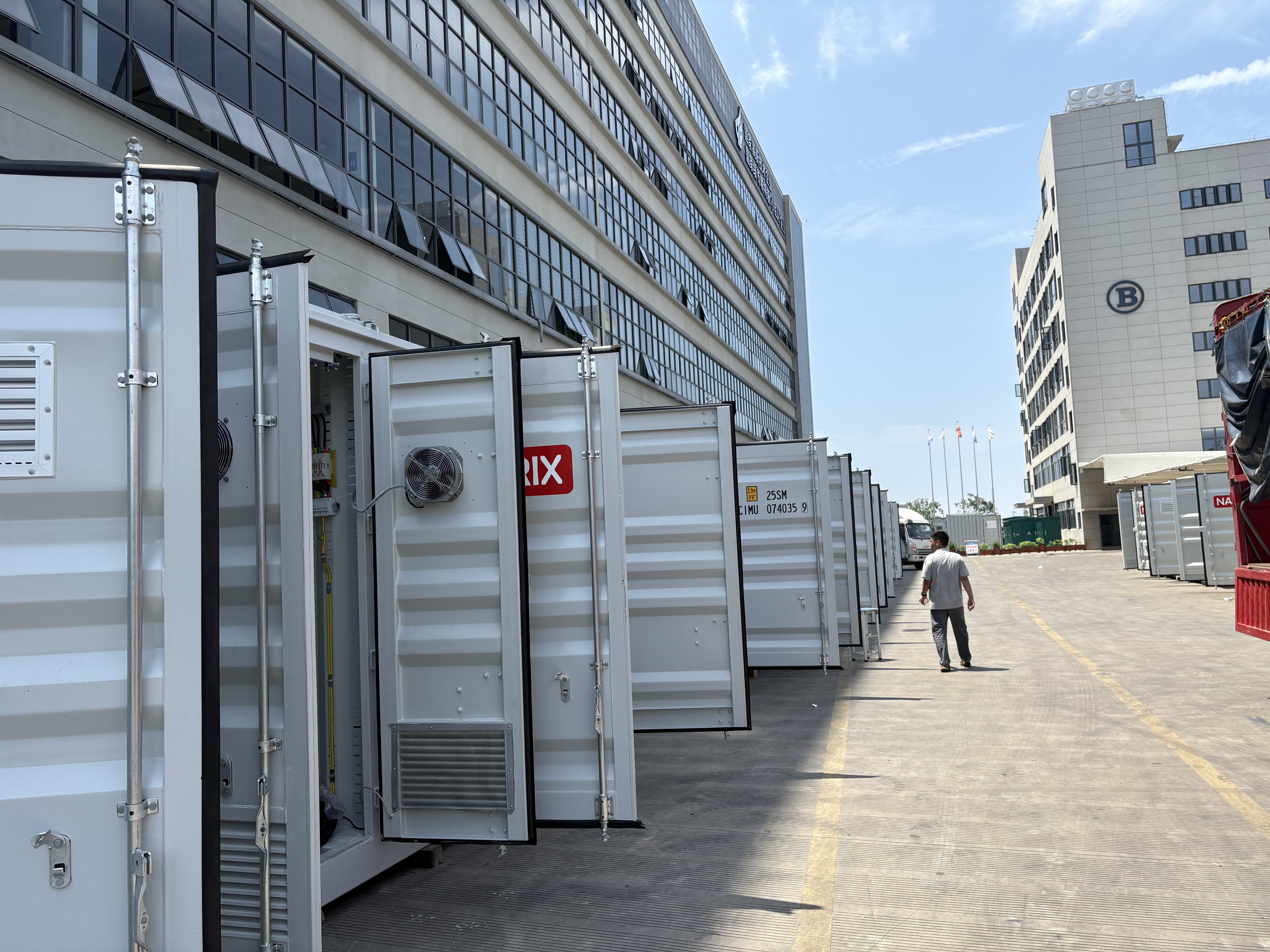
A control panel of substation serves as the operational nerve center for managing electrical power distribution and protection systems. The control panel of substation integrates sophisticated monitoring, switching, and protection equipment that regulates voltage levels, manages load distribution, and safeguards against electrical faults. This essential infrastructure component represents a critical investment in modern power management systems. The control panel of substation contains multiple technological features designed for reliable operation. Advanced microprocessor-based relays provide precise fault detection and isolation capabilities. Real-time monitoring systems continuously track electrical parameters including voltage, current, frequency, and power factor. Digital displays and intuitive interfaces enable operators to visualize system status and make informed decisions rapidly. Functionally, the control panel of substation performs several vital roles. It coordinates equipment switching operations, manages reactive power compensation, and enables communication with supervisory control and data acquisition systems. Protection functions include overcurrent detection, earth fault protection, and thermal monitoring capabilities that automatically respond to abnormal conditions. Applications for the control panel of substation extend across diverse sectors. Utility companies rely on these panels for primary and secondary substations managing transmission and distribution networks. Industrial facilities use substations to regulate power supply for manufacturing operations. Renewable energy installations incorporate substations to integrate solar and wind power into grid systems. Commercial buildings and data centers depend on substation control panels for uninterrupted electrical supply. Modern control panel of substation designs emphasize reliability, efficiency, and safety. Enhanced automation reduces manual intervention requirements while improving response times to electrical disturbances. Standardized interfaces facilitate integration with existing power management infrastructure, making the control panel of substation an adaptable solution for evolving energy needs.

Popular Products

The control panel of substation delivers substantial operational and financial benefits that justify investment in modern equipment. Enhanced system reliability stands as the primary advantage, as sophisticated protective mechanisms automatically detect and isolate faults before they cascade throughout the network. This rapid response capability significantly reduces downtime and prevents expensive damage to connected equipment and infrastructure. Operational efficiency improvements emerge from automated monitoring and control functions integrated into the control panel of substation. Real-time data collection enables operators to optimize power flow, reduce transmission losses, and maintain voltage stability across distribution networks. Automated switching sequences reduce manual workload and eliminate human error from critical control operations, allowing operators to focus on strategic planning and system optimization. Financial benefits of upgrading to a modern control panel of substation include reduced maintenance costs through predictive fault detection and preventive maintenance scheduling. Early warning systems alert maintenance teams to potential equipment degradation before catastrophic failures occur, extending asset lifespan and deferring replacement investments. Lower operational costs result from improved efficiency and reduced emergency repairs. The control panel of substation enables seamless integration with advanced communication systems and data analytics platforms. Grid operators gain unprecedented visibility into system performance, facilitating informed decision-making and proactive management. Remote monitoring capabilities allow operators to supervise multiple substations from centralized control centers, reducing staffing requirements. Scalability represents another crucial advantage of modern control panel of substation technology. Systems grow with organizational needs, accommodating expanded capacity without complete replacement. Standardized components simplify procurement, training, and maintenance procedures across multiple facilities. Industry compliance becomes straightforward as the control panel of substation incorporates latest regulatory standards and safety protocols, ensuring legal operation and avoiding costly penalties. These comprehensive advantages make upgrading to modern substation control technology a strategic investment for any power distribution organization.

Practical Tips

What Role Does a Transformer Play in Power Transmission and Distribution?

27

May

What Role Does a Transformer Play in Power Transmission and Distribution?

Electricity must travel vast distances from generation facilities to the homes, factories, and commercial buildings that depend on it every day. Throughout that journey, voltage levels must be carefully managed to ensure efficiency, safety, and relia...
View More
How Does an RMU Enhance Reliability in Urban Power Distribution?

27

May

How Does an RMU Enhance Reliability in Urban Power Distribution?

Urban power distribution networks are growing more complex every year. As cities expand, the demand for uninterrupted, safe, and flexible electricity supply intensifies across commercial districts, residential high-rises, underground transit systems,...
View More
What Factors Affect the Efficiency of a Power Transformer?

27

May

What Factors Affect the Efficiency of a Power Transformer?

A power transformer is one of the most critical components in any electrical transmission or distribution system. Its fundamental role is to convert voltage levels with minimal energy loss, enabling electricity to travel efficiently from generation p...
View More
What Is the Function of a Tap Changer in Voltage Regulation?

27

May

What Is the Function of a Tap Changer in Voltage Regulation?

In power distribution systems, maintaining a stable output voltage is one of the most critical engineering challenges. Load conditions fluctuate constantly, grid supply voltages shift, and equipment sensitivity demands precision that passive transfor...
View More

Get a Free Quote

Our representative will contact you soon.
Email
Name
Company Name
Message
0/1000

control panel of substation

Advanced Fault Detection and Automatic Protection

Advanced Fault Detection and Automatic Protection

The control panel of substation incorporates state-of-the-art protective relays that identify electrical faults within milliseconds of occurrence. Microprocessor-based algorithms continuously analyze electrical parameters, detecting overcurrent conditions, phase imbalances, ground faults, and other abnormalities that threaten system integrity. Upon fault detection, the control panel of substation automatically triggers isolation mechanisms that disconnect affected circuits, preventing fault propagation and protecting connected equipment from damage. This automatic protection capability delivers exceptional value by eliminating response delays inherent in manual monitoring systems. Operators no longer need to constantly observe system indicators to identify emerging problems. Instead, the control panel of substation responds instantaneously to disturbances, isolating problems and maintaining service to unaffected portions of the network. This automated response reduces equipment damage costs, extends infrastructure lifespan, and minimizes revenue loss from service interruptions. The sophisticated protection architecture makes the control panel of substation an indispensable component for reliability-critical applications where seconds of downtime translate to significant financial consequences.
Real-Time Monitoring and Remote Supervisory Control

Real-Time Monitoring and Remote Supervisory Control

Modern control panel of substation systems provide continuous real-time monitoring of all critical electrical parameters including voltage levels, current flows, frequency stability, and power quality metrics. Digital displays and graphical interfaces present complex data in intuitive formats that operators understand immediately. The control panel of substation transmits this information to supervisory control and data acquisition platforms, enabling centralized monitoring of distributed substations across vast geographic areas. Remote monitoring capabilities transform operational efficiency by allowing qualified operators to oversee multiple substations from centralized command centers rather than requiring onsite presence at each location. The control panel of substation supports bidirectional communication, enabling operators to adjust settings, modify switching sequences, and respond to changing conditions without traveling to physical locations. This remote capability reduces staffing requirements, improves response times to emerging issues, and enhances operator safety by eliminating need for site visits during hazardous weather events. Real-time data trending and historical analysis available through the control panel of substation enable predictive maintenance strategies that prevent equipment failures before they disrupt service.
Seamless Integration and Future-Ready Scalability

Seamless Integration and Future-Ready Scalability

The control panel of substation architecture supports seamless integration with existing power management infrastructure while accommodating future expansion and technological advancement. Standardized communication protocols enable the control panel of substation to exchange data with protection relays, power quality monitors, and renewable energy interfaces without requiring extensive custom integration work. This standardization reduces implementation costs and project timelines for new installations or upgrades. Scalability built into modern control panel of substation design allows systems to grow with organizational needs. Additional protective circuits, monitoring channels, and communication modules integrate smoothly into existing installations without requiring complete replacement or extensive restructuring. The control panel of substation evolves alongside changing regulatory requirements, industry standards, and technological innovations. Modular component design enables selective upgrades rather than forcing replacement of entire systems. This forward-looking approach protects infrastructure investments while ensuring the control panel of substation remains current with technological advances. Organizations can confidently invest in modern substation control systems knowing they will remain relevant and adaptable for decades of reliable operation.

Get a Free Quote

Our representative will contact you soon.
Email
Name
Company Name
Message
0/1000