busbar current transformer
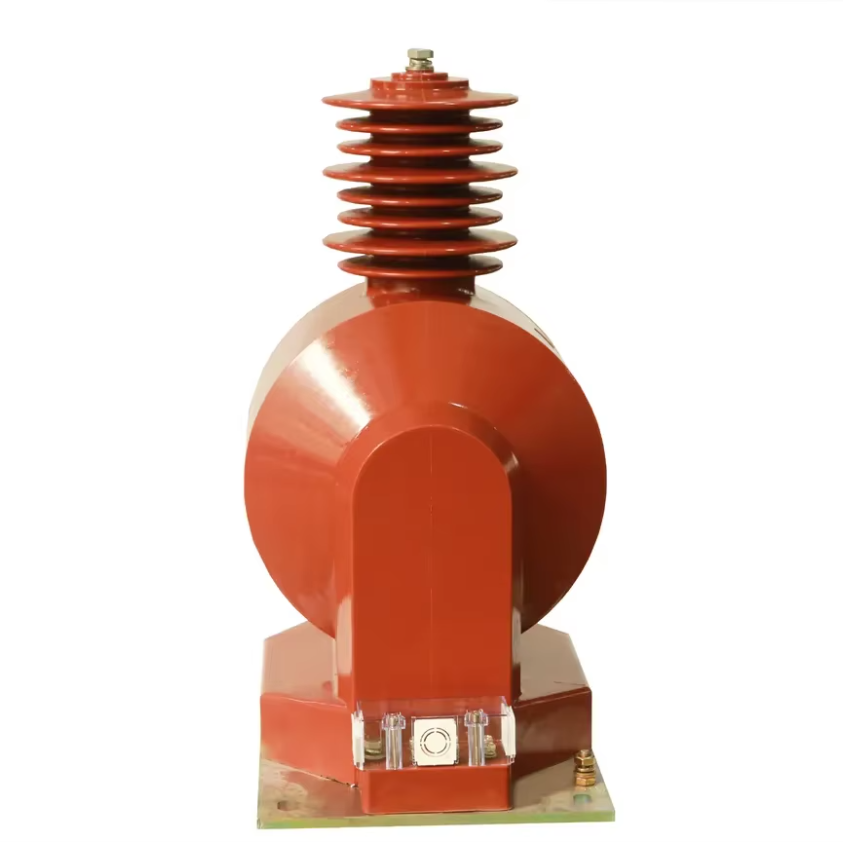
A busbar current transformer is a specialized electrical device designed to measure and monitor alternating current flowing through power distribution systems. This compact instrument transformer converts high primary currents into proportionally lower secondary currents that can be safely measured by standard metering equipment and protective relays.
The busbar current transformer operates on electromagnetic induction principles, where current flowing through the primary winding induces a proportional current in the secondary winding. This functional separation ensures operator safety while enabling accurate current measurement in high-voltage environments. The busbar current transformer is engineered to handle substantial electrical loads while maintaining precise accuracy across various operating conditions.
Key technological features of a busbar current transformer include exceptional linearity, low burden design, and high thermal stability. These devices incorporate precision-wound cores and carefully calibrated windings to minimize measurement errors and losses. The busbar current transformer typically features multiple secondary windings, allowing simultaneous connection to different measuring instruments and protective devices.
Applications for the busbar current transformer span across industrial power systems, utility substations, renewable energy installations, and commercial facilities. These transformers are essential components in metering systems, load analysis, power quality monitoring, and fault detection circuits. The busbar current transformer enables real-time current monitoring that supports both operational efficiency and equipment protection in modern electrical infrastructure.

 EN
EN