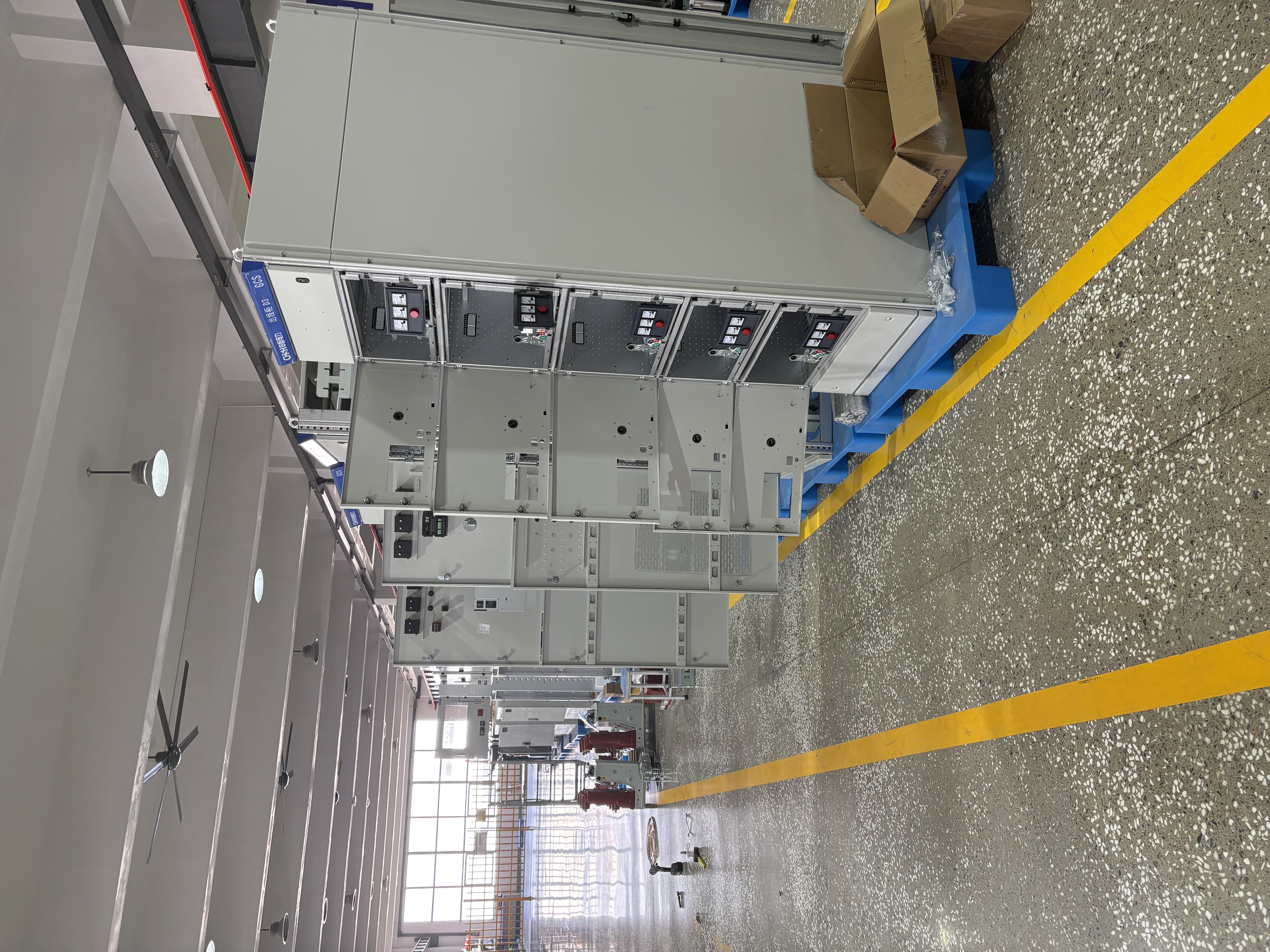
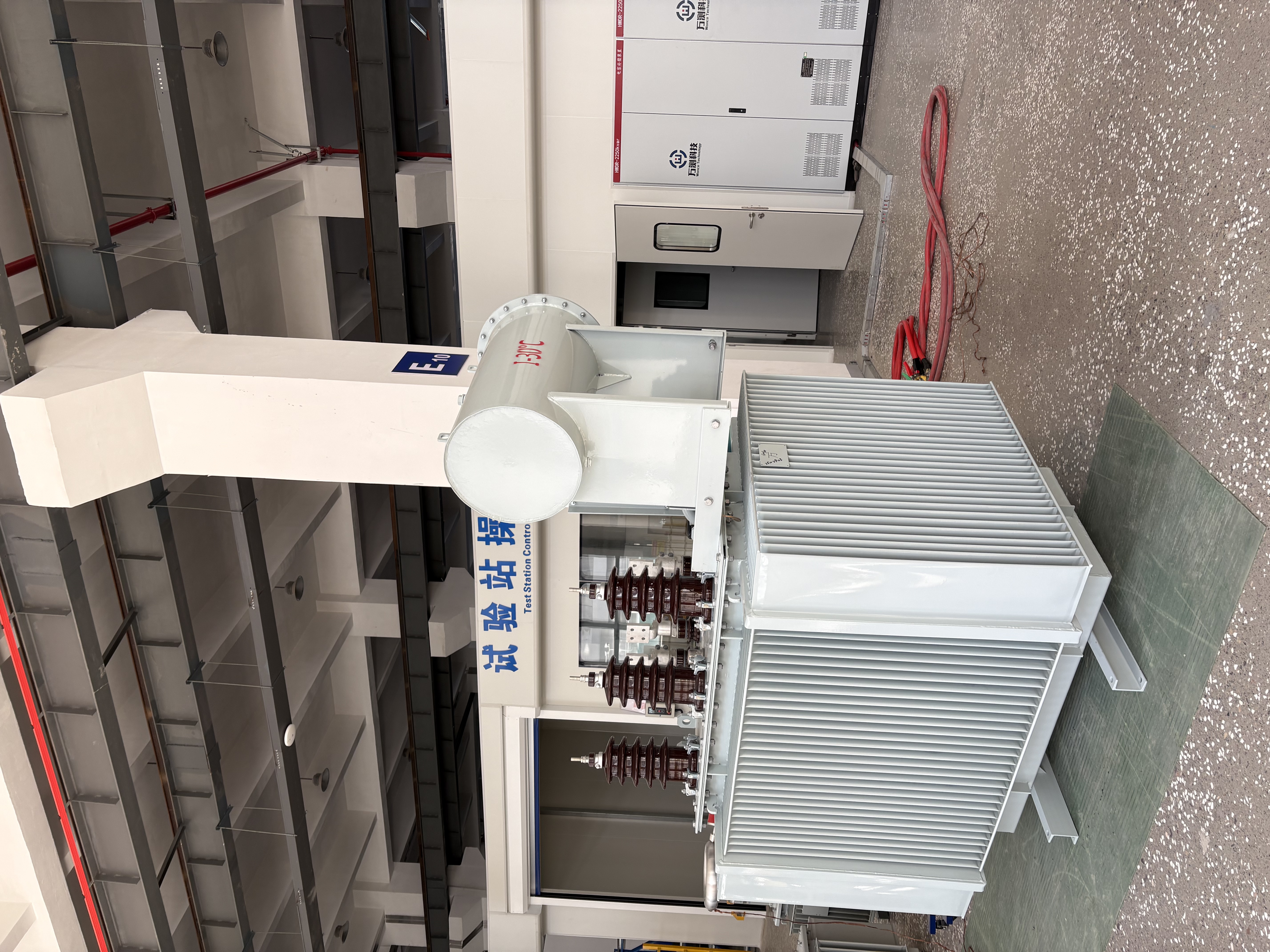
line current transformer
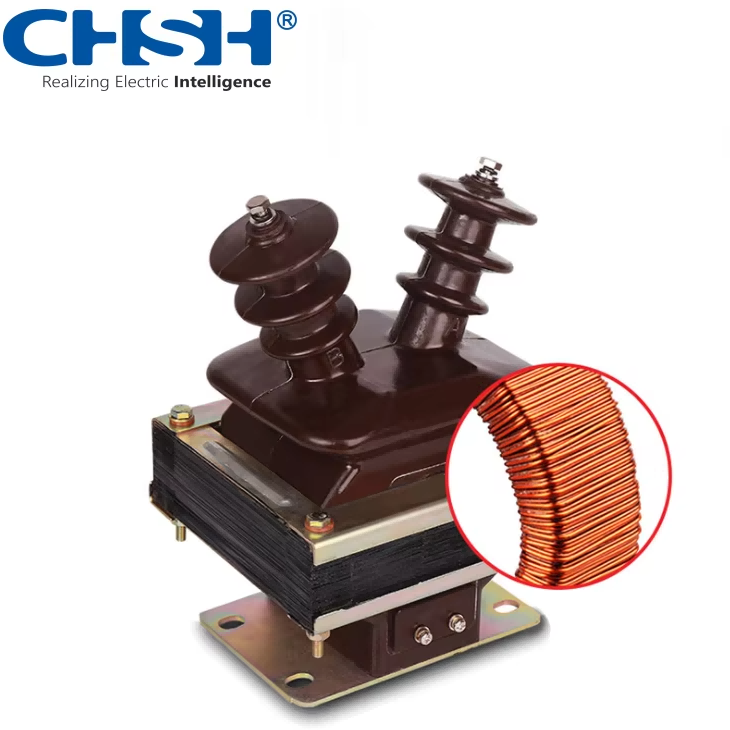
A line current transformer represents a specialized electrical device designed to measure and monitor alternating current flowing through power lines with exceptional accuracy. This essential component transforms high-voltage, high-amperage currents into proportionally smaller, manageable currents suitable for measurement instruments and protective relays. The line current transformer operates on electromagnetic induction principles, utilizing a primary winding connected to the power line and a secondary winding that supplies reduced current to metering equipment.
The primary function of a line current transformer involves stepping down dangerous high-current levels to safe, standardized values, typically 5 amperes, allowing safe operation of monitoring devices. Modern line current transformer designs incorporate advanced ferromagnetic cores and precision windings that ensure minimal error rates and exceptional frequency response characteristics. These transformers maintain consistent performance across varying load conditions, making them indispensable in electrical distribution networks.
Technological features of contemporary line current transformer units include burden optimization, temperature compensation, and enhanced insulation systems protecting against environmental degradation. Applications span across utility companies, industrial facilities, renewable energy installations, and commercial buildings where accurate current measurement proves critical for operational efficiency. The line current transformer enables real-time monitoring of electrical parameters, supporting demand response initiatives and power quality analysis. Its integration with modern smart grid technologies facilitates automated control systems and comprehensive energy management solutions. Whether deployed in transmission substations or distribution networks, the line current transformer remains fundamental to reliable power system operation and electrical infrastructure maintenance.

 EN
EN