smart distribution transformer
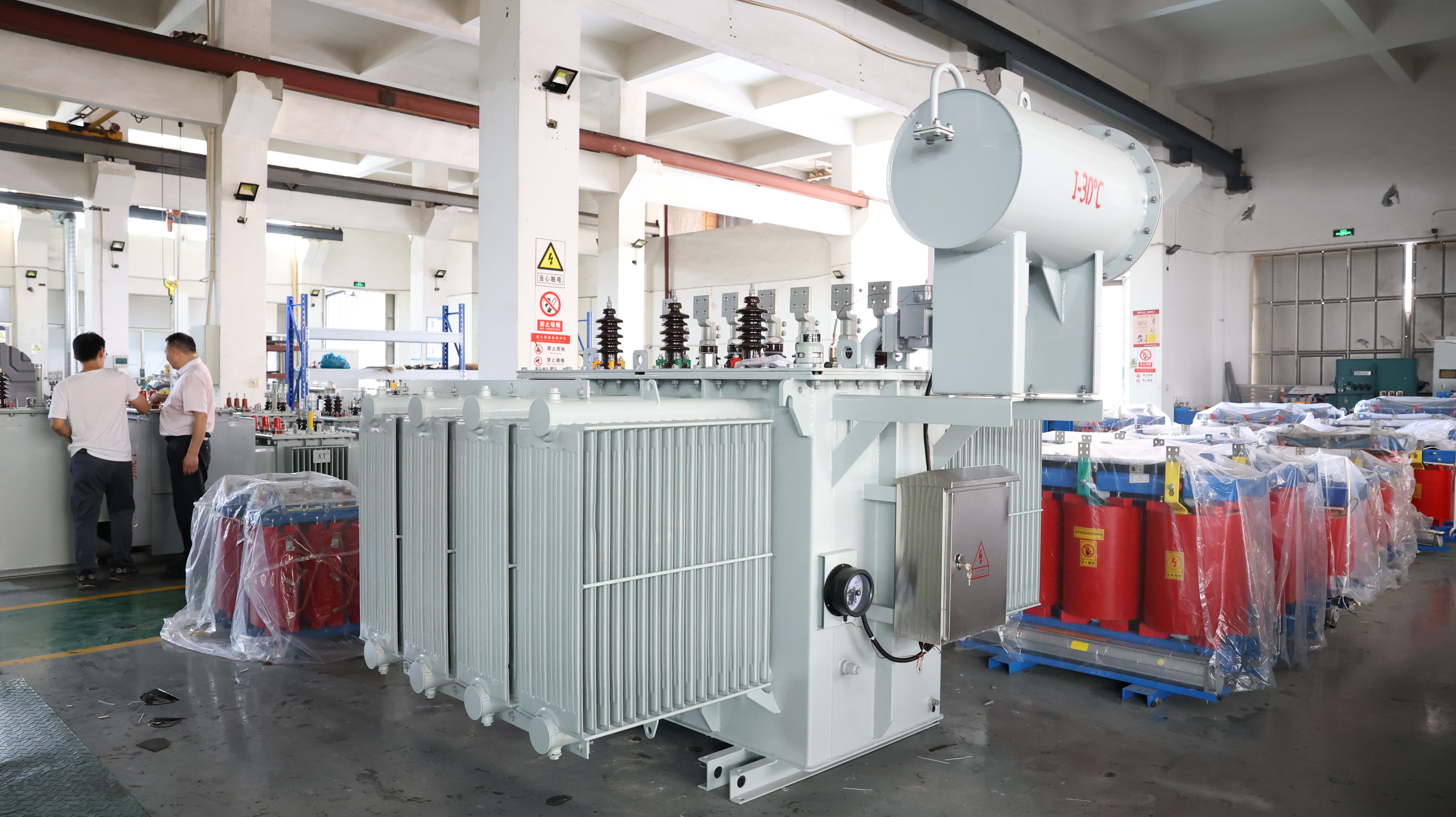
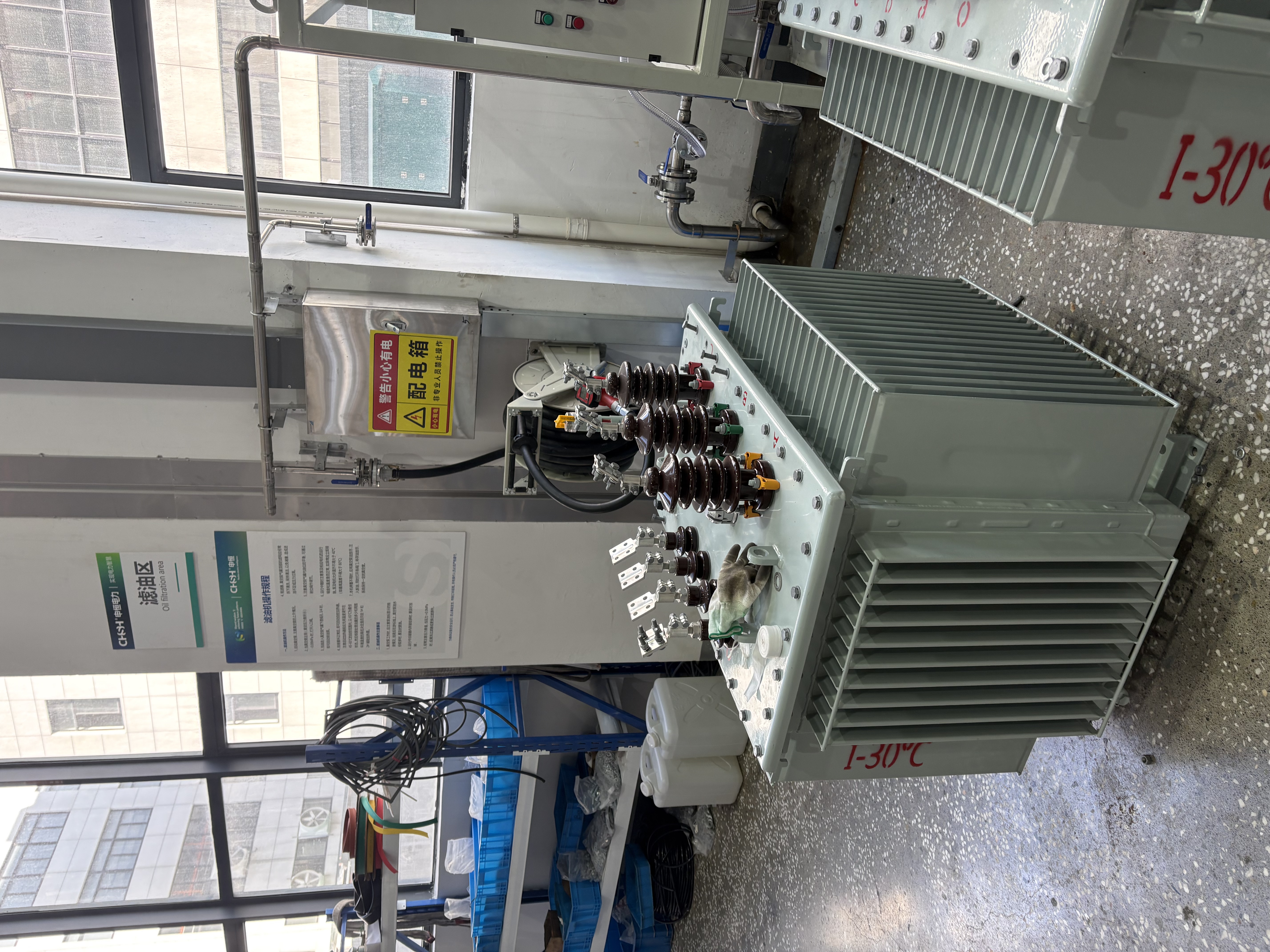
A smart distribution transformer represents a significant advancement in modern electrical infrastructure, combining traditional transformer technology with intelligent monitoring and control systems. This innovative device automatically manages power distribution across networks while continuously analyzing system performance in real time. The smart distribution transformer integrates digital sensors, communication modules, and automated controls to optimize energy delivery and enhance grid reliability.
The primary function of a smart distribution transformer involves stepping down high-voltage electricity to usable levels for residential and commercial consumers. However, unlike conventional transformers, a smart distribution transformer adds layers of intelligence through embedded monitoring systems that track voltage fluctuations, load conditions, and temperature variations. These systems automatically detect faults and anomalies, triggering protective measures before problems escalate.
Technologically, a smart distribution transformer employs advanced components including real-time data acquisition systems, wireless communication capabilities, and sophisticated algorithms for load forecasting. The device connects to broader smart grid networks, enabling bidirectional information flow with utility operators and other grid components. Smart distribution transformer systems support remote diagnostics, predictive maintenance scheduling, and dynamic load balancing across multiple distribution points.
Applications for the smart distribution transformer span urban electrical networks, industrial facilities, renewable energy integration projects, and rural electrification initiatives. Utilities deploy smart distribution transformers to improve service reliability, reduce outages, and facilitate the integration of distributed energy resources like solar panels and wind turbines. These devices prove essential in modern grid modernization efforts, enabling utilities to meet growing energy demands while maintaining system stability and efficiency.

 EN
EN