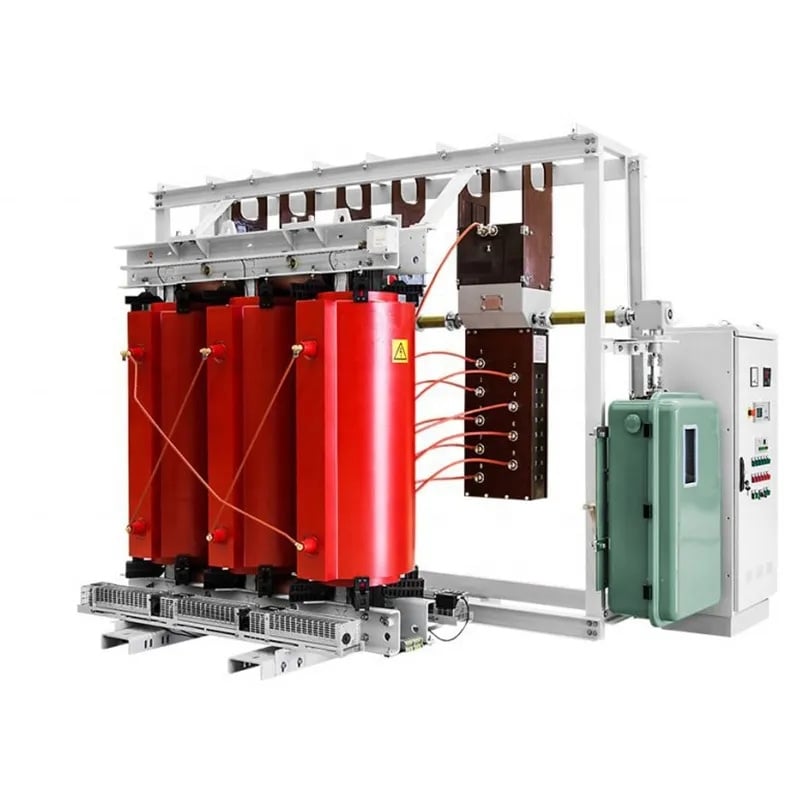
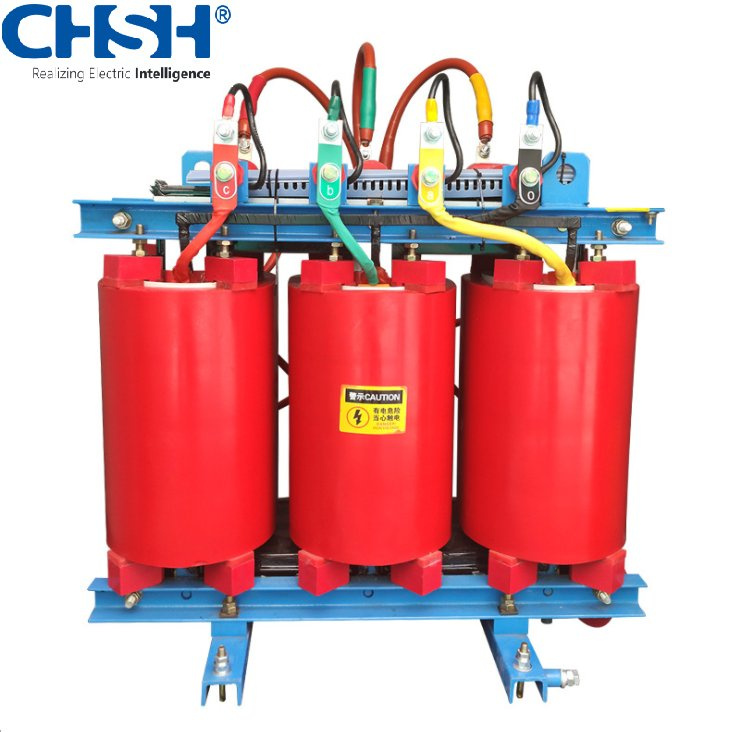
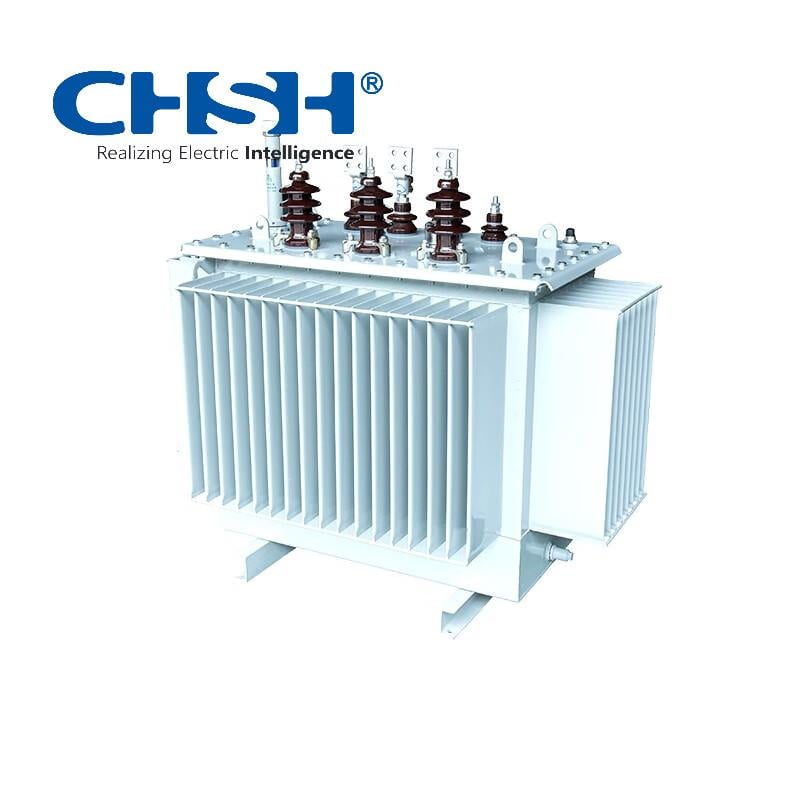
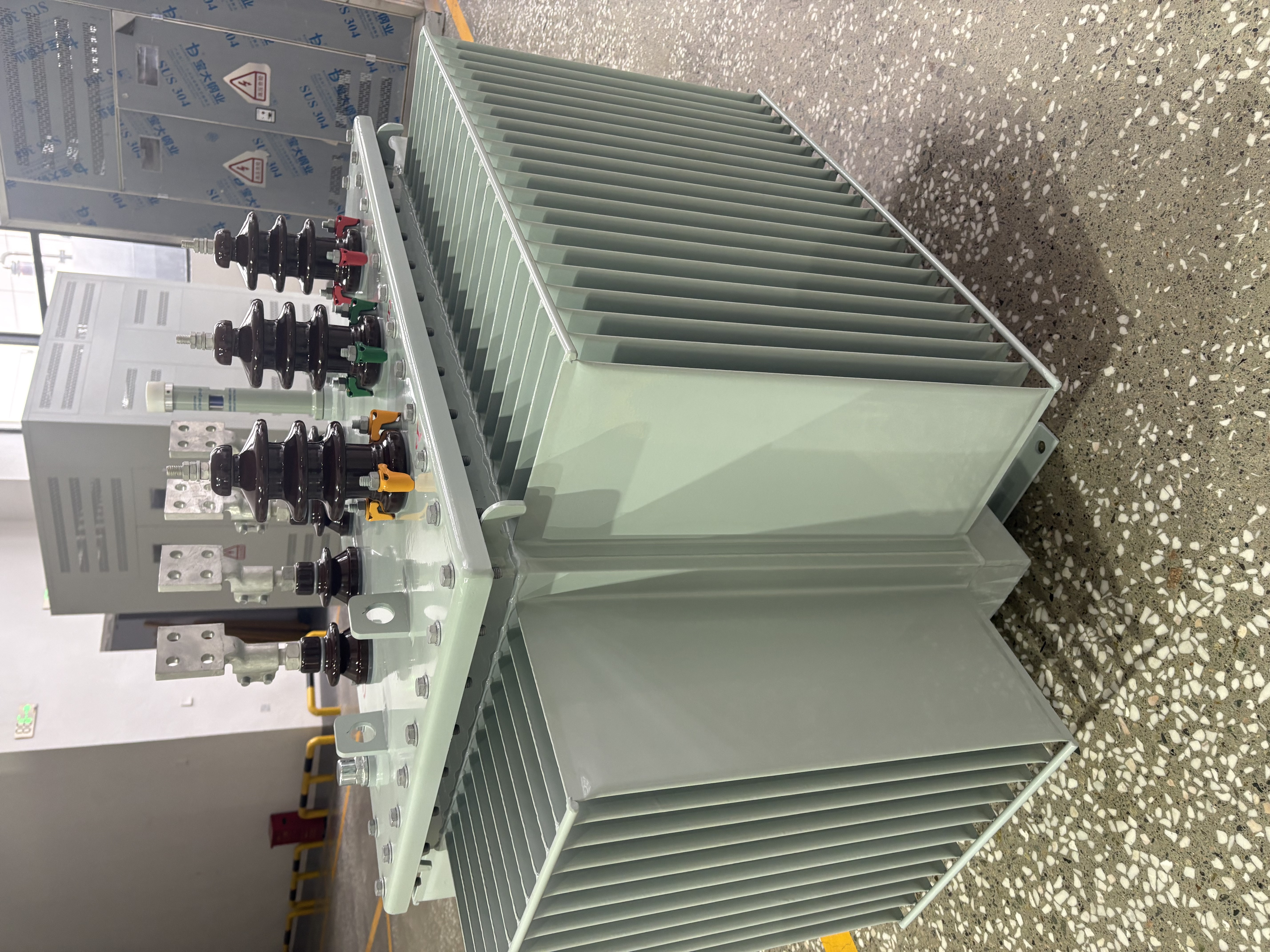
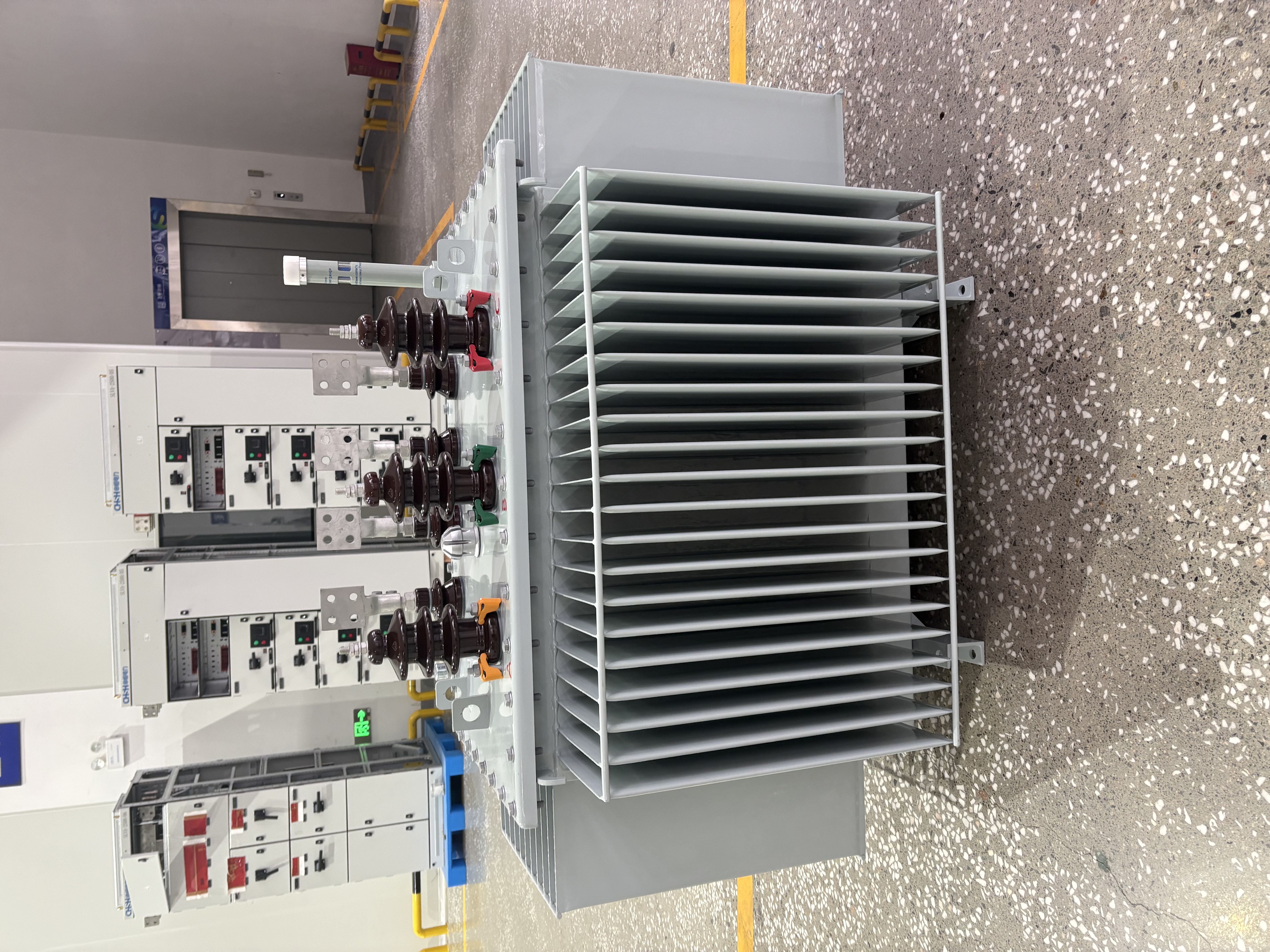
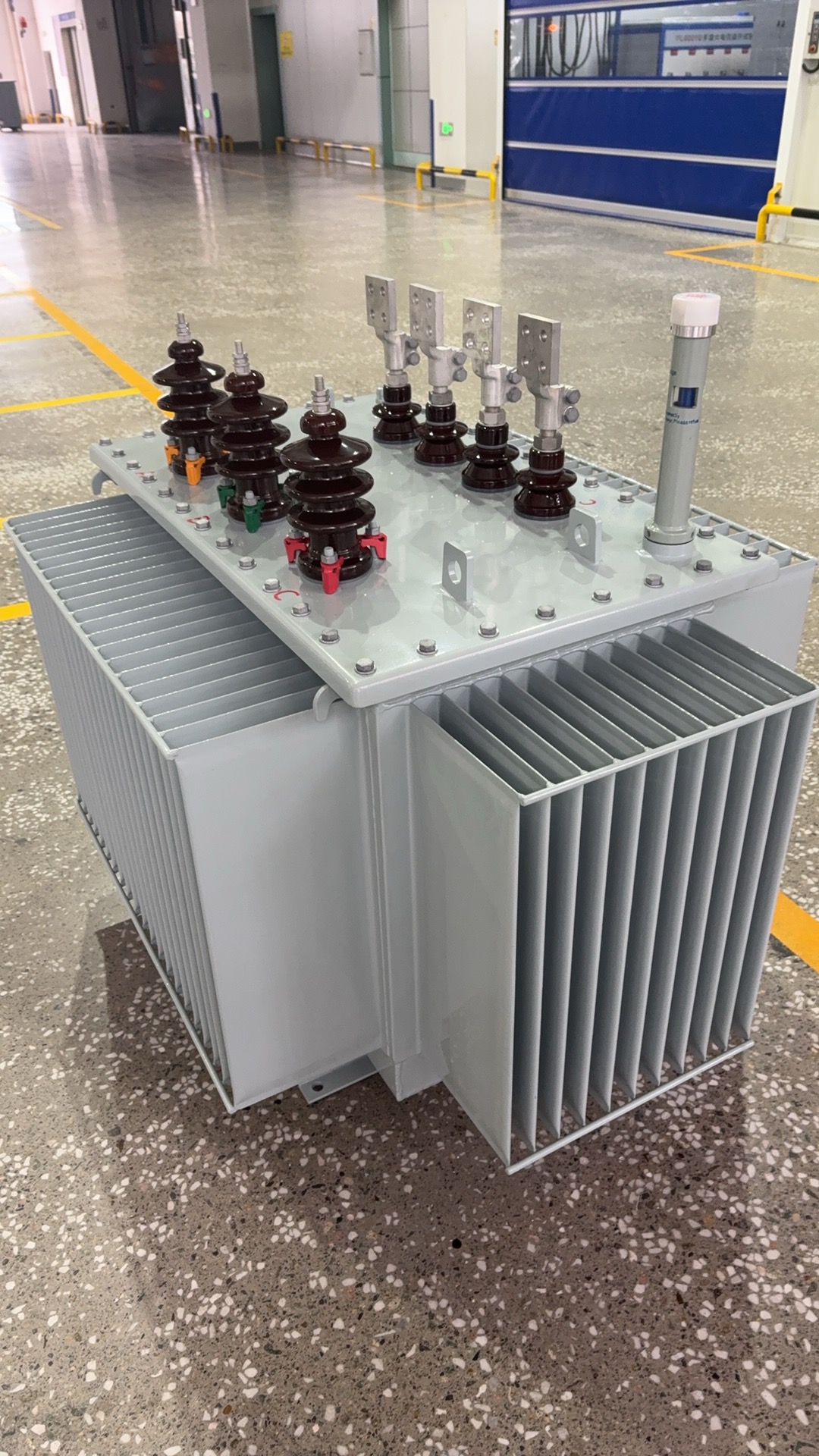
overhead distribution transformer
An overhead distribution transformer is a crucial electrical device designed to reduce high-voltage power from transmission lines to lower voltages suitable for residential and commercial use. Mounted on utility poles or structures, the overhead distribution transformer plays a vital role in modern power distribution systems by stepping down voltage levels efficiently and reliably. This overhead distribution transformer technology ensures that electricity reaches homes, businesses, and industrial facilities safely and effectively.
The main function of an overhead distribution transformer involves voltage conversion through electromagnetic induction. When high-voltage electricity flows through the primary coil, it creates a magnetic field that induces a lower voltage in the secondary coil. An overhead distribution transformer typically handles voltages ranging from 4,000 to 35,000 volts on the input side, reducing them to 120-480 volts for end users.
Key technological features of an overhead distribution transformer include robust construction designed to withstand harsh weather conditions, efficient cooling systems using natural convection or forced air circulation, and advanced insulation materials that enhance safety and longevity. Modern overhead distribution transformer models incorporate smart monitoring capabilities, allowing utility companies to track performance remotely and detect potential issues before they become problems.
Applications of the overhead distribution transformer span across various sectors. Residential neighborhoods rely on these units to provide safe, usable power. Commercial districts depend on overhead distribution transformer installations to support business operations. Rural areas benefit from these transformers' ability to extend reliable power to remote locations. Industrial facilities also utilize specialized overhead distribution transformer configurations to meet unique electrical demands.

 EN
EN