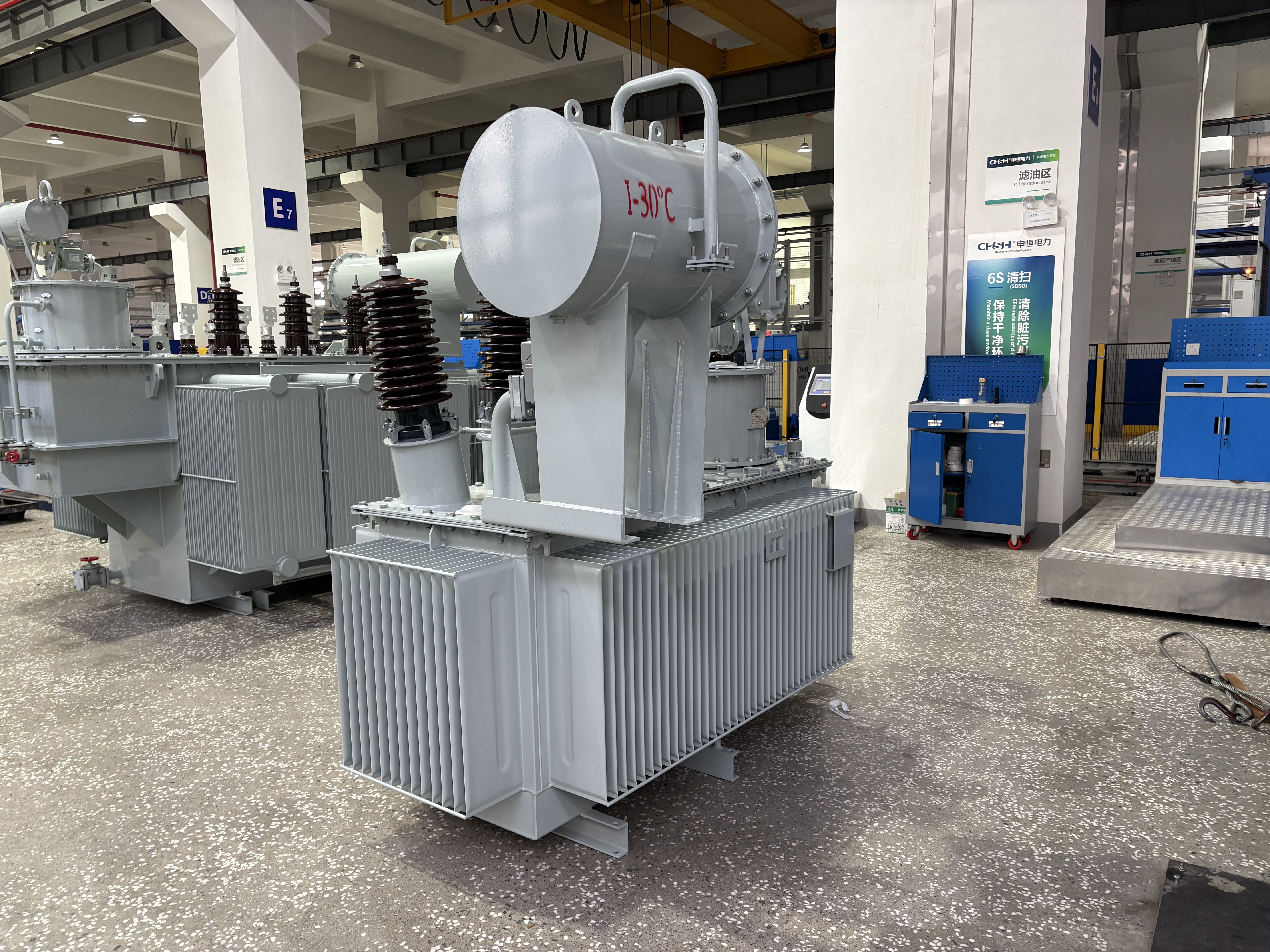
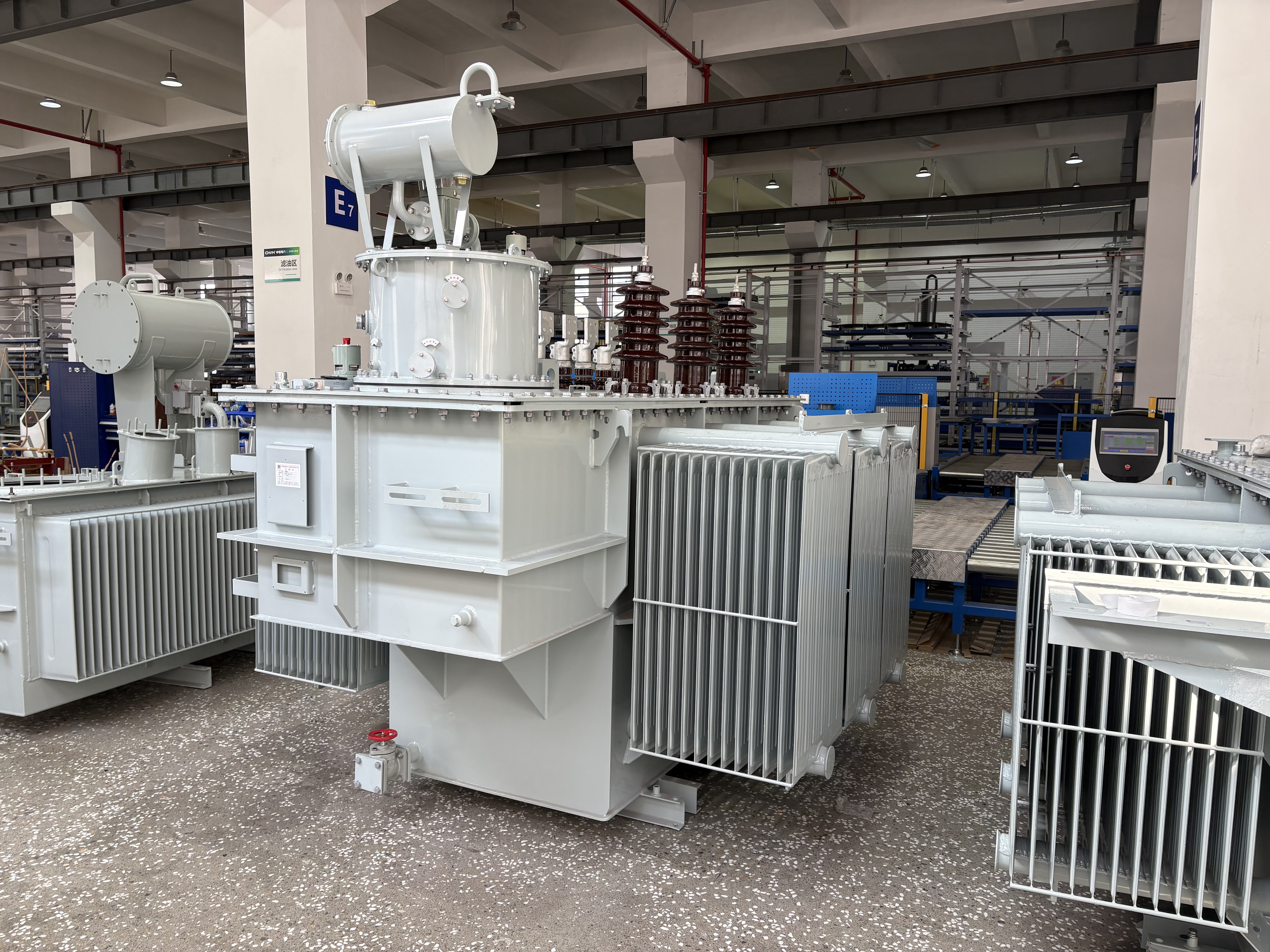
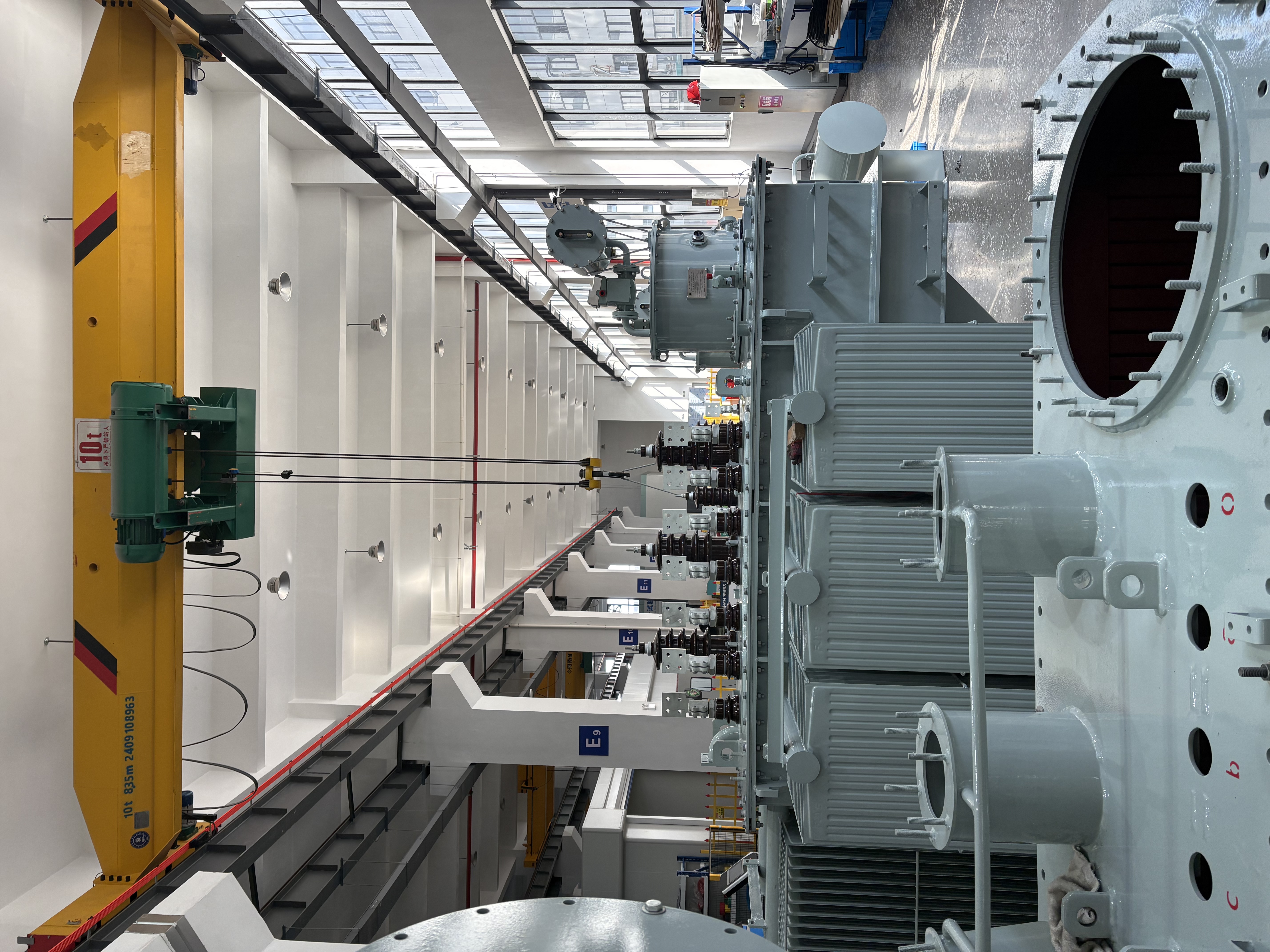
step down distribution transformer
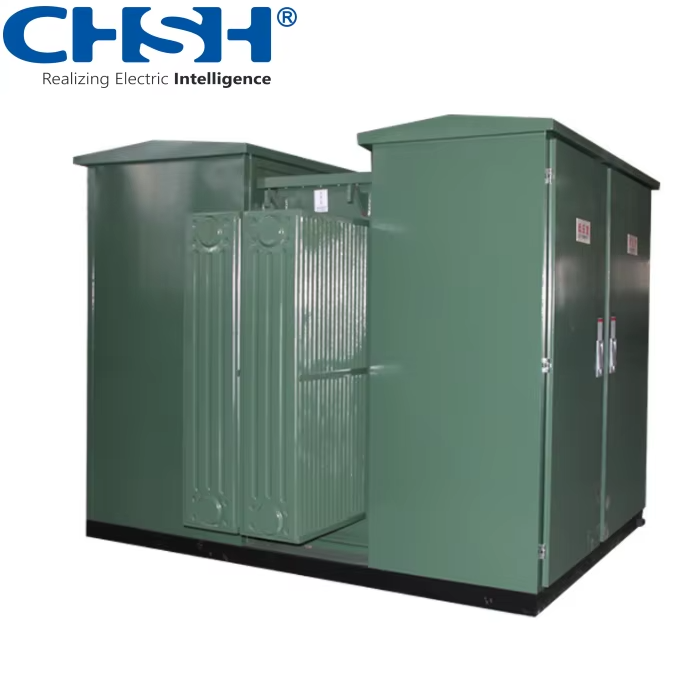
A step down distribution transformer is an essential electrical device that reduces high voltage electricity to lower, usable voltage levels for residential, commercial, and industrial applications. This transformer plays a critical role in modern power distribution systems by converting transmission-level voltages into safe, manageable levels that end-users require. The step down distribution transformer operates on electromagnetic induction principles, where alternating current flowing through primary windings creates a magnetic field that induces current in secondary windings.
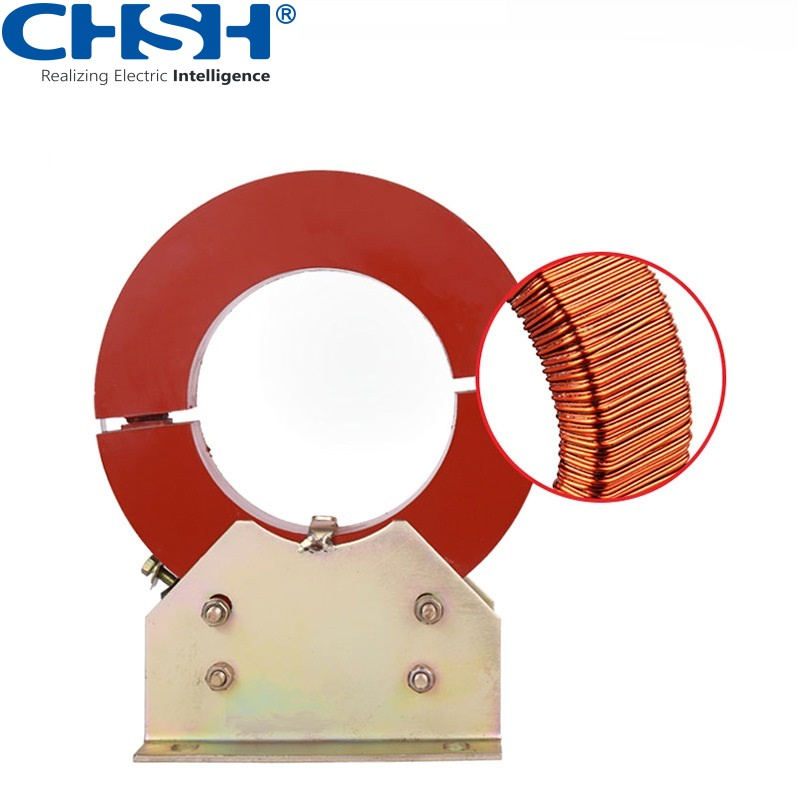
The main function of a step down distribution transformer involves voltage reduction while maintaining power efficiency throughout the distribution process. These transformers typically feature durable steel cores wrapped with copper or aluminum windings that facilitate efficient energy transfer. Modern step down distribution transformer designs incorporate advanced cooling systems, including oil-immersed or dry-type configurations, ensuring reliable performance in various environmental conditions.
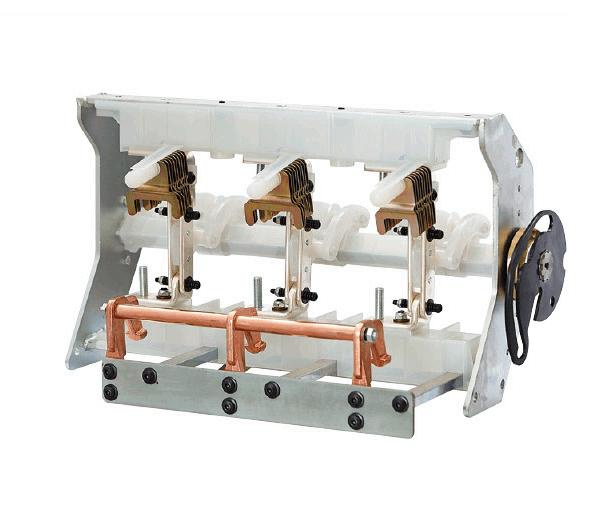
Key technological features include robust insulation materials, multi-tap configurations for voltage adjustment, and protective devices such as surge arresters and disconnect switches. The step down distribution transformer connects directly to utility distribution lines, reducing voltage from thousands of volts to standard levels like 120/240 volts or 277/480 volts.
Applications span across diverse sectors. Residential areas rely on step down distribution transformer installations for household electricity supply. Commercial buildings utilize these transformers to power office equipment, lighting systems, and HVAC installations. Industrial facilities depend on step down distribution transformer technology for machinery operation and manufacturing processes. Utility companies strategically position step down distribution transformer units throughout service territories to optimize power delivery efficiency and maintain voltage stability across their networks.

 EN
EN