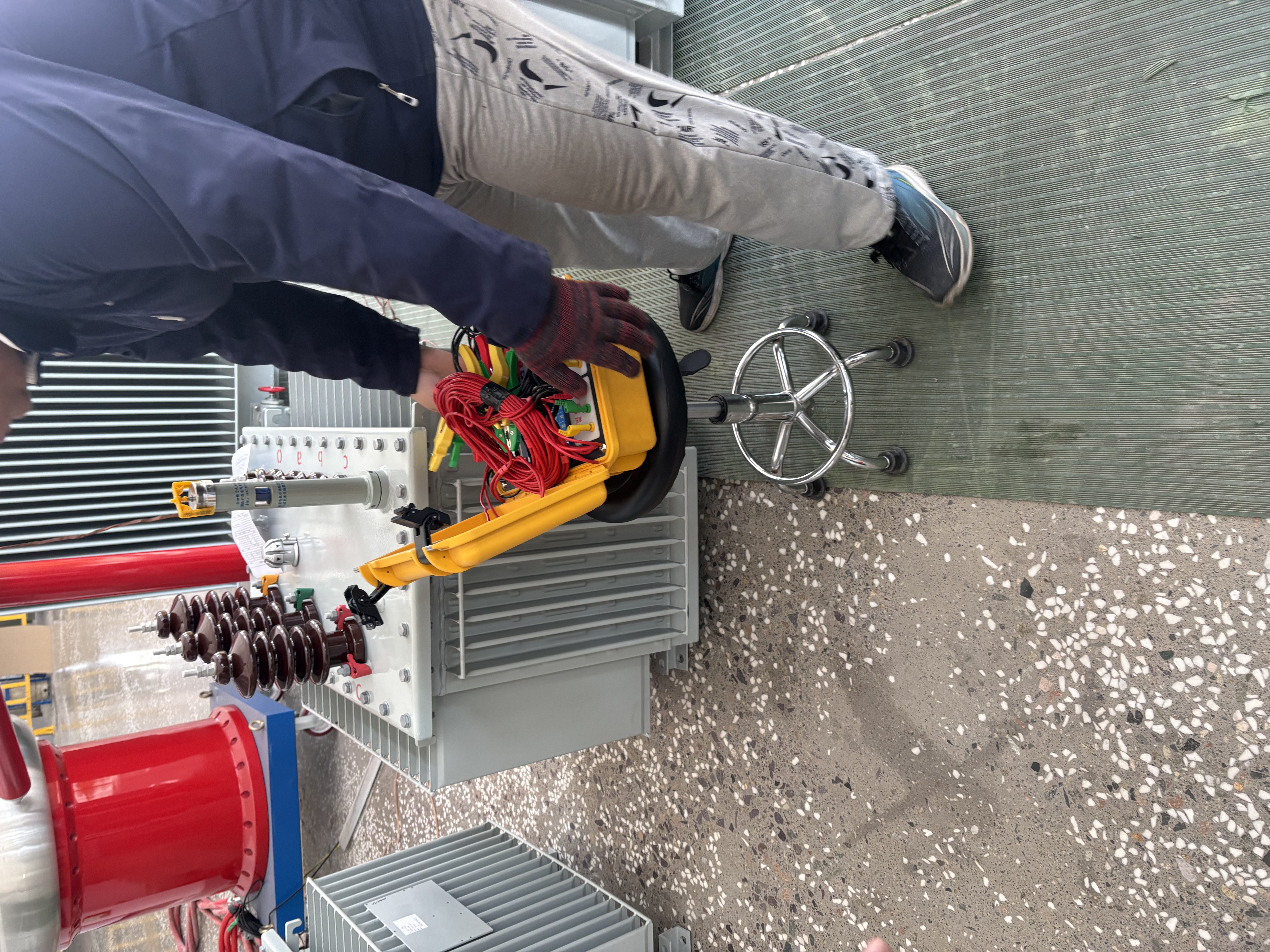
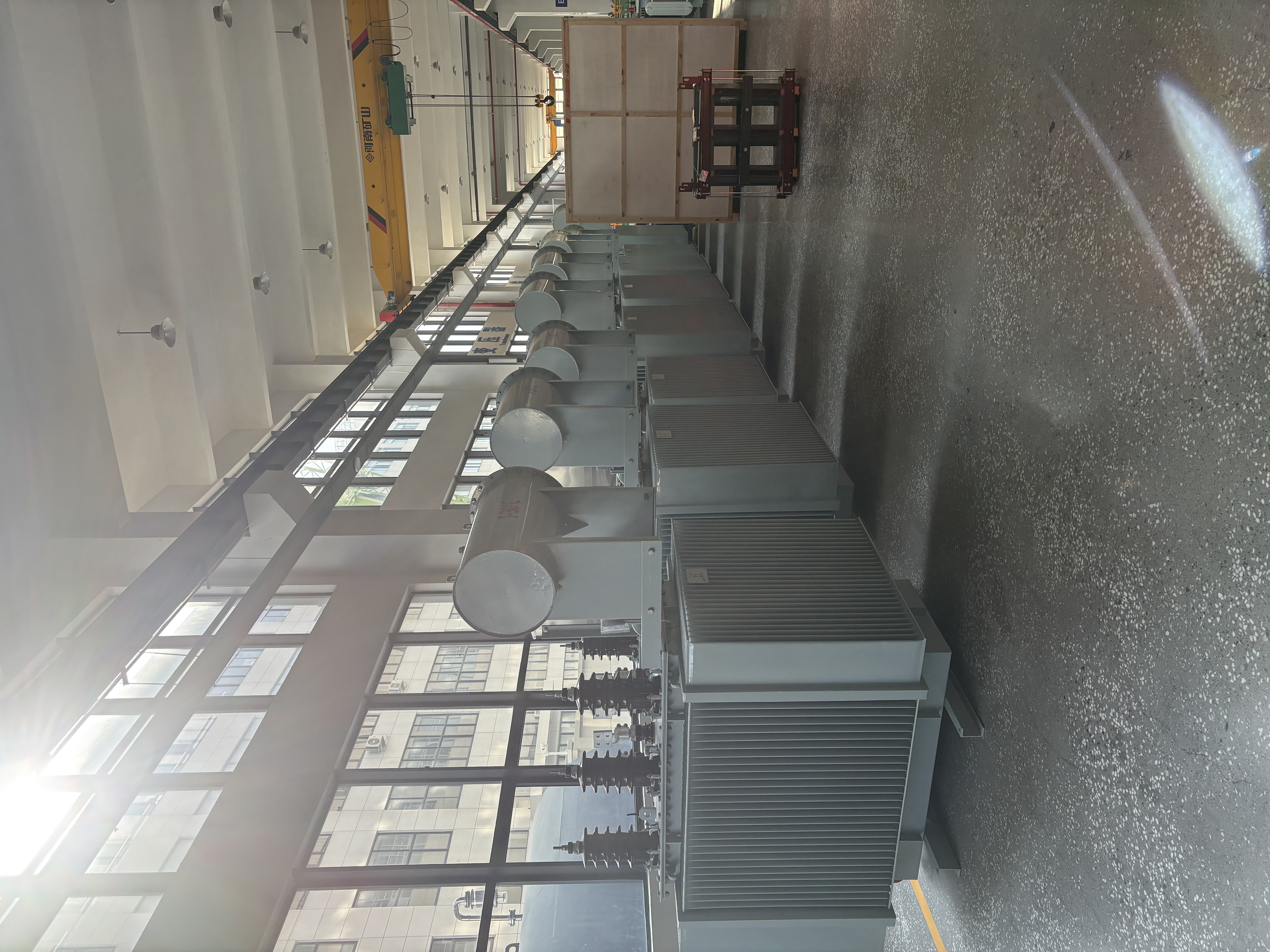
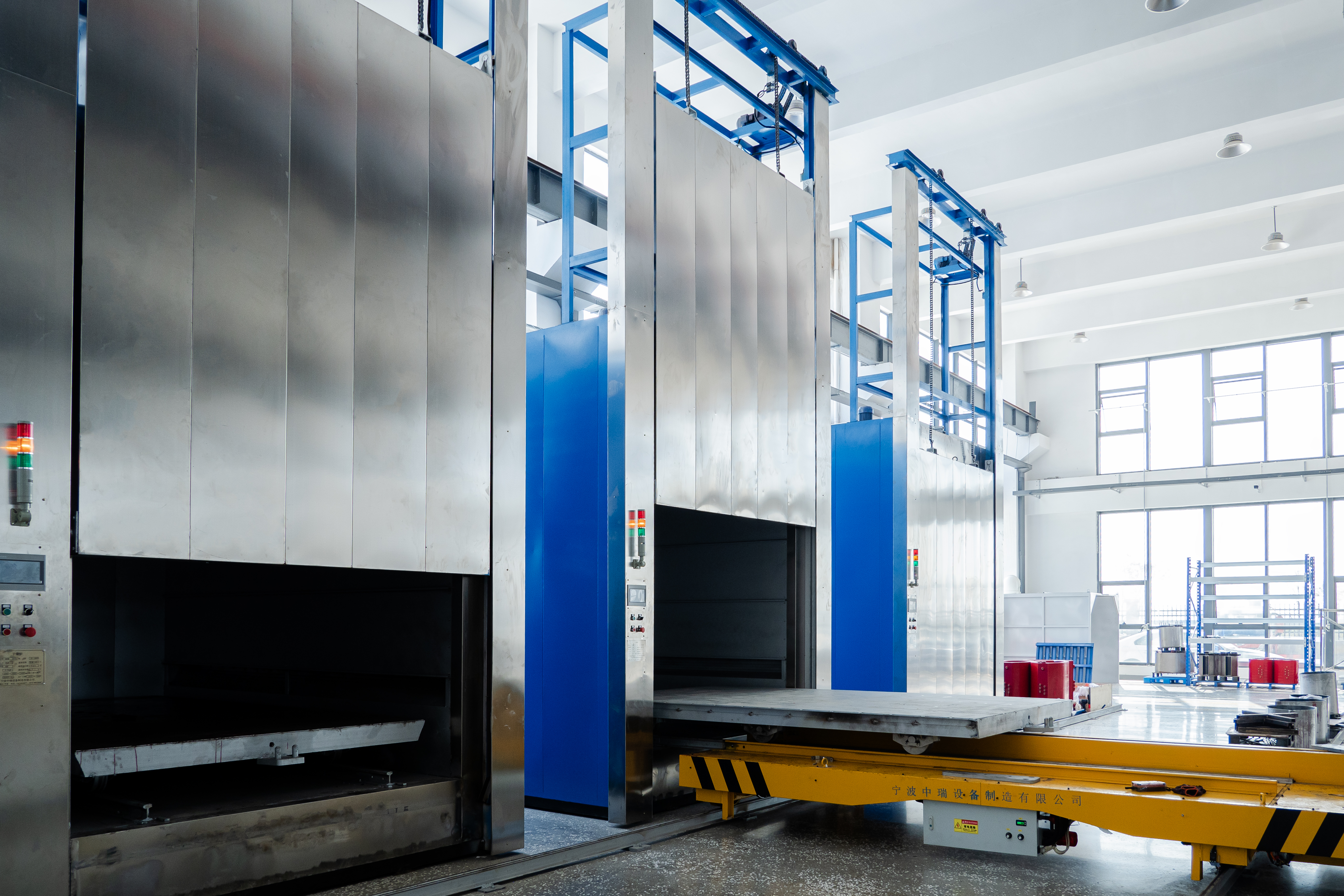
large power transformers
Large power transformers represent critical infrastructure components designed to manage and distribute electrical energy across extensive networks. These sophisticated devices step down or step up voltage levels, enabling efficient transmission and distribution of electricity over considerable distances. Large power transformers serve utility companies, industrial facilities, and renewable energy installations by converting high-voltage transmission power into usable medium-voltage levels for local distribution systems.
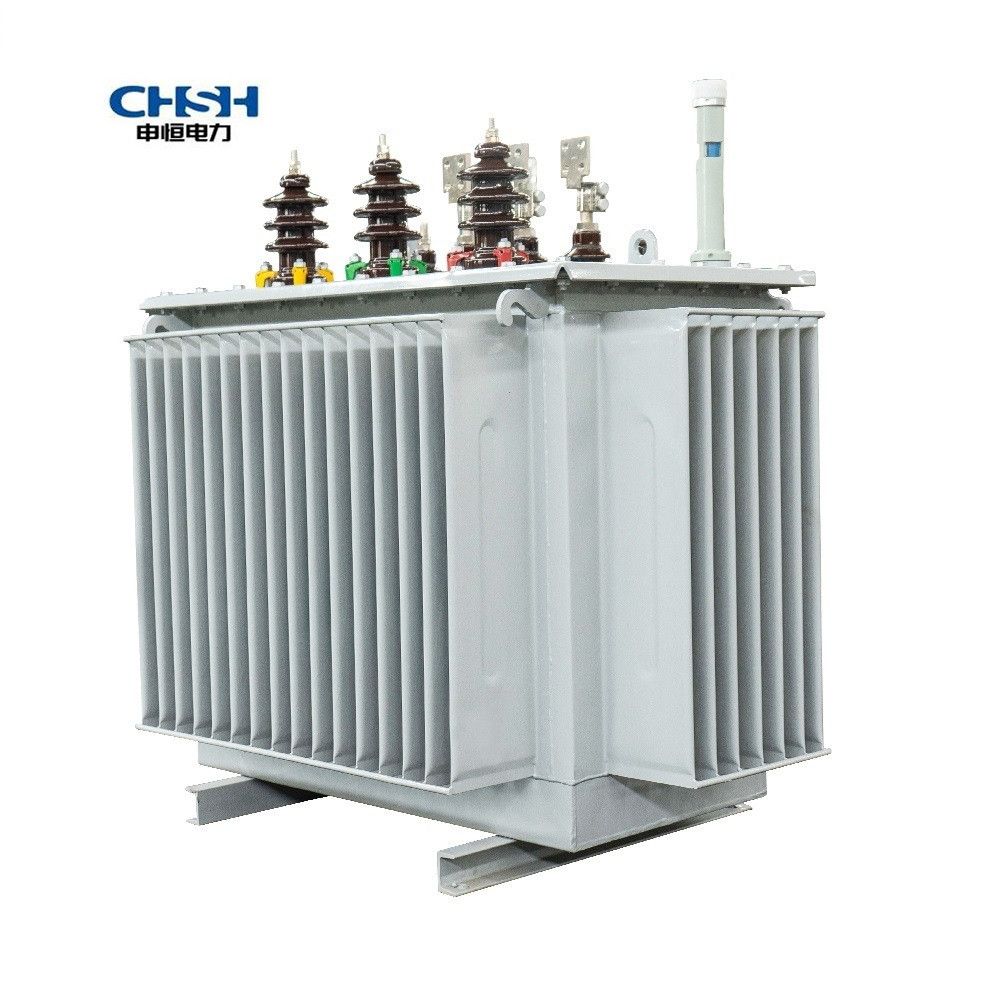
The primary function of large power transformers involves voltage transformation while maintaining consistent power flow with minimal losses. These transformers contain oil-cooled windings, robust iron cores, and advanced cooling systems that allow them to operate continuously under demanding conditions. Large power transformers typically handle capacity ratings from 100 MVA to over 500 MVA, making them essential for backbone electrical infrastructure.
Technologically, modern large power transformers incorporate enhanced insulation systems, real-time monitoring capabilities, and improved thermal management. They feature protective mechanisms including tap changers that automatically regulate voltage fluctuations, preventing damage to connected equipment. Large power transformers employ vacuum-based impregnation techniques to eliminate air pockets within insulation materials, significantly extending operational lifespan.
Applications for large power transformers span multiple sectors. Power generation facilities rely on them to transform generator output for long-distance transmission. Distribution utilities employ large power transformers at substations to reduce transmission voltages for neighborhood delivery. Industrial complexes and data centers utilize these transformers for reliable power supply management. Renewable energy projects increasingly depend on large power transformers to integrate wind and solar generation into existing grids efficiently.

 EN
EN