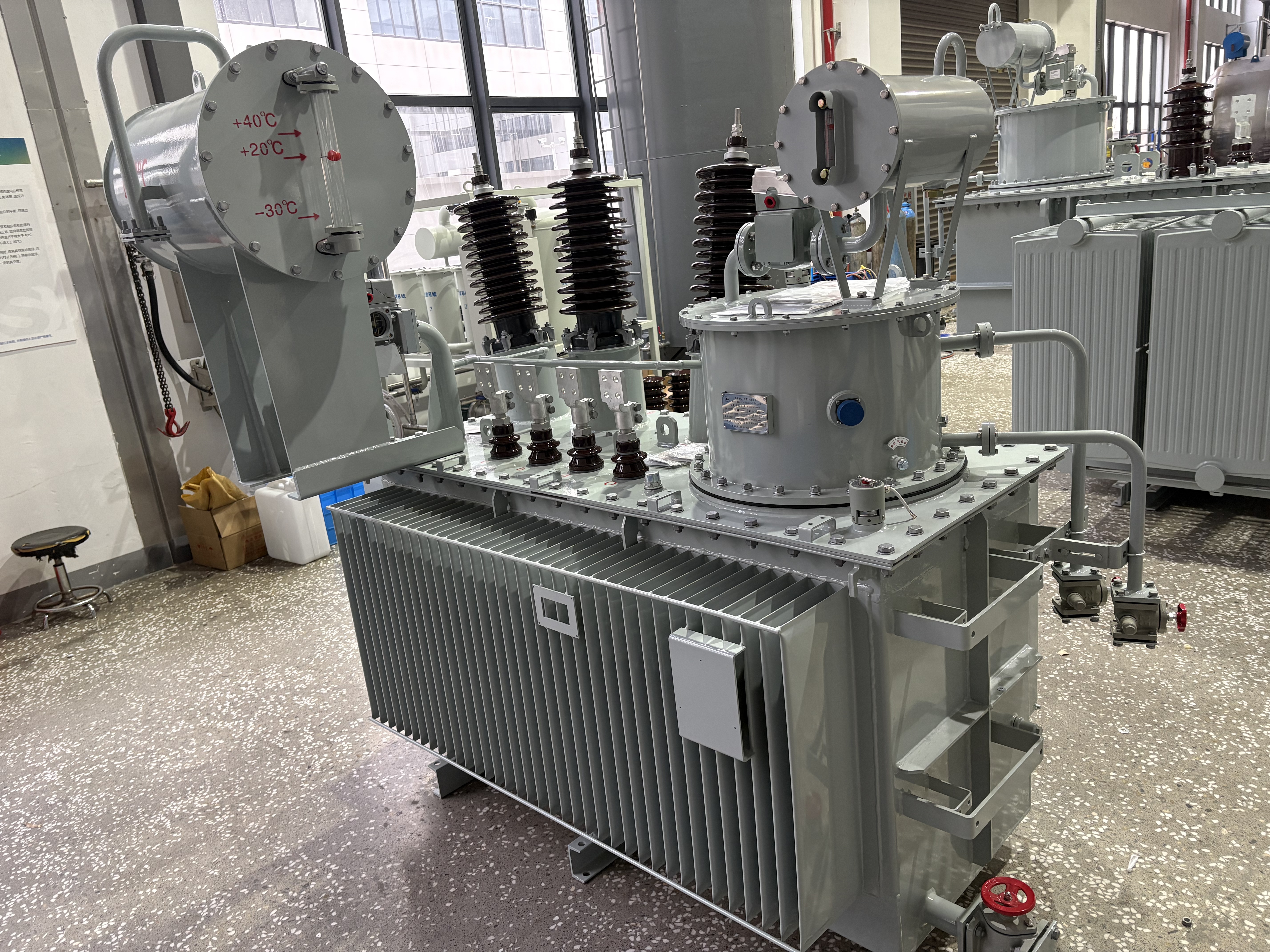
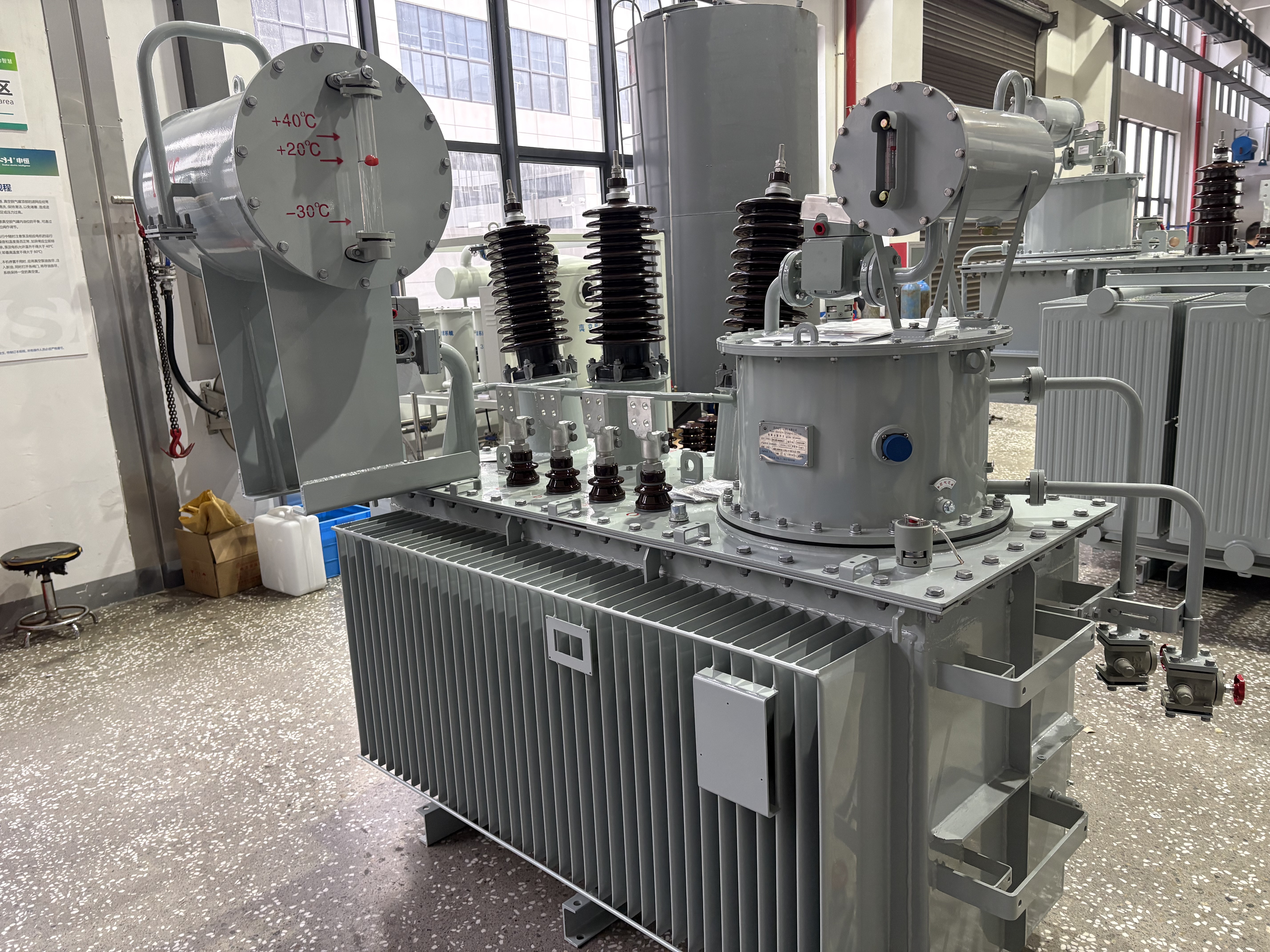
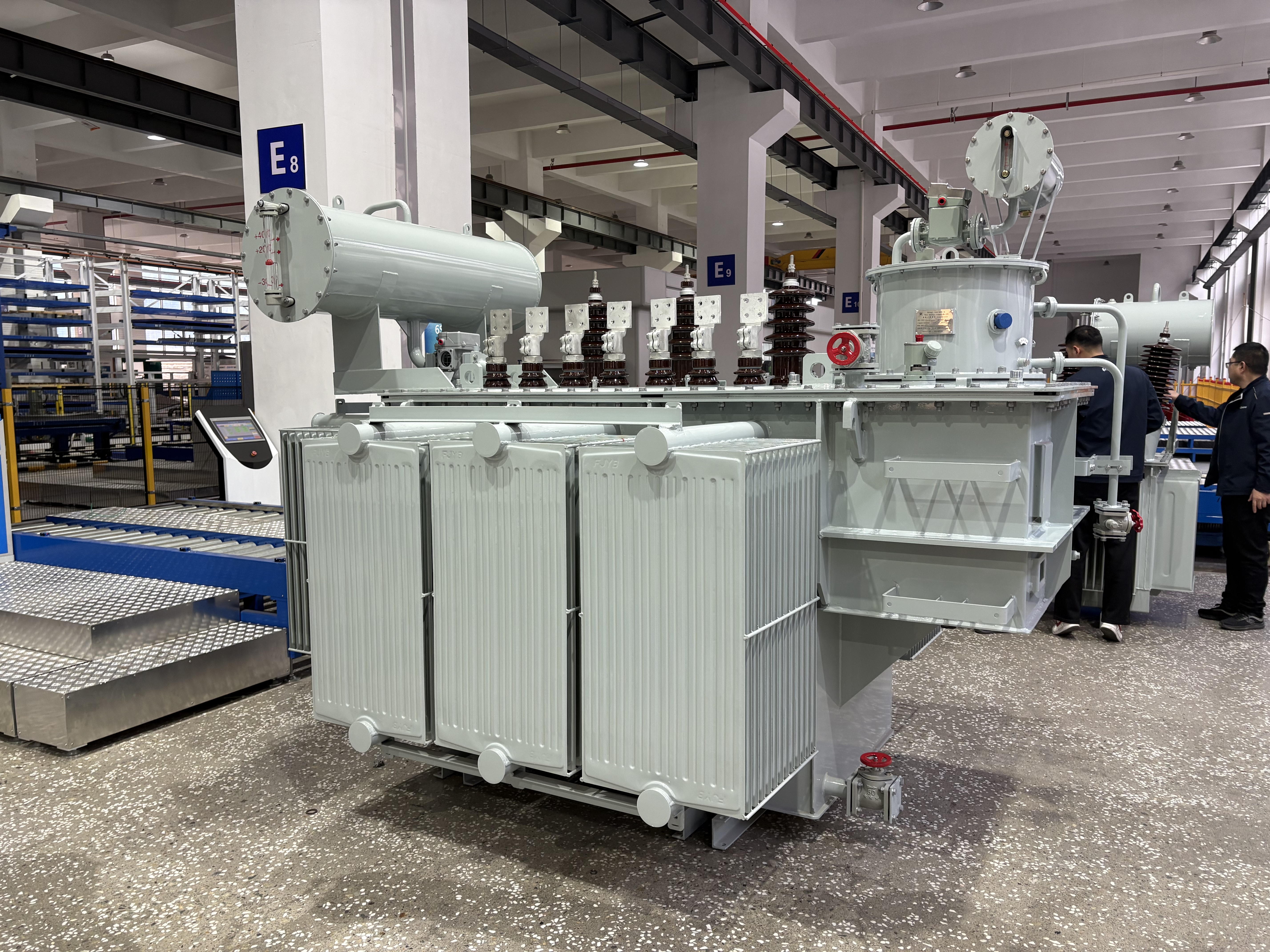
generator step up transformer
A generator step up transformer is an essential electrical device that increases voltage output from power generation systems to facilitate efficient long-distance transmission. This specialized equipment plays a critical role in modern power infrastructure by converting lower voltage electricity produced by generators into higher voltage levels suitable for transmission networks.
The primary function of a generator step up transformer involves voltage elevation, which reduces power losses during transmission across extensive distances. When electricity travels through long-distance power lines, the generator step up transformer minimizes energy waste by stepping up voltage while simultaneously stepping down current, following the principle of power conservation.
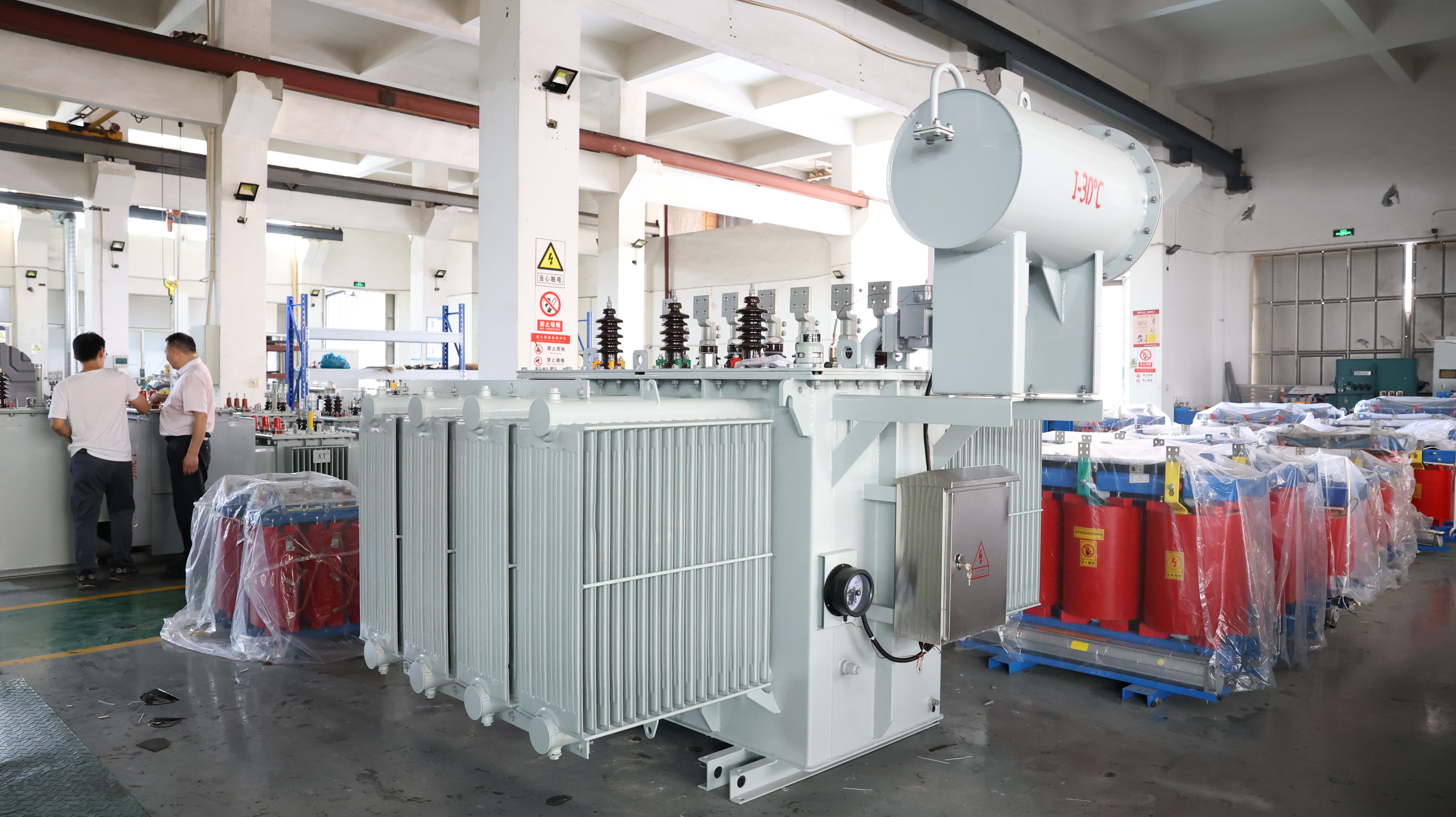
Technologically, a generator step up transformer features robust construction with advanced cooling systems, precision winding configurations, and high-quality insulation materials. These components work together to handle substantial electrical loads while maintaining operational efficiency and reliability. The transformer typically includes protection mechanisms such as oil-cooling systems, tap changers, and monitoring equipment to ensure consistent performance.
Applications of the generator step up transformer are widespread across the power generation industry. Power plants, renewable energy facilities, and hydroelectric stations depend on this equipment to connect their generation systems to regional and national transmission grids. The generator step up transformer essentially serves as the critical link between power production and distribution, enabling electricity to reach consumers efficiently.
The device accommodates various voltage ratings and power capacities, making it adaptable to different generation facilities. Whether in conventional thermal plants or modern wind and solar installations, the generator step up transformer remains fundamental to successful power system operation and grid stability.

 EN
EN