
 EN
EN
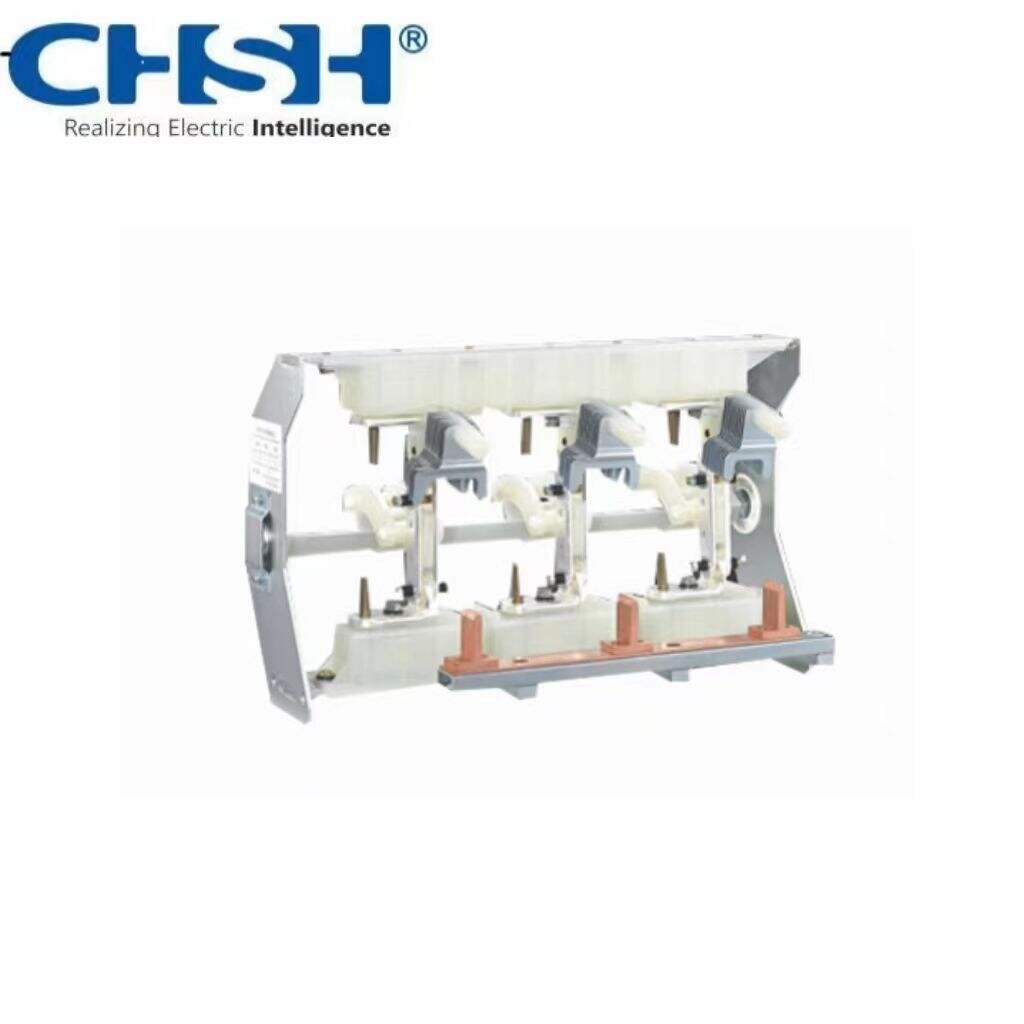
Power transformers are critical components in electrical distribution systems, and the tap changer mechanism plays a vital role in maintaining voltage regulation under varying load conditions. When a tap changer malfunctions, it can lead to voltage instability, equipment damage, and costly downtime. Understanding common tap changer problems and their solutions is essential for electrical engineers, maintenance technicians, and facility managers who oversee power distribution infrastructure.
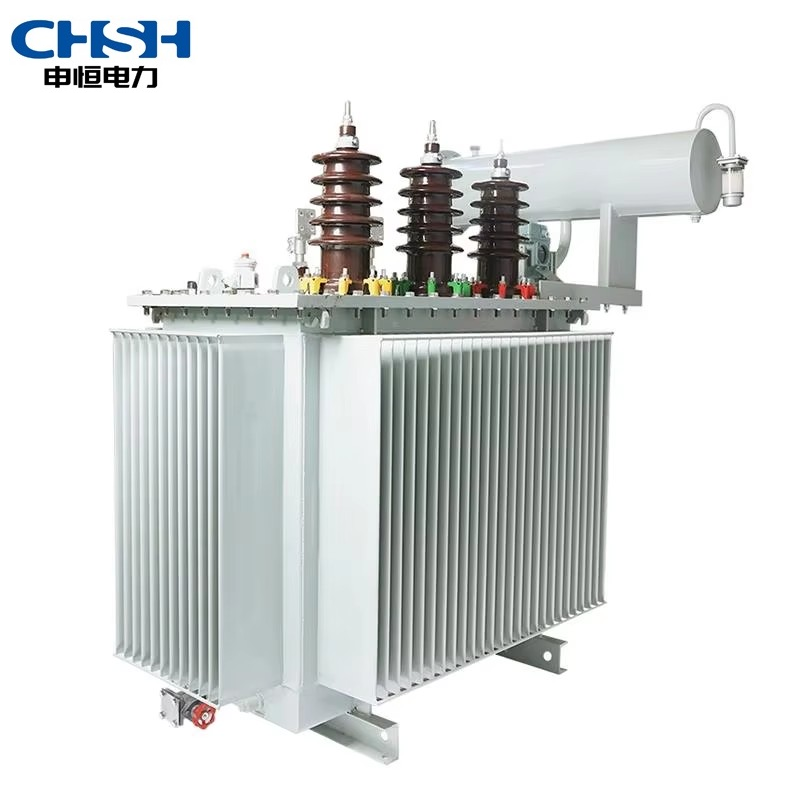
The complexity of modern tap changer systems means that troubleshooting requires a systematic approach and deep understanding of both mechanical and electrical components. From contact wear to drive motor failures, these issues can manifest in various ways and require different diagnostic techniques. This comprehensive guide examines the most frequent problems encountered in tap changer operations and provides practical solutions for each scenario.
Understanding Tap Changer Fundamentals
Basic Operation Principles
A tap changer functions by automatically adjusting transformer turns ratio to maintain consistent output voltage despite fluctuations in input voltage or load conditions. The mechanism consists of several key components including selector switches, diverter switches, transition impedances, and control circuits. When voltage deviation exceeds predetermined limits, the control system activates the drive mechanism to select different transformer taps.
The switching process involves careful coordination between the selector and diverter switches to prevent interruption of load current. During operation, the diverter switch temporarily carries load current through transition impedances while the selector switch moves to the next tap position. This sequence ensures continuous power delivery while changing voltage levels, making the tap changer an indispensable component in voltage regulation systems.
Types and Applications
On-load tap changers are classified into resistor-type and reactor-type configurations, each designed for specific applications and voltage levels. Resistor-type tap changers use resistive elements during switching transitions and are commonly found in distribution transformers up to 100 MVA. These units offer reliable performance for medium-voltage applications where switching frequency is moderate.
Reactor-type tap changers employ inductive elements and are preferred for high-voltage transmission applications exceeding 100 MVA. The reactor design provides superior current-carrying capacity and arc extinction capabilities, making it suitable for frequent switching operations in large power transformers. Understanding these distinctions helps maintenance personnel apply appropriate troubleshooting techniques based on the specific tap changer design.
Mechanical Failure Analysis
Drive Motor Malfunctions
Drive motor failures represent one of the most common mechanical issues affecting tap changer performance. These motors operate under demanding conditions, frequently starting and stopping while carrying mechanical loads. Motor winding degradation, bearing wear, and brush problems can cause erratic operation or complete failure to respond to control signals.
Diagnosing motor problems requires systematic electrical testing including insulation resistance measurements, winding continuity checks, and current consumption analysis. Visual inspection often reveals signs of overheating, bearing deterioration, or mechanical misalignment. Regular motor maintenance including bearing lubrication, brush replacement, and winding cleaning significantly extends service life and prevents unexpected failures.
Mechanical Linkage Issues
The mechanical linkages connecting the drive motor to switching contacts experience continuous stress during tap change operations. Worn coupling elements, loose connections, and misaligned components can cause incomplete switching cycles or mechanical binding. These problems often manifest as irregular operation timing or failure to complete tap change sequences.
Addressing linkage problems involves careful inspection of all mechanical connections, measurement of component wear, and verification of proper alignment. Replacing worn components according to manufacturer specifications and ensuring proper lubrication of moving parts prevents recurring failures. Regular mechanical inspection schedules help identify potential problems before they cause operational disruptions.
Electrical Contact Problems
Contact Erosion and Pitting
Electrical contacts in tap changer systems endure repeated arcing during switching operations, leading to gradual erosion and surface pitting. This degradation increases contact resistance, generates excessive heat, and can eventually cause contact failure. The problem is particularly severe in systems with frequent switching or those operating near maximum current ratings.
Contact condition assessment involves resistance measurements, visual inspection for erosion patterns, and thermal imaging to identify hot spots. Severely eroded contacts require replacement, while minor pitting may be addressed through contact refurbishing procedures. Implementing proper arc suppression techniques and ensuring adequate contact pressure help minimize erosion rates and extend contact life.
Oxidation and Contamination
Environmental factors contribute to contact oxidation and contamination, particularly in outdoor installations or systems exposed to moisture and airborne particles. Oxidized surfaces increase resistance and reduce current-carrying capacity, while contamination can cause tracking and flashover incidents. These conditions are especially problematic in humid climates or industrial environments with high pollution levels.
Combating oxidation requires regular cleaning procedures using appropriate solvents and protective coatings. Contact surfaces should be inspected for discoloration, corrosion, or foreign material deposits. Maintaining proper enclosure sealing and implementing environmental protection measures significantly reduce contamination exposure and preserve contact integrity.
Insulation System Failures
Oil Contamination Issues
Transformer oil serves multiple functions in tap changer applications, providing both insulation and arc extinction capabilities. Oil contamination from moisture, particles, or chemical breakdown products compromises these functions and can lead to insulation failure. Contaminated oil exhibits reduced dielectric strength and increased conductivity, creating potential for flashover incidents.
Oil condition monitoring involves regular sampling and testing for moisture content, acidity levels, dissolved gas concentrations, and particle contamination. Filtration and purification processes can restore oil quality in many cases, while severely degraded oil requires complete replacement. Proper oil handling procedures and storage practices prevent contamination during maintenance operations.
Insulation Breakdown Prevention
Solid insulation materials including papers, pressboards, and polymer components deteriorate over time due to electrical, thermal, and mechanical stresses. This degradation reduces insulation effectiveness and increases the risk of breakdown incidents. Regular insulation testing using techniques such as power factor measurement and partial discharge analysis helps identify developing problems.
Preventive measures include maintaining proper operating temperatures, controlling moisture levels, and implementing condition-based maintenance programs. Insulation replacement typically requires complete tap changer overhaul, making early detection and prevention critical for avoiding major repairs. Environmental controls and proper system loading help minimize insulation stress and extend service life.
Control System Troubleshooting
Sensor Calibration Problems
Voltage sensing circuits provide feedback signals that trigger tap change operations when voltage deviations exceed setpoint tolerances. Sensor drift, calibration errors, or component failures can cause inappropriate tap changer responses, including failure to operate when needed or unnecessary switching cycles. These problems often result from aging components or environmental factors affecting sensor accuracy.
Calibration verification involves comparing sensor readings with precision reference instruments and adjusting setpoints as necessary. Temperature compensation circuits require particular attention, as thermal drift can significantly affect measurement accuracy. Regular calibration schedules and environmental protection of sensing circuits help maintain reliable automatic voltage regulation performance.
Logic Circuit Malfunctions
Control logic circuits coordinate tap changer operation timing, provide protective interlocks, and interface with supervisory control systems. Component aging, electromagnetic interference, or programming errors can disrupt normal operation sequences. Modern digital controllers offer enhanced diagnostic capabilities but require specialized knowledge for effective troubleshooting.
Systematic logic testing involves verification of input signals, output responses, and internal processing functions. Oscilloscope analysis helps identify timing problems or signal integrity issues. Backup and restoration procedures for programmable controllers ensure rapid recovery from logic failures. Regular firmware updates and component replacement programs maintain control system reliability.
Preventive Maintenance Strategies
Inspection Schedules
Effective tap changer maintenance requires carefully planned inspection schedules based on operating conditions, manufacturer recommendations, and historical performance data. Routine inspections include visual examination of external components, oil level checks, and basic electrical measurements. More comprehensive inspections involve internal examination of contacts, mechanical components, and insulation systems.
Inspection frequency depends on switching activity, environmental conditions, and equipment age. High-activity installations may require monthly inspections, while lightly loaded systems might extend intervals to quarterly or semi-annual schedules. Documentation of inspection results enables trending analysis and helps optimize maintenance intervals based on actual equipment condition.
Condition Monitoring Techniques
Advanced condition monitoring technologies provide continuous assessment of tap changer health without requiring system outages. Dissolved gas analysis detects arcing activity and overheating conditions, while vibration monitoring identifies mechanical problems. Thermal imaging reveals hot spots and connection issues before they cause failures.
Online monitoring systems offer real-time data collection and analysis capabilities, enabling predictive maintenance strategies. These systems can identify developing problems weeks or months before failure occurs, allowing planned maintenance activities rather than emergency repairs. Integration with plant information systems provides comprehensive equipment health visibility for maintenance planning purposes.
FAQ
What are the most common signs of tap changer failure?
The most common signs include irregular voltage regulation, failure to respond to control signals, excessive switching noise, oil leakage, and abnormal dissolved gas readings. Visual indicators may include overheated components, oil discoloration, and mechanical misalignment. These symptoms often develop gradually, making regular monitoring essential for early detection.
How often should tap changers undergo maintenance?
Maintenance frequency depends on switching activity, operating environment, and manufacturer recommendations. Typical schedules range from annual inspections for lightly loaded systems to quarterly checks for high-activity installations. Critical applications may require monthly monitoring, while condition-based programs adjust intervals based on actual equipment performance and diagnostic results.
Can tap changer problems cause transformer damage?
Yes, tap changer failures can cause significant transformer damage through several mechanisms. Electrical faults may generate arcing that damages windings or core components. Mechanical failures can cause winding distortion or insulation damage. Oil contamination from tap changer problems can degrade transformer insulation systems throughout the entire unit, requiring extensive repairs.
What diagnostic tools are most effective for troubleshooting?
Essential diagnostic tools include dissolved gas analyzers, oil quality test equipment, contact resistance meters, and vibration monitoring devices. Thermal imaging cameras help identify overheating problems, while oscilloscopes analyze control circuit timing. Power quality analyzers assess voltage regulation performance, and partial discharge detectors identify insulation problems before they cause failures.