
 EN
EN
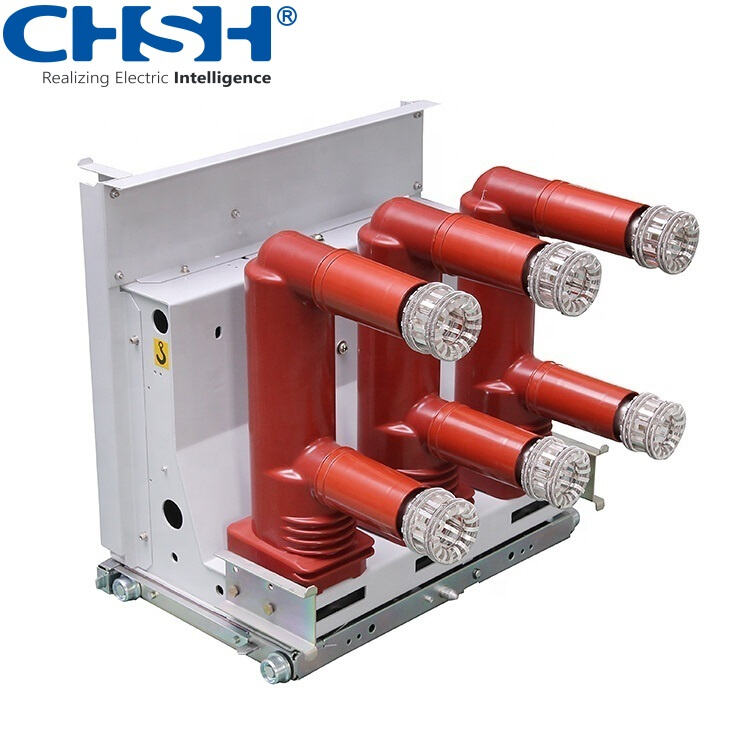
Installing a circuit breaker is a critical electrical task that requires careful consideration of safety, local codes, and technical expertise. Whether you're dealing with a residential panel upgrade or an industrial electrical system, understanding when to tackle the job yourself versus hiring a professional can save time, money, and potentially prevent dangerous electrical hazards. The complexity of modern electrical systems and the increasing sophistication of circuit breaker technology make this decision more nuanced than ever before.

The choice between DIY installation and professional electrical work depends on multiple factors including your skill level, local regulations, the type of electrical panel, and the specific circuit breaker requirements. Modern electrical codes have become increasingly strict, and improper installation can lead to fire hazards, electrical shock, or costly damage to your electrical system. This comprehensive guide will help you navigate the decision-making process and understand the implications of each approach.
Understanding Circuit Breaker Basics
Types and Applications
Circuit breakers serve as essential safety devices in electrical systems, automatically interrupting current flow when overload or fault conditions occur. Standard residential breakers typically handle 15 to 50 amperes, while commercial and industrial applications may require specialized high-voltage units. The technology behind these protective devices has evolved significantly, with modern breakers incorporating advanced trip mechanisms, arc fault protection, and ground fault interruption capabilities.
Different electrical panels accommodate various breaker types, and compatibility is crucial for safe operation. Single-pole breakers protect 120-volt circuits, double-pole breakers handle 240-volt loads, and specialized GFCI or AFCI breakers provide enhanced protection for specific applications. Understanding these distinctions helps determine the complexity of your installation project and whether professional expertise is necessary.
Safety Mechanisms and Technology
Modern circuit breaker technology incorporates sophisticated safety features designed to protect both equipment and personnel. Thermal-magnetic trip units respond to overcurrent conditions by detecting heat buildup and magnetic field changes. Arc fault circuit interrupters (AFCIs) identify dangerous arcing conditions that could lead to fires, while ground fault circuit interrupters (GFCIs) protect against electrical shock in wet locations.
The internal mechanisms of a circuit breaker involve precise engineering tolerances and specific installation requirements. Proper torque specifications, wire sizing, and connection techniques are critical for reliable operation. Incorrect installation can compromise these safety features, potentially creating hazardous conditions that may not be immediately apparent but could cause problems years later.
DIY Installation Considerations
Skill Requirements and Prerequisites
DIY circuit breaker installation requires a solid understanding of electrical principles, local codes, and safety procedures. You should be comfortable working with electrical tools, reading wiring diagrams, and following precise installation instructions. Basic electrical knowledge includes understanding voltage, amperage, wire gauge requirements, and the ability to identify different types of electrical connections safely.
Essential skills include the ability to safely shut off power at the main breaker, test circuits with appropriate equipment, and work confidently in electrical panels while following lockout-tagout procedures. You should also understand how to read electrical meters, identify proper wire sizes for different amperage ratings, and recognize signs of electrical problems that might indicate underlying issues requiring professional attention.
Tools and Equipment Needed
A successful DIY installation requires specific tools and safety equipment. Essential items include insulated screwdrivers, wire strippers, electrical tape, a multimeter or voltage tester, and appropriate personal protective equipment such as insulated gloves and safety glasses. You'll also need wire nuts, properly sized electrical wire, and potentially specialized tools for your specific panel type.
Quality tools make a significant difference in both safety and installation success. Cheap or inappropriate tools can lead to poor connections, stripped screws, or safety hazards. Investing in proper equipment is essential, but the cost of tools should be factored into your decision when comparing DIY versus professional installation costs.
Professional Installation Benefits
Expertise and Code Compliance
Professional electricians bring years of training and experience to circuit breaker installations. They understand local electrical codes, permit requirements, and inspection procedures that vary by jurisdiction. This expertise ensures installations meet current safety standards and pass required inspections, avoiding costly corrections or safety issues down the road.
Licensed electricians stay current with evolving electrical codes and manufacturer specifications. They can identify potential problems with existing electrical systems, recommend appropriate upgrades, and ensure compatibility between new breakers and existing panel configurations. Their knowledge extends beyond basic installation to include system analysis, load calculations, and long-term reliability considerations.
Warranty and Insurance Protection
Professional installation typically includes warranties on both labor and materials, providing protection against defects or installation errors. Many electricians carry liability insurance that covers damage resulting from their work, offering additional peace of mind for property owners. This protection can be invaluable if problems arise after installation, as DIY work typically voids manufacturer warranties and may not be covered by homeowner's insurance.
Insurance considerations extend beyond immediate installation issues. Some insurance companies may question coverage for electrical fires or damage if they discover unpermitted DIY electrical work. Professional installation with proper permits and inspections maintains insurance coverage and demonstrates adherence to safety standards that insurers expect.
Cost Analysis and Decision Factors
Financial Considerations
The cost difference between DIY and professional installation varies significantly based on project complexity and local labor rates. Simple residential breaker replacements might cost $50-100 in materials for DIY installation, while professional service could range from $150-400 including labor. However, these savings can be offset by tool purchases, permit fees, and potential correction costs if problems arise.
Complex installations involving panel upgrades, new circuits, or specialized equipment often favor professional installation from a cost perspective. The time investment for research, planning, and execution can be substantial for DIY projects, and mistakes can be expensive to correct. Professional electricians can often complete installations more efficiently due to their experience and specialized tools.
Risk Assessment Framework
Evaluating installation risks involves considering both immediate safety concerns and long-term reliability issues. Electrical work carries inherent dangers including shock, arc flash, and fire hazards that can cause serious injury or property damage. Professional electricians have training and equipment to minimize these risks, while DIY installers may lack the knowledge to identify and avoid dangerous situations.
Long-term risks include improper connections that could cause overheating, code violations that create inspection problems during property sales, and warranty issues with electrical equipment. These considerations often outweigh initial cost savings, particularly for complex installations or in homes with older electrical systems that may have hidden problems.
Legal and Regulatory Requirements
Permit and Inspection Processes
Most jurisdictions require permits for electrical work beyond simple device replacements, and many specifically require licensed electricians for panel work or new circuit installation. Permit requirements vary by location and project scope, but generally include plan submission, fee payment, and scheduled inspections. DIY installers must navigate these requirements themselves, while professional electricians typically handle permits as part of their service.
Inspection failures can be costly and time-consuming, requiring corrections and re-inspection fees. Professional electricians understand local inspector preferences and common issues, reducing the likelihood of failed inspections. They also maintain relationships with local inspectors that can facilitate smoother approval processes and faster project completion.
Liability and Insurance Implications
Legal liability for electrical work extends beyond immediate installation quality to include long-term performance and safety. Property owners remain ultimately responsible for electrical system safety regardless of who performs the work, but professional installation provides additional legal protection through contractor licensing, bonding, and insurance coverage.
Local regulations may also affect property values and marketability. Unpermitted electrical work can create problems during property sales, mortgage approvals, or insurance claims. Professional installation with proper documentation maintains property value and avoids potential legal complications that could arise from undocumented modifications to electrical systems.
Making the Right Choice
Evaluation Criteria
The decision between DIY and professional installation should consider multiple factors including project complexity, your skill level, local regulations, time constraints, and risk tolerance. Simple breaker replacements in modern panels might be suitable for experienced DIY enthusiasts, while panel upgrades, new circuits, or work in older homes typically warrant professional expertise.
Consider your long-term plans for the property and the importance of maintaining warranties and code compliance. If you're planning to sell the property or make additional electrical modifications, professional installation may provide better value through proper documentation and system reliability. The peace of mind that comes with professional work often justifies the additional cost, particularly for critical electrical components.
Best Practices for Either Approach
Whether choosing DIY or professional installation, certain best practices ensure optimal results. Always verify local code requirements and permit needs before beginning any electrical work. Turn off power at the main breaker and use proper testing equipment to verify circuits are de-energized before working. Follow manufacturer specifications exactly and use appropriate materials rated for your specific application.
For DIY projects, consider consulting with a professional electrician for advice or verification even if you perform the actual installation yourself. This hybrid approach can provide cost savings while ensuring safety and code compliance. For professional installations, obtain multiple quotes, verify licensing and insurance, and ensure all work includes proper permits and documentation.
FAQ
Can I legally install my own circuit breaker
Legal requirements for DIY electrical work vary by jurisdiction, but most areas allow homeowners to perform electrical work on their own property with proper permits and inspections. However, many jurisdictions require licensed electricians for panel work or new circuit installation. Check with your local building department to understand specific requirements in your area before beginning any electrical project.
What are the main safety risks of DIY installation
The primary safety risks include electrical shock, arc flash burns, and creating fire hazards through improper connections. Working in electrical panels while energized can be fatal, and even de-energized panels may retain dangerous voltages. Improper installation can create overheating conditions that may not be immediately apparent but could cause fires months or years later.
How much money can I save with DIY installation
DIY savings typically range from $100-300 for simple breaker replacements, depending on local labor rates and project complexity. However, these savings can be offset by tool purchases, permit fees, time investment, and potential correction costs. Complex projects often favor professional installation when considering all factors including risk, time, and long-term reliability.
When should I definitely hire a professional electrician
Always hire a professional for panel upgrades, work involving the main service entrance, installations requiring load calculations, or any work in older homes with potentially outdated wiring. Additionally, consider professional installation if you're uncomfortable working with electricity, lack proper tools and knowledge, or if local codes require licensed electrician involvement for your specific project type.