
 EN
EN
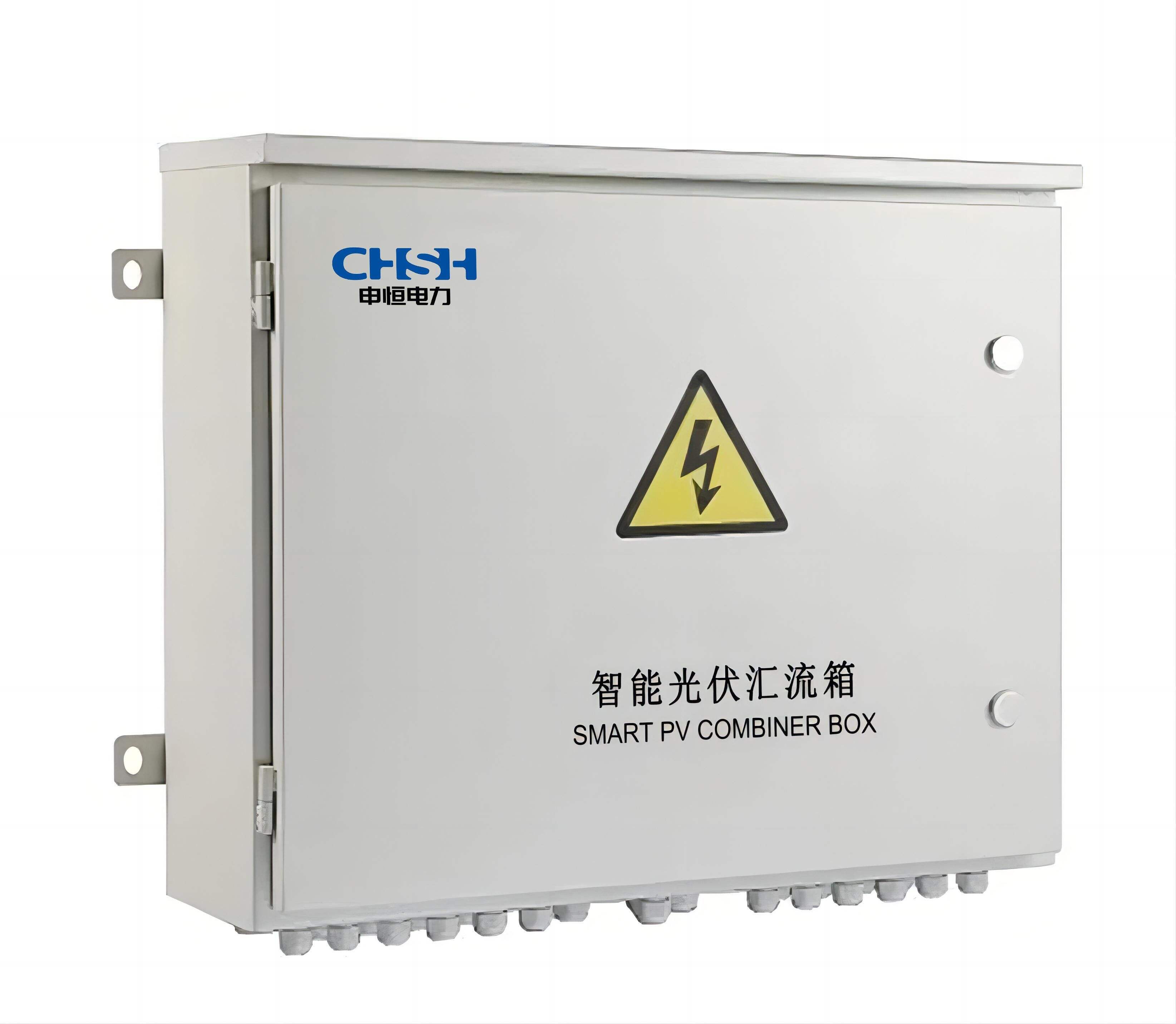
Proper maintenance of electrical infrastructure is critical for ensuring reliable power distribution and preventing costly system failures. In modern substations, circuit breakers serve as the primary protective devices that safeguard equipment and maintain electrical system stability. Understanding the importance of circuit breaker maintenance cycles becomes essential for facility managers, electrical engineers, and maintenance professionals who oversee substation operations. These maintenance protocols directly impact equipment longevity, operational reliability, and overall system performance.
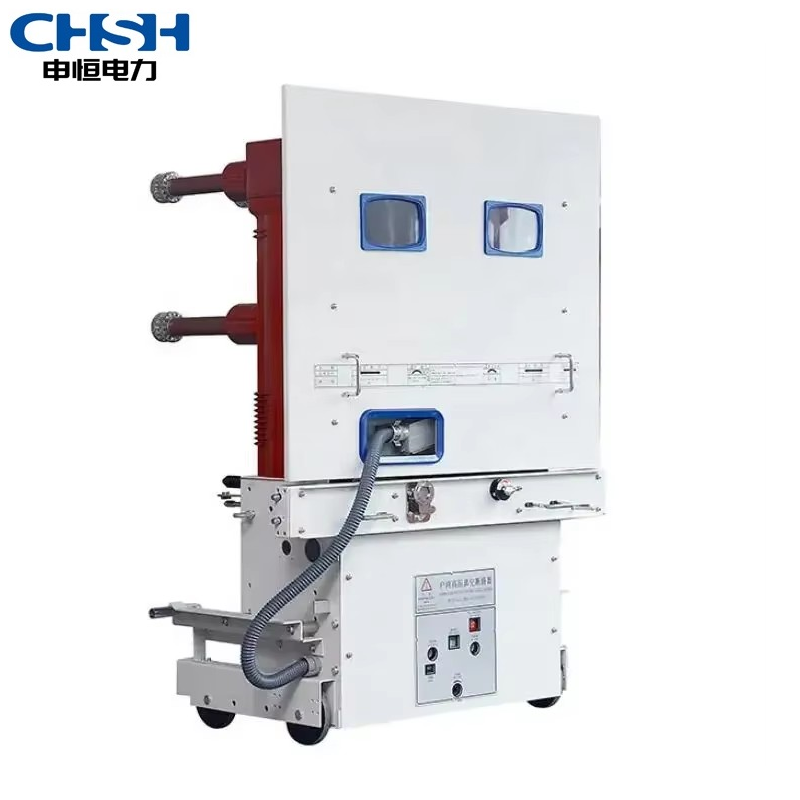
Effective circuit breaker maintenance cycles involve systematic inspection, testing, and component replacement procedures that prevent unexpected failures and extend equipment service life. The complexity of modern substation environments requires carefully planned maintenance strategies that balance operational demands with equipment preservation. By implementing comprehensive maintenance protocols, organizations can significantly reduce downtime, minimize repair costs, and ensure consistent power delivery to critical infrastructure and commercial facilities.
Understanding Circuit Breaker Maintenance Fundamentals
Essential Components Requiring Regular Attention
Circuit breaker maintenance cycles must address several critical components that directly affect operational performance and equipment longevity. The primary focus areas include contact systems, insulation materials, operating mechanisms, and control circuits. Contact wear represents one of the most significant factors influencing breaker lifespan, as repeated switching operations gradually degrade contact surfaces and reduce their effectiveness. Regular inspection and measurement of contact resistance helps maintenance teams identify deterioration before it leads to operational failures.
Insulation systems within circuit breakers require particular attention during maintenance cycles, as degradation can lead to catastrophic failures and safety hazards. Dielectric testing procedures help evaluate insulation integrity and identify potential weak points that could compromise system reliability. Operating mechanisms, including springs, hydraulic systems, and motor drives, must be regularly serviced to ensure proper timing and force characteristics during switching operations.
Maintenance Scheduling Strategies
Developing effective circuit breaker maintenance cycles requires careful consideration of manufacturer recommendations, operational conditions, and historical performance data. Time-based maintenance schedules provide predictable intervals for routine inspections and component replacement, while condition-based approaches use monitoring data to optimize maintenance timing. Many organizations implement hybrid strategies that combine both approaches to maximize equipment reliability while minimizing maintenance costs.
Environmental factors significantly influence optimal maintenance frequencies, with installations in harsh conditions requiring more frequent attention than those in controlled environments. Humidity, temperature fluctuations, contamination levels, and seismic activity all impact circuit breaker performance and maintenance requirements. Regular assessment of these environmental conditions helps maintenance teams adjust their circuit breaker maintenance cycles to address specific operational challenges and extend equipment service life.
Preventive Maintenance Procedures
Visual Inspection Protocols
Comprehensive visual inspections form the foundation of effective circuit breaker maintenance cycles, providing early detection of potential problems before they escalate into major failures. Maintenance personnel should examine external components for signs of corrosion, physical damage, or unusual wear patterns that could indicate underlying issues. Proper documentation of inspection findings enables trend analysis and helps identify recurring problems that may require design modifications or enhanced maintenance procedures.
Internal component inspections during circuit breaker maintenance cycles require specialized knowledge and safety procedures to ensure personnel protection and equipment integrity. Contact examination involves measuring contact travel, assessing surface condition, and evaluating alignment characteristics that affect switching performance. Arc chute inspection focuses on identifying carbon deposits, damaged arc plates, or structural degradation that could compromise interrupting capability during fault conditions.
Electrical Testing Requirements
Electrical testing represents a critical component of circuit breaker maintenance cycles, providing quantitative data about equipment condition and performance characteristics. Contact resistance measurements help identify degradation trends and determine when contact replacement becomes necessary. Insulation resistance testing evaluates dielectric strength and identifies potential failure modes that could compromise system safety and reliability.
Timing tests during circuit breaker maintenance cycles verify proper coordination between phases and ensure that switching operations occur within specified parameters. These measurements help detect mechanical problems in operating mechanisms and identify adjustments needed to maintain optimal performance. High-potential testing validates insulation integrity under stress conditions similar to those encountered during normal operation and fault conditions.
Mechanical System Maintenance
Operating Mechanism Service
Operating mechanisms require specialized attention during circuit breaker maintenance cycles to ensure reliable switching performance and proper timing characteristics. Spring-operated mechanisms need regular inspection of charging motors, energy storage systems, and release mechanisms to prevent operational failures. Lubrication schedules must be strictly followed to minimize wear and maintain smooth operation throughout the equipment's service life.
Hydraulic operating systems present unique maintenance challenges that require specialized expertise and equipment. Fluid quality monitoring, pressure testing, and seal replacement represent critical elements of hydraulic system maintenance. Regular analysis of hydraulic fluid helps detect contamination, degradation, or leakage that could compromise switching performance or damage internal components during operation.
Auxiliary System Maintenance
Auxiliary systems supporting circuit breaker operations require integrated maintenance approaches that coordinate with primary equipment service cycles. Control circuits, protective relays, and monitoring systems must be regularly tested and calibrated to ensure proper coordination and reliable operation. Communication interfaces between circuit breakers and supervisory control systems need periodic verification to maintain system integration and remote monitoring capabilities.
Heating systems in outdoor installations require regular maintenance to prevent condensation and ice formation that could affect circuit breaker performance. Ventilation systems, enclosure seals, and drainage provisions must be inspected and maintained to protect internal components from environmental contamination. Regular maintenance of these auxiliary systems directly contributes to extended circuit breaker service life and improved operational reliability.
Advanced Monitoring and Diagnostics
Condition Monitoring Technologies
Modern condition monitoring technologies enable more sophisticated approaches to circuit breaker maintenance cycles by providing continuous assessment of equipment health and performance trends. Partial discharge monitoring systems detect insulation degradation in its early stages, allowing maintenance teams to address problems before they lead to equipment failures. Vibration analysis during switching operations helps identify mechanical problems in operating mechanisms and contact systems.
Thermal imaging technologies provide valuable insights into contact condition and connection integrity during routine circuit breaker maintenance cycles. Hot spots identified through infrared inspection often indicate loose connections, contact deterioration, or overloading conditions that require immediate attention. Regular thermal surveys enable trending analysis and help prioritize maintenance activities based on actual equipment condition rather than arbitrary time intervals.
Data Analysis and Trending
Effective utilization of monitoring data requires sophisticated analysis techniques that transform raw measurements into actionable maintenance information. Statistical analysis of operating parameters helps establish baseline performance characteristics and identify deviations that may indicate developing problems. Trending analysis enables maintenance teams to predict component replacement needs and optimize circuit breaker maintenance cycles based on actual equipment condition.
Integration of multiple monitoring systems provides comprehensive assessment capabilities that enhance maintenance decision-making processes. Combining electrical measurements, mechanical parameters, and environmental data creates detailed equipment profiles that support predictive maintenance strategies. This integrated approach helps organizations optimize maintenance resources while maximizing equipment reliability and service life extension.
Maintenance Cost Optimization
Resource Planning Strategies
Effective resource planning for circuit breaker maintenance cycles requires careful consideration of personnel requirements, specialized equipment needs, and material inventory management. Maintenance teams must possess appropriate technical skills and safety certifications to perform complex procedures safely and effectively. Training programs should address both routine maintenance procedures and advanced diagnostic techniques to ensure comprehensive service capabilities.
Specialized test equipment represents a significant investment that must be carefully managed to support multiple maintenance activities across different circuit breaker types and manufacturers. Equipment calibration, maintenance, and replacement schedules must be coordinated with circuit breaker maintenance cycles to ensure availability when needed. Sharing expensive test equipment between facilities can help organizations optimize capital investment while maintaining service quality.
Inventory Management
Strategic spare parts inventory management directly impacts the effectiveness and cost of circuit breaker maintenance cycles. Critical components such as contacts, springs, and control modules should be maintained in appropriate quantities to support scheduled maintenance and emergency repairs. Inventory optimization requires balancing carrying costs against the risk of extended outages due to parts unavailability.
Long-term inventory planning must consider manufacturer support policies, component obsolescence risks, and technology evolution trends that may affect parts availability. Establishing relationships with multiple suppliers and maintaining detailed records of component specifications helps ensure continued support for aging equipment. Regular review of inventory levels and usage patterns enables optimization of stock quantities and identification of items that may require special procurement attention.
Safety Considerations
Personnel Protection Protocols
Safety protocols during circuit breaker maintenance cycles must address multiple hazards including electrical shock, arc flash, mechanical injury, and exposure to hazardous materials. Comprehensive lockout/tagout procedures ensure that equipment is properly de-energized and isolated before maintenance personnel begin work. Personal protective equipment requirements must be carefully matched to specific hazards encountered during different maintenance activities.
Arc flash analysis and proper protective equipment selection represent critical safety considerations for maintenance work on energized or recently de-energized equipment. Regular review and updating of safety procedures helps incorporate lessons learned from industry incidents and evolving best practices. Training programs must emphasize both technical competency and safety awareness to ensure that maintenance personnel can perform their duties without compromising their safety or that of their colleagues.
Environmental Compliance
Environmental considerations during circuit breaker maintenance cycles include proper handling and disposal of insulating fluids, contaminated materials, and replaced components. Regulatory compliance requirements vary by location but generally address waste management, spill prevention, and emission control. Maintenance procedures must incorporate appropriate environmental protection measures and documentation requirements.
Waste minimization strategies help reduce environmental impact and disposal costs associated with circuit breaker maintenance cycles. Reconditioning and refurbishment of components can extend their useful life while reducing waste generation. Proper storage and handling of hazardous materials prevents environmental contamination and ensures compliance with applicable regulations throughout the maintenance process.
FAQ
How frequently should circuit breaker maintenance cycles be performed in typical substation environments
Circuit breaker maintenance cycles typically follow manufacturer recommendations that range from annual inspections for critical applications to five-year intervals for routine installations. The specific frequency depends on factors including switching duty, environmental conditions, and equipment age. High-duty applications or harsh environments may require more frequent maintenance, while installations in controlled conditions can often extend intervals without compromising reliability.
What are the most critical components to monitor during circuit breaker maintenance cycles
The most critical components requiring attention during circuit breaker maintenance cycles include contact systems, insulation materials, operating mechanisms, and control circuits. Contact wear assessment through resistance measurements and visual inspection provides early indication of replacement needs. Insulation testing validates dielectric strength, while operating mechanism evaluation ensures proper timing and force characteristics essential for reliable switching performance.
How do environmental conditions affect circuit breaker maintenance cycle requirements
Environmental conditions significantly influence circuit breaker maintenance cycle frequency and scope. High humidity, temperature extremes, contamination, and seismic activity accelerate component degradation and require more frequent attention. Coastal installations face additional challenges from salt contamination, while industrial environments may expose equipment to chemical vapors or particulate matter that affects maintenance requirements and component replacement intervals.
What role does condition monitoring play in optimizing circuit breaker maintenance cycles
Condition monitoring technologies enable transition from time-based to condition-based maintenance strategies that optimize circuit breaker maintenance cycles based on actual equipment health rather than arbitrary schedules. Continuous monitoring of parameters such as contact resistance, partial discharge, and operating characteristics provides early warning of developing problems and helps prioritize maintenance activities. This approach can extend maintenance intervals for equipment in good condition while identifying units requiring immediate attention.
Table of Contents
- Understanding Circuit Breaker Maintenance Fundamentals
- Preventive Maintenance Procedures
- Mechanical System Maintenance
- Advanced Monitoring and Diagnostics
- Maintenance Cost Optimization
- Safety Considerations
-
FAQ
- How frequently should circuit breaker maintenance cycles be performed in typical substation environments
- What are the most critical components to monitor during circuit breaker maintenance cycles
- How do environmental conditions affect circuit breaker maintenance cycle requirements
- What role does condition monitoring play in optimizing circuit breaker maintenance cycles