
 EN
EN
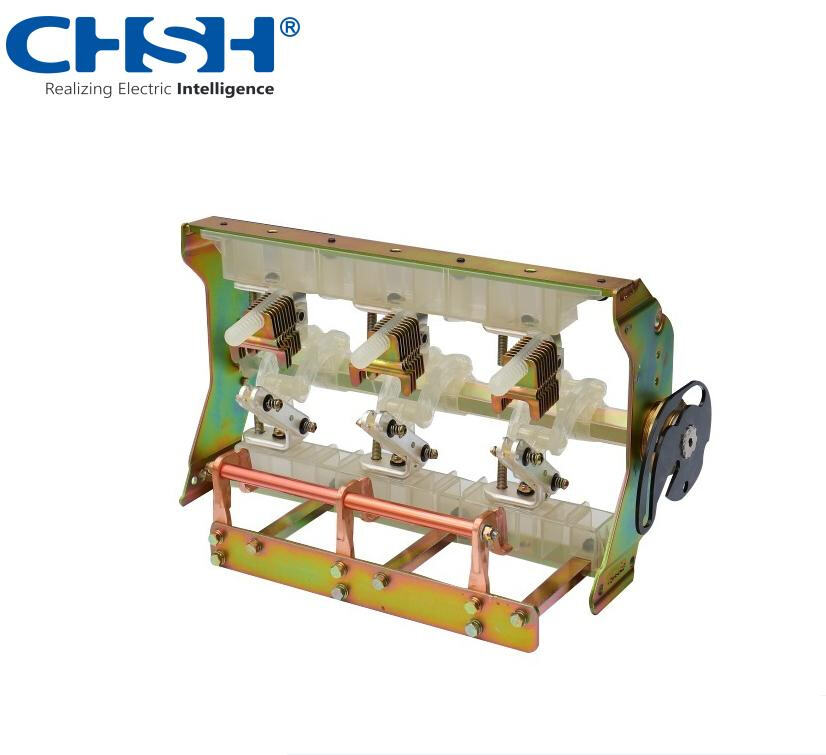
Power transformers equipped with tap changers play a critical role in maintaining stable voltage levels across electrical distribution networks. These sophisticated mechanisms require systematic maintenance approaches to ensure reliable operation and prevent costly failures. Understanding proper tap changer maintenance protocols is essential for electrical engineers, utility operators, and maintenance professionals who oversee power distribution systems.
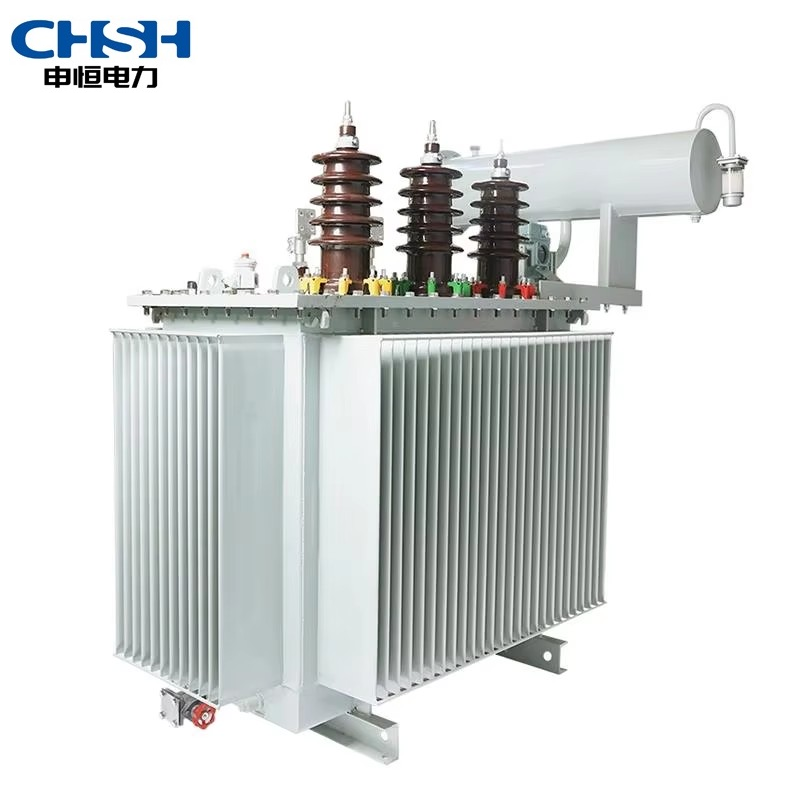
Modern electrical grids demand precise voltage regulation capabilities that only well-maintained tap changing equipment can provide. The complexity of these systems necessitates comprehensive maintenance strategies that address both mechanical and electrical components. Proper maintenance procedures not only extend equipment lifespan but also minimize unexpected outages and reduce operational costs significantly.
Industrial facilities and utility companies rely heavily on tap changing transformers to manage voltage variations caused by load fluctuations and grid conditions. Without adequate maintenance programs, these critical components can experience premature wear, insulation degradation, and contact erosion that leads to system failures. Implementing structured maintenance approaches ensures consistent performance and regulatory compliance across all operating conditions.
Understanding Tap Changer Components and Operation
Mechanical Components and Their Functions
The mechanical assembly of a tap changer consists of several interconnected components that work together to provide voltage regulation. Drive motors, gear mechanisms, and switching contacts form the core mechanical structure that enables position changes. These components operate under significant electrical and mechanical stresses, making regular inspection and maintenance crucial for continued reliability.
Contact assemblies represent the most critical mechanical elements within tap changing systems. These precision-engineered components must maintain proper alignment and pressure to ensure reliable electrical connections. Mechanical wear patterns, contact erosion, and spring tension degradation are common issues that maintenance teams must monitor continuously.
Drive mechanisms require careful attention to lubrication schedules and mechanical tolerances. Proper gear alignment, motor coupling integrity, and position indicator accuracy directly impact system performance. Regular mechanical inspections help identify potential issues before they result in operational failures or safety hazards.
Electrical System Integration
Electrical components within tap changing systems include control circuits, protection relays, and monitoring devices that ensure safe operation. These systems integrate with broader substation control networks to provide automated voltage regulation capabilities. Understanding electrical integration requirements is essential for effective maintenance planning and troubleshooting procedures.
Control circuit maintenance involves testing relay settings, verifying protection coordination, and validating communication interfaces. Modern tap changers often incorporate digital control systems that require specialized diagnostic tools and software updates. Maintaining electrical system integrity ensures proper coordination with grid protection schemes and operational control systems.
Insulation systems within tap changing equipment require regular testing to verify dielectric strength and identify potential degradation. Oil-filled systems need particular attention to moisture content, dielectric strength, and dissolved gas analysis results. Electrical testing protocols help maintenance teams assess insulation condition and plan appropriate interventions.
Preventive Maintenance Strategies
Scheduled Inspection Protocols
Implementing systematic inspection schedules forms the foundation of effective tap changer maintenance programs. Visual inspections, mechanical measurements, and electrical testing should occur at predetermined intervals based on manufacturer recommendations and operating conditions. Regular inspections help identify emerging issues before they progress to failure conditions.
Daily operational checks include position indication verification, alarm system testing, and basic performance monitoring. Weekly inspections focus on external condition assessment, oil level verification, and cooling system operation. Monthly detailed inspections involve mechanical tolerance measurements, electrical parameter testing, and control system diagnostics.
Annual comprehensive inspections require complete system evaluation including internal component examination, contact condition assessment, and insulation testing. These thorough inspections often coincide with transformer maintenance outages and provide opportunities for major component replacements or upgrades. Documentation of inspection results enables trend analysis and predictive maintenance planning.
Lubrication and Cleaning Procedures
Proper lubrication maintains mechanical component integrity and prevents premature wear in tap changer assemblies. Lubrication schedules must account for operating frequency, environmental conditions, and manufacturer specifications. Using appropriate lubricants and application methods ensures optimal component protection and performance reliability.
Cleaning procedures remove contamination that can interfere with electrical contacts and mechanical operation. Solvent cleaning of contact surfaces, removal of carbon deposits, and elimination of moisture contamination are essential maintenance activities. Proper cleaning techniques prevent damage to sensitive components while ensuring thorough contamination removal.
Environmental protection measures during maintenance activities prevent contamination introduction and ensure worker safety. Proper containment of cleaning solvents, appropriate ventilation systems, and contamination control protocols maintain equipment integrity. Following established cleaning procedures reduces the risk of introducing foreign materials that could compromise system performance.
Diagnostic Testing and Monitoring
Electrical Testing Methods
Comprehensive electrical testing provides critical information about tap changer condition and performance capabilities. Contact resistance measurements, insulation resistance testing, and dielectric strength evaluation form the core electrical diagnostic procedures. These tests reveal contact wear, insulation degradation, and potential failure modes that require attention.
Dynamic resistance measurement during tap changing operations identifies contact issues that static testing might miss. Timing analysis of switching sequences reveals mechanical problems that affect electrical performance. Power factor testing of insulation systems detects moisture contamination and aging effects that compromise dielectric strength.
Partial discharge testing identifies insulation weak points that could lead to catastrophic failures. Modern diagnostic equipment enables online monitoring of electrical parameters during normal operation. Trending analysis of electrical test results helps maintenance teams predict component replacement needs and optimize maintenance intervals.
Oil Analysis and Condition Monitoring
Oil-filled tap changers require regular oil analysis to monitor insulation condition and detect contamination sources. Dissolved gas analysis reveals internal arcing, overheating, and insulation breakdown products that indicate developing problems. Moisture content analysis identifies seal integrity issues and contamination sources that require correction.
Particle count analysis detects mechanical wear products and contamination that can damage contacts and compromise performance. Acidity testing reveals oil degradation and contamination effects that impact insulation properties. Regular oil sampling and analysis enable predictive maintenance decisions and prevent catastrophic failures.
Oil filtration and reclamation procedures restore insulation properties and extend service life. Proper sampling techniques ensure representative results that accurately reflect system condition. Oil analysis trending helps maintenance teams optimize oil change intervals and identify system improvements that enhance reliability.
Troubleshooting Common Issues
Mechanical Problems and Solutions
Mechanical issues in tap changer systems often manifest as operation failures, position indication errors, or abnormal operating sounds. Drive motor problems, gear wear, and mechanical binding are common failure modes that require systematic troubleshooting approaches. Understanding failure mechanisms enables efficient problem resolution and prevents recurring issues.
Contact alignment problems cause uneven wear patterns and poor electrical connections that affect performance. Mechanical adjustment procedures restore proper contact geometry and ensure reliable operation. Spring tension verification and adjustment maintain proper contact pressure throughout the operational range.
Lubrication system failures lead to increased friction, wear, and potential mechanical binding. Regular lubrication system maintenance prevents these issues and ensures smooth operation. Proper diagnostic techniques identify lubrication problems before they cause component damage or operational failures.
Electrical Fault Diagnosis
Electrical faults in tap changing systems include control circuit malfunctions, protection system issues, and insulation failures. Systematic troubleshooting procedures help identify root causes and implement appropriate corrective actions. Understanding electrical system interactions enables efficient fault resolution and prevents safety hazards.
Contact erosion and contamination cause increased resistance and potential arcing that affects system performance. Regular contact inspection and maintenance prevent these issues from progressing to failure conditions. Proper contact replacement procedures restore electrical integrity and ensure reliable operation.
Insulation system failures require immediate attention to prevent safety hazards and equipment damage. Diagnostic testing identifies insulation weak points and contamination sources that need correction. Proper insulation restoration procedures ensure continued safe operation and regulatory compliance.
Safety Considerations and Best Practices
Personal Safety Protocols
Tap changer maintenance involves working with high-voltage equipment and hazardous materials that require strict safety protocols. Proper lockout procedures, personal protective equipment, and confined space entry protocols ensure worker safety during maintenance activities. Understanding electrical hazards and implementing appropriate safety measures prevents accidents and ensures regulatory compliance.
Chemical exposure risks from insulating oils and cleaning solvents require proper handling procedures and protective equipment. Ventilation requirements, skin protection, and emergency response procedures minimize health risks during maintenance operations. Regular safety training ensures maintenance teams understand and follow established safety protocols.
Mechanical hazards from moving parts, stored energy, and lifting operations require careful planning and safety measures. Proper equipment isolation, mechanical restraints, and lifting procedures prevent accidents during maintenance work. Safety verification procedures ensure all hazards are controlled before beginning maintenance activities.
Environmental Protection Measures
Environmental protection during tap changer maintenance prevents contamination release and ensures regulatory compliance. Proper containment of insulating oils, solvent recovery procedures, and waste disposal protocols minimize environmental impact. Understanding environmental regulations and implementing appropriate protection measures prevents violations and associated penalties.
Spill prevention and response procedures minimize environmental damage from accidental releases. Secondary containment systems, absorbent materials, and emergency response equipment ensure rapid containment of any spills. Regular training on environmental protection procedures ensures maintenance teams understand their responsibilities.
Waste management procedures ensure proper disposal of contaminated materials and used components. Recycling opportunities for metals and oils reduce environmental impact and disposal costs. Proper documentation of waste disposal activities ensures regulatory compliance and environmental protection.
FAQ
How often should tap changer maintenance be performed
Tap changer maintenance frequency depends on operating conditions, manufacturer recommendations, and regulatory requirements. Typical maintenance intervals include daily operational checks, monthly detailed inspections, and annual comprehensive overhauls. High-frequency operation or harsh environmental conditions may require more frequent maintenance schedules to ensure reliable performance.
What are the most critical components to monitor in tap changer systems
Critical components include electrical contacts, drive mechanisms, control systems, and insulation materials. Contact condition directly affects electrical performance and requires regular monitoring for wear and contamination. Drive mechanism integrity ensures reliable operation and position accuracy. Insulation system condition affects safety and performance, making regular testing essential for continued operation.
How can predictive maintenance improve tap changer reliability
Predictive maintenance uses condition monitoring data to identify developing problems before they cause failures. Oil analysis, vibration monitoring, and electrical testing provide early warning of component degradation. Trending analysis of diagnostic data enables optimized maintenance scheduling and prevents unexpected outages while reducing maintenance costs.
What training is required for tap changer maintenance personnel
Maintenance personnel require training in electrical safety, mechanical systems, diagnostic testing, and manufacturer-specific procedures. Safety training includes high-voltage work practices, confined space entry, and chemical handling procedures. Technical training covers system operation, maintenance procedures, and troubleshooting techniques specific to tap changer equipment and associated control systems.