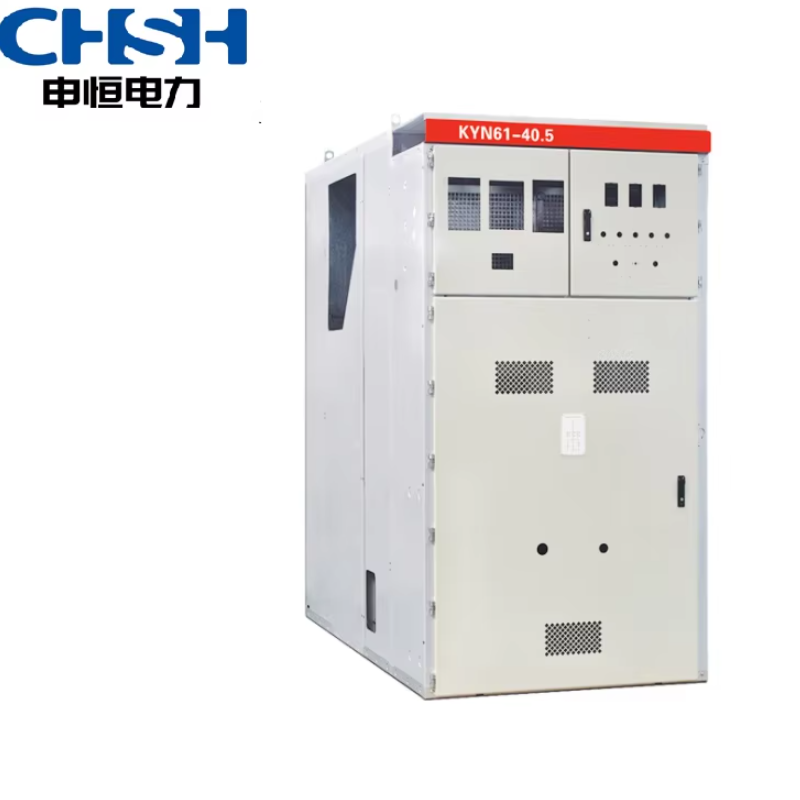
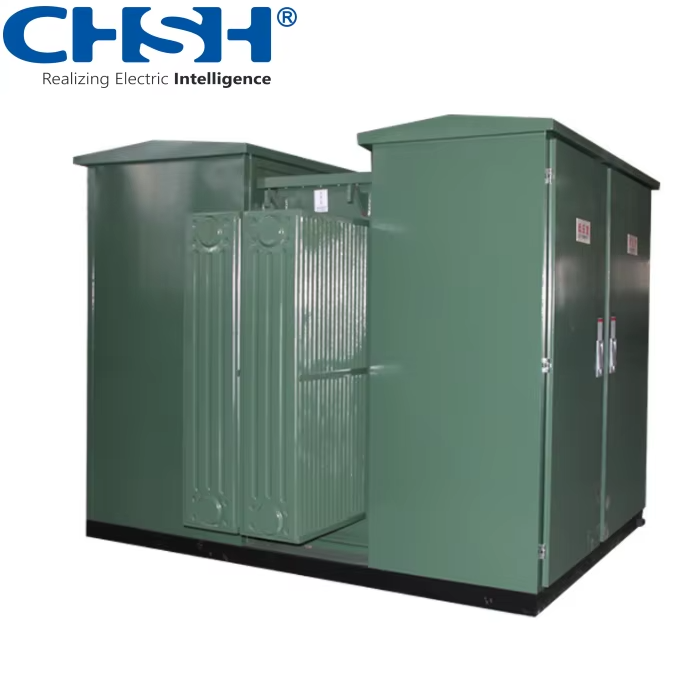
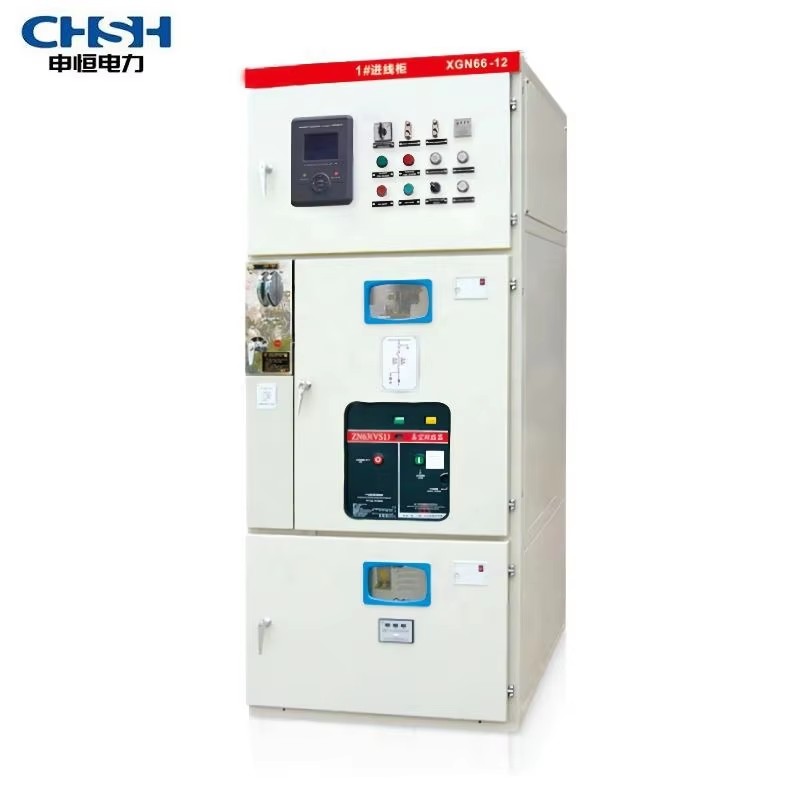
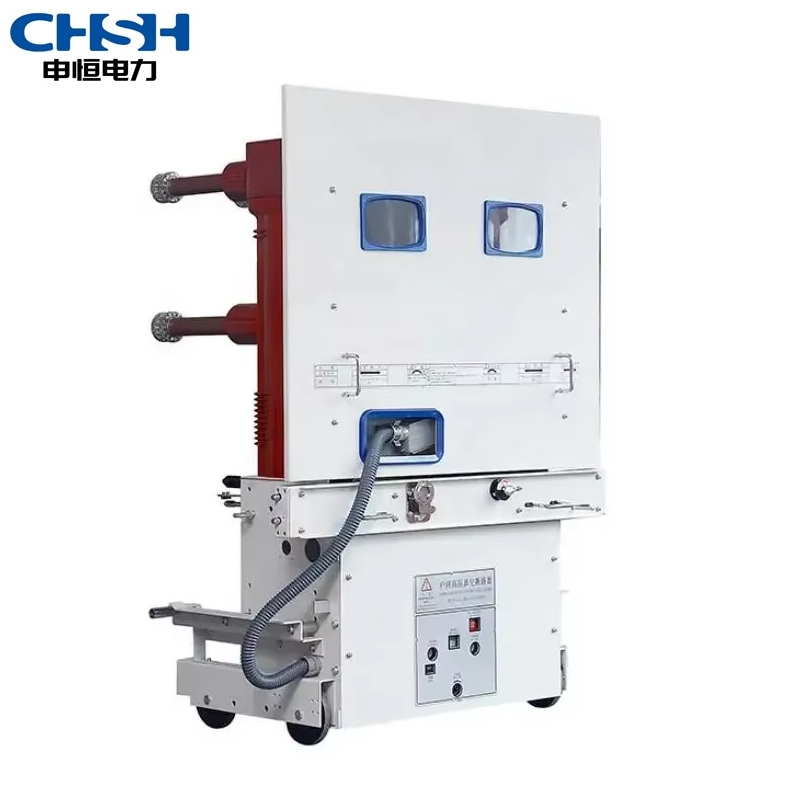
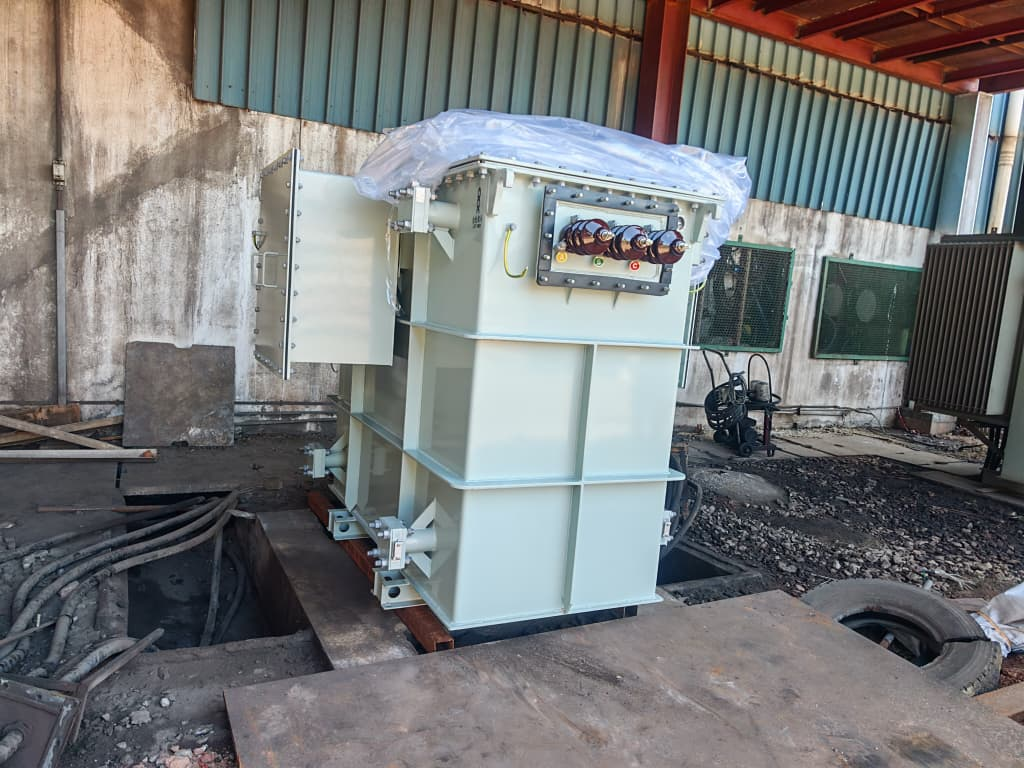
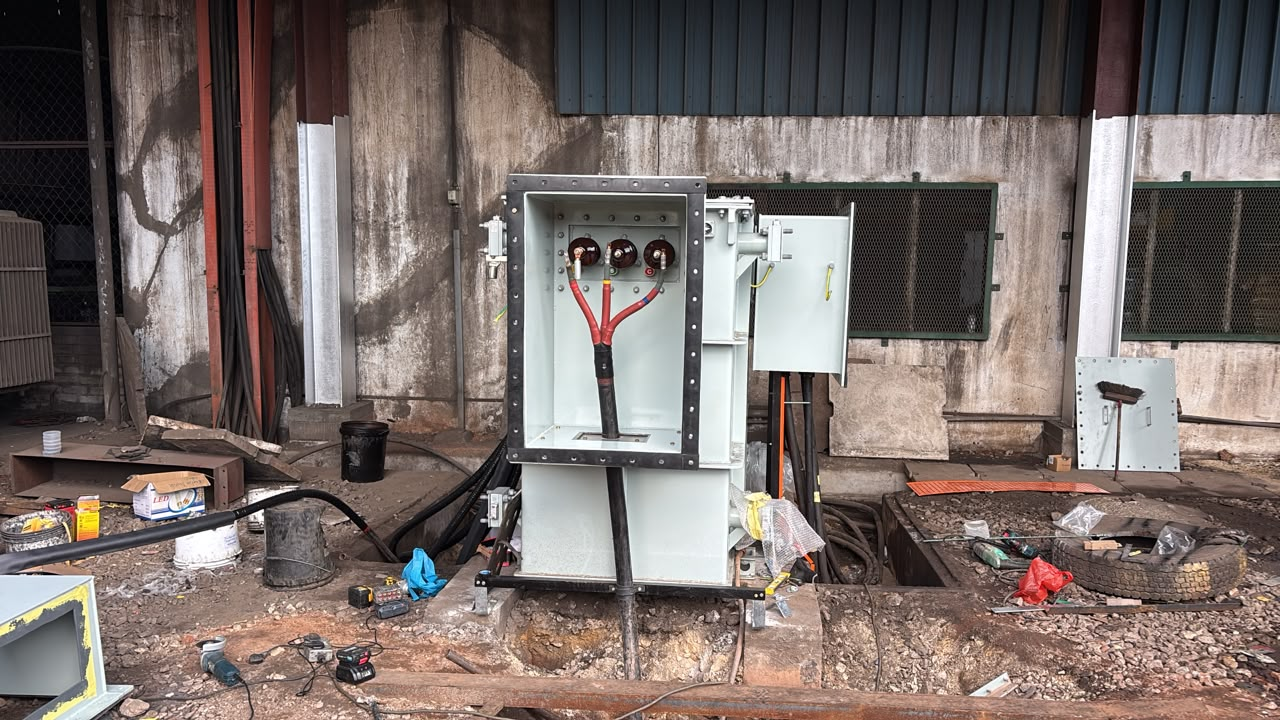
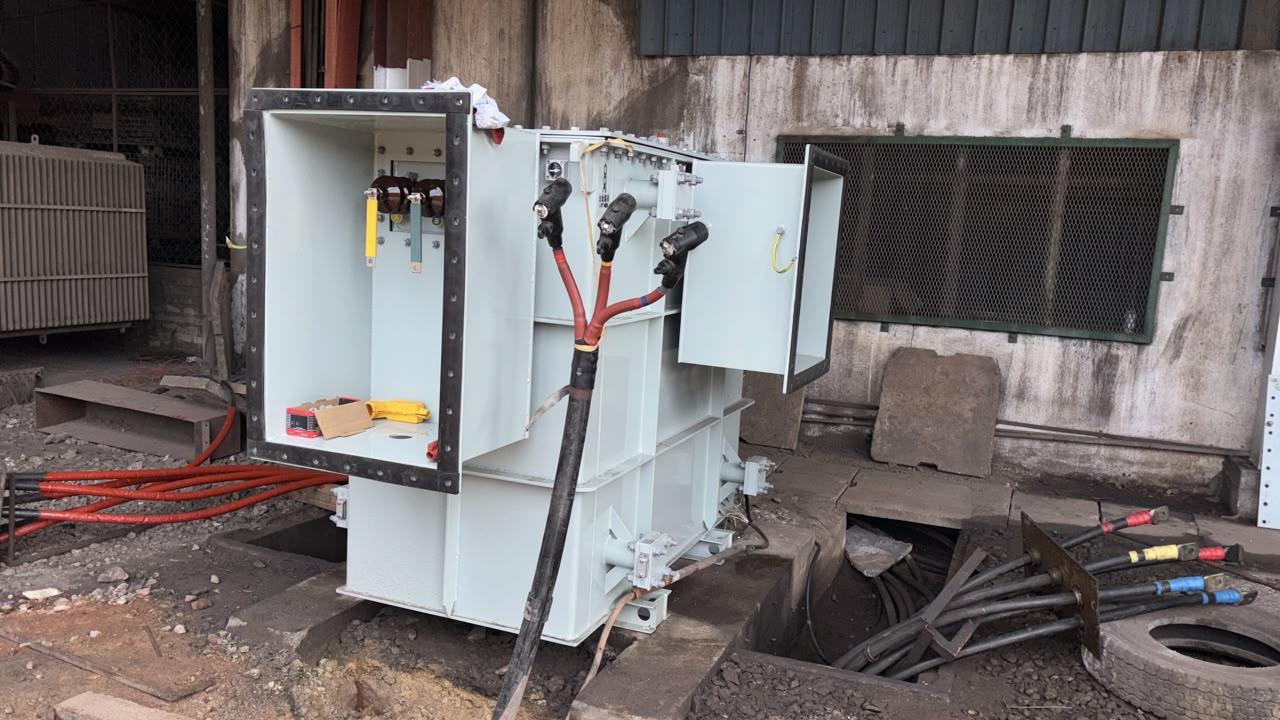
residential distribution transformer
A residential distribution transformer is an essential electrical component designed to step down high-voltage electricity from transmission lines to safe, usable levels for homes and neighborhoods. This specialized equipment serves as the critical link between power distribution networks and residential consumers, ensuring reliable electricity delivery to individual households.
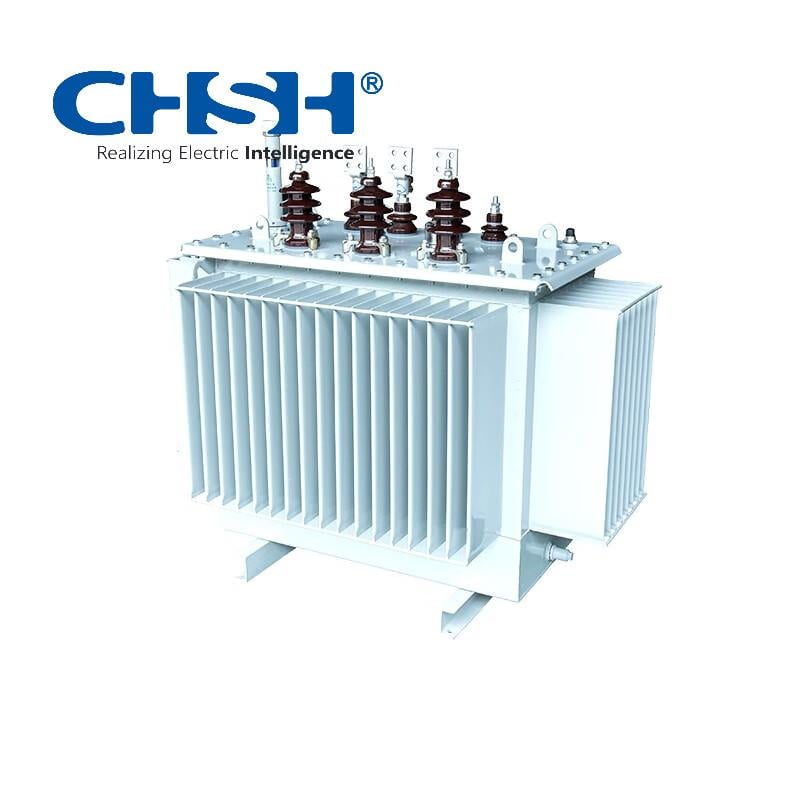
The residential distribution transformer operates by converting medium-voltage power into standard household voltage, typically 120/240 volts in North America. These transformers are engineered to handle the specific demands of residential areas, processing electricity safely and efficiently for everyday household applications.
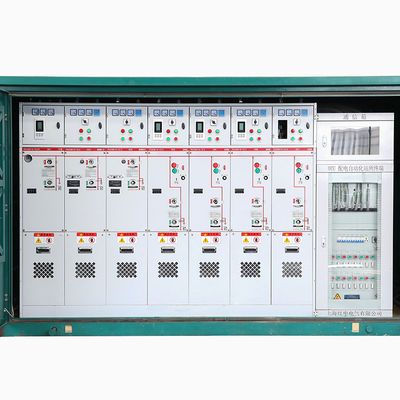
Key technological features of a residential distribution transformer include advanced insulation systems that prevent electrical faults, cooling mechanisms that maintain optimal operating temperatures, and protective devices that safeguard against power surges and overloads. Modern residential distribution transformers incorporate smart monitoring capabilities, allowing utility companies to detect problems before they affect customers.
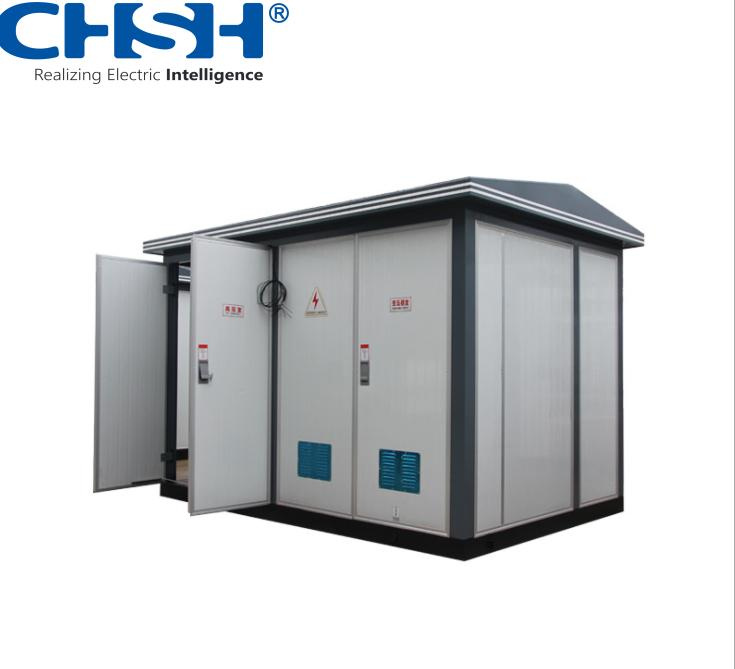
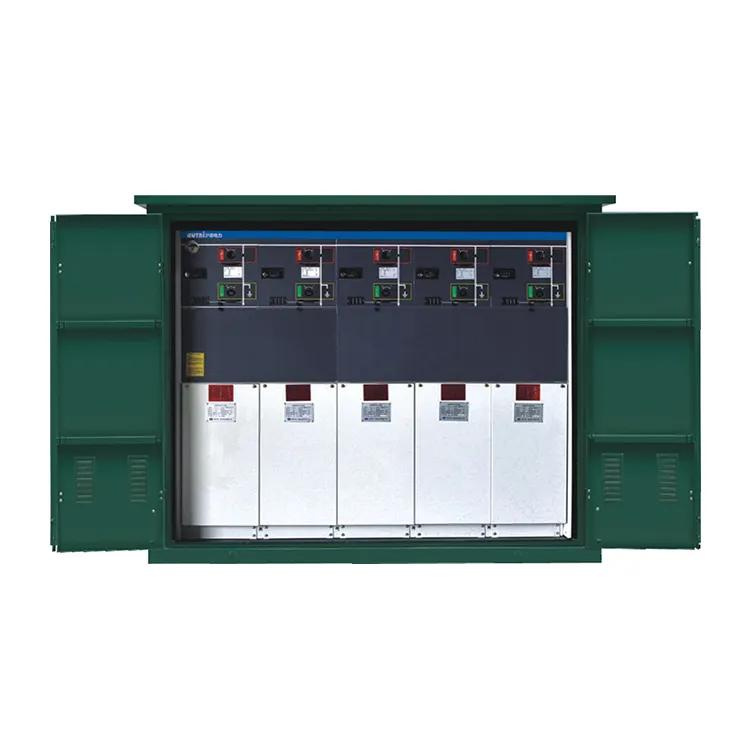
Applications for the residential distribution transformer span across suburban neighborhoods, residential communities, apartment complexes, and rural residential areas. These transformers mount on poles or are installed in ground-level enclosures, serving multiple homes simultaneously while maintaining voltage stability throughout service areas.
The residential distribution transformer represents a proven solution for converting and regulating electrical power in residential settings. Its robust design and reliable performance make it indispensable for modern residential infrastructure, supporting the continuous power needs of families and communities while meeting strict safety and efficiency standards.

 EN
EN