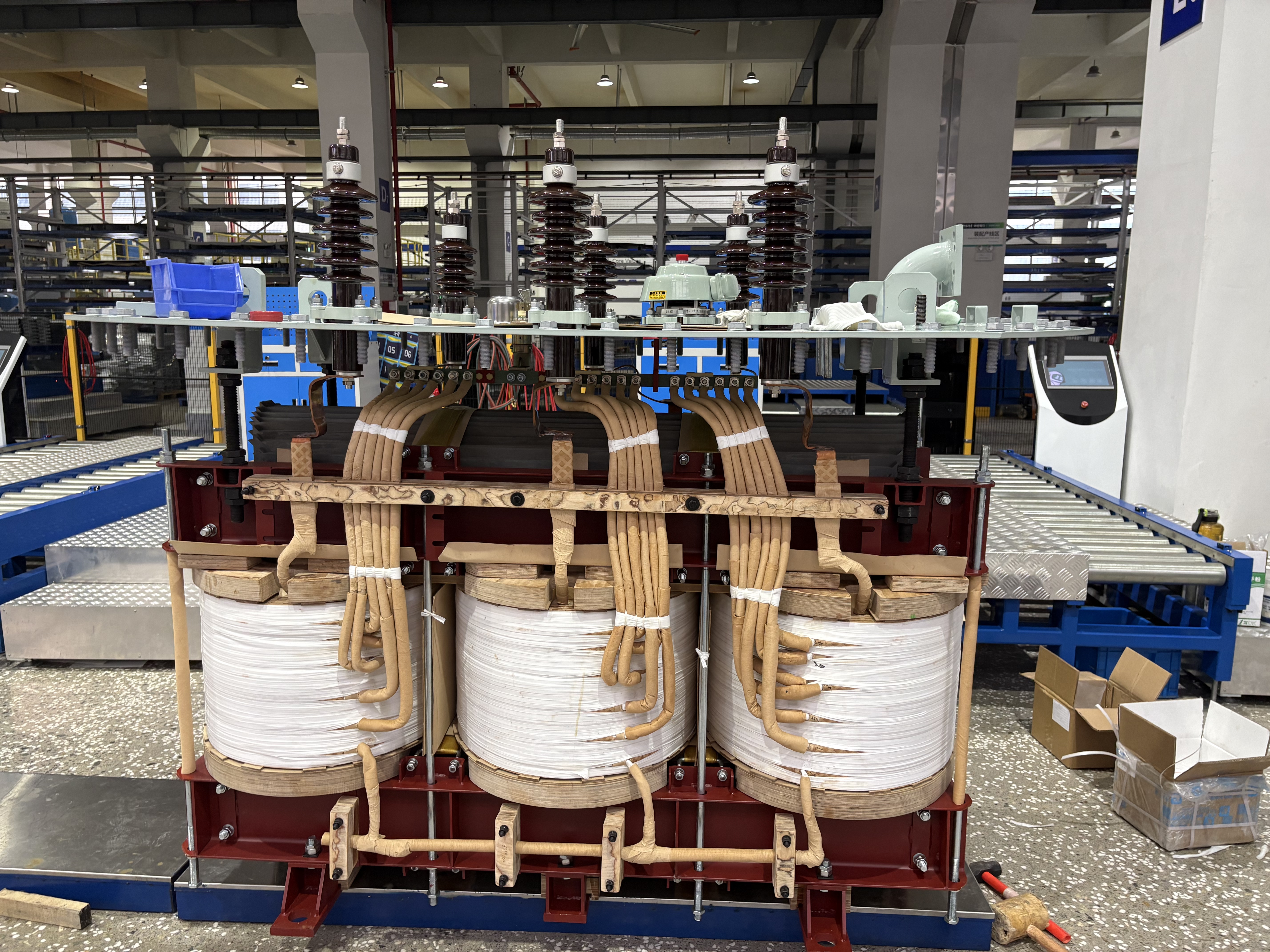
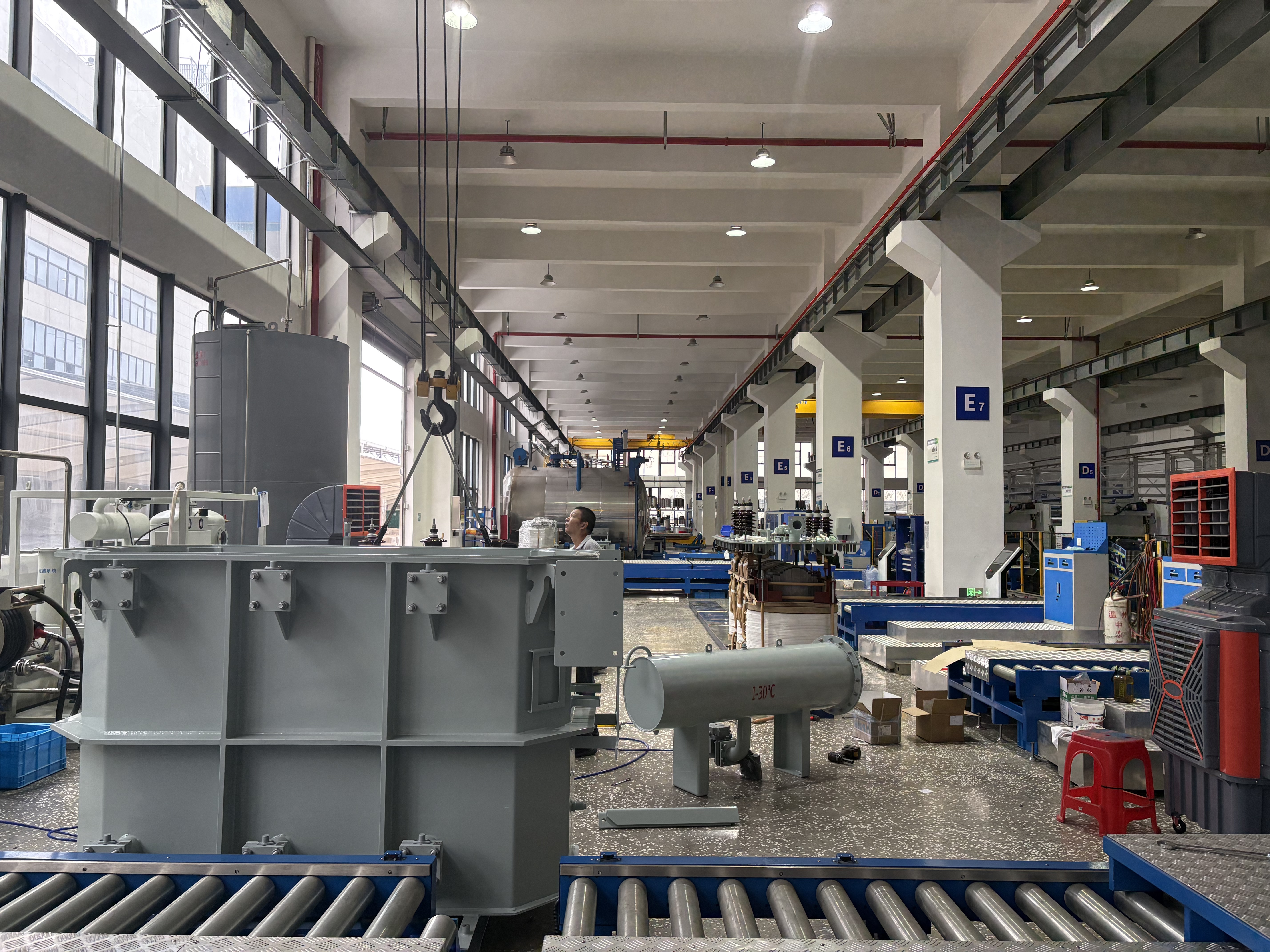
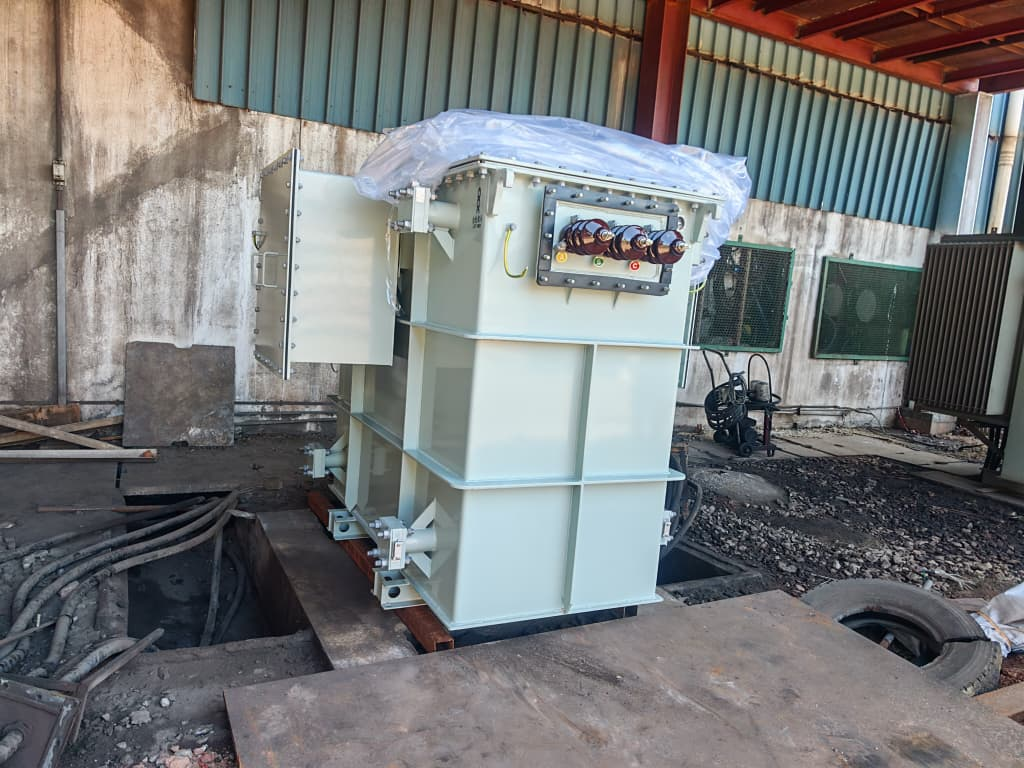
precision current transformer
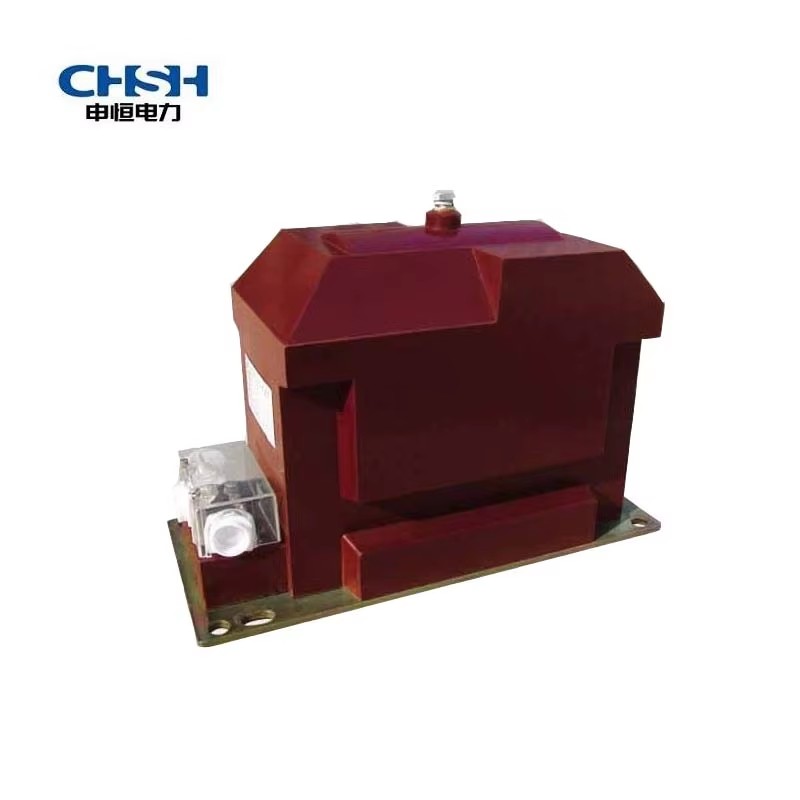
A precision current transformer is an advanced electrical device designed to accurately measure and transform high-value AC currents into proportional, manageable secondary currents suitable for monitoring and protection applications. This precision current transformer operates on electromagnetic induction principles, converting primary currents ranging from a few amperes to thousands of amperes into standardized secondary outputs, typically 5 amperes or 1 ampere, enabling precise measurement and analysis.
The primary function of a precision current transformer involves providing accurate current measurement for energy metering, power quality analysis, and system protection. A precision current transformer maintains exceptional accuracy across varying load conditions, offering measurement errors typically below 0.5 percent under rated operating conditions. These devices feature specialized core materials and winding designs that minimize iron losses and harmonic distortion, ensuring reliable performance in demanding electrical environments.
Key technological features of a precision current transformer include high-permeability magnetic cores, precision-wound secondary coils, and robust insulation systems rated for high-voltage applications. Advanced designs incorporate multiple secondary windings, enabling simultaneous metering and protection functions without interference. The precision current transformer is constructed with durable materials withstanding thermal stresses, mechanical vibrations, and environmental exposure typical in industrial power systems.
Applications for a precision current transformer span across utility companies, industrial facilities, renewable energy installations, and smart grid infrastructure. These devices prove essential in revenue metering systems where measurement accuracy directly impacts billing accuracy and financial accountability. The precision current transformer also supports real-time monitoring capabilities, enabling utilities and operators to detect anomalies, optimize power distribution, and maintain system stability in increasingly complex electrical networks.

 EN
EN