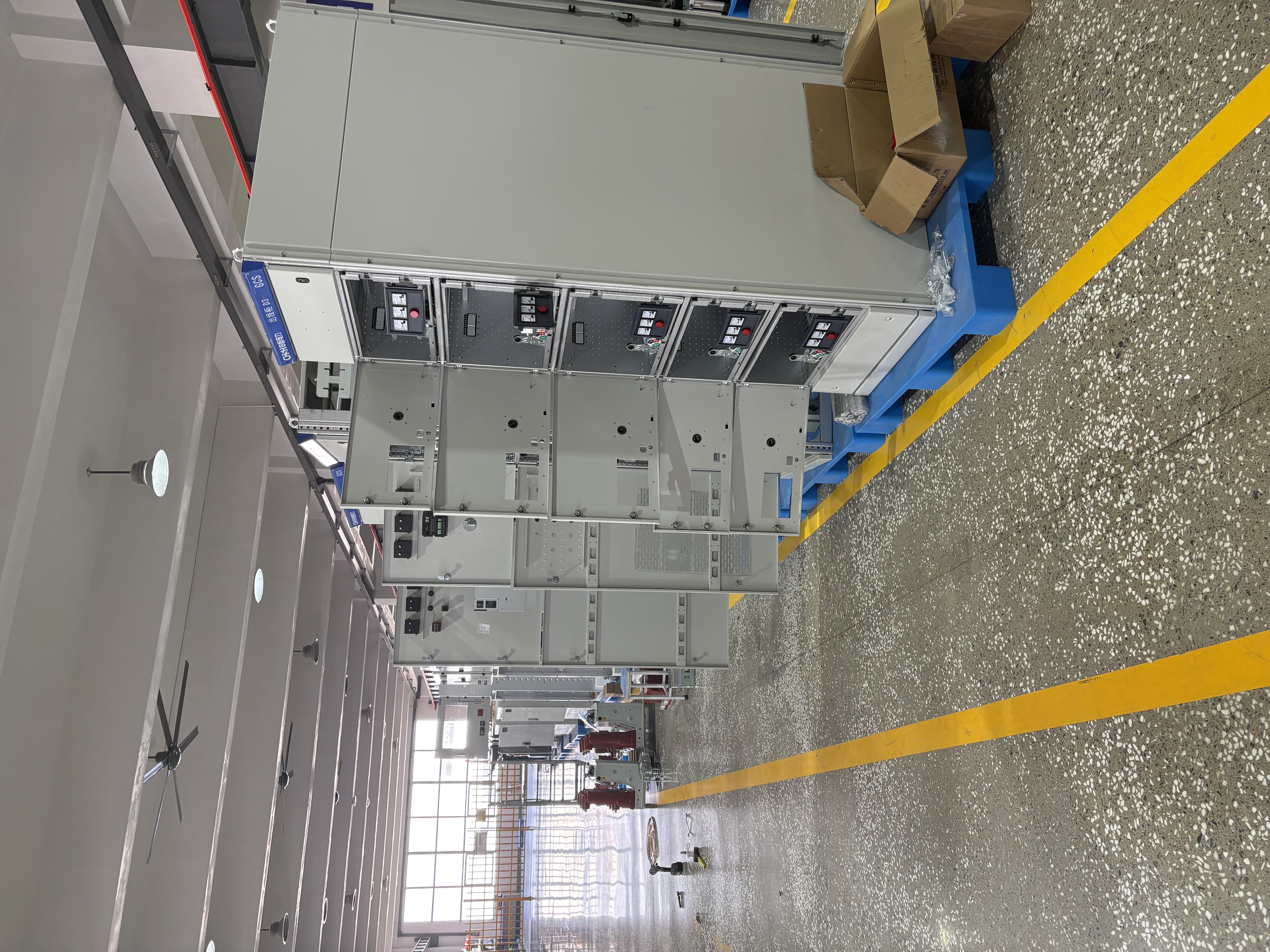
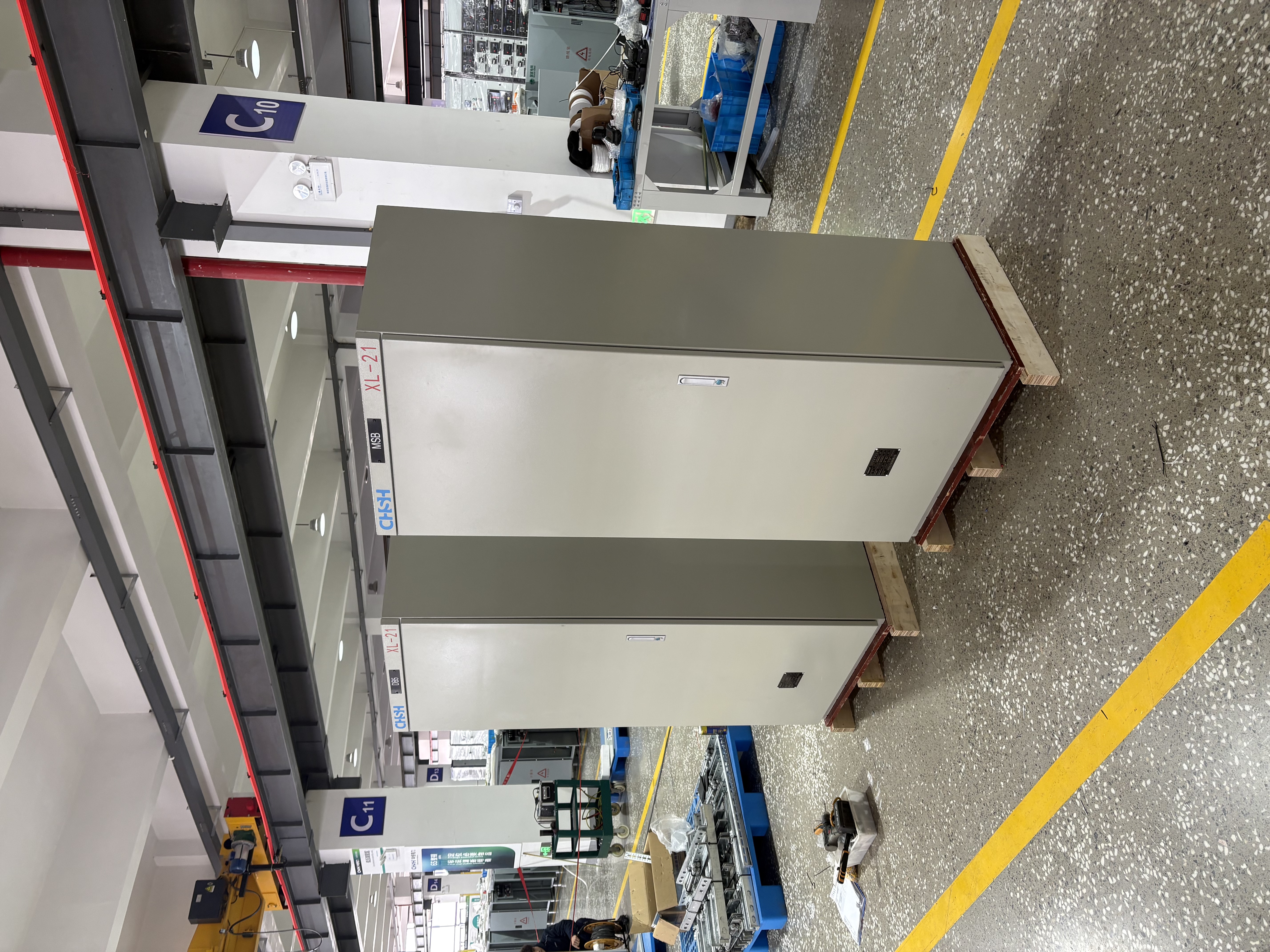
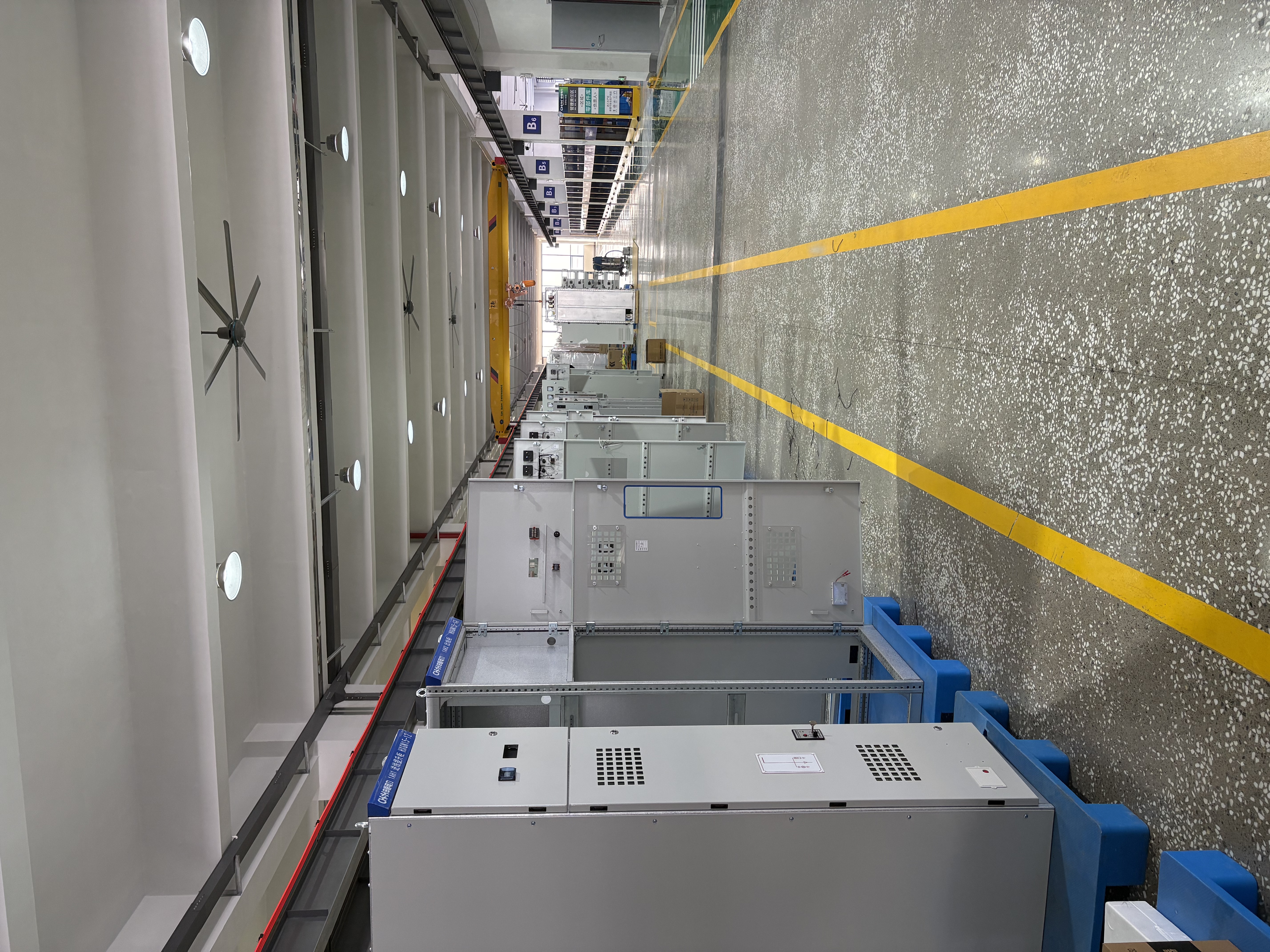
mv switchgear
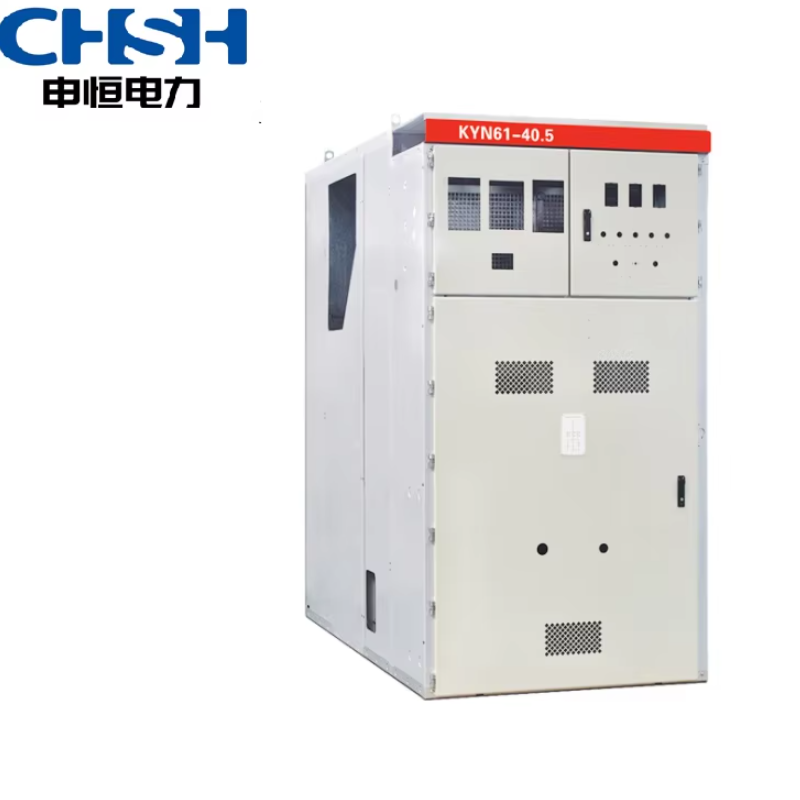
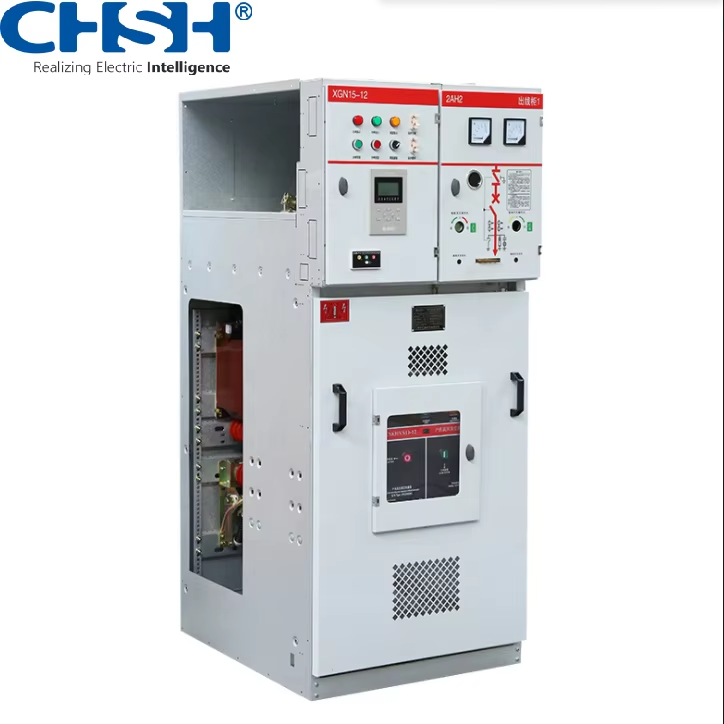
MV switchgear represents a critical component in modern electrical distribution systems, designed to control, protect, and isolate electrical equipment operating at medium voltage levels typically ranging from 1 kV to 35 kV. MV switchgear serves as the backbone of industrial facilities, commercial buildings, and utility substations worldwide.
The primary functions of MV switchgear include circuit protection, load switching, fault isolation, and system reconfiguration. MV switchgear accomplishes these tasks through sophisticated electromagnetic mechanisms and advanced control systems that respond instantly to electrical abnormalities. Modern MV switchgear incorporates digital monitoring capabilities, enabling real-time diagnostics and predictive maintenance scheduling.
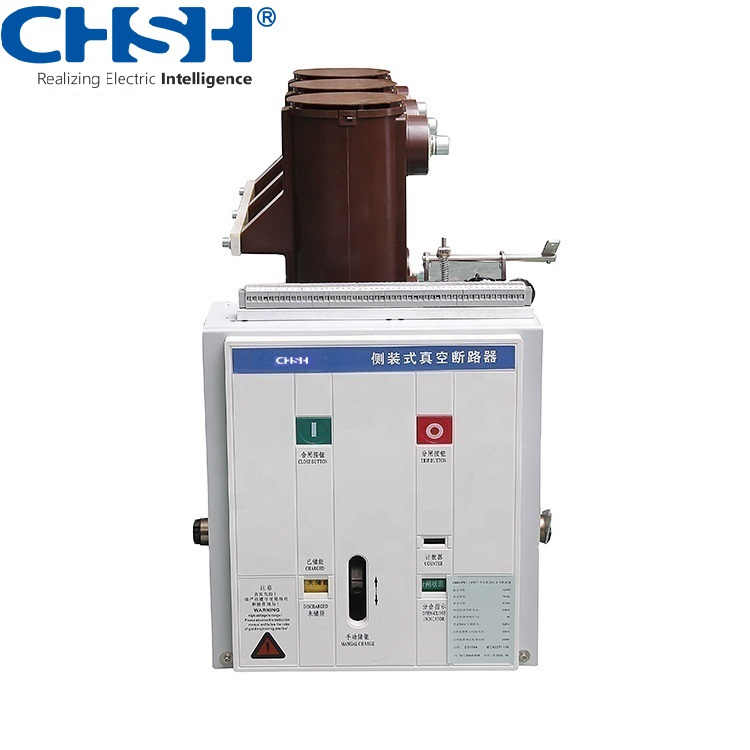
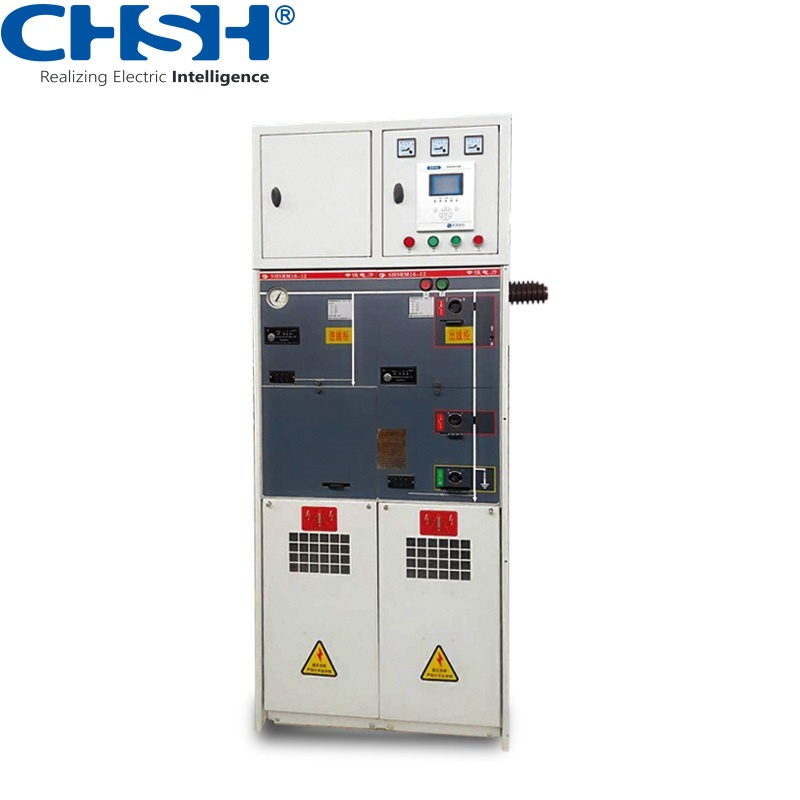
Technological features of contemporary MV switchgear include vacuum or SF6 gas insulation, microprocessor-based protection relays, and remote operating capabilities. MV switchgear utilizes insulated case designs to prevent electrical arcing and ensure operator safety. Advanced MV switchgear systems integrate communication protocols such as IEC 61850, allowing seamless integration with supervisory control and data acquisition networks.
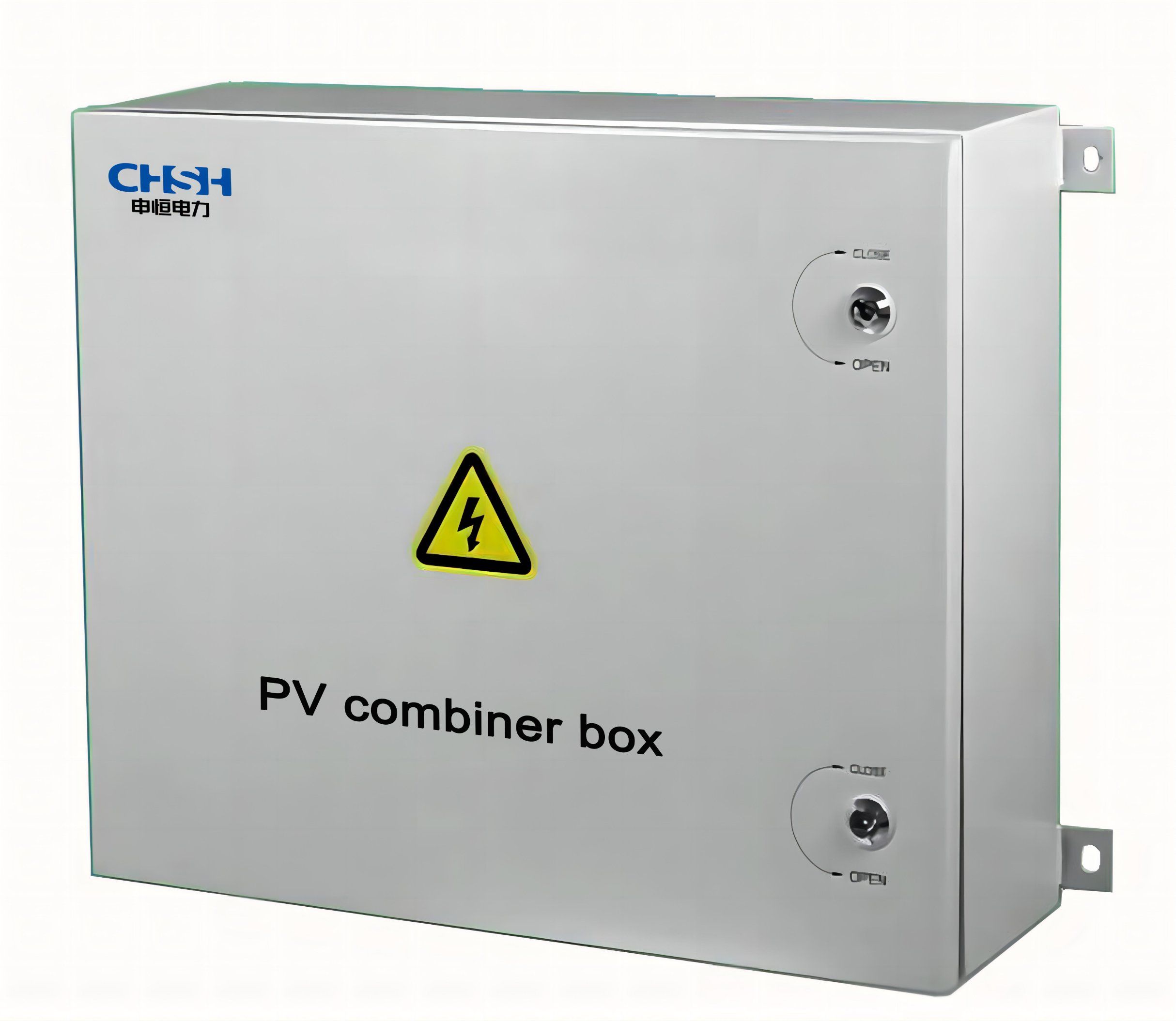
Applications span diverse industries including manufacturing plants, data centers, renewable energy installations, and power distribution networks. MV switchgear proves essential in wind farms, solar facilities, and hydroelectric stations. Industrial facilities depend on reliable MV switchgear for uninterrupted operations and equipment protection. Utility companies deploy MV switchgear extensively throughout distribution networks to manage load flow and respond to grid demands.
The reliability of MV switchgear directly impacts operational continuity and safety standards across all sectors. Modern MV switchgear designs emphasize compact footprints, reduced maintenance requirements, and enhanced environmental performance. Understanding MV switchgear capabilities enables facility managers to optimize their electrical infrastructure investments.

 EN
EN