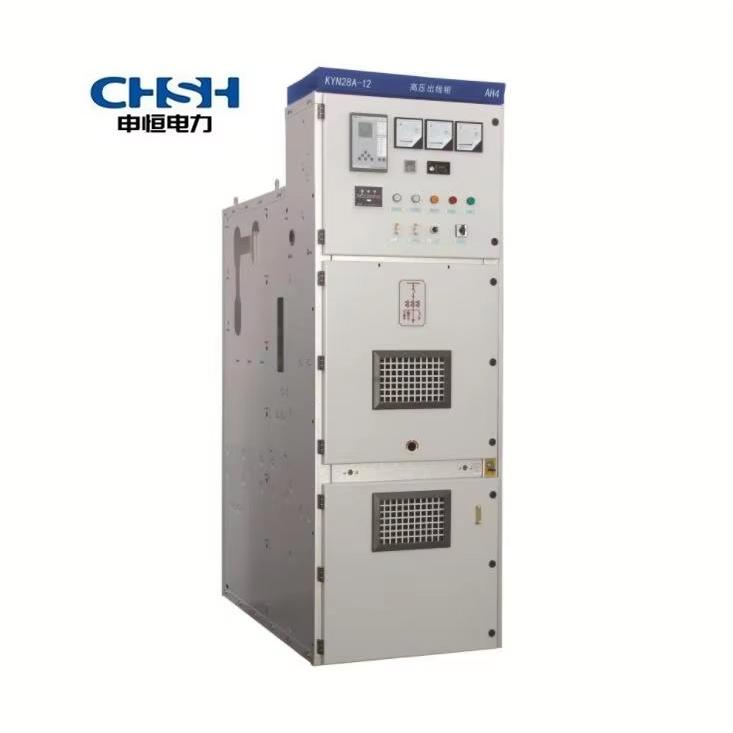
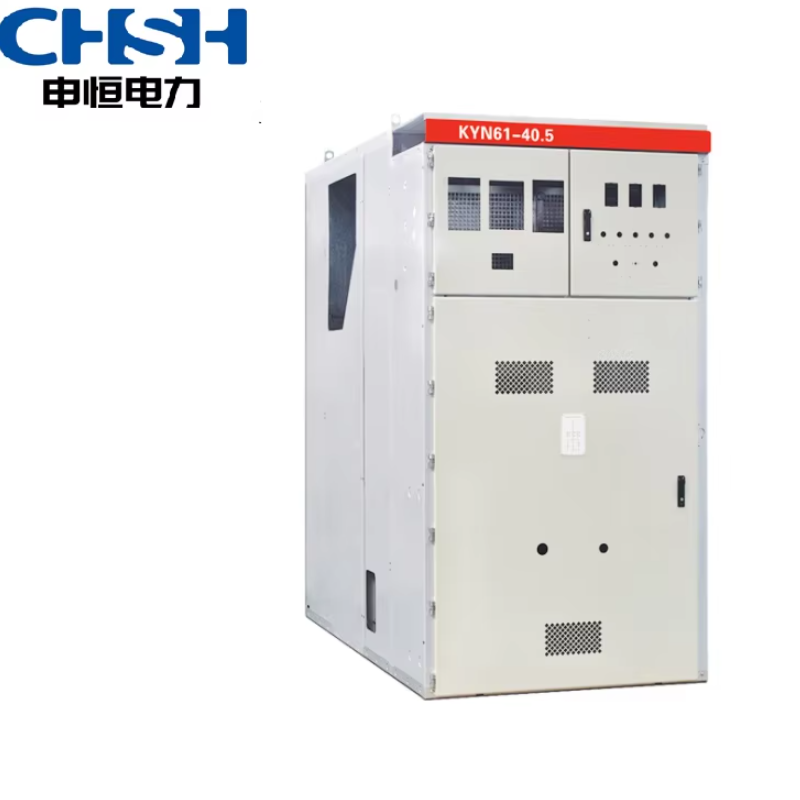
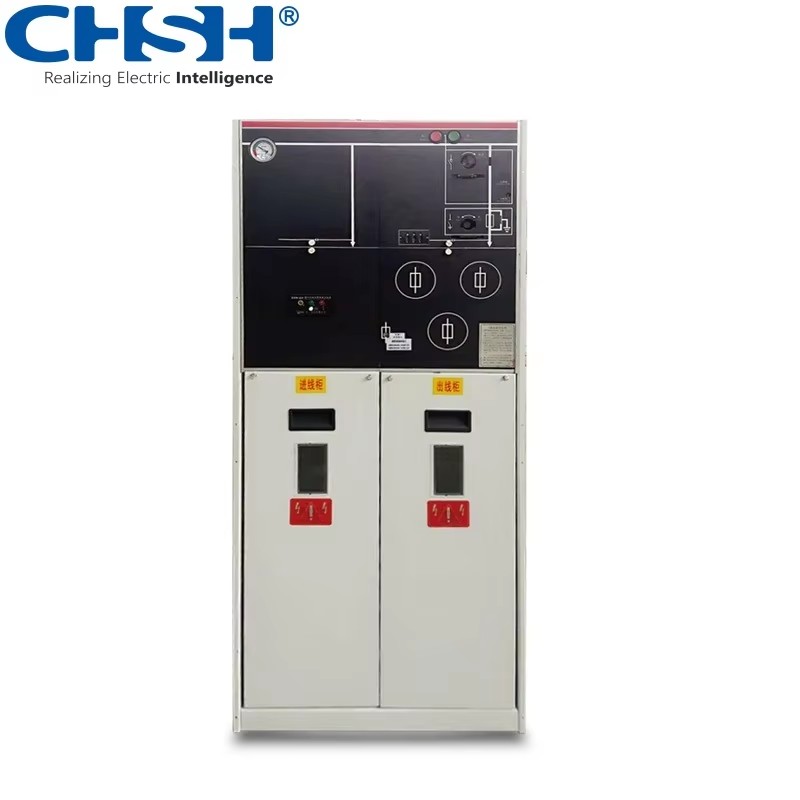
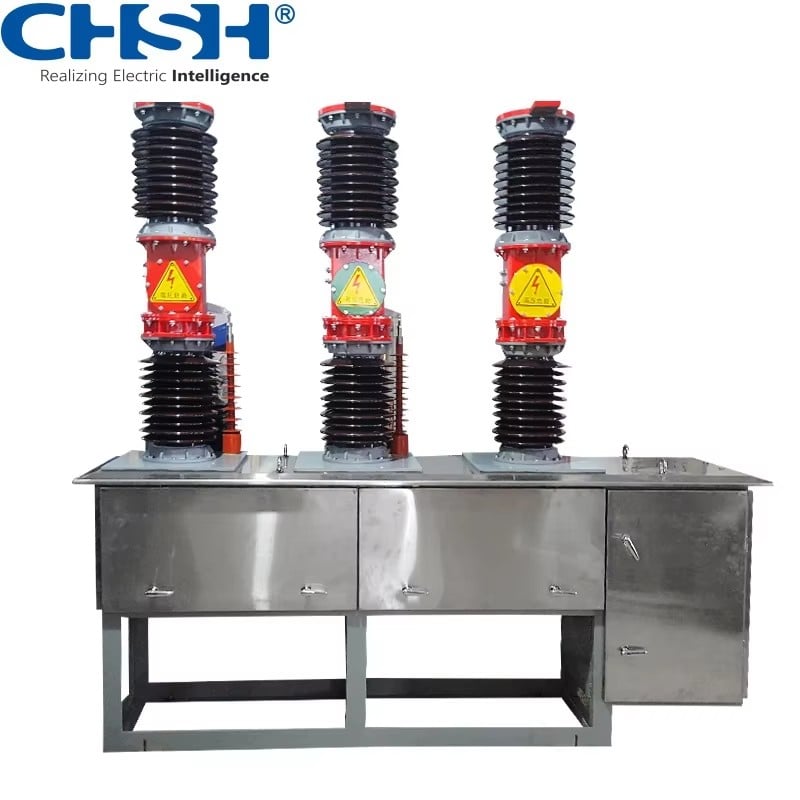
medium voltage cabinet
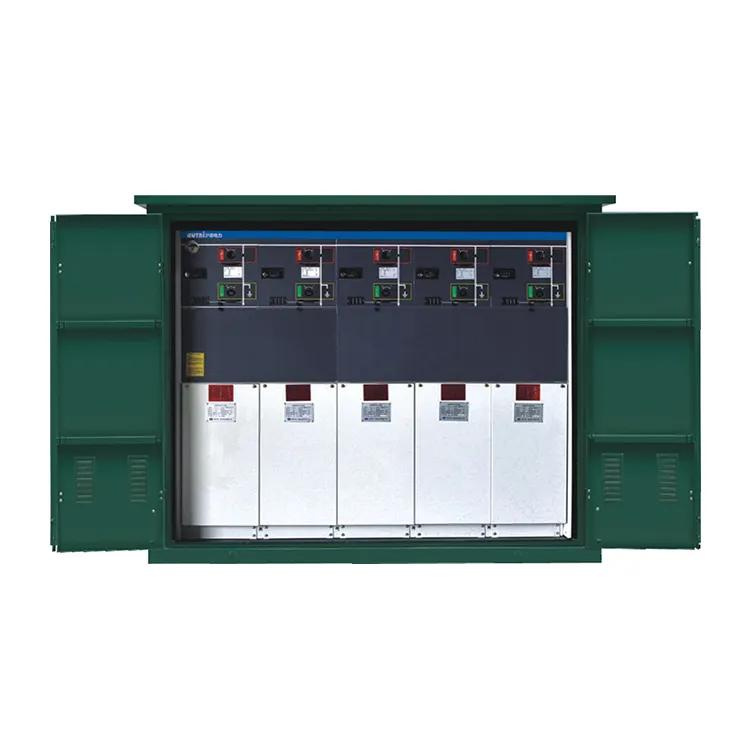
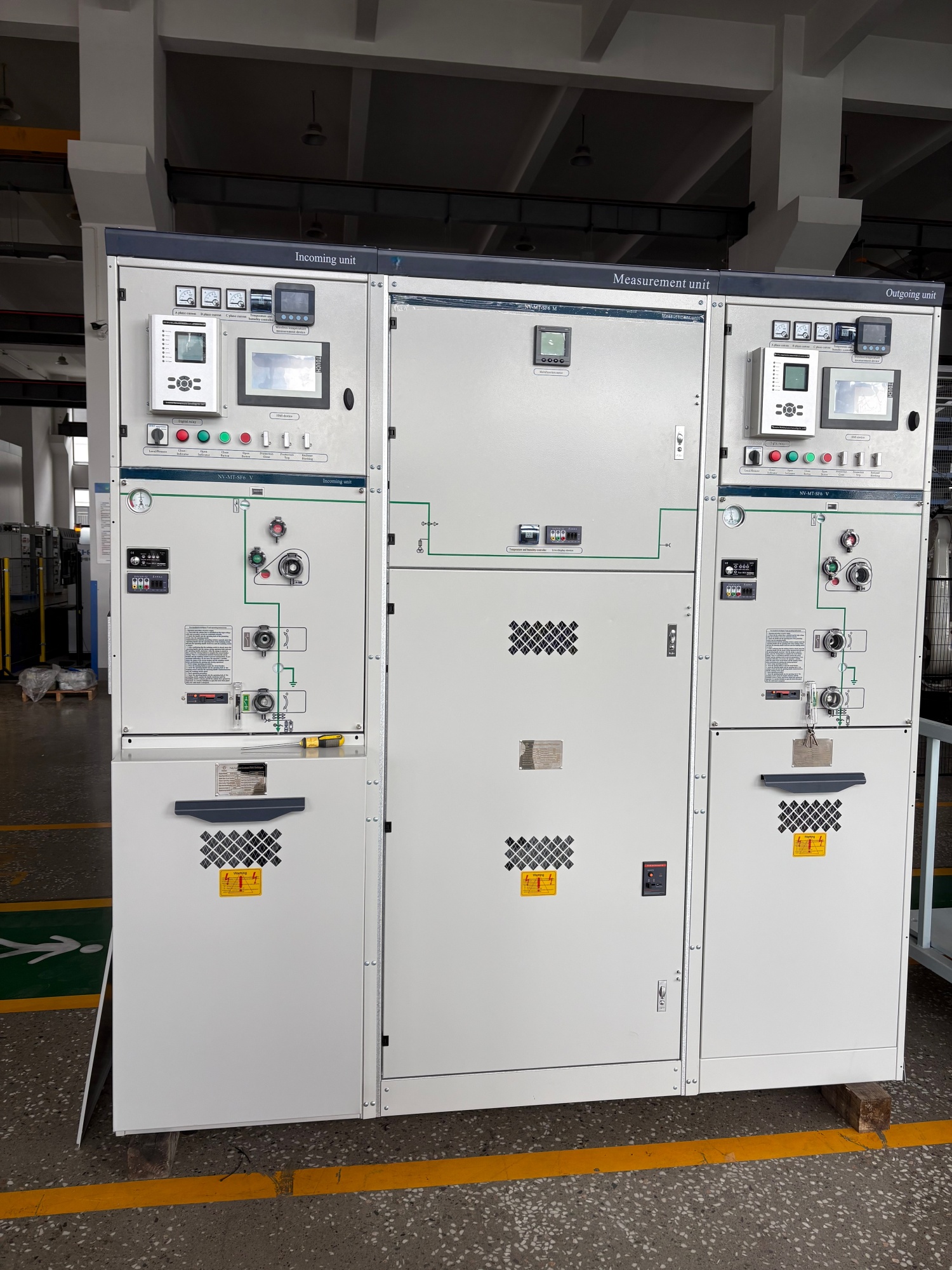
A medium voltage cabinet represents a critical component in modern electrical distribution systems, designed to manage and control power transmission at voltages typically ranging from 1 kV to 35 kV. The medium voltage cabinet serves as an essential interface between high-voltage transmission networks and low-voltage consumer applications, ensuring reliable power delivery across industrial, commercial, and utility-scale operations.
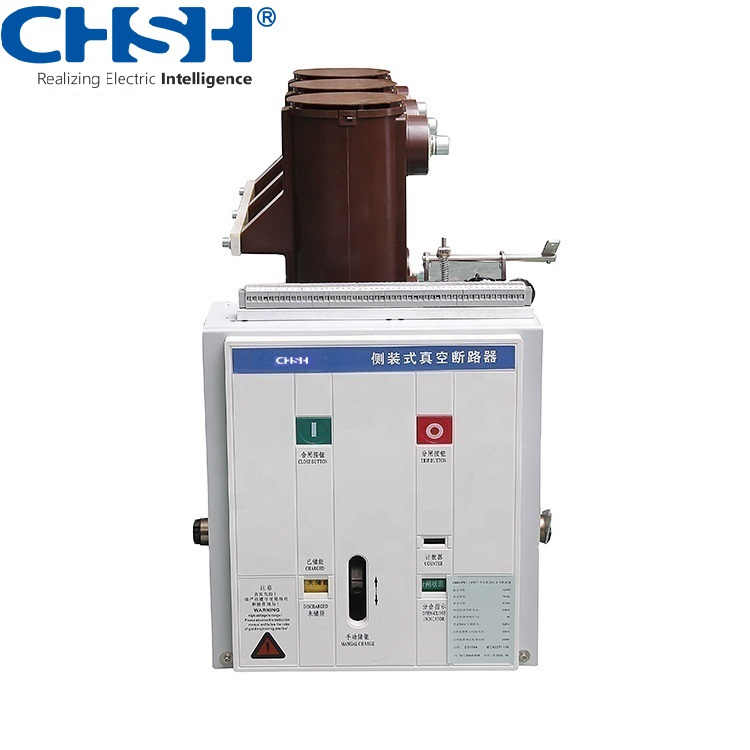
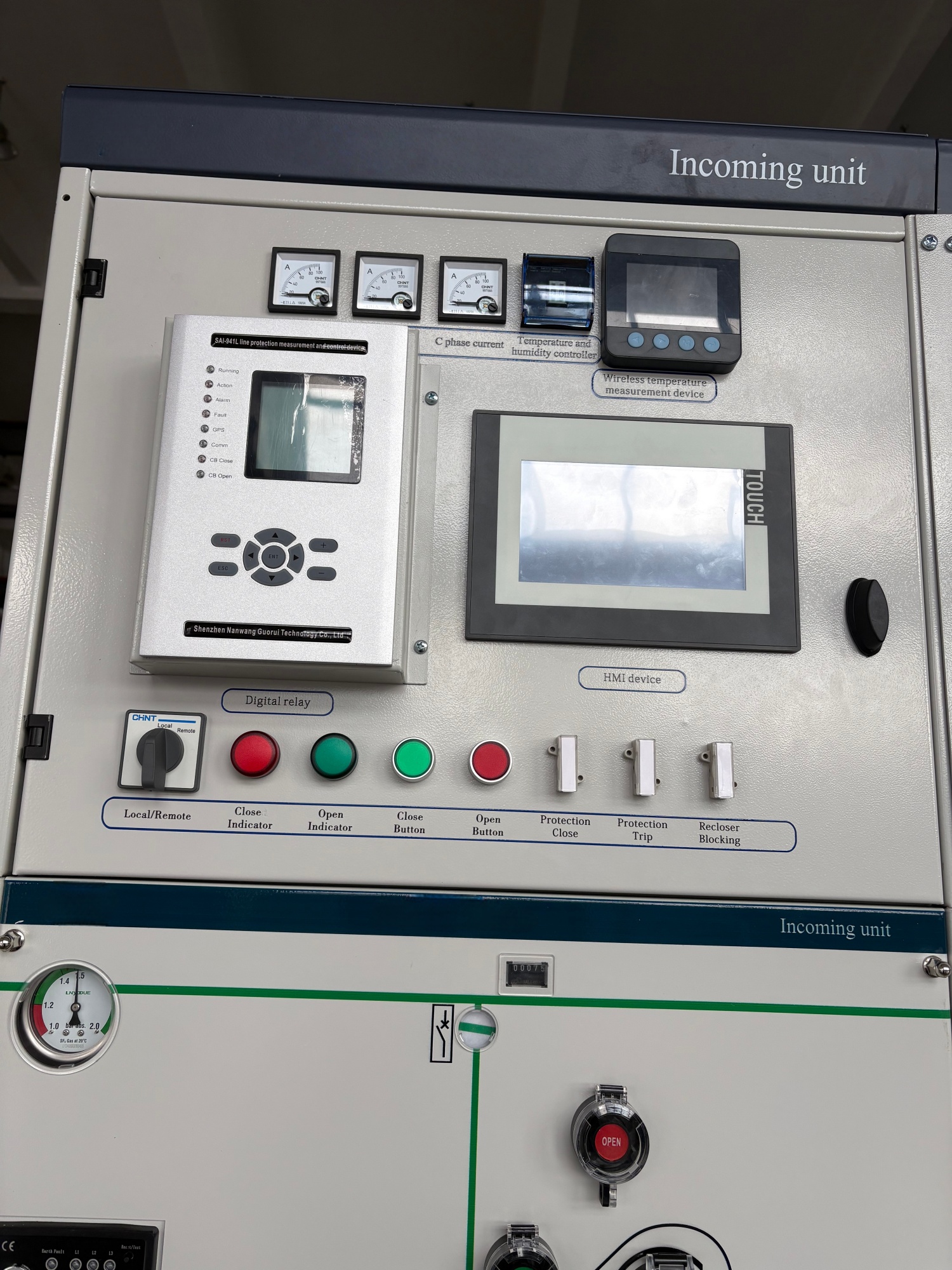
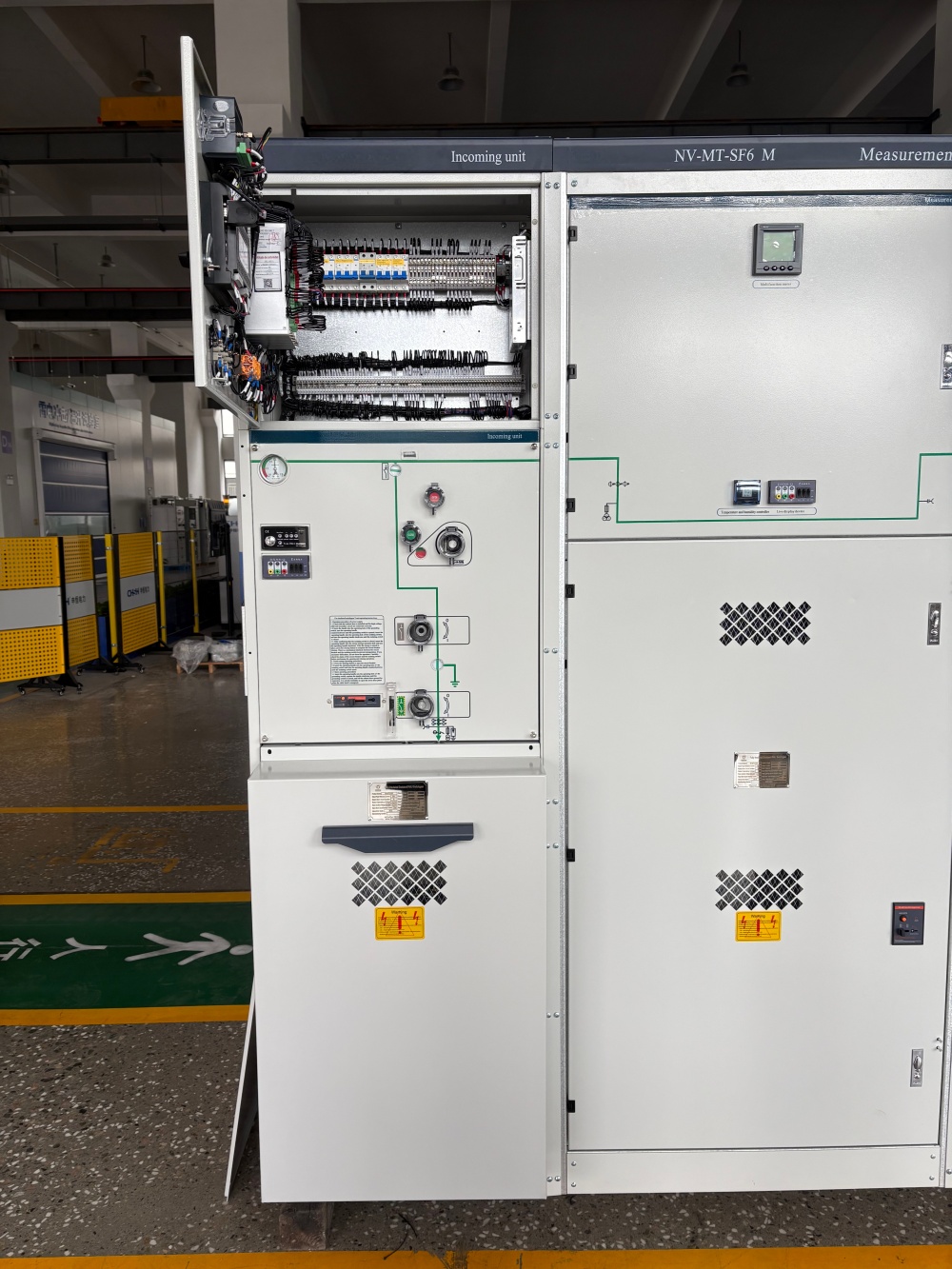
The primary function of a medium voltage cabinet involves switching, protection, and monitoring of electrical circuits operating at intermediate voltage levels. This sophisticated equipment incorporates advanced technological features including vacuum circuit breakers, comprehensive metering systems, and intelligent control interfaces that enable real-time monitoring of power distribution. The medium voltage cabinet typically houses protective relays, disconnectors, and earthing switches that work harmoniously to safeguard against electrical faults and overloads.
Key technological innovations within a modern medium voltage cabinet include digital control systems, communication protocols for remote monitoring, and integrated power quality assessment capabilities. These cabinets employ advanced insulation techniques and compartmentalized designs that enhance safety and operational efficiency. The medium voltage cabinet integrates seamlessly with SCADA systems and building management platforms, enabling automated responses to grid disturbances.
Applications for medium voltage cabinets span diverse sectors including renewable energy installations, manufacturing facilities, hospitals, shopping centers, and utility substations. Industrial plants rely on the medium voltage cabinet for coordinating complex power distribution networks, while utilities deploy these systems for regional power management. Data centers and infrastructure projects increasingly depend on medium voltage cabinet technology to ensure uninterrupted power supply and system reliability.

 EN
EN