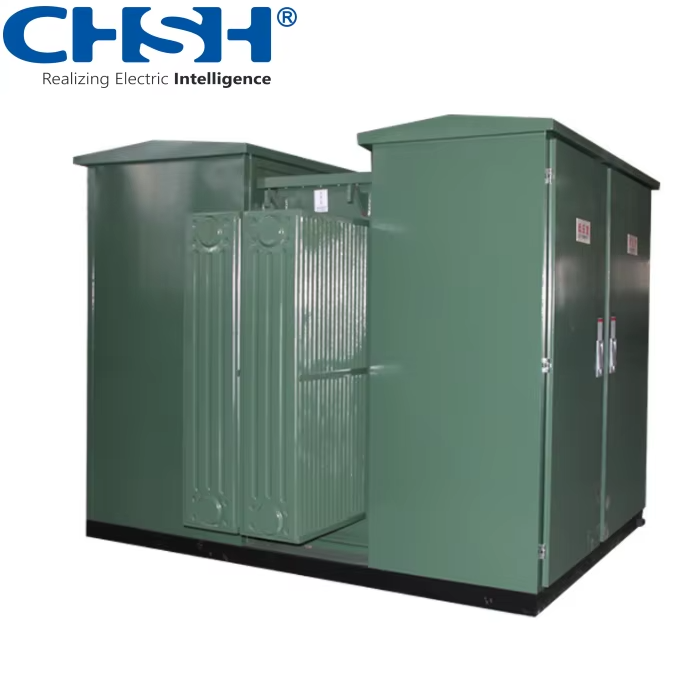
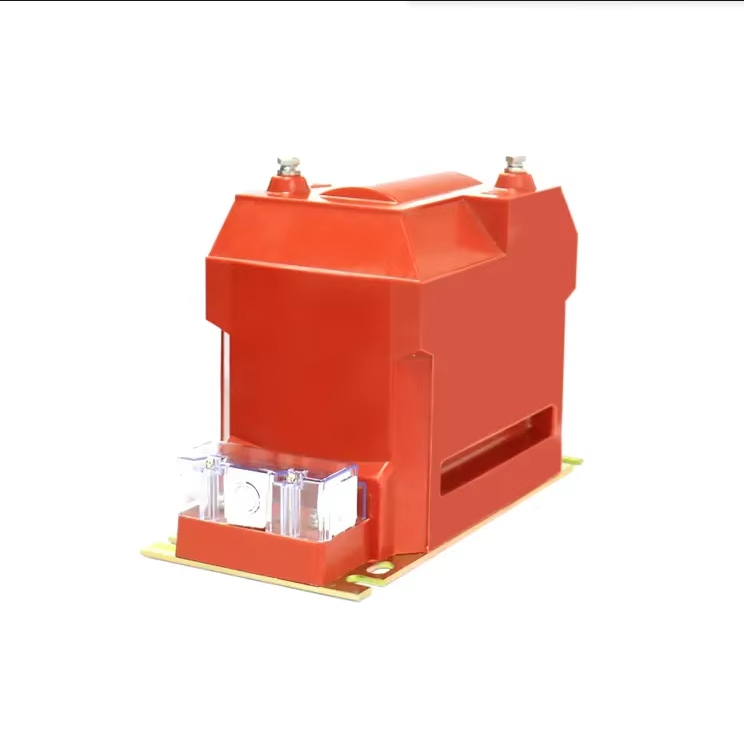
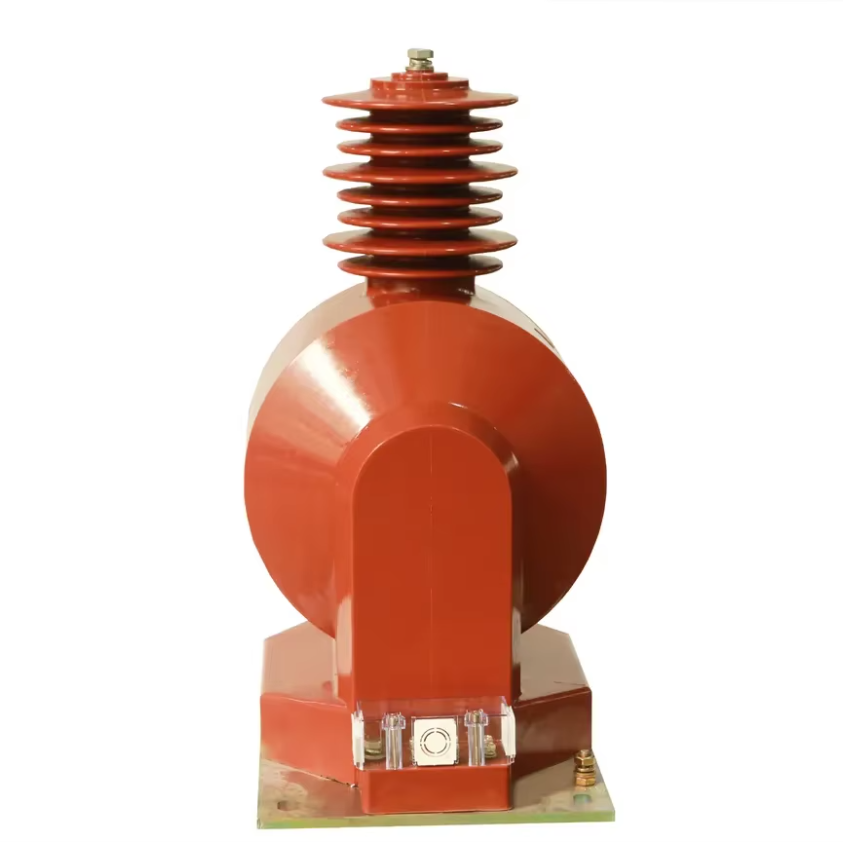
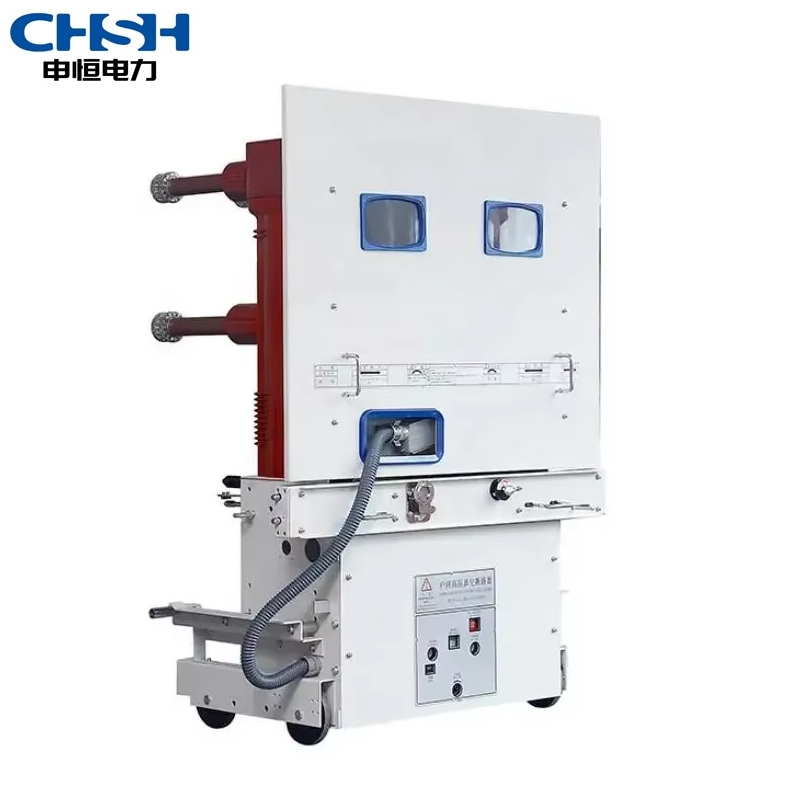
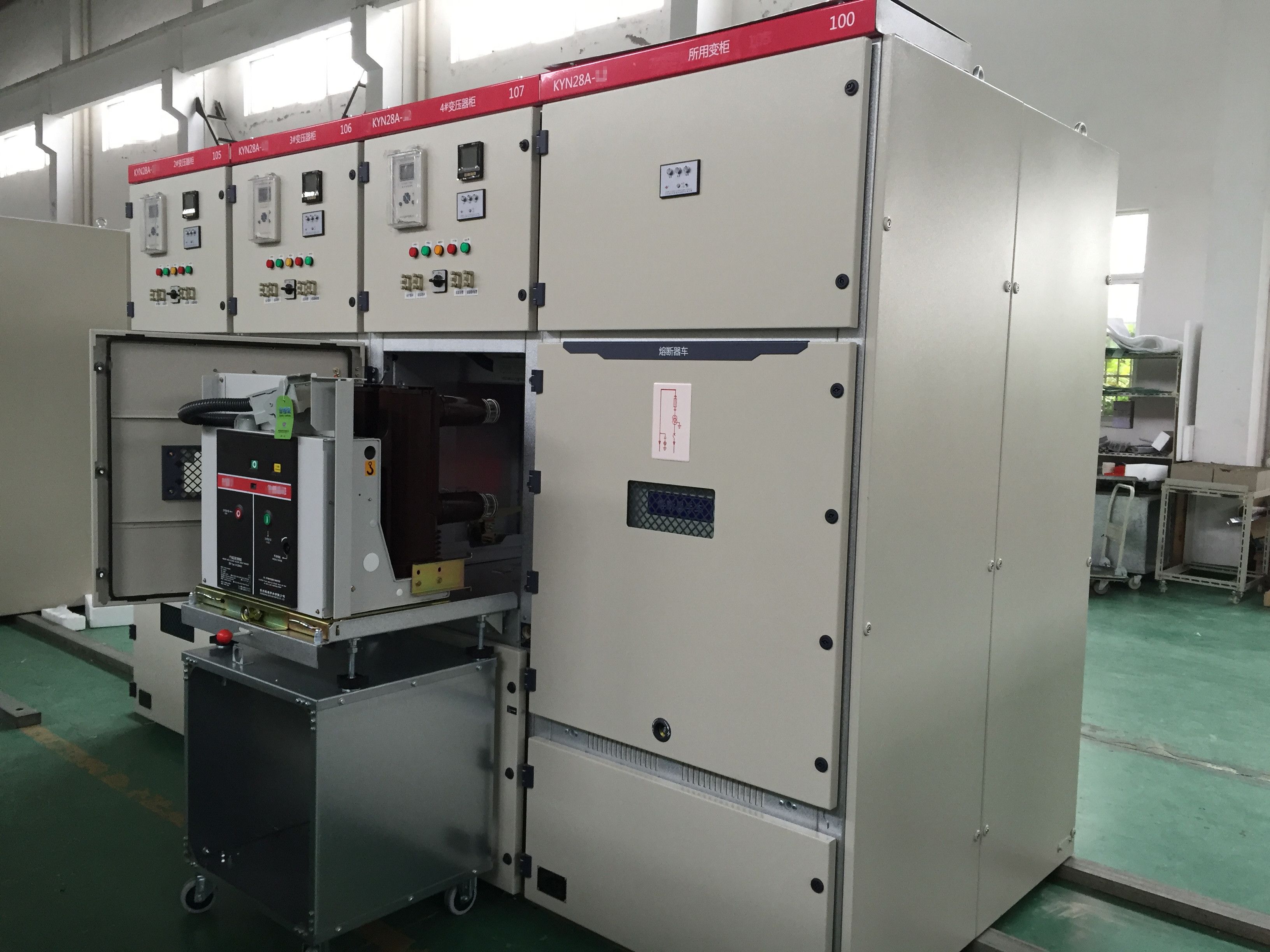
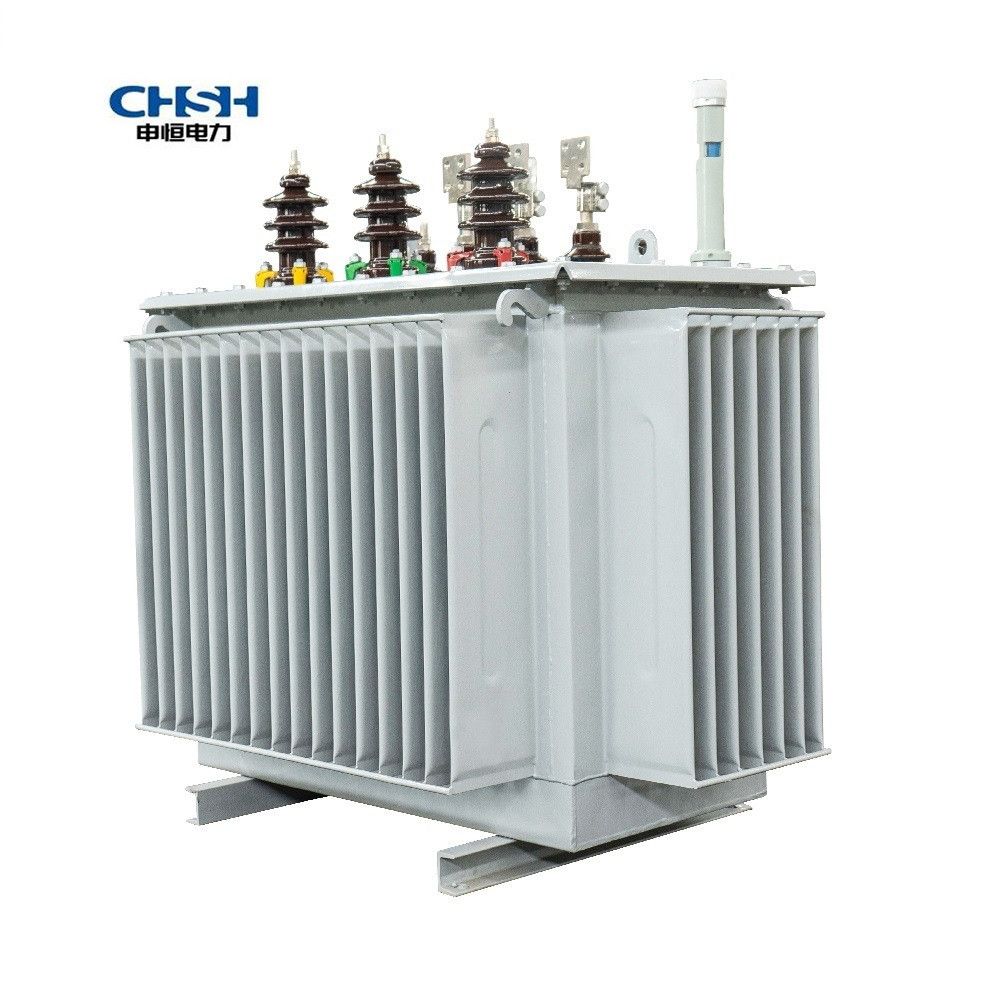
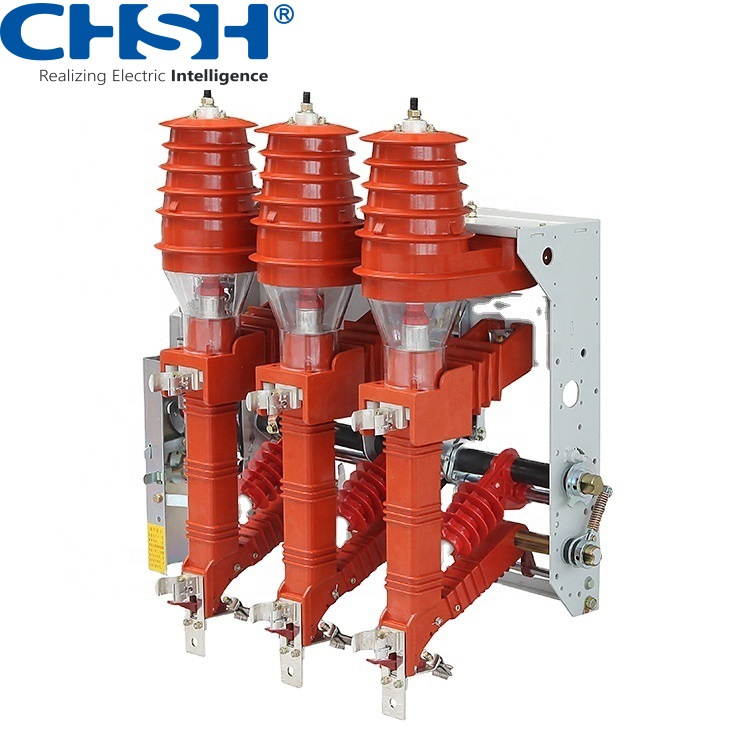
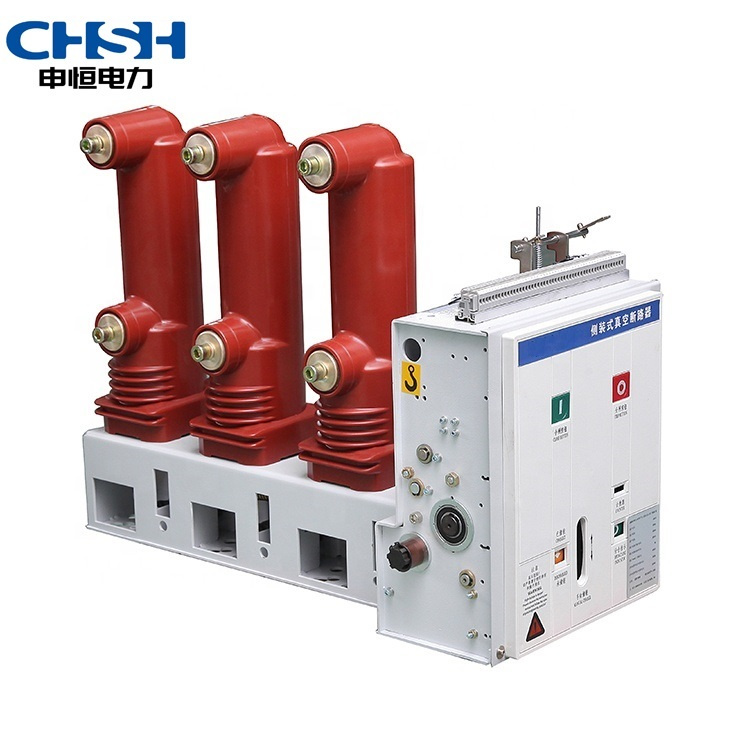
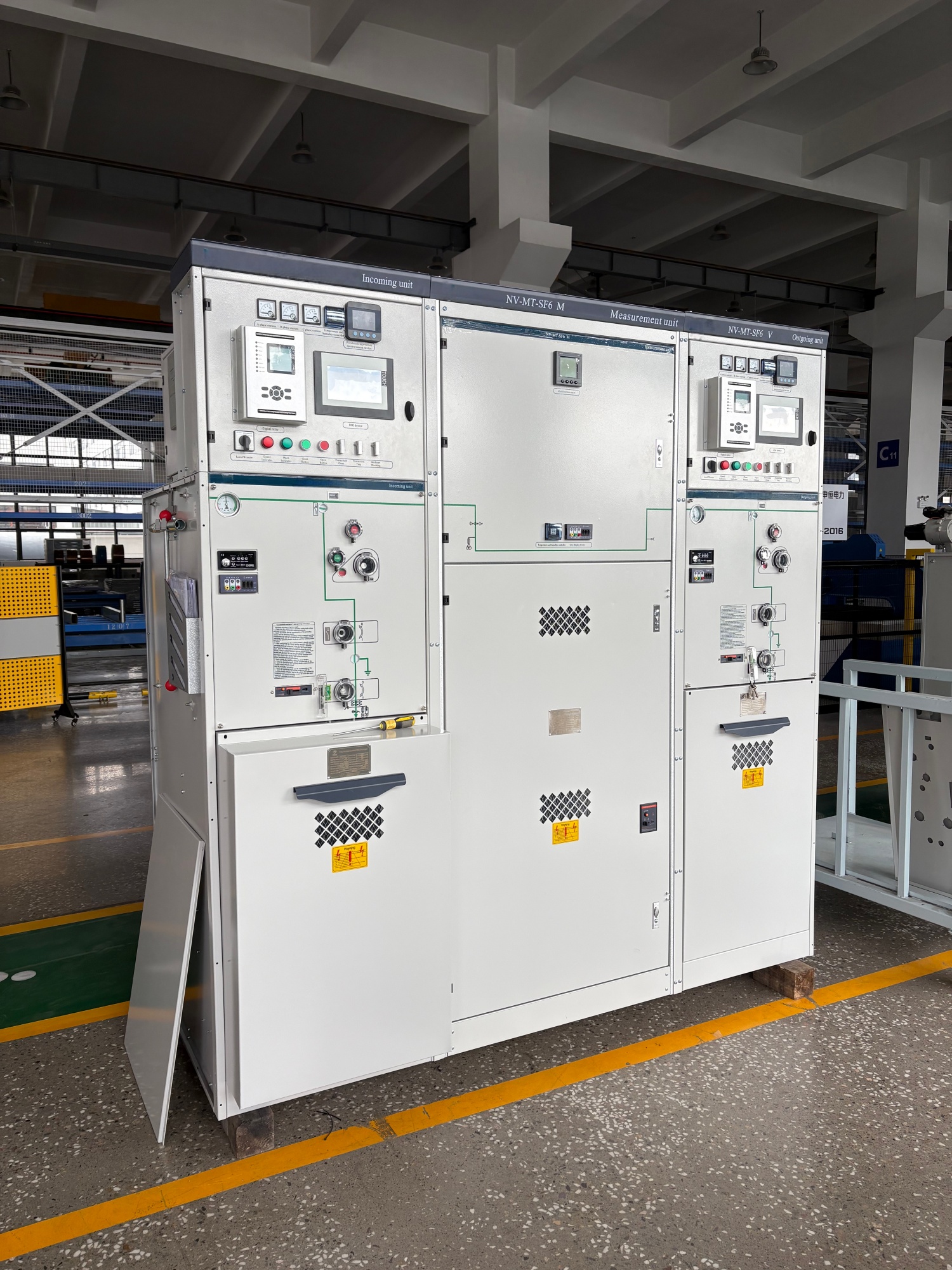
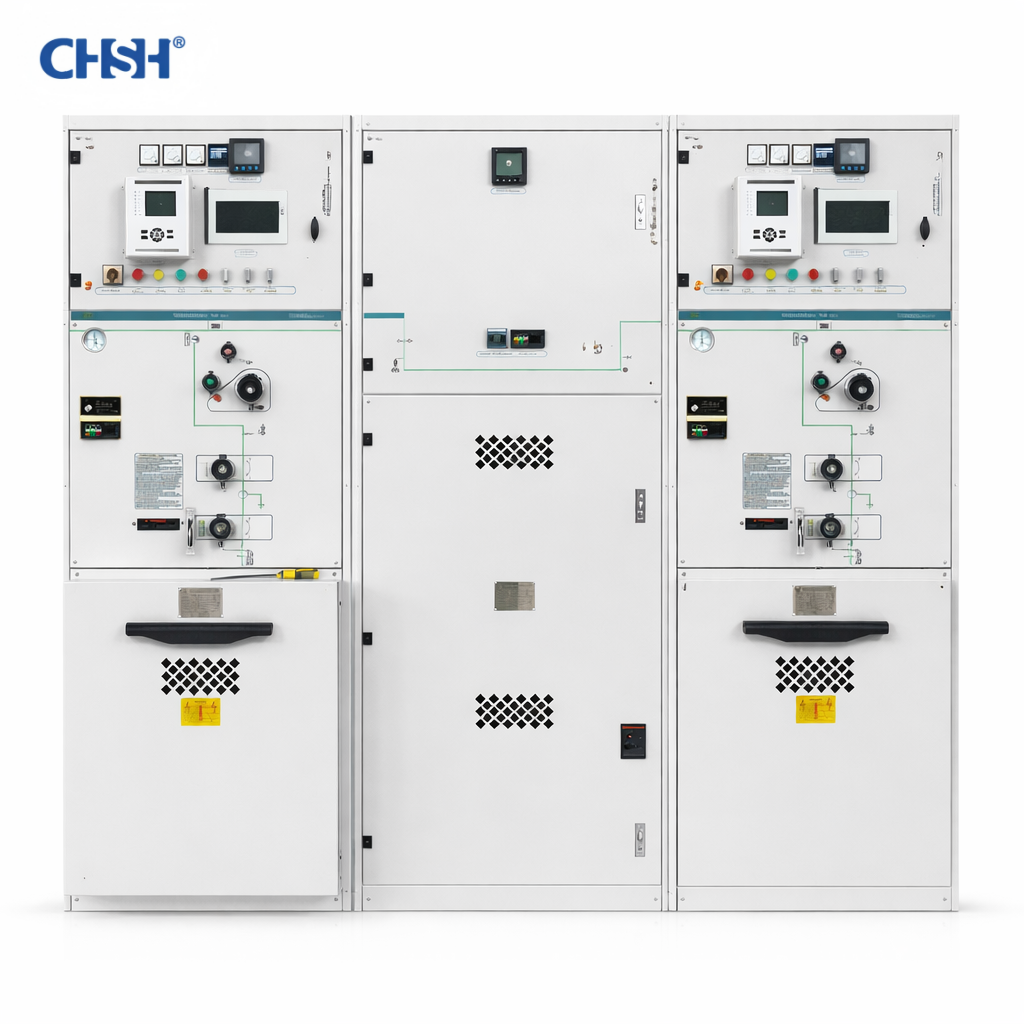
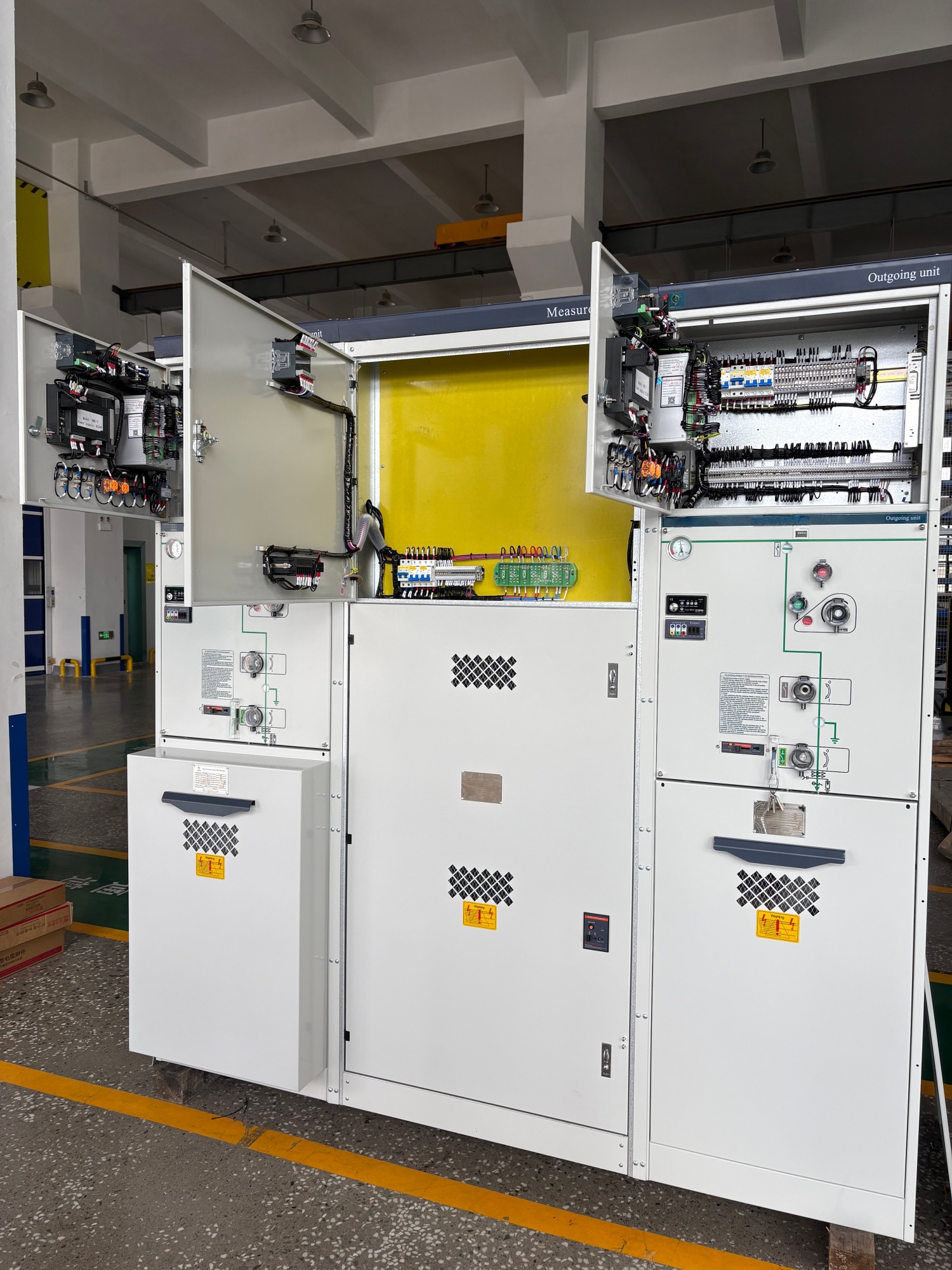
high tension switchgear
High tension switchgear represents a critical component in modern electrical distribution systems, designed to manage and control high-voltage power transmission safely and efficiently. This sophisticated equipment operates at voltage levels typically exceeding 35 kilovolts, making it essential for utility companies, industrial facilities, and renewable energy installations worldwide.
The primary function of high tension switchgear is to isolate electrical circuits, protect equipment from faults, and enable safe maintenance operations. High tension switchgear accomplishes this through advanced switching mechanisms that interrupt current flow during emergency conditions or routine maintenance. The equipment incorporates multiple technological features including vacuum interrupters, SF6 gas insulation, and digital control systems that enhance reliability and performance.
Modern high tension switchgear integrates intelligent monitoring capabilities, allowing operators to track system parameters in real-time. These systems communicate through SCADA interfaces, providing comprehensive data analytics for predictive maintenance. The compact design of contemporary high tension switchgear reduces physical footprint while maintaining superior electrical performance and safety standards.
Applications span across diverse sectors including power generation, transmission networks, distribution centers, and industrial manufacturing plants. High tension switchgear protects renewable energy installations such as wind and solar facilities, ensuring grid stability. Additionally, this equipment serves critical roles in substations, where it manages the flow of electricity between generation sources and consumer networks, making it indispensable for reliable power delivery infrastructure.

 EN
EN