electric current transformer
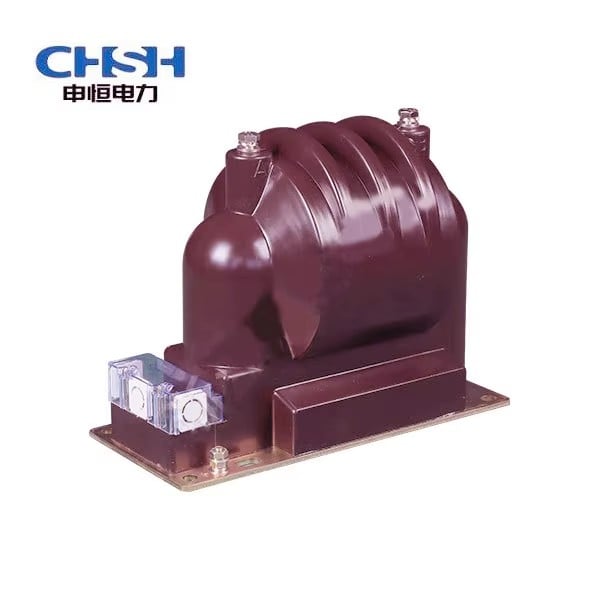
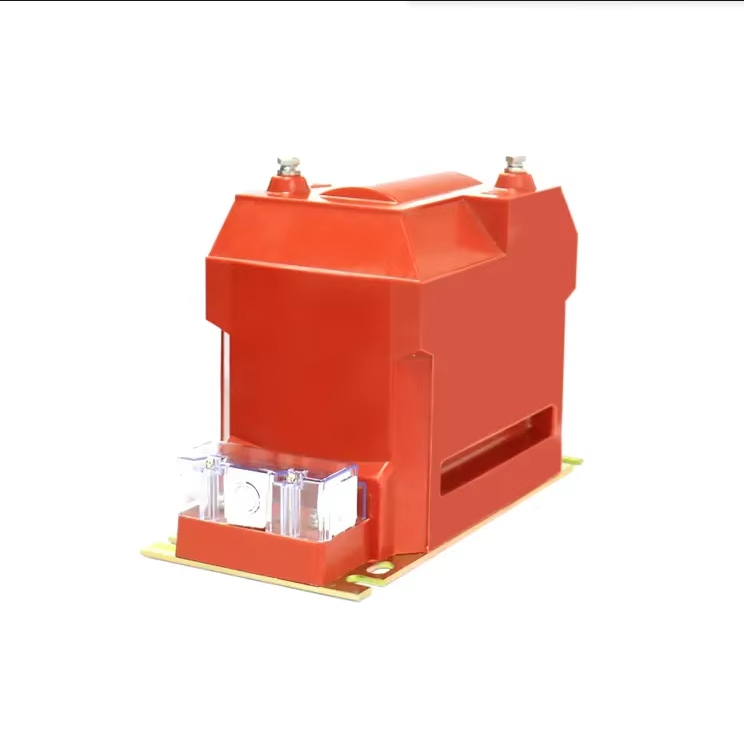
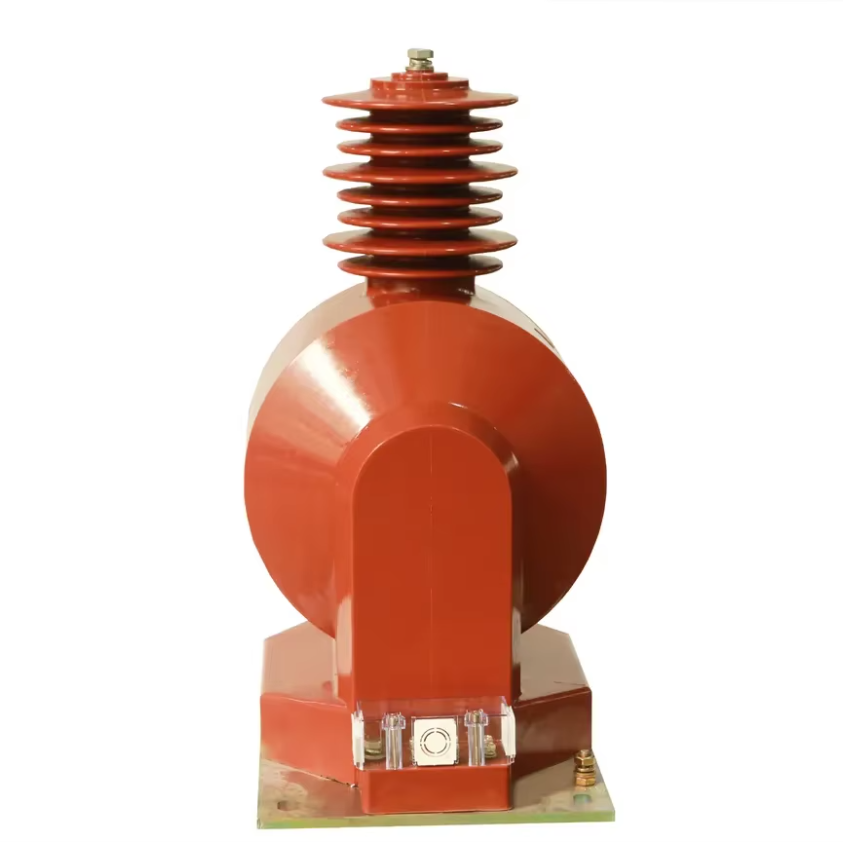
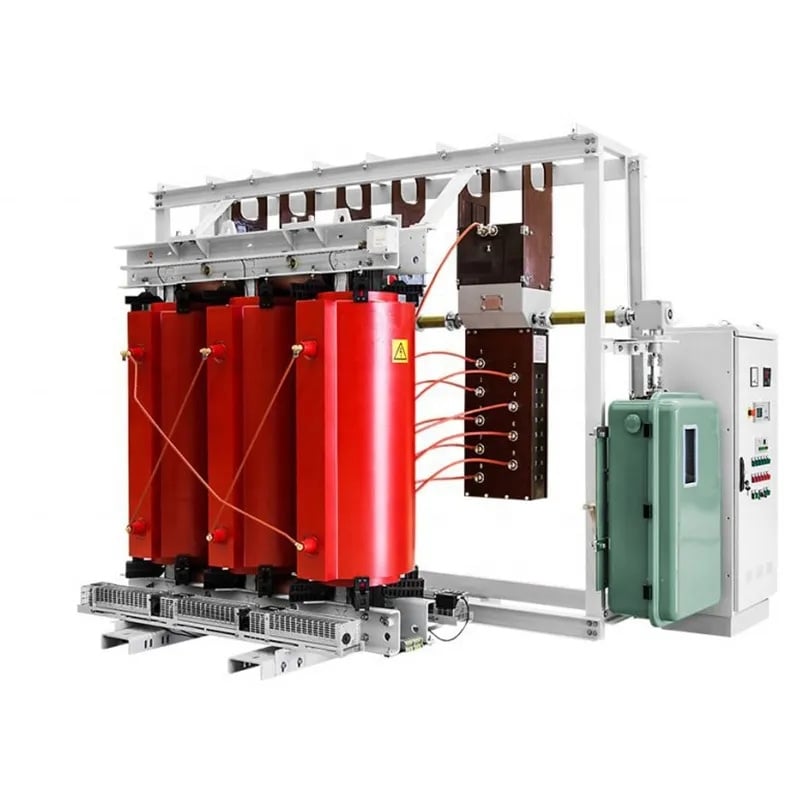
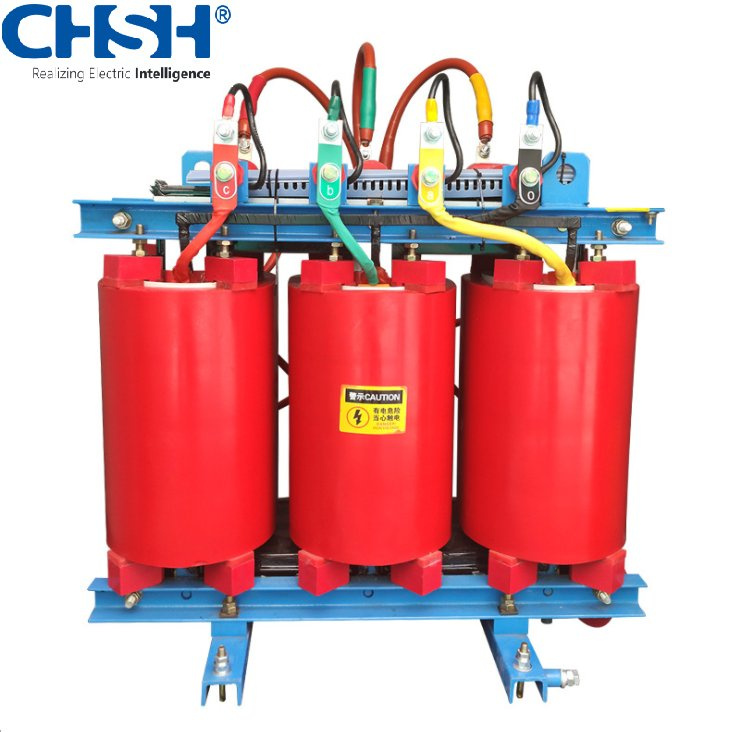
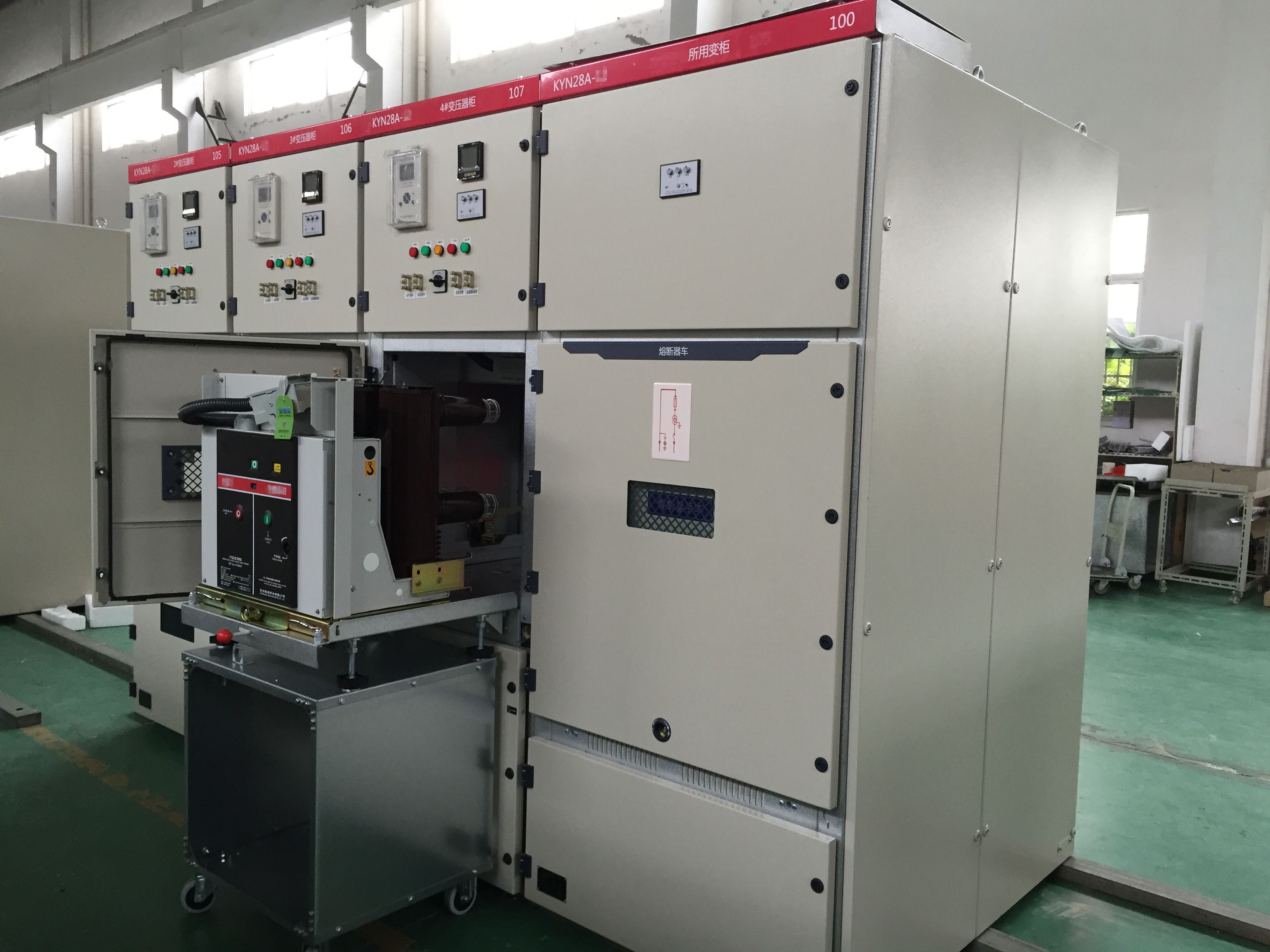
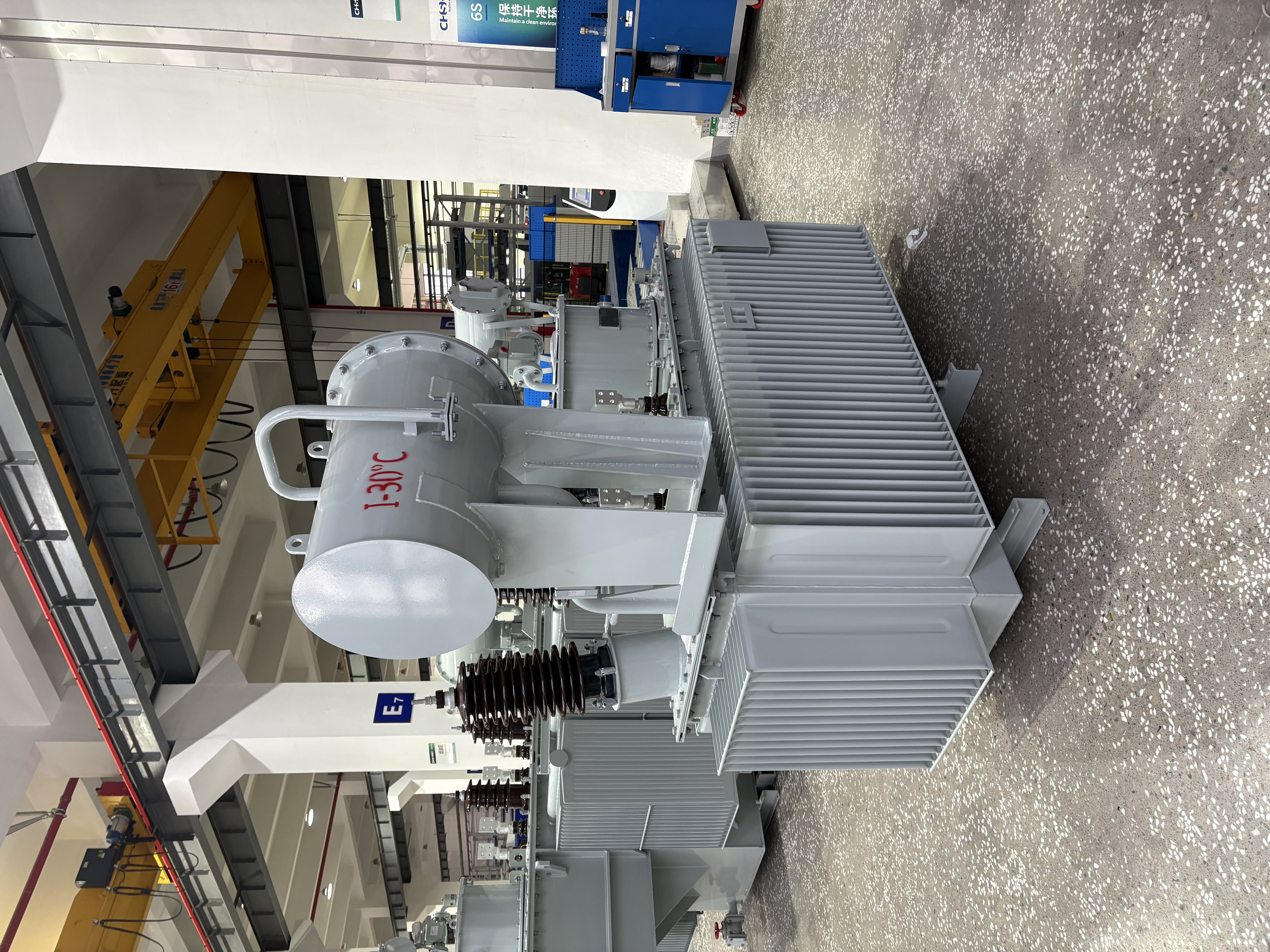
An electric current transformer is a specialized electrical device designed to measure and convert high-voltage alternents to lower, manageable levels for safe monitoring and control applications. This essential component plays a critical role in modern power distribution systems, substations, and industrial facilities worldwide.
The primary function of an electric current transformer involves stepping down high currents into proportional, measurable currents that standard instruments can safely process. By converting dangerous high-voltage levels into standardized secondary currents, typically 5 amperes or 1 ampere, the electric current transformer enables accurate metering, protection, and control operations. This transformation process maintains precise proportionality, ensuring that measurements remain reliable regardless of load variations.
Technologically, an electric current transformer features a sophisticated magnetic core design with primary and secondary windings engineered for optimal performance. The device utilizes advanced insulation materials to withstand extreme voltage conditions while maintaining electrical safety. Modern electric current transformer designs incorporate precision manufacturing techniques that minimize measurement errors and enhance operational stability.
Applications for the electric current transformer span multiple industries. Power utilities depend on electric current transformer technology for accurate billing systems and grid monitoring. Industrial manufacturers use these devices for process control and equipment protection. Renewable energy installations, including solar and wind facilities, rely on electric current transformer systems for seamless integration with existing infrastructure. Laboratory environments and research facilities utilize electric current transformers for precise electrical measurements and analysis, demonstrating the technology's versatility across diverse sectors and operational requirements.

 EN
EN