Dry Type Isolation Transformer: Safe, Eco-Friendly Power

All Categories

Get a Free Quote

Our representative will contact you soon.
Email
Name
Company Name
Message
0/1000

dry type isolation transformer

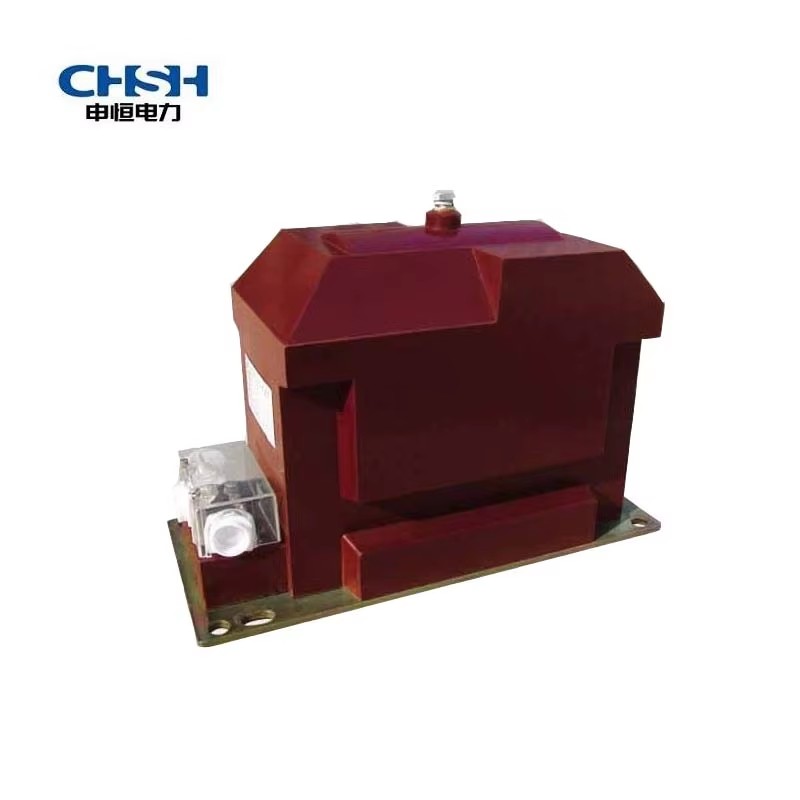
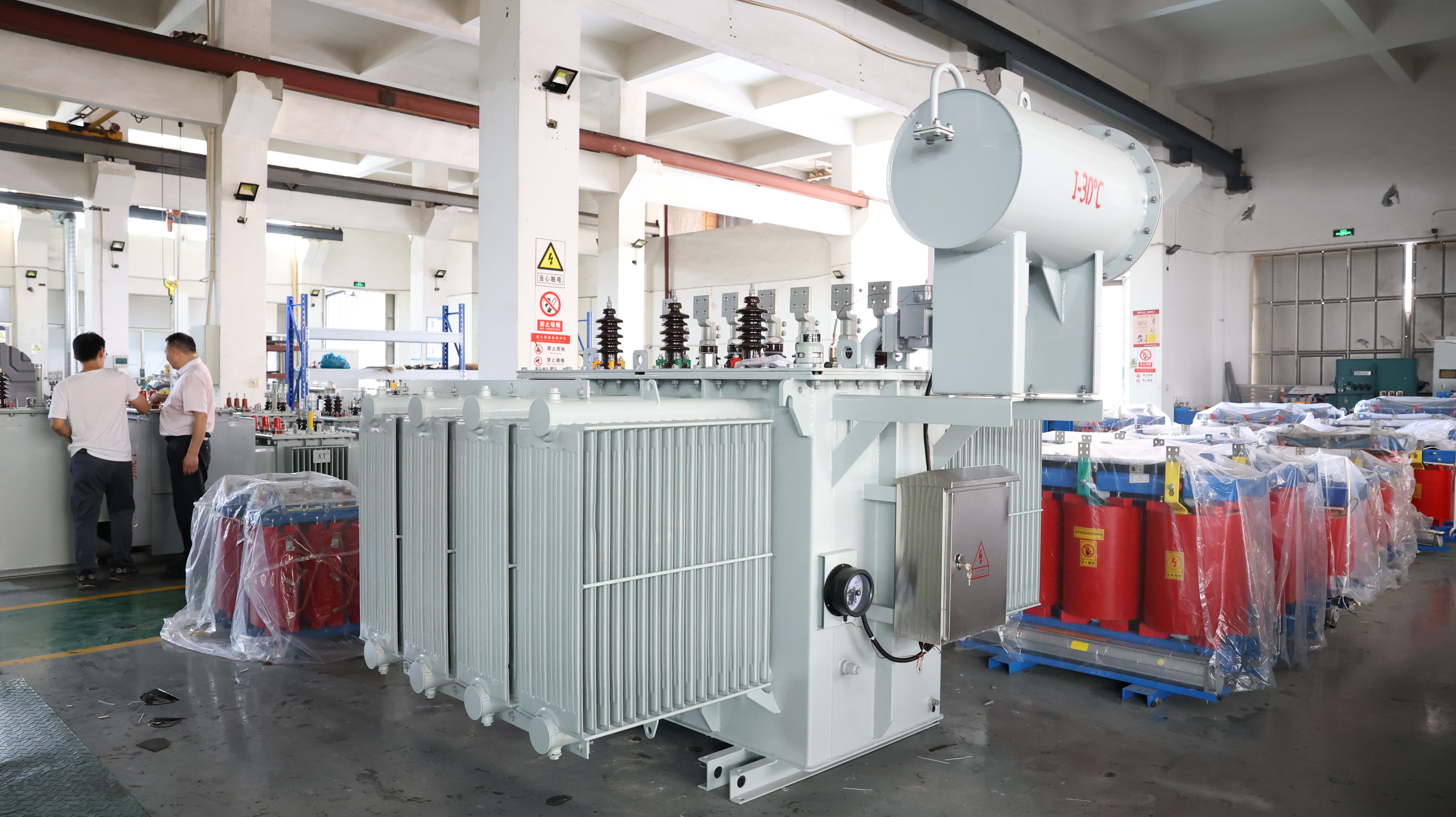
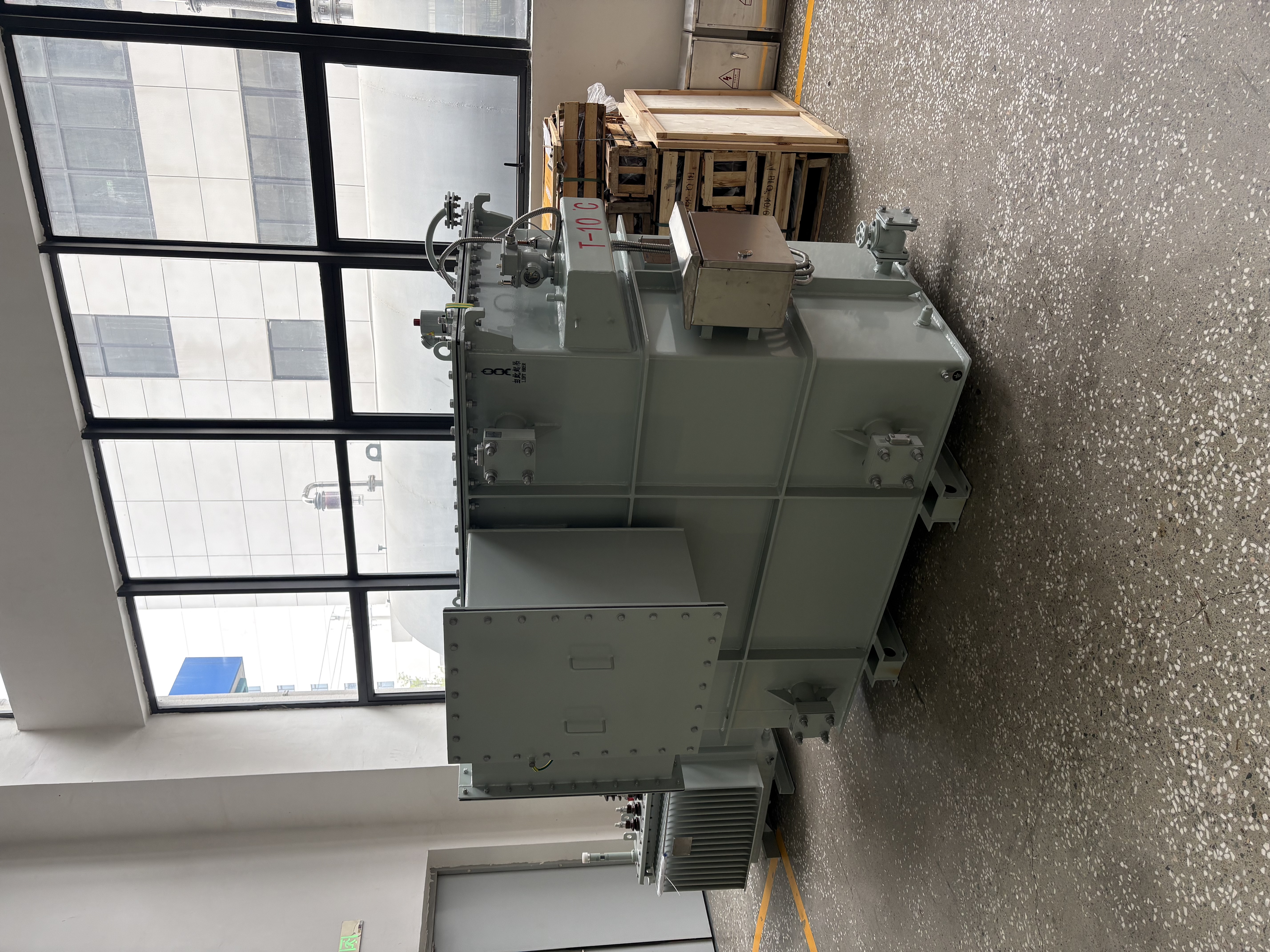
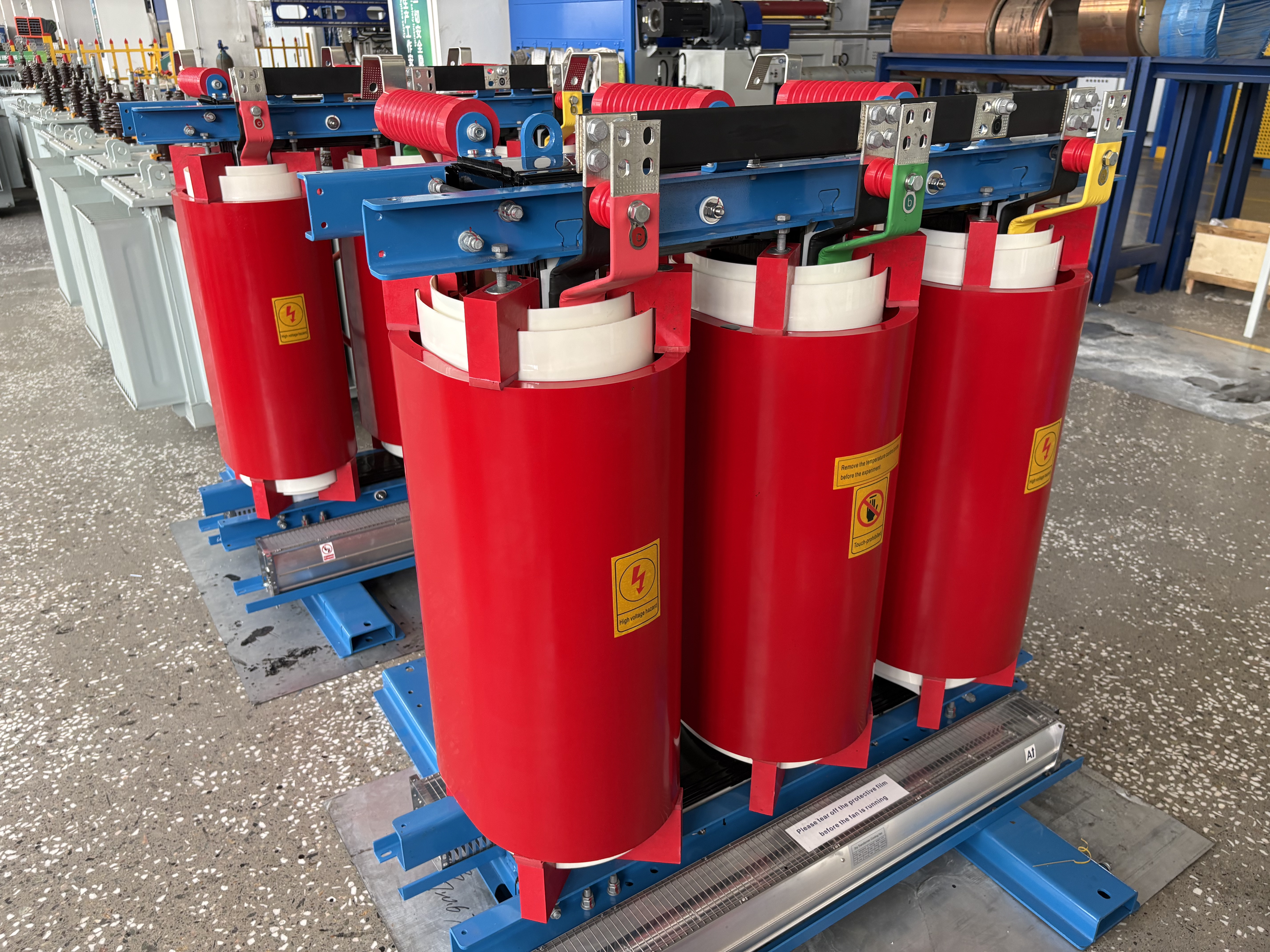
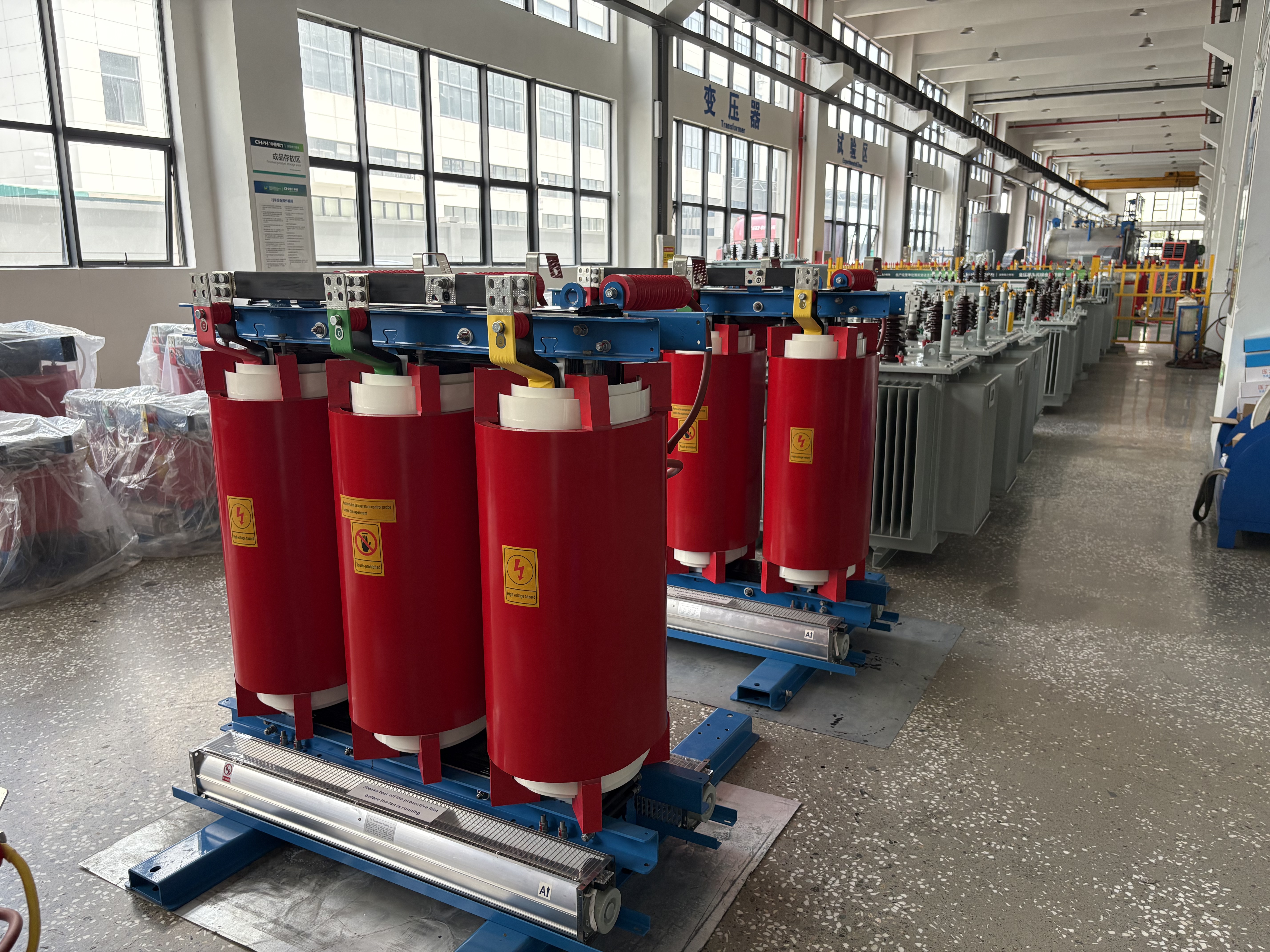
A dry type isolation transformer is a specialized electrical device designed to safely separate circuits while maintaining voltage transformation capabilities. This type of transformer operates without any liquid coolant, making it an environmentally friendly and maintenance-efficient solution for modern electrical systems. The dry type isolation transformer functions by using a solid insulation system, typically composed of epoxy resin or similar materials, which provides excellent dielectric strength and thermal protection. The primary function of a dry type isolation transformer is to provide galvanic isolation between input and output circuits, effectively breaking ground loops and protecting sensitive equipment from electrical faults. This makes the dry type isolation transformer essential in hospitals, data centers, laboratories, and industrial facilities where equipment protection is critical. The transformer steps voltage up or down while simultaneously isolating the secondary circuit from the primary circuit, creating a safer operational environment. Technologically, the dry type isolation transformer features cast resin encapsulation, which eliminates the need for oil cooling systems found in traditional transformers. This encapsulation method provides superior protection against moisture, dust, and environmental contaminants. The compact design of a dry type isolation transformer allows for flexible installation in space-constrained environments. Its solid insulation system delivers better thermal stability and faster heat dissipation compared to oil-immersed alternatives. The dry type isolation transformer also operates with minimal noise levels, making it suitable for noise-sensitive applications. Applications for the dry type isolation transformer span numerous industries including healthcare, telecommunications, semiconductor manufacturing, renewable energy systems, and commercial buildings. These transformers protect expensive medical equipment, computer servers, and industrial machinery from voltage fluctuations and electrical hazards. The dry type isolation transformer has become the preferred choice for modern infrastructure requiring reliable, safe, and environmentally conscious power distribution solutions.

New Products

Choosing a dry type isolation transformer delivers multiple practical benefits that directly address the needs of facility managers, engineers, and business owners. The most significant advantage is enhanced safety—a dry type isolation transformer eliminates the fire risk associated with flammable transformer oils, making it the ideal choice for installations near occupied spaces, storage areas, or sensitive environments. This safety improvement reduces insurance costs and liability exposure for your organization. Operational efficiency represents another major benefit of investing in a dry type isolation transformer. These units require virtually no maintenance compared to oil-filled alternatives, which need regular oil testing, cooling system servicing, and periodic replacement of degraded fluid. With a dry type isolation transformer, you avoid costly downtime associated with maintenance schedules and emergency repairs. The extended service life of a dry type isolation transformer reduces your total cost of ownership over 20-30 years of operation. Environmental responsibility is an increasingly important factor for modern businesses. A dry type isolation transformer contains no hazardous liquid materials, eliminating environmental contamination risks from leaks or spills. This compliance advantage simplifies regulatory adherence and demonstrates corporate sustainability commitment to stakeholders and customers. The compact footprint of a dry type isolation transformer enables flexible installation options in space-limited facilities. Unlike bulky oil-cooled units requiring extensive foundation work and ventilation systems, a dry type isolation transformer fits readily into existing infrastructure. Superior reliability is guaranteed through solid-state insulation technology—a dry type isolation transformer withstands thermal cycling, voltage surges, and environmental stress better than conventional designs. Performance advantages include minimal electrical losses, precise voltage regulation, and excellent harmonic filtering capabilities. Installation simplicity of a dry type isolation transformer reduces project timelines and labor costs significantly. These combined advantages make a dry type isolation transformer the smart investment for forward-thinking organizations prioritizing safety, efficiency, and long-term value.

Latest News

How Does Switchgear Ensure Safety and Stability in Medium VoItage Power Systems?

22

Apr

How Does Switchgear Ensure Safety and Stability in Medium VoItage Power Systems?

Medium voltage switchgear serves as the critical backbone of electrical power distribution systems, providing essential protection and control mechanisms that ensure both safety and stability across industrial and commercial facilities. This sophisti...
View More
What Factors Affect the Efficiency of a Power Transformer?

27

May

What Factors Affect the Efficiency of a Power Transformer?

A power transformer is one of the most critical components in any electrical transmission or distribution system. Its fundamental role is to convert voltage levels with minimal energy loss, enabling electricity to travel efficiently from generation p...
View More
How Do CTs Improve Measurement and Protection Accuracy in Power Systems?

27

May

How Do CTs Improve Measurement and Protection Accuracy in Power Systems?

In modern power systems, accurate measurement and reliable protection are not optional — they are foundational requirements for safe, efficient, and uninterrupted electrical operation. At the heart of these capabilities lies a deceptively compa...
View More
What Protection Functions Does a Fuse Provide in Electrical Systems?

27

May

What Protection Functions Does a Fuse Provide in Electrical Systems?

In any electrical system, protection is not an afterthought — it is a fundamental design requirement. Among the many protective devices used in power distribution and industrial installations, the fuse remains one of the most reliable, cost-eff...
View More

Get a Free Quote

Our representative will contact you soon.
Email
Name
Company Name
Message
0/1000

dry type isolation transformer

Advanced Safety Features Eliminate Fire Hazards

Advanced Safety Features Eliminate Fire Hazards

A dry type isolation transformer fundamentally transforms electrical safety by eliminating the fire risk inherent in oil-filled transformer designs. The solid encapsulation system used in a dry type isolation transformer contains no combustible materials, making it completely non-flammable even when exposed to extreme temperatures or electrical faults. This safety characteristic of a dry type isolation transformer makes it mandatory for hospitals, data centers, and indoor commercial applications where fire suppression systems may be limited. The cooling mechanism of a dry type isolation transformer relies on passive air circulation through ventilation paths in the resin-cast housing, completely eliminating the need for pressurized fluid cooling systems that can rupture or leak. When a dry type isolation transformer operates in fault conditions, it maintains structural integrity without releasing hazardous materials into the environment. Insurance companies recognize these safety advantages and often offer premium reductions for facilities using a dry type isolation transformer. This investment in a dry type isolation transformer ultimately protects human lives, facilities, and expensive equipment simultaneously while reducing your organization's risk profile and compliance burden.
Minimal Maintenance Requirements Save Time and Money

Minimal Maintenance Requirements Save Time and Money

Operating a dry type isolation transformer dramatically reduces maintenance responsibilities compared to traditional transformer technology. A dry type isolation transformer requires no scheduled oil sampling, fluid replenishment, or cooling system inspections that typically consume hundreds of maintenance hours annually. The solid insulation system used in a dry type isolation transformer naturally resists moisture infiltration, eliminating the dehydration processes necessary for oil-filled units. With a dry type isolation transformer installed, facility teams eliminate the need for specialized transformer servicing contracts and emergency repair calls resulting from cooling system failures. The robust design of a dry type isolation transformer withstands years of continuous operation without requiring major component replacement or extensive downtime. When a dry type isolation transformer finally reaches end-of-life, decommissioning costs are significantly lower since there are no hazardous fluids requiring specialized disposal. Budget predictability improves substantially because a dry type isolation transformer operates with consistent reliability over its entire lifespan. Maintenance departments can allocate staff resources to critical operational priorities rather than routine transformer servicing.
Environmental Compliance and Sustainable Operations

Environmental Compliance and Sustainable Operations

A dry type isolation transformer represents the environmentally responsible choice for modern electrical infrastructure projects. Unlike oil-filled transformers, a dry type isolation transformer contains no environmentally hazardous materials, eliminating contamination risks that could damage soil and groundwater ecosystems. The manufacturing process for a dry type isolation transformer involves lower environmental impact compared to traditional units requiring mineral oil processing and complex fluid disposal procedures. Choosing a dry type isolation transformer demonstrates corporate commitment to sustainability goals and environmental stewardship. Regulatory agencies increasingly favor facilities utilizing a dry type isolation transformer because these units eliminate reporting requirements for hazardous fluid storage and emergency response planning. When a dry type isolation transformer reaches retirement, recycling becomes straightforward since the entire unit consists of recyclable materials without hazardous waste complications. Organizations installing a dry type isolation transformer enhance their environmental credentials with clients, investors, and stakeholders who prioritize ecological responsibility. This sustainable approach of using a dry type isolation transformer supports long-term business reputation while fulfilling modern environmental compliance requirements and corporate social responsibility initiatives.

Get a Free Quote

Our representative will contact you soon.
Email
Name
Company Name
Message
0/1000