Dry Transformer: Safe Power Distribution Solution

All Categories

Get a Free Quote

Our representative will contact you soon.
Email
Name
Company Name
Message
0/1000

dry transformer

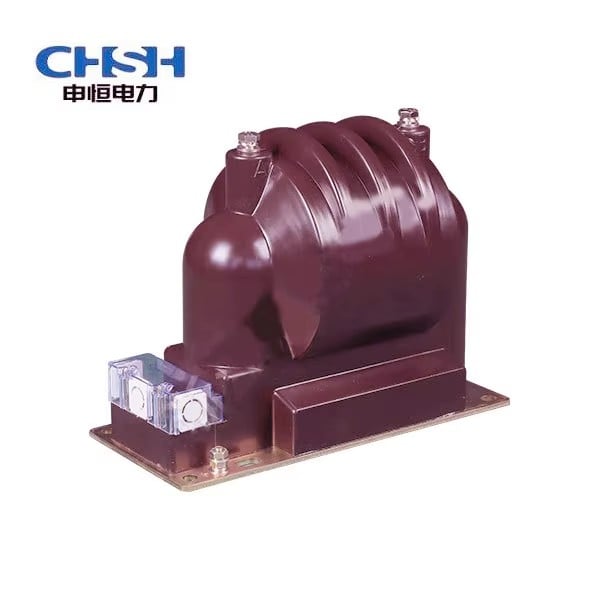
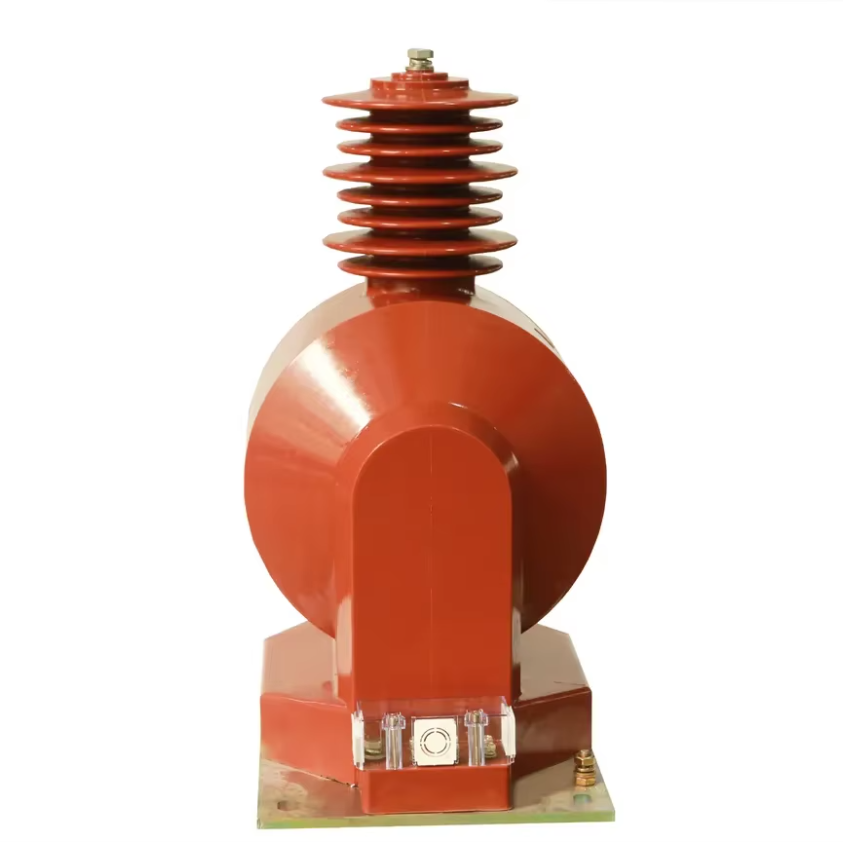
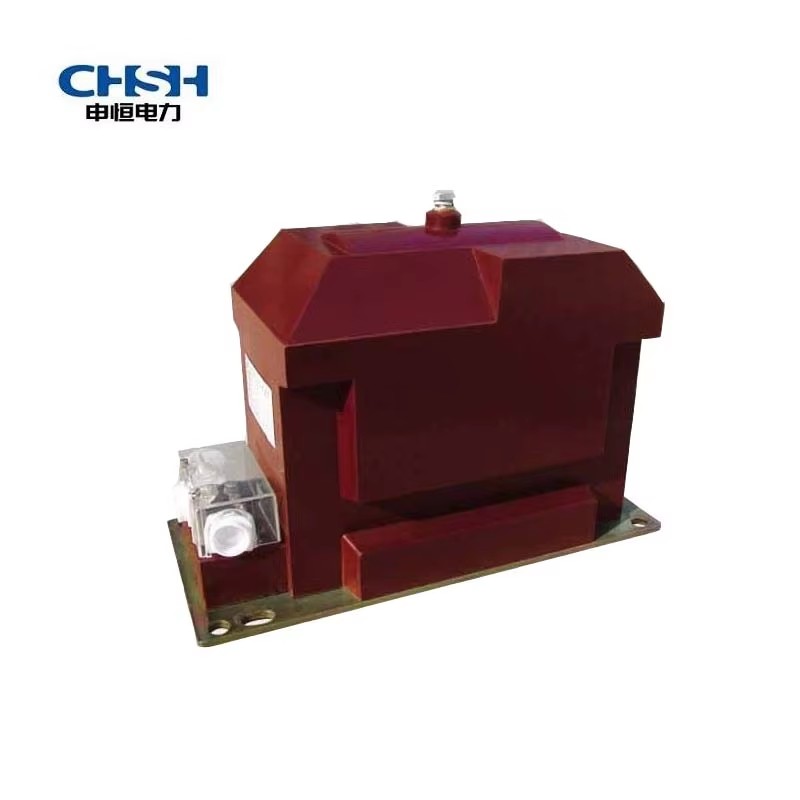
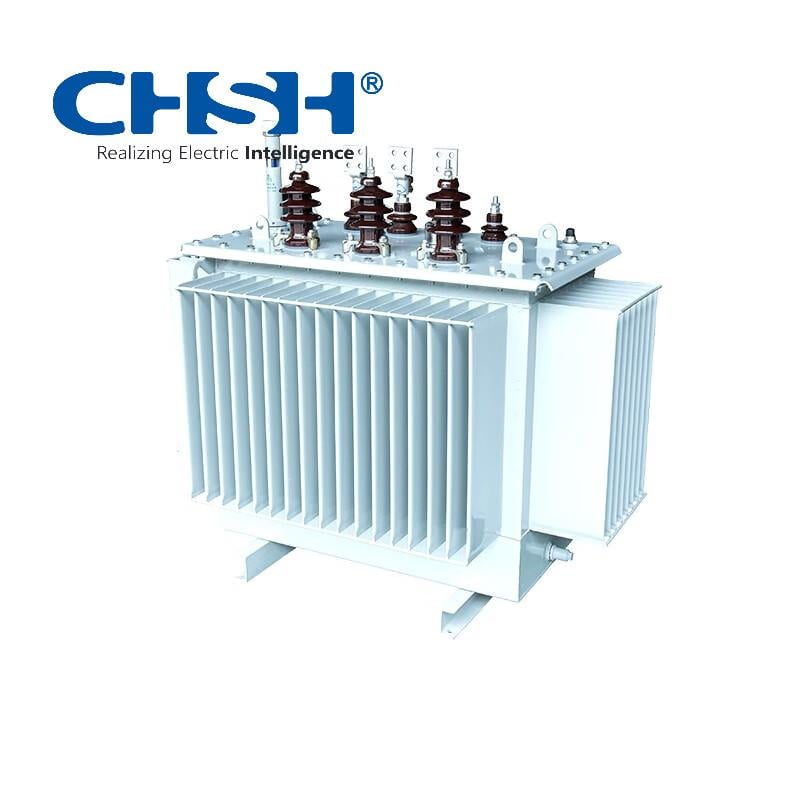
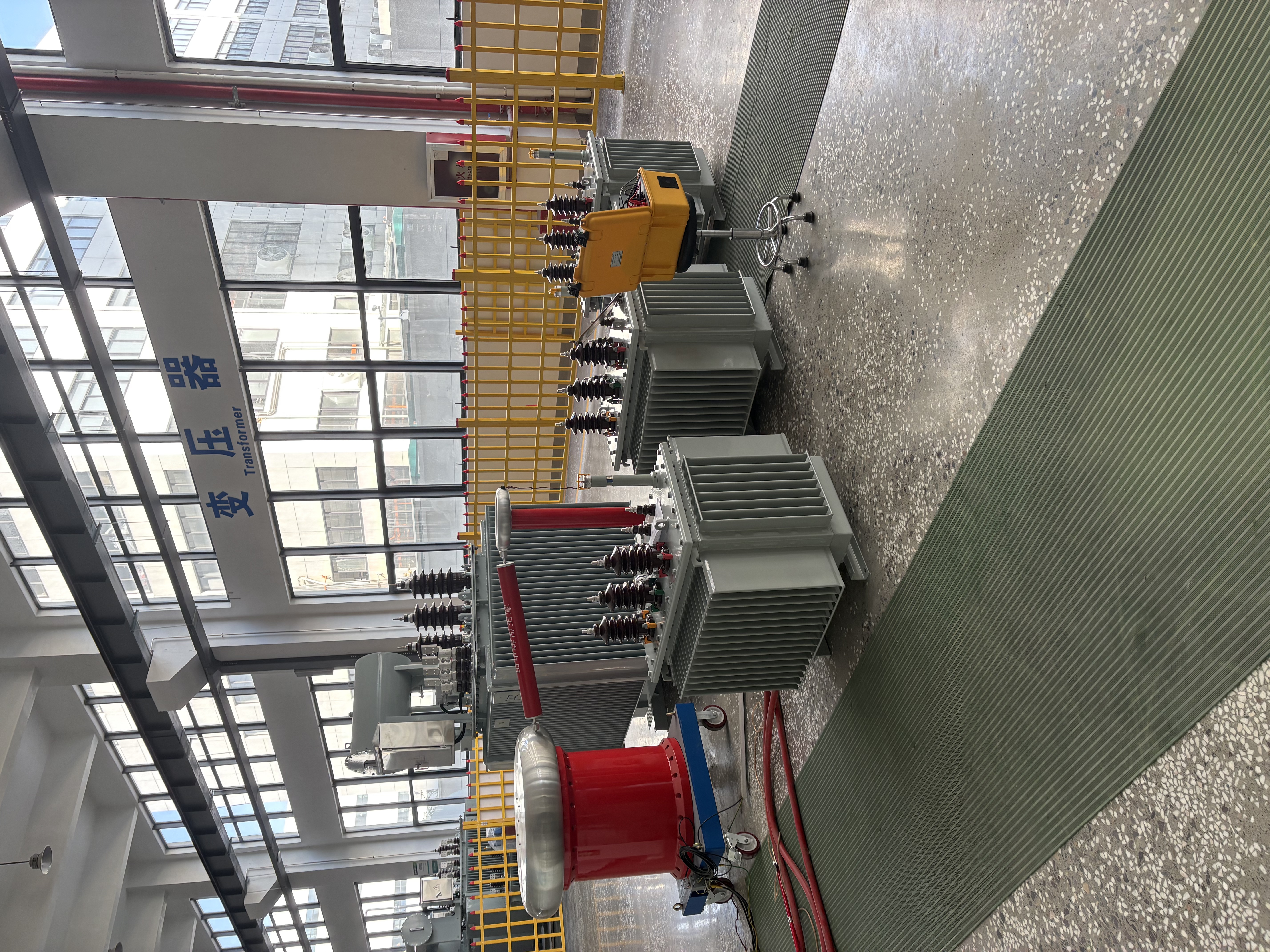
A dry transformer represents a modern electrical power distribution solution designed to safely and efficiently transfer electrical energy between circuits without using liquid coolant. Unlike traditional oil-filled transformers, a dry transformer utilizes solid insulation materials and air-cooling technology to manage heat dissipation, making it an environmentally responsible choice for contemporary applications. The primary function of a dry transformer involves stepping voltage levels up or down while maintaining consistent power quality across electrical systems. This dry transformer technology is particularly valuable in urban environments, commercial buildings, and industrial facilities where fire safety and environmental protection are critical concerns. Key technological features of a dry transformer include advanced resin-cast insulation, forced-air cooling systems, and sophisticated temperature monitoring capabilities. These innovations enable a dry transformer to operate reliably under demanding conditions while maintaining superior safety standards compared to conventional equipment. Applications for a dry transformer span diverse sectors including renewable energy installations, data centers, hospitals, shopping centers, and manufacturing plants. The dry transformer performs exceptionally well in temperature-sensitive environments and locations where environmental compliance regulations are stringent. Modern dry transformer designs incorporate smart monitoring systems that provide real-time performance data, enabling predictive maintenance and reducing operational downtime significantly.

New Product Releases

Choosing a dry transformer delivers substantial practical benefits that directly impact your operational efficiency and long-term costs. First, safety stands as the paramount advantage since a dry transformer eliminates combustible liquid coolants, dramatically reducing fire hazards and eliminating explosion risks associated with traditional transformers. This safety enhancement proves invaluable in densely populated areas and sensitive facilities. Environmental responsibility represents another compelling reason to select a dry transformer. Without hazardous oils or coolants, a dry transformer prevents soil and water contamination, aligning with modern sustainability initiatives and environmental regulations. Organizations committed to reducing their ecological footprint find that a dry transformer supports corporate environmental goals naturally. Operational benefits make a dry transformer economically attractive for facility managers. Installation of a dry transformer requires no elaborate ventilation systems, extensive cooling infrastructure, or containment vessels, significantly reducing installation complexity and associated expenses. Maintenance becomes simpler too, as a dry transformer demands less frequent servicing and monitoring compared to oil-cooled alternatives. The dry transformer excels in space-constrained environments since it operates efficiently without requiring extensive cooling systems. Temperature management proves more straightforward, and a dry transformer maintains consistent performance across varying climate conditions. Regulatory compliance becomes easier because a dry transformer automatically satisfies stringent environmental and safety codes that govern many jurisdictions. Longevity represents an underrated advantage—a dry transformer typically delivers reliable service for decades with proper maintenance. Lower operational costs combined with enhanced safety, environmental benefits, and minimal maintenance requirements make a dry transformer an intelligent investment for forward-thinking organizations seeking dependable power distribution solutions.

Latest News

How Do CTs Improve Measurement and Protection Accuracy in Power Systems?

27

May

How Do CTs Improve Measurement and Protection Accuracy in Power Systems?

In modern power systems, accurate measurement and reliable protection are not optional — they are foundational requirements for safe, efficient, and uninterrupted electrical operation. At the heart of these capabilities lies a deceptively compa...
View More
What Protection Functions Does a Fuse Provide in Electrical Systems?

27

May

What Protection Functions Does a Fuse Provide in Electrical Systems?

In any electrical system, protection is not an afterthought — it is a fundamental design requirement. Among the many protective devices used in power distribution and industrial installations, the fuse remains one of the most reliable, cost-eff...
View More
How Do PT Switchgear Systems Support Voltage Monitoring and Protection?

27

May

How Do PT Switchgear Systems Support Voltage Monitoring and Protection?

In modern power distribution networks, accurate voltage measurement and reliable protection are not optional — they are fundamental to safe and efficient operation. PT switchgear plays a central role in this process, serving as the interface be...
View More
How Does Switchgear Design Impact Long-Term Grid Reliability?

27

May

How Does Switchgear Design Impact Long-Term Grid Reliability?

When engineers and utility planners evaluate the long-term performance of an electrical grid, one factor consistently rises to the top of the conversation: the design of the switchgear installed throughout the network. Far from being a passive compon...
View More

Get a Free Quote

Our representative will contact you soon.
Email
Name
Company Name
Message
0/1000

dry transformer

Superior Fire Safety and Environmental Protection

Superior Fire Safety and Environmental Protection

A dry transformer fundamentally transforms safety protocols within electrical infrastructure by completely eliminating flammable cooling liquids that pose catastrophic risks in traditional transformer designs. This innovative dry transformer technology uses solid cast-resin insulation that provides excellent electrical properties while eliminating fire hazards entirely. The absence of combustible materials means that a dry transformer cannot leak toxic oils into surrounding environments, protecting groundwater, soil, and ecosystems from contamination. Organizations installing a dry transformer experience dramatically improved safety ratings and insurance benefits. Emergency response becomes simplified since a dry transformer requires no specialized hazmat protocols or elaborate containment systems. The environmental advantage extends beyond accident prevention—a dry transformer demonstrates corporate responsibility through its inherent design. Facilities managers appreciate how a dry transformer reduces insurance premiums and regulatory compliance burdens substantially. This safety-first approach makes a dry transformer the preferred choice for hospitals, schools, data centers, and other facilities where occupant protection ranks paramount.
Cost-Effective Installation and Minimal Maintenance Requirements

Cost-Effective Installation and Minimal Maintenance Requirements

Installing a dry transformer proves significantly more economical than conventional approaches because no elaborate cooling systems, ventilation infrastructure, or oil containment vessels are necessary. The simplicity of dry transformer installation translates directly into reduced labor costs and faster project completion timelines. Maintenance of a dry transformer requires substantially less attention compared to oil-cooled equipment, eliminating routine oil testing, filtration, and replacement procedures. Organizations benefit from lower total-cost-of-ownership when investing in a dry transformer technology. The dry transformer design inherently produces minimal operational noise, reducing the need for expensive acoustic enclosures in noise-sensitive environments. Service intervals for a dry transformer extend considerably longer, decreasing workforce demands and spare parts inventory requirements. Over a 20-30 year lifespan, a dry transformer generates tremendous savings through reduced maintenance activities, fewer emergency repairs, and diminished equipment replacement needs. Facilities managers consistently report that choosing a dry transformer maximizes budget efficiency while improving equipment reliability.
Reliable Performance in Diverse Environmental and Compact Spaces

Reliable Performance in Diverse Environmental and Compact Spaces

A dry transformer demonstrates exceptional operational stability across extreme temperature variations and challenging environmental conditions that would compromise traditional transformers. The robust resin-cast insulation used in a dry transformer withstands temperature fluctuations, humidity extremes, and atmospheric pollutants without performance degradation. Space-constrained facilities particularly benefit from dry transformer technology since no bulky cooling systems consume valuable real estate. The dry transformer performs efficiently in confined spaces such as basement installations, rooftops, or interior building locations where traditional transformers prove impractical. Smart monitoring integrated into modern dry transformer units provides continuous performance data, enabling predictive maintenance strategies that prevent unexpected failures. Temperature management within a dry transformer remains consistent and predictable, simplifying facility planning and load calculations. The dry transformer adapts seamlessly to renewable energy systems, supporting solar and wind installations throughout diverse climatic regions. Industries relocating equipment or requiring temporary power solutions favor dry transformer units due to their portability and installation flexibility. Superior reliability combined with adaptive performance makes a dry transformer indispensable for mission-critical applications.

Get a Free Quote

Our representative will contact you soon.
Email
Name
Company Name
Message
0/1000