
 EN
EN
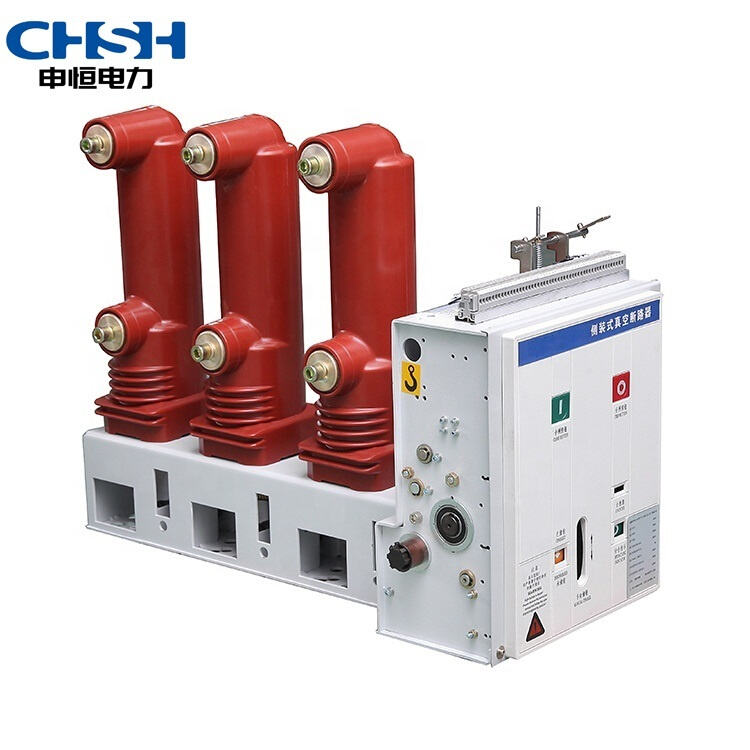
Electrical power systems require sophisticated switching and protection equipment to ensure safe and reliable operation. Two prominent technologies dominate the medium-voltage circuit breaker market: vacuum circuit breakers and sulfur hexafluoride (SF6) circuit breakers. Understanding the fundamental differences between these technologies is crucial for engineers, facility managers, and procurement professionals making critical infrastructure decisions. Each technology offers distinct advantages and limitations that directly impact system performance, maintenance requirements, and long-term operational costs.
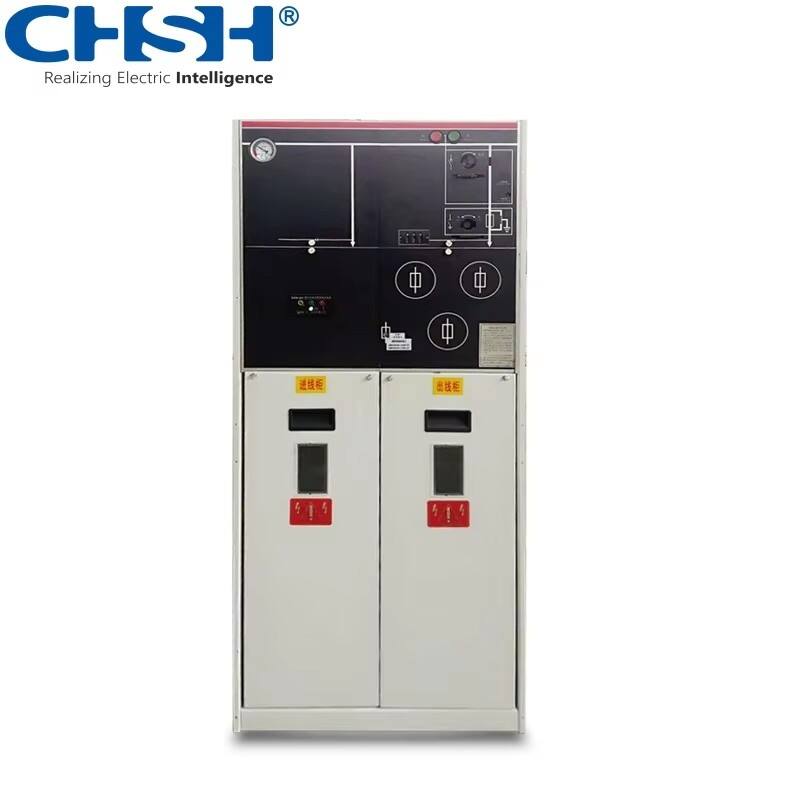
Operating Principles and Technologies
Vacuum Interrupter Technology
The vacuum circuit breaker operates on the principle of arc extinction in a vacuum environment. When contacts separate within the vacuum interrupter, an arc initially forms between the contacts due to metal vapor from contact surfaces. The vacuum environment prevents the ionization of surrounding medium, causing the arc to extinguish naturally at the first current zero crossing. This unique characteristic makes vacuum technology exceptionally effective for interrupting fault currents in medium-voltage applications ranging from 3.3kV to 38kV.
The vacuum interrupter consists of sealed chambers containing fixed and moving contacts made from copper-chromium alloy or other specialized materials. The vacuum level maintained within these chambers typically ranges from 10^-4 to 10^-6 torr, creating an environment where electrical breakdown is virtually impossible under normal operating conditions. This design eliminates the need for external arc-quenching mediums and significantly reduces maintenance requirements compared to traditional oil or air circuit breakers.
SF6 Gas Insulation Technology
SF6 circuit breakers utilize sulfur hexafluoride gas as both an insulating and arc-quenching medium. When an arc forms between separating contacts, the SF6 gas decomposes under the intense heat and pressure, creating electronegative ions that rapidly absorb free electrons. This process effectively extinguishes the arc and restores the dielectric strength of the gap between contacts. SF6 gas possesses exceptional dielectric properties, with an insulation strength approximately three times greater than air at atmospheric pressure.
The SF6 technology operates across a broader voltage range, from medium voltage applications up to extra high voltage systems exceeding 800kV. The gas-filled chambers maintain precise pressure levels, typically between 3 to 6 bar absolute pressure, depending on the voltage rating and application requirements. Modern SF6 breakers incorporate sophisticated monitoring systems to track gas density, ensuring optimal performance and providing early warning of potential leakage issues.
Performance Characteristics and Capabilities
Interrupting Capacity and Speed
Vacuum circuit breakers excel in medium-voltage applications with interrupting capacities typically ranging from 25kA to 63kA. The vacuum interrupter technology enables extremely fast operation, with total clearing times often under 50 milliseconds. This rapid response capability proves particularly valuable in protecting sensitive electronic equipment and minimizing system disturbances during fault conditions. The absence of gas compression requirements allows for consistent performance across varying ambient conditions.
SF6 circuit breakers demonstrate superior performance in high-voltage applications, with interrupting capacities exceeding 80kA in some configurations. The gas compression mechanism requires slightly longer operating times compared to vacuum technology, typically ranging from 40 to 80 milliseconds for total clearing time. However, SF6 breakers offer exceptional performance consistency across extreme temperature variations and maintain reliable operation in harsh environmental conditions where vacuum technology might face challenges.
Electrical Endurance and Contact Life
The electrical endurance characteristics differ significantly between these technologies. A vacuum circuit breaker typically provides 30,000 to 50,000 mechanical operations and 100 to 200 full-rated interrupting operations before requiring contact replacement. The vacuum environment prevents oxidation and contamination of contact surfaces, contributing to extended operational life and consistent performance over time.
SF6 circuit breakers generally offer 10,000 to 20,000 mechanical operations and 50 to 100 full-rated interrupting operations before major maintenance becomes necessary. The chemical decomposition of SF6 gas during arcing creates byproducts that can affect contact surfaces and internal components. However, advanced gas handling systems and contact materials have significantly improved the reliability and operational life of modern SF6 breakers, particularly in transmission-level applications.
Environmental Impact and Sustainability
Greenhouse Gas Considerations
Environmental regulations increasingly influence circuit breaker selection decisions, particularly regarding greenhouse gas emissions. Vacuum circuit breakers operate without any greenhouse gases, making them inherently environmentally friendly throughout their operational lifecycle. The vacuum interrupter technology produces no harmful emissions during normal operation or maintenance procedures, aligning with corporate sustainability initiatives and regulatory requirements for reduced environmental impact.
SF6 gas presents significant environmental challenges due to its status as one of the most potent greenhouse gases, with a global warming potential approximately 23,500 times greater than carbon dioxide. Strict regulations govern SF6 handling, storage, and disposal procedures in many jurisdictions. Modern SF6 equipment incorporates advanced leak detection systems and gas recovery procedures to minimize environmental impact, but the inherent greenhouse gas concerns continue to drive interest in alternative technologies.
Regulatory Compliance and Future Trends
Regulatory frameworks worldwide increasingly restrict SF6 usage, particularly in new installations below certain voltage levels. The European Union has implemented regulations limiting SF6 use in medium-voltage applications, with similar restrictions being considered in other regions. These regulatory trends favor vacuum circuit breaker adoption in medium-voltage applications, while research continues into SF6 alternatives for high-voltage applications where vacuum technology currently faces technical limitations.
The industry is actively developing alternative insulation gases and hybrid technologies to address environmental concerns while maintaining performance standards. Vacuum circuit breaker technology continues advancing with improved contact materials and enhanced interrupting capabilities, potentially expanding their applicable voltage range. These developments suggest a continued shift toward environmentally sustainable switching technologies in the medium-voltage sector.
Economic Analysis and Total Cost of Ownership
Initial Investment and Installation Costs
Initial acquisition costs vary significantly between vacuum and SF6 circuit breaker technologies, depending on voltage rating, interrupting capacity, and specific application requirements. Vacuum circuit breakers typically command higher initial purchase prices in medium-voltage applications due to the precision manufacturing required for vacuum interrupters and the specialized materials used in contact construction. However, the total installed cost often remains competitive when considering reduced foundation requirements and simplified installation procedures.
SF6 circuit breakers generally offer lower initial acquisition costs, particularly in higher voltage and higher interrupting capacity applications where the technology demonstrates clear advantages. The established manufacturing base and economies of scale in SF6 production contribute to competitive pricing. Installation costs may include additional considerations for gas handling equipment, leak detection systems, and specialized commissioning procedures required for proper SF6 circuit breaker operation.
Maintenance Requirements and Lifecycle Costs
Maintenance requirements represent a critical factor in total cost of ownership calculations. Vacuum circuit breakers require minimal routine maintenance beyond standard mechanical inspections and contact condition monitoring. The sealed vacuum interrupters eliminate the need for insulating medium replenishment or contamination concerns, reducing both scheduled maintenance costs and unplanned outage risks. Typical maintenance intervals extend to 5-10 years for comprehensive inspections.
SF6 circuit breakers demand more intensive maintenance protocols, including regular gas density monitoring, leak detection procedures, and periodic gas quality testing. The decomposition products from arc interruption require removal through gas processing or replacement procedures. Specialized equipment and trained personnel are necessary for safe SF6 handling, contributing to higher maintenance costs. However, the robust construction and proven reliability of SF6 technology often justify these additional maintenance investments in critical applications.
Application Suitability and Selection Criteria
Medium Voltage Distribution Systems
Medium voltage distribution systems between 3.3kV and 38kV represent the primary application domain where vacuum circuit breakers excel. Industrial facilities, commercial buildings, and utility distribution networks benefit from the compact design, reduced maintenance requirements, and environmental advantages of vacuum technology. The fast operating characteristics prove particularly valuable in applications requiring rapid fault clearing to protect sensitive loads or maintain system stability.
Data centers, semiconductor manufacturing facilities, and other critical load applications increasingly specify vacuum circuit breakers due to their reliability and minimal maintenance requirements. The absence of insulating gas eliminates concerns about gas leakage affecting indoor air quality or requiring specialized ventilation systems. These factors make vacuum technology particularly attractive for indoor installations where space constraints and environmental control are paramount considerations.
High Voltage Transmission Applications
High voltage transmission systems above 72kV continue to rely primarily on SF6 circuit breaker technology due to the superior dielectric strength and interrupting capability of SF6 gas. Transmission substations, generating stations, and extra high voltage switchyards require the proven performance and reliability that SF6 technology provides at these voltage levels. The ability to achieve compact designs in high voltage applications makes SF6 breakers essential for space-constrained urban substations.
Utility operators often specify SF6 circuit breakers for transmission applications based on decades of proven performance and comprehensive industry standards. The established supply chain, maintenance procedures, and operational expertise surrounding SF6 technology provide confidence in long-term asset management. However, ongoing development of alternative technologies and environmental regulations continue to influence future transmission system planning decisions.
FAQ
What are the main advantages of vacuum circuit breakers over SF6 breakers?
Vacuum circuit breakers offer several key advantages including zero greenhouse gas emissions, minimal maintenance requirements, faster operating speeds, and excellent performance in medium voltage applications. They eliminate environmental concerns associated with SF6 gas handling and disposal while providing reliable service with extended contact life. The compact design and reduced maintenance needs make them particularly suitable for indoor installations and applications where environmental sustainability is a priority.
Why do transmission systems still primarily use SF6 circuit breakers?
SF6 circuit breakers remain dominant in transmission applications due to their superior dielectric strength and interrupting capability at high voltages. The technology has proven reliable over decades of service in extra high voltage applications where vacuum technology currently faces technical limitations. SF6 gas provides exceptional insulation properties that enable compact switchgear designs essential for space-constrained transmission substations, making it difficult to replace with current alternative technologies.
How do maintenance costs compare between vacuum and SF6 circuit breakers?
Vacuum circuit breakers typically require significantly lower maintenance costs due to their sealed construction and absence of insulating gas requirements. Maintenance intervals are longer, and procedures are simpler compared to SF6 breakers which require regular gas monitoring, leak detection, and periodic gas quality testing. However, when major repairs are needed, vacuum interrupter replacement can be more expensive than SF6 breaker refurbishment, making lifecycle cost analysis application-specific.
What environmental regulations affect circuit breaker selection?
Environmental regulations increasingly restrict SF6 usage, particularly in the European Union where medium voltage applications face limitations on new SF6 installations. Many jurisdictions require SF6 leak monitoring, recovery procedures, and end-of-life gas reclamation. These regulations favor vacuum circuit breaker adoption in medium voltage applications while driving research into SF6 alternatives for high voltage systems. Compliance costs and restrictions continue influencing technology selection decisions across global markets.