
 EN
EN
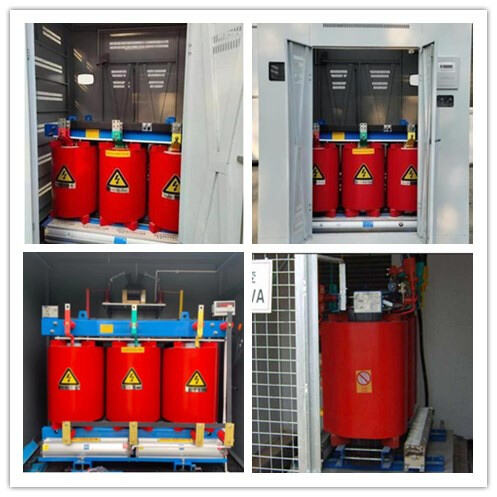
The power distribution industry faces a critical decision when selecting between two fundamental transformer technologies. Both dry type transformers and oil type transformers serve essential roles in electrical systems, yet each offers distinct advantages depending on specific application requirements. Understanding the fundamental differences between these technologies becomes crucial for engineers, facility managers, and electrical contractors making informed decisions about power infrastructure investments.
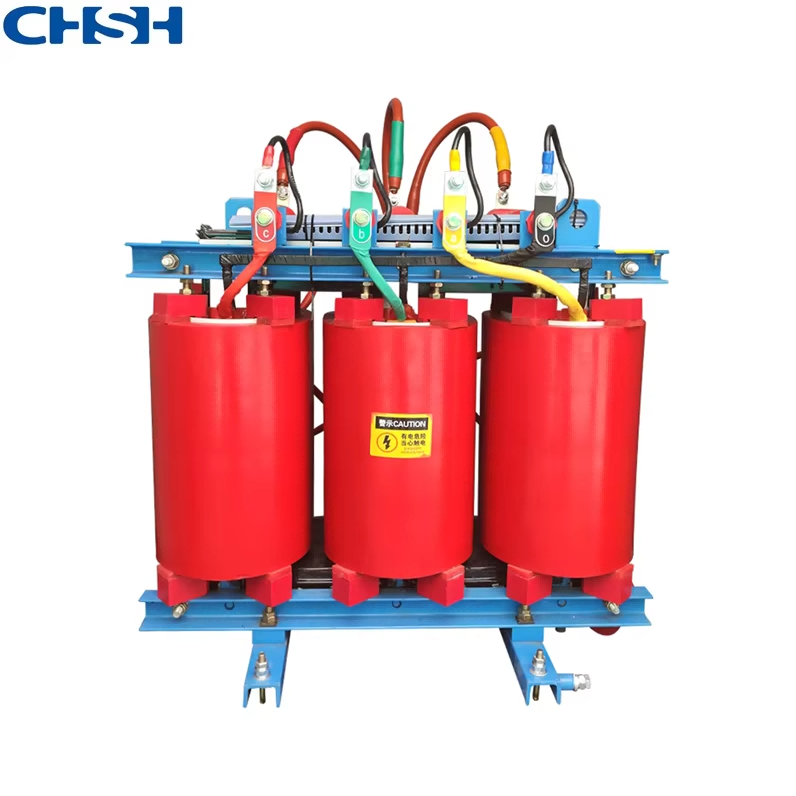
The choice between these transformer types significantly impacts operational efficiency, maintenance requirements, safety protocols, and long-term costs. Modern electrical systems demand reliable power distribution solutions that align with environmental regulations, space constraints, and performance expectations. This comprehensive analysis examines both technologies across multiple critical factors to help stakeholders make informed decisions for their specific applications.
Understanding Dry Type Transformer Technology
Construction and Core Components
A dry type transformer utilizes air or solid insulation materials instead of liquid coolants for electrical isolation and heat dissipation. The core construction typically features silicon steel laminations designed to minimize eddy current losses while maximizing magnetic flux efficiency. Primary and secondary windings are insulated using specialized varnishes, epoxy resins, or cast resin systems that provide excellent dielectric properties without requiring liquid immersion.
The absence of oil or other liquid coolants fundamentally changes the transformer's thermal management approach. Heat generated during operation transfers through convection and radiation processes, often enhanced by forced air cooling systems in higher capacity units. This design eliminates the risk of fluid leaks while providing reliable operation in various environmental conditions.
Modern dry type transformer designs incorporate advanced materials including Nomex insulation systems, which offer superior thermal resistance and mechanical strength. These materials enable operation at higher temperatures while maintaining long-term reliability and performance characteristics essential for critical applications.
Operational Characteristics
Dry type transformers operate with different thermal profiles compared to oil-filled units, typically running at higher internal temperatures while maintaining safe external surface temperatures. The thermal class designation indicates maximum allowable operating temperatures, with common classes including 130°C, 155°C, and 180°C systems. These temperature ratings directly influence load capacity and operational flexibility.
Electrical performance characteristics include excellent voltage regulation, low harmonic distortion, and stable operation across varying load conditions. The solid insulation system provides consistent dielectric properties throughout the operational temperature range, ensuring reliable performance without the thermal expansion effects associated with liquid coolants.
Noise levels in dry type transformers tend to be higher than oil-filled units due to the absence of liquid dampening effects. However, modern designs incorporate vibration-dampening techniques and acoustic enclosures to minimize operational noise in noise-sensitive environments.
Oil Type Transformer Fundamentals
Liquid Insulation Systems
Oil type transformers rely on mineral oil or synthetic fluid dielectrics for both electrical insulation and thermal management. The liquid medium provides superior cooling efficiency compared to air-based systems, enabling higher power densities and more compact designs for equivalent ratings. Transformer oil serves multiple functions including arc suppression, contamination protection, and thermal stabilization.
The oil circulation system, whether natural convection or forced circulation, maintains uniform temperature distribution throughout the transformer windings and core. This thermal management approach enables operation at lower internal temperatures, potentially extending operational life and improving electrical performance characteristics.
Oil quality monitoring becomes essential for maintaining optimal performance, requiring regular testing for moisture content, acidity levels, and dissolved gas analysis. These maintenance requirements ensure continued dielectric strength and thermal performance throughout the transformer's operational life.
Performance Advantages
Oil-filled transformers generally achieve higher efficiency ratings due to superior thermal management and lower operating temperatures. The liquid cooling medium enables better heat transfer coefficients, allowing for higher load factors and improved power density ratios compared to air-cooled alternatives.
Electrical performance benefits include excellent voltage regulation, low losses, and superior overload capacity. The oil insulation system provides consistent dielectric properties across wide temperature ranges while offering self-healing characteristics for minor electrical stresses.
Long-term reliability often favors oil-filled designs due to the protective environment created by the liquid dielectric. The oil system prevents moisture ingress and provides stable thermal conditions that minimize insulation aging and mechanical stress on internal components.
Safety and Environmental Considerations
Fire Safety Protocols
Fire safety represents a critical differentiator between transformer technologies. Dry type transformers eliminate fire hazards associated with combustible liquids, making them suitable for installation in occupied buildings, underground vaults, and areas with strict fire safety requirements. The absence of flammable coolants simplifies fire suppression systems and reduces insurance premiums in many applications.
Oil-filled transformers require comprehensive fire protection measures including fire-resistant barriers, oil containment systems, and specialized suppression equipment. These safety requirements often necessitate separate transformer rooms or outdoor installations with adequate clearances and emergency response protocols.
Emergency response procedures differ significantly between technologies. Dry type transformer incidents typically involve electrical hazards without liquid spill concerns, while oil-filled unit emergencies may require environmental containment and specialized cleanup procedures.
Environmental Impact
Environmental considerations favor dry type transformers in applications where liquid spill prevention is critical. The absence of oil eliminates groundwater contamination risks and simplifies end-of-life disposal procedures. These units can be installed in environmentally sensitive areas without secondary containment requirements.
Oil type transformers require environmental management protocols including spill prevention measures, regular oil testing, and proper disposal procedures for both the oil and oil-contaminated components. However, modern transformer oils can be recycled and reclaimed, reducing overall environmental impact when properly managed.
Energy efficiency considerations may favor oil-filled units in high-capacity applications where their superior thermal management translates to reduced energy losses over the transformer's operational life. This efficiency advantage must be weighed against environmental risks and management requirements.
Installation and Maintenance Requirements
Installation Flexibility
Dry type transformers offer significant installation advantages in space-constrained environments. These units can be installed indoors without special ventilation requirements, oil containment systems, or fire suppression infrastructure. The installation flexibility extends to basement locations, upper floors of buildings, and integrated equipment rooms where oil-filled units would be prohibited.
Transportation and handling prove simpler for dry units due to the absence of liquid coolants. No special shipping orientations or leak prevention measures are required, and units can be energized immediately upon installation without fluid level checks or settling periods.
Oil-filled transformers require specialized installation procedures including foundation preparation, oil containment systems, and environmental protection measures. These installations often demand dedicated transformer rooms or outdoor pads with appropriate clearances and safety equipment.
Maintenance Protocols
Maintenance requirements significantly differ between transformer types. Dry type transformers require minimal routine maintenance beyond periodic cleaning, connection tightening, and insulation testing. The absence of liquid coolants eliminates oil sampling, filtration, and replacement procedures common with oil-filled units.
Oil type transformers demand comprehensive maintenance programs including regular oil analysis, moisture monitoring, and dissolved gas analysis. These testing protocols require specialized equipment and trained personnel, increasing operational complexity and maintenance costs over the transformer's life cycle.
Predictive maintenance capabilities differ between technologies. Oil-filled transformers provide extensive diagnostic information through oil analysis, enabling early detection of developing problems. Dry type transformers rely more heavily on electrical testing and thermal monitoring for condition assessment.
Cost Analysis and Economic Factors
Initial Investment Considerations
Initial purchase costs typically favor dry type transformers in lower voltage applications, while oil-filled units often prove more economical in higher capacity installations. The cost differential reflects manufacturing complexity, materials, and the additional infrastructure required for oil-filled installations.
Installation costs must include supporting infrastructure requirements. Dry type transformers can utilize standard electrical rooms with minimal modifications, while oil-filled units may require specialized foundations, containment systems, and fire suppression equipment that significantly increase total project costs.
Infrastructure requirements impact the total cost of ownership beyond the transformer purchase price. These considerations include building modifications, safety systems, and ongoing compliance requirements that vary significantly between transformer technologies.
Operational Economics
Long-term operational costs reflect differences in maintenance requirements, energy efficiency, and operational life expectancy. Dry type transformers generally require lower maintenance investments but may have higher energy losses in some applications, affecting lifetime operating costs.
Insurance premiums and regulatory compliance costs often favor dry type installations due to reduced fire and environmental risks. These ongoing expenses can significantly impact total cost of ownership over the transformer's operational life.
Replacement and upgrade costs should be considered in the economic analysis. Dry type transformers typically enable simpler replacement procedures due to reduced infrastructure requirements and environmental considerations.
Application-Specific Selection Criteria
Indoor Commercial Applications
Commercial buildings, hospitals, schools, and office complexes typically favor dry type transformers due to safety requirements and installation flexibility. These applications prioritize fire safety, environmental protection, and the ability to locate equipment in occupied areas without special precautions.
Space constraints in urban environments often make dry type transformers the preferred choice for building-integrated electrical systems. The elimination of oil containment requirements and fire separation needs enables more efficient space utilization and architectural flexibility.
Building codes and insurance requirements frequently mandate dry type transformers for indoor applications, particularly in high-rise buildings, underground installations, and facilities serving critical functions like healthcare or emergency services.
Industrial and Utility Applications
Large industrial facilities and utility applications may favor oil-filled transformers when maximizing efficiency and power density becomes critical. These applications often have dedicated transformer areas with appropriate safety and environmental controls already in place.
High-voltage applications above 35kV typically utilize oil-filled technology due to the superior dielectric properties of liquid insulation systems. The cooling efficiency of oil enables more compact designs for high-power applications where space efficiency provides economic advantages.
Outdoor installations in utility applications often prefer oil-filled transformers due to their proven reliability in harsh environmental conditions and the availability of specialized maintenance infrastructure within utility organizations.
Future Technology Trends
Advanced Materials and Design
Emerging insulation materials continue to improve dry type transformer performance and reliability. New resin systems, fiber reinforcements, and thermal interface materials enable higher power densities while maintaining safety advantages over liquid-cooled alternatives.
Digital monitoring and control systems integrate more easily with dry type transformers due to the absence of explosive atmospheres and liquid handling concerns. These smart grid technologies enable predictive maintenance and optimized performance management for modern electrical systems.
Environmental regulations continue to favor technologies that eliminate potential contamination sources. Dry type transformer adoption accelerates in applications where environmental protection takes precedence over other performance factors.
Market Evolution
Market trends indicate growing preference for dry type transformers in new construction projects, particularly in urban areas with strict environmental and safety regulations. This trend reflects evolving priorities in electrical system design and risk management approaches.
Technological improvements in thermal management and insulation systems continue to expand the applicable range for dry type transformers, enabling their use in higher capacity applications previously reserved for oil-filled units.
Integration with renewable energy systems often favors dry type transformers due to their compatibility with distributed generation applications and simplified installation requirements in various environmental conditions.
FAQ
What are the main safety differences between dry type and oil type transformers
Dry type transformers eliminate fire hazards associated with combustible liquids, making them safer for indoor installations and occupied buildings. Oil type transformers require comprehensive fire protection measures, oil containment systems, and specialized emergency response procedures due to the flammable coolant, but they operate at lower internal temperatures which can reduce some electrical hazards.
Which transformer type offers better long-term reliability
Long-term reliability depends on application conditions and maintenance quality. Oil-filled transformers often achieve longer operational lives in outdoor utility applications due to superior thermal management and protective oil environment. Dry type transformers provide excellent reliability in indoor applications with lower maintenance requirements and no risk of coolant degradation affecting performance.
How do installation costs compare between the two technologies
Dry type transformers typically have lower total installation costs due to simplified infrastructure requirements. They can be installed in standard electrical rooms without oil containment systems, specialized fire suppression, or environmental protection measures. Oil-filled transformers often require dedicated transformer rooms, containment systems, and safety equipment that significantly increase installation expenses.
What maintenance differences should be expected between these transformer types
Dry type transformers require minimal routine maintenance beyond periodic cleaning and electrical testing, with no fluid analysis or replacement needs. Oil-filled transformers demand comprehensive maintenance programs including regular oil analysis, moisture monitoring, dissolved gas analysis, and potential oil replacement, requiring specialized equipment and trained personnel for proper maintenance execution.