
 EN
EN
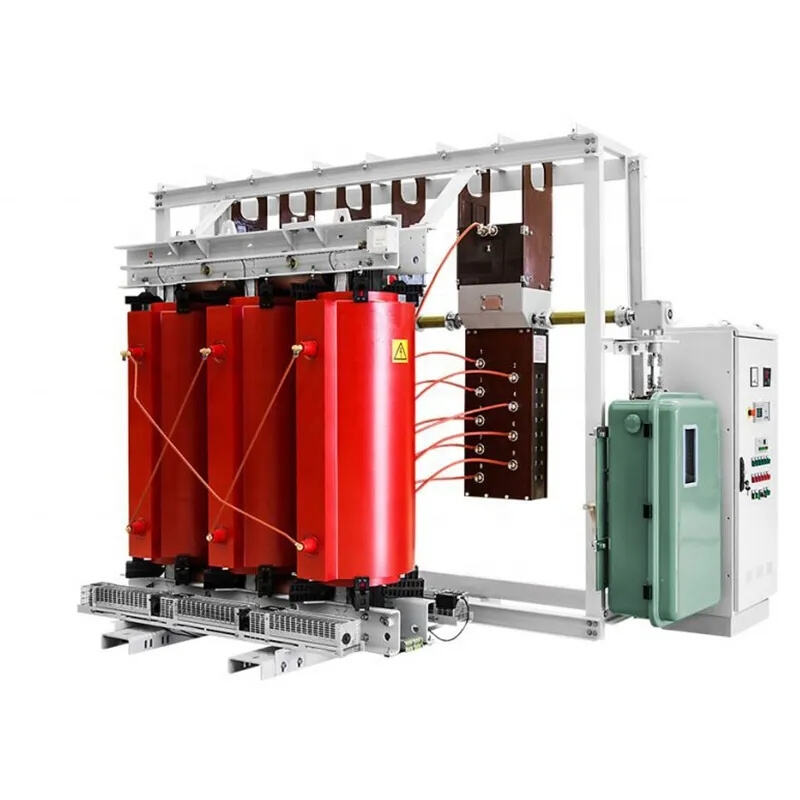
Modern electrical infrastructure relies heavily on efficient power distribution systems, where dry type transformers play a crucial role in ensuring reliable electricity delivery across various applications. Unlike oil-filled counterparts, these units operate without liquid coolants, making them safer and more environmentally friendly for indoor installations. Understanding proper maintenance protocols for these critical components can significantly extend their operational lifespan and prevent costly downtime in commercial and industrial facilities.
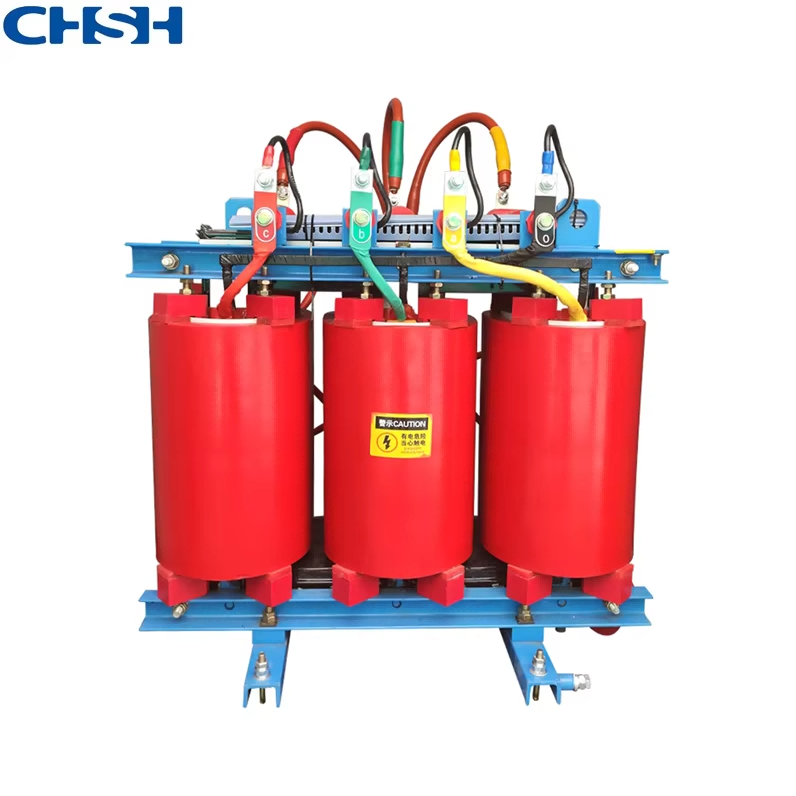
Effective maintenance strategies not only ensure optimal performance but also comply with safety regulations and industry standards. Facility managers and electrical technicians must implement comprehensive inspection schedules, monitor operating conditions, and address potential issues before they escalate into major failures. The investment in proper maintenance protocols typically yields substantial returns through reduced replacement costs and improved system reliability.
Understanding Dry Type Transformer Components
Core Construction and Materials
The magnetic core represents the heart of every dry type transformer, typically constructed from high-grade silicon steel laminations that minimize energy losses during operation. These laminations are carefully stacked and secured to reduce eddy current losses while maintaining optimal magnetic flux density throughout the core structure. Modern manufacturing techniques ensure precise tolerances and consistent material properties that contribute to overall transformer efficiency.
Core materials undergo rigorous quality control testing to verify their magnetic characteristics and thermal stability under various operating conditions. The lamination thickness directly impacts transformer performance, with thinner materials generally providing better efficiency at higher frequencies. Understanding these fundamental construction details helps maintenance personnel identify potential issues and implement appropriate preventive measures.
Winding Configuration and Insulation Systems
Primary and secondary windings in dry type transformers utilize specialized insulation materials designed to withstand elevated temperatures and electrical stress without degradation. Class H insulation systems commonly employed in these units can operate continuously at temperatures up to 180 degrees Celsius, providing substantial safety margins under normal operating conditions. The winding configuration directly influences voltage regulation, short-circuit capability, and overall transformer performance characteristics.
Insulation integrity represents a critical factor in transformer longevity, requiring regular assessment through various testing methods. Thermal cycling, moisture exposure, and electrical stress can gradually deteriorate insulation properties, potentially leading to catastrophic failure if left unaddressed. Maintenance programs must include comprehensive insulation monitoring protocols to detect early warning signs of deterioration.
Preventive Maintenance Scheduling
Daily and Weekly Inspection Routines
Establishing consistent inspection routines forms the foundation of effective dry type transformer maintenance programs. Daily visual inspections should focus on identifying obvious signs of overheating, unusual noises, or visible damage to external components and connections. Maintenance personnel should document operating temperatures, ambient conditions, and any abnormal observations in detailed logbooks for trend analysis and future reference.
Weekly inspections typically involve more detailed examinations of cooling systems, ventilation pathways, and electrical connections. These routine checks help identify potential problems before they impact transformer performance or compromise system reliability. Proper documentation of inspection findings enables maintenance teams to track equipment condition trends and schedule preventive interventions at optimal intervals.
Monthly and Quarterly Assessment Protocols
Monthly maintenance activities should include comprehensive cleaning procedures, connection tightness verification, and detailed temperature monitoring across all accessible components. Dust accumulation on cooling surfaces can significantly reduce heat dissipation efficiency, potentially leading to premature aging of internal components. Systematic cleaning schedules help maintain optimal operating conditions and prevent unnecessary thermal stress.
Quarterly assessments typically involve more extensive electrical testing, including insulation resistance measurements and power factor analysis. These diagnostic procedures provide valuable insights into internal component condition and help predict potential failure modes before they occur. Advanced testing equipment enables maintenance teams to establish baseline measurements and track gradual changes in transformer characteristics over time.
Critical Operating Parameters
Temperature Management and Monitoring
Temperature control represents perhaps the most critical aspect of dry type transformer maintenance, directly impacting insulation life and overall equipment reliability. Operating temperatures should remain well below manufacturer specifications, with adequate safety margins to accommodate load variations and ambient temperature fluctuations. Continuous temperature monitoring systems provide real-time data that enables proactive maintenance interventions when necessary.
Thermal imaging surveys can reveal hot spots and uneven temperature distributions that may indicate developing problems with internal components or connections. Regular thermal analysis helps identify cooling system deficiencies, blocked ventilation pathways, or excessive loading conditions that could compromise transformer performance. Documentation of temperature trends enables predictive maintenance strategies that prevent unexpected failures.
Load Analysis and Capacity Management
Proper load management ensures dry type transformer operation within design parameters while maximizing service life and maintaining optimal efficiency. Overloading conditions generate excessive heat that accelerates insulation aging and increases the risk of catastrophic failure. Load monitoring systems should track actual demand patterns and provide alerts when operating limits approach critical thresholds.
Capacity planning involves analyzing historical load data to identify trends and anticipate future requirements that may exceed existing transformer capabilities. Systematic load analysis helps facility managers make informed decisions about equipment upgrades or load redistribution strategies. Understanding load characteristics also enables optimization of maintenance schedules based on actual operating stress levels.
Diagnostic Testing Procedures
Insulation Resistance Testing
Insulation resistance measurements provide critical insights into the condition of internal insulation systems and help predict potential failure modes before they occur. These tests should be performed using appropriate voltage levels specified by manufacturer recommendations and industry standards. Test results must be compared against baseline measurements and manufacturer specifications to identify significant changes that may indicate deteriorating conditions.
Environmental conditions during testing can significantly influence measurement accuracy, requiring careful attention to temperature and humidity levels. Test procedures should follow standardized protocols to ensure consistent and reliable results across multiple measurement sessions. Trending analysis of insulation resistance data enables maintenance teams to establish predictive maintenance schedules based on actual equipment condition rather than arbitrary time intervals.
Power Factor and Dissipation Factor Analysis
Power factor testing reveals valuable information about insulation system integrity and internal component condition that may not be apparent through other diagnostic methods. These measurements detect early signs of insulation deterioration, moisture contamination, or internal faults that could lead to eventual transformer failure. Regular power factor analysis helps establish baseline characteristics and track gradual changes in equipment condition over time.
Dissipation factor measurements complement power factor analysis by providing additional insights into dielectric losses within the transformer insulation system. Combined analysis of both parameters enables more accurate assessment of insulation condition and remaining service life. Advanced diagnostic equipment can perform these measurements automatically while maintaining detailed records for trend analysis and predictive maintenance applications.
Safety Considerations and Protocols
Personal Protective Equipment Requirements
Maintenance activities on dry type transformer installations require appropriate personal protective equipment to ensure worker safety during inspection and testing procedures. Arc-rated clothing, safety glasses, insulated tools, and properly rated electrical gloves represent minimum safety requirements for most maintenance tasks. Additional protective equipment may be necessary depending on specific work activities and potential hazard exposure levels.
Safety protocols must address electrical hazards, potential arc flash incidents, and mechanical risks associated with transformer maintenance activities. Training programs should ensure all maintenance personnel understand proper safety procedures and emergency response protocols. Regular safety audits help identify potential hazards and verify compliance with established safety standards and regulations.
Lockout and Tagout Procedures
Proper lockout and tagout procedures represent essential safety requirements for any maintenance work involving electrical equipment. These procedures ensure complete isolation of energy sources and prevent accidental energization during maintenance activities. Standardized lockout protocols must be followed consistently to protect maintenance personnel and prevent equipment damage during inspection or repair operations.
Energy isolation verification should include testing with appropriate instruments to confirm complete de-energization before beginning maintenance work. Multiple energy sources may require isolation in complex electrical systems, necessitating comprehensive lockout procedures that address all potential hazards. Documentation of lockout procedures helps ensure consistent application and provides verification of proper safety protocol implementation.
Troubleshooting Common Issues
Overheating and Thermal Management Problems
Overheating represents one of the most common issues affecting dry type transformer performance and longevity. Blocked ventilation pathways, excessive loading, and inadequate cooling system maintenance can contribute to elevated operating temperatures that accelerate component aging. Systematic troubleshooting procedures help identify root causes and implement appropriate corrective actions to restore normal operating conditions.
Thermal management problems often result from gradual deterioration of cooling system performance or changes in operating conditions that exceed original design parameters. Regular maintenance of ventilation systems, cleaning of cooling surfaces, and verification of proper airflow patterns help prevent thermal-related issues. Environmental monitoring systems can provide early warning of developing thermal problems before they impact transformer reliability.
Connection and Terminal Issues
Loose electrical connections and terminal deterioration can create high-resistance joints that generate excessive heat and potentially cause catastrophic failure. Regular inspection and tightening of electrical connections help prevent these issues and ensure optimal electrical performance. Thermal imaging surveys can identify problematic connections before they cause significant damage or safety hazards.
Corrosion and oxidation of connection surfaces can increase contact resistance and create reliability concerns over time. Preventive measures including proper torque specifications, appropriate connection materials, and protective coatings help minimize connection-related problems. Documentation of connection maintenance activities enables tracking of problem areas and optimization of maintenance schedules.
FAQ
How often should dry type transformers undergo comprehensive maintenance inspections
Comprehensive maintenance inspections should typically occur annually for most dry type transformer installations, though specific intervals may vary based on operating conditions, load characteristics, and manufacturer recommendations. Critical applications or harsh environments may require more frequent inspections, while lightly loaded units in clean environments might extend intervals slightly. The key is establishing a consistent schedule based on actual operating conditions and documented equipment history.
What are the most critical warning signs of potential transformer failure
The most critical warning signs include unusual operating temperatures, abnormal sounds such as excessive humming or crackling, visible signs of overheating or discoloration, and declining insulation resistance measurements. Changes in power factor readings, unusual odors, and visible damage to external components also indicate potential problems requiring immediate attention. Early detection through regular monitoring enables preventive action before catastrophic failure occurs.
Can dry type transformers be safely operated during maintenance activities
Most maintenance activities require complete de-energization and proper lockout procedures to ensure personnel safety and prevent equipment damage. However, some diagnostic testing and monitoring activities can be performed on energized equipment using appropriate safety precautions and qualified personnel. Any work involving direct contact with electrical components must be performed with the transformer completely de-energized and properly isolated from all energy sources.
What environmental factors most significantly impact transformer maintenance requirements
Temperature extremes, humidity levels, dust and contamination exposure, and corrosive atmospheres represent the most significant environmental factors affecting maintenance requirements. High-temperature environments accelerate insulation aging and increase cooling system demands, while excessive moisture can compromise insulation integrity. Dusty or contaminated environments require more frequent cleaning and may necessitate enhanced filtration systems to maintain optimal operating conditions.
Table of Contents
- Understanding Dry Type Transformer Components
- Preventive Maintenance Scheduling
- Critical Operating Parameters
- Diagnostic Testing Procedures
- Safety Considerations and Protocols
- Troubleshooting Common Issues
-
FAQ
- How often should dry type transformers undergo comprehensive maintenance inspections
- What are the most critical warning signs of potential transformer failure
- Can dry type transformers be safely operated during maintenance activities
- What environmental factors most significantly impact transformer maintenance requirements