
 EN
EN
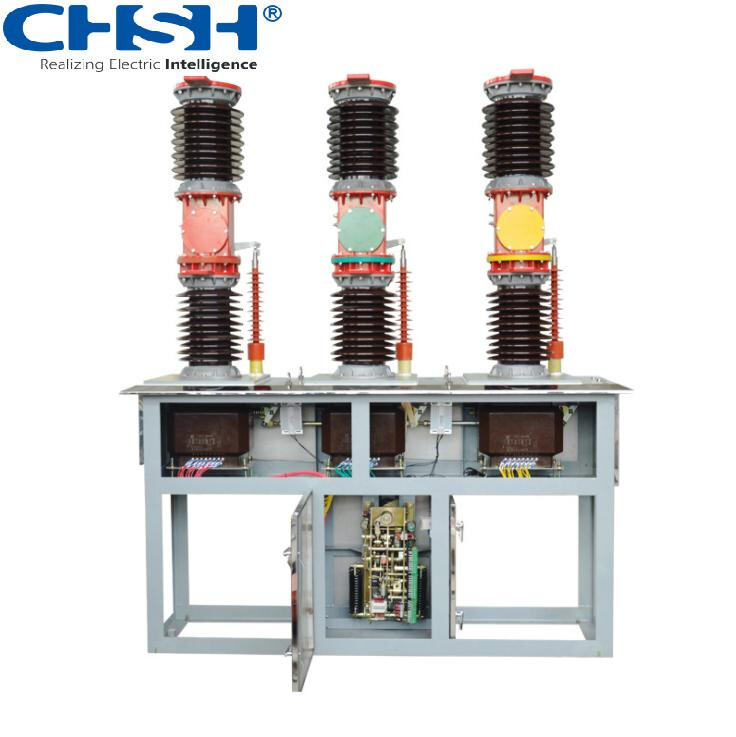
Selecting the appropriate circuit breaker for your electrical system is a critical decision that impacts both safety and operational efficiency. Modern electrical installations require careful consideration of various factors including load requirements, environmental conditions, and application-specific needs. Understanding the fundamental principles behind circuit breaker selection ensures optimal protection for your electrical infrastructure while minimizing downtime and maintenance costs.
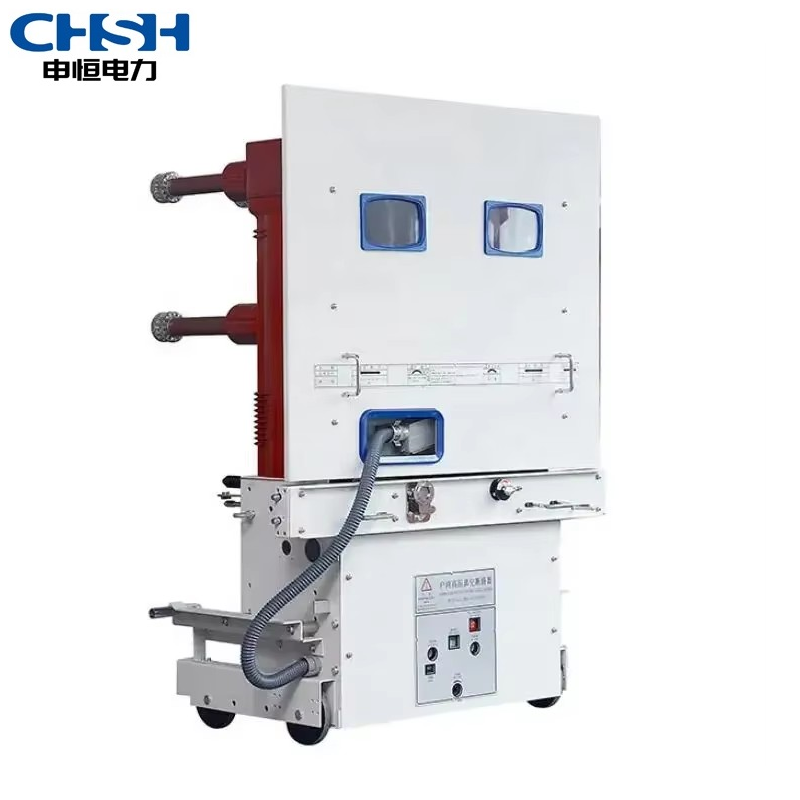
Understanding Circuit Breaker Fundamentals
Basic Operating Principles
A circuit breaker functions as an automatically operated electrical switch designed to protect electrical circuits from damage caused by overcurrent conditions. The device detects fault conditions and interrupts current flow by opening its contacts, effectively isolating the faulty section from the rest of the electrical system. This protective mechanism prevents equipment damage, fire hazards, and potential safety risks to personnel working with electrical systems.
The core components of any circuit breaker include the contact system, arc extinguishing medium, operating mechanism, and protection relay system. These elements work together to detect abnormal conditions, execute the interruption process, and provide reliable isolation of electrical circuits. Understanding these fundamental aspects helps engineers and technicians make informed decisions when specifying protection equipment for various applications.
Types and Classifications
Circuit breakers are classified based on several criteria including voltage level, interrupting medium, and application type. Low voltage units typically serve residential and commercial applications up to 1000V, while medium voltage devices handle distribution systems from 1kV to 35kV. High voltage circuit breakers operate in transmission systems above 35kV, requiring specialized design considerations for arc extinction and insulation coordination.
The interrupting medium represents another crucial classification factor, with air, oil, SF6 gas, and vacuum technologies each offering distinct advantages. Vacuum circuit breakers have gained significant popularity in medium voltage applications due to their environmental friendliness, minimal maintenance requirements, and excellent interrupting capabilities. Modern installations increasingly favor these technologies for their reliability and operational benefits.
Critical Selection Parameters
Voltage and Current Ratings
Proper voltage rating selection requires consideration of both nominal system voltage and maximum operating voltage conditions. The circuit breaker must be capable of withstanding normal operating voltages while providing adequate insulation levels during fault conditions. Voltage ratings should align with system requirements, including transient overvoltage conditions that may occur during switching operations or lightning strikes.
Current ratings encompass both continuous current carrying capacity and short-time current withstand capability. The continuous current rating must exceed the maximum expected load current with appropriate safety margins for ambient temperature variations and load growth projections. Short-time current ratings determine the device's ability to carry fault currents for specified durations without damage, ensuring proper coordination with protection systems.
Interrupting Capacity Requirements
The interrupting capacity represents the maximum fault current that a circuit breaker can safely interrupt without damage or loss of functionality. This parameter must be determined through detailed fault analysis considering maximum available fault current at the installation point. Insufficient interrupting capacity can result in catastrophic failure during fault conditions, potentially causing extensive damage to equipment and facilities.
Modern power systems often experience increasing fault levels due to system expansion and interconnection growth. Selection processes must account for future system development and potential changes in fault current levels over the equipment's operational lifetime. Conservative approaches to interrupting capacity selection provide long-term reliability and reduce the need for premature equipment replacement as systems evolve.
Environmental and Installation Considerations
Operating Environment Assessment
Environmental conditions significantly influence circuit breaker performance and longevity, requiring careful evaluation during the selection process. Temperature extremes affect contact resistance, insulation properties, and mechanical operation of moving parts. High ambient temperatures reduce current carrying capacity while low temperatures may impact operating mechanism performance and increase contact resistance.
Humidity, altitude, and contamination levels also impact circuit breaker operation and maintenance requirements. Coastal installations face salt spray corrosion challenges, while industrial environments may expose equipment to chemical contaminants or abrasive particles. These environmental factors influence material selection, enclosure design, and maintenance scheduling for optimal equipment performance throughout its service life.
Installation Space and Accessibility
Physical installation constraints often limit circuit breaker selection options, particularly in retrofit applications or space-constrained facilities. Switchgear layout requirements, cable connection arrangements, and maintenance access needs must be considered early in the selection process. Compact designs may offer space advantages but could compromise accessibility for routine maintenance operations.
Future expansion capabilities should be evaluated to ensure selected equipment can accommodate system growth without major infrastructure modifications. Standardization of circuit breaker types and ratings within a facility simplifies spare parts inventory, maintenance procedures, and operator training requirements. These factors contribute to long-term operational efficiency and cost-effectiveness.
Application-Specific Requirements
Industrial and Commercial Applications
Industrial facilities require circuit breakers capable of handling motor starting currents, harmonic distortion, and frequent switching operations. Large motor loads generate significant inrush currents during startup, requiring careful coordination between circuit breaker ratings and motor protection systems. Variable frequency drives and other power electronic equipment introduce harmonic currents that may affect thermal ratings and require specialized consideration.
Commercial buildings present different challenges including lighting loads, HVAC systems, and power quality sensitive equipment. Circuit breaker selection must account for load diversity factors, power factor variations, and the need for selective coordination to minimize outage impacts. Energy management systems may require circuit breakers with communication capabilities for remote monitoring and control functions.
Utility and Power Generation
Utility applications demand the highest levels of reliability and performance from circuit breaker systems. Transmission and distribution networks require devices capable of interrupting large fault currents while maintaining system stability. Auto-reclosing capabilities enable automatic restoration of service after transient faults, improving overall system reliability and customer satisfaction.
Power generation facilities utilize circuit breakers for generator protection, auxiliary system control, and interconnection with transmission networks. These applications require specialized features including anti-pumping mechanisms, synchronism check functions, and fast operating times to maintain grid stability. Generator circuit breakers must handle both normal switching duties and fault interruption under challenging conditions.
Advanced Features and Technologies
Digital Protection and Communication
Modern circuit breaker systems increasingly incorporate digital protection relays and communication interfaces for enhanced functionality and monitoring capabilities. These advanced features enable precise fault detection, configurable protection settings, and real-time status monitoring. Digital systems provide valuable diagnostic information for predictive maintenance programs and system optimization initiatives.
Communication protocols such as IEC 61850 facilitate integration with supervisory control and data acquisition systems, enabling centralized monitoring and control of multiple circuit breakers. These capabilities support automated switching operations, load management functions, and rapid fault isolation to minimize outage duration and impact on critical loads.
Maintenance and Reliability Enhancements
Advanced circuit breaker designs incorporate features to reduce maintenance requirements and improve operational reliability. Self-monitoring systems track operating parameters including contact wear, gas pressure levels, and mechanical operation counts. This information enables condition-based maintenance strategies that optimize equipment availability while minimizing maintenance costs.
Vacuum circuit breaker technology exemplifies these advancements with maintenance-free contact systems and extended operational life. The sealed vacuum interrupters eliminate the need for routine contact maintenance while providing excellent arc extinction capabilities. These benefits translate to reduced lifecycle costs and improved system reliability for medium voltage applications.
Economic Considerations and Lifecycle Costs
Initial Investment Analysis
Circuit breaker selection involves balancing initial capital costs against long-term operational benefits and reliability requirements. Premium features and higher performance ratings typically command higher purchase prices but may provide significant value through reduced maintenance costs, improved reliability, and enhanced functionality. Life-cycle cost analysis helps quantify these trade-offs for informed decision-making.
Standardization strategies can reduce initial costs through volume purchasing agreements and simplified spare parts inventory. However, standardization must be balanced against application-specific requirements to ensure optimal performance in each installation. Value engineering approaches help identify cost-effective solutions without compromising essential functionality or reliability.
Operational Cost Factors
Operational costs include routine maintenance, spare parts, testing requirements, and potential outage costs associated with equipment failures. High-quality circuit breakers with proven reliability records typically justify higher initial costs through reduced maintenance requirements and lower failure rates. Warranty terms and manufacturer support capabilities also influence long-term operational costs.
Energy efficiency considerations become increasingly important in circuit breaker selection as facilities focus on reducing operational expenses and environmental impact. Low-loss designs minimize energy consumption during normal operation while maintaining full protection capabilities. These efficiency improvements provide ongoing cost savings throughout the equipment's operational lifetime.
FAQ
What factors determine circuit breaker interrupting capacity requirements?
Interrupting capacity requirements are determined through comprehensive fault analysis of the electrical system at the point of installation. This analysis considers maximum available fault current from all sources including utility feeds, generators, and motors. System impedance, transformer ratings, and cable lengths all influence fault current levels. The selected circuit breaker must have interrupting capacity exceeding the maximum calculated fault current with appropriate safety margins for future system changes.
How do environmental conditions affect circuit breaker selection and performance?
Environmental conditions significantly impact circuit breaker selection through effects on current carrying capacity, insulation requirements, and mechanical operation. High ambient temperatures reduce current ratings and may require derating factors or enhanced cooling systems. Humidity and contamination levels affect insulation performance and may require sealed enclosures or specialized materials. Altitude impacts air density and dielectric strength, requiring voltage rating adjustments for high-elevation installations.
What are the key differences between vacuum and SF6 circuit breakers?
Vacuum circuit breakers use vacuum interrupters for arc extinction and offer maintenance-free operation, compact design, and environmental friendliness. They excel in medium voltage applications with frequent switching duties. SF6 circuit breakers utilize sulfur hexafluoride gas for insulation and arc extinction, providing excellent interrupting capabilities for high voltage applications. However, SF6 is a greenhouse gas requiring careful handling and potential replacement with eco-friendly alternatives in future designs.
How should circuit breaker ratings be coordinated with upstream and downstream protection devices?
Protection coordination ensures selective operation where the closest protective device to a fault operates first, minimizing outage scope. This requires careful analysis of time-current characteristics for all protective devices in series. Circuit breaker ratings must be coordinated with fuses, relays, and other circuit breakers to achieve proper selectivity while maintaining adequate fault interruption capability. Coordination studies use specialized software to verify proper operation under various fault scenarios and ensure reliable protection system performance.
Table of Contents
- Understanding Circuit Breaker Fundamentals
- Critical Selection Parameters
- Environmental and Installation Considerations
- Application-Specific Requirements
- Advanced Features and Technologies
- Economic Considerations and Lifecycle Costs
-
FAQ
- What factors determine circuit breaker interrupting capacity requirements?
- How do environmental conditions affect circuit breaker selection and performance?
- What are the key differences between vacuum and SF6 circuit breakers?
- How should circuit breaker ratings be coordinated with upstream and downstream protection devices?