
 EN
EN
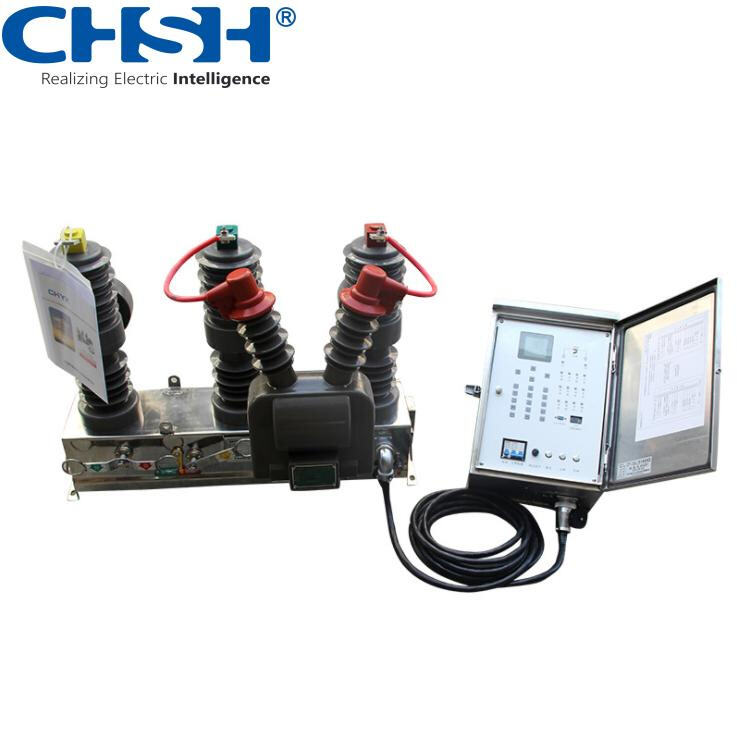
Electric utilities face mounting pressure to ensure uninterrupted power delivery while managing increasingly complex grid infrastructures. The evaluation of circuit breaker reliability has become a critical factor in maintaining grid stability and preventing costly outages that can affect millions of customers. Modern power systems require circuit breakers that can operate flawlessly under diverse conditions, from routine switching operations to emergency fault clearing scenarios. Understanding how utilities assess circuit breaker reliability provides valuable insights into the sophisticated testing protocols and performance standards that govern grid-scale electrical equipment deployment.
Fundamental Principles of Circuit Breaker Reliability Assessment
Statistical Methods and Reliability Metrics
Utilities employ sophisticated statistical models to evaluate circuit breaker reliability throughout the equipment lifecycle. The mean time between failures (MTBF) serves as a primary metric, typically measured in years or decades for high-voltage applications. Reliability engineers analyze failure rates, considering both random failures that occur during normal operation and wear-out failures that increase with equipment age. These statistical approaches help utilities predict maintenance schedules and replacement timelines with greater accuracy.
Probability distribution functions play a crucial role in modeling circuit breaker reliability patterns. The Weibull distribution commonly represents failure characteristics, allowing engineers to identify infant mortality periods, useful life phases, and end-of-life scenarios. Advanced Monte Carlo simulations incorporate multiple variables affecting circuit breaker reliability, including environmental conditions, operational stress, and maintenance practices. This comprehensive statistical framework enables utilities to make informed decisions about equipment procurement and deployment strategies.
Performance Standards and Testing Protocols
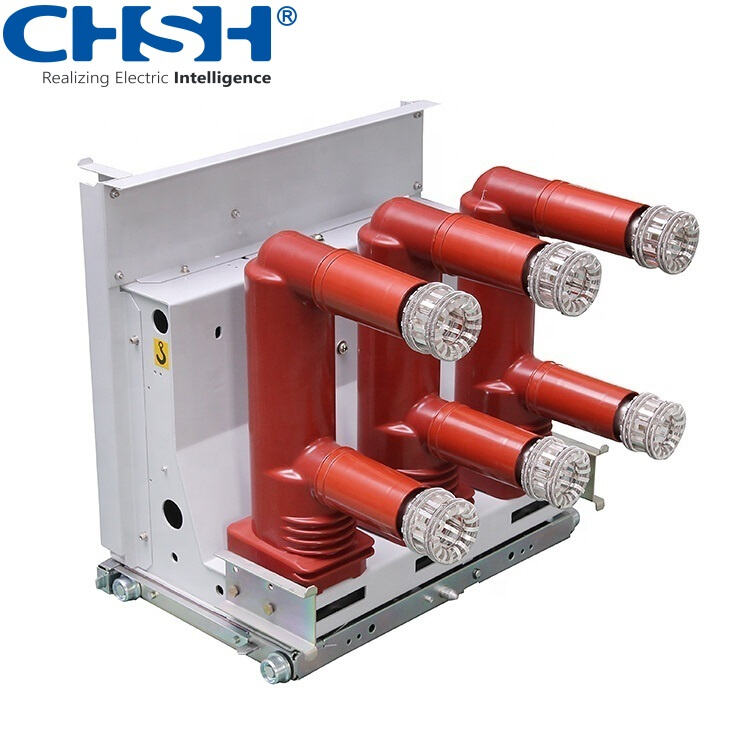
International standards organizations have established rigorous testing protocols to evaluate circuit breaker reliability under various operational scenarios. The IEC 62271 series provides comprehensive guidelines for high-voltage switchgear testing, including mechanical endurance tests, electrical endurance evaluations, and environmental stress assessments. These standards ensure consistent circuit breaker reliability benchmarks across manufacturers and geographical regions, facilitating comparative analysis for utility procurement teams.
Type testing procedures validate circuit breaker reliability through accelerated aging protocols that simulate decades of operational stress within compressed timeframes. Short-circuit testing evaluates interrupting capability under maximum fault conditions, while mechanical operation tests assess contact wear and spring mechanism degradation. Environmental testing chambers subject equipment to temperature cycling, humidity variations, and seismic vibrations to verify circuit breaker reliability under extreme conditions. These comprehensive testing regimens provide utilities with confidence in long-term equipment performance.
Operational Assessment Techniques
Real-Time Monitoring Systems
Modern utilities implement sophisticated condition monitoring systems to continuously assess circuit breaker reliability during operation. Partial discharge measurement technologies detect insulation degradation before catastrophic failures occur, enabling predictive maintenance strategies. Vibration analysis monitors mechanical components for wear patterns and misalignment issues that could compromise circuit breaker reliability over time. Temperature monitoring identifies hotspots that indicate poor connections or excessive resistance in current-carrying components.
Digital monitoring platforms integrate multiple sensor inputs to create comprehensive circuit breaker reliability profiles. Machine learning algorithms analyze historical performance data to identify subtle patterns that precede equipment failures. These predictive analytics capabilities allow utilities to optimize maintenance schedules, reducing unnecessary interventions while preventing unexpected outages. Remote monitoring systems provide 24/7 surveillance of critical switching equipment, ensuring immediate notification of abnormal conditions that could affect circuit breaker reliability.
Maintenance History Analysis
Utilities maintain detailed maintenance databases to track circuit breaker reliability trends across their entire fleet. Historical records document routine inspections, corrective actions, component replacements, and performance anomalies that influence long-term equipment behavior. Statistical analysis of maintenance data reveals patterns related to specific manufacturers, installation environments, and operational stresses that affect circuit breaker reliability. This information guides procurement decisions and helps establish optimal maintenance intervals for different equipment categories.
Root cause analysis methodologies examine circuit breaker failures to identify underlying factors that compromise reliability. Failure mode and effects analysis (FMEA) systematically evaluates potential failure mechanisms and their consequences on system operation. Post-failure investigations include forensic examination of failed components, environmental condition reviews, and operational stress assessments. These comprehensive analyses contribute to improved circuit breaker reliability through enhanced design specifications and refined maintenance practices.
Environmental and Operational Factors
Climate Impact Assessment
Environmental conditions significantly influence circuit breaker reliability across different geographical regions and installation sites. Temperature extremes affect insulation properties, contact materials, and mechanical components within switching equipment. High humidity levels can accelerate corrosion and reduce dielectric strength of air-insulated systems. Coastal installations face additional challenges from salt spray and moisture ingress that can compromise circuit breaker reliability over time.
Utilities develop climate-specific evaluation criteria to assess circuit breaker reliability under local environmental conditions. Accelerated aging tests simulate regional climate patterns to predict equipment lifespan in specific geographical areas. Material selection processes consider environmental stresses to ensure adequate circuit breaker reliability throughout the expected service life. Protective enclosures and environmental controls help maintain optimal operating conditions for sensitive switching equipment in harsh climates.
Load Profile Analysis
Operating duty cycles significantly impact circuit breaker reliability through accumulated mechanical and electrical stress. Frequent switching operations accelerate contact wear and reduce the number of available operations before maintenance intervention becomes necessary. High fault current levels during short-circuit conditions create thermal and mechanical stresses that can affect circuit breaker reliability over multiple clearing operations. Load current levels influence contact heating and arcing energy, contributing to gradual degradation of switching performance.
Utilities analyze historical load patterns to predict future operational demands on circuit breaker equipment. Peak demand forecasts help determine whether existing circuit breaker reliability levels will meet projected system requirements. Load flow studies identify switching equipment that experiences higher-than-average operational stress, requiring enhanced monitoring or accelerated replacement schedules. Dynamic rating methodologies account for varying load conditions when establishing circuit breaker reliability expectations for specific applications.
Testing and Validation Methodologies
Laboratory Testing Protocols
Comprehensive laboratory testing provides the foundation for evaluating circuit breaker reliability before field deployment. High-power testing facilities simulate worst-case fault conditions to verify interrupting capability and thermal withstand performance. Mechanical endurance testing subjects switching mechanisms to thousands of operations under controlled conditions to assess circuit breaker reliability over extended service periods. Dielectric testing validates insulation systems under various voltage stresses and environmental conditions.
Specialized test circuits generate precise current and voltage waveforms that replicate actual system conditions during fault clearing operations. X-ray analysis reveals internal component conditions and identifies potential failure modes that could compromise circuit breaker reliability. Accelerated life testing applies enhanced stress levels to predict long-term performance characteristics within compressed timeframes. These laboratory validation procedures provide utilities with quantitative data to support circuit breaker reliability assessments and procurement decisions.
Field Performance Validation
Field testing programs validate laboratory predictions through real-world operational experience with circuit breaker equipment. Pilot installations allow utilities to evaluate circuit breaker reliability under actual system conditions before committing to large-scale deployments. Performance monitoring during commissioning phases identifies any discrepancies between expected and actual circuit breaker reliability characteristics. Field data collection provides valuable feedback for refining laboratory testing protocols and improving future equipment specifications.
Long-term field studies track circuit breaker reliability trends across multiple installations and operating environments. Statistical analysis of field performance data validates manufacturer claims and identifies potential reliability issues that may not have been apparent during laboratory testing. Comparative studies between different circuit breaker technologies help utilities optimize their equipment selection processes. Field validation data contributes to industry-wide reliability databases that benefit the entire utility sector through shared knowledge and experience.
Risk Management and Decision Making
Reliability-Based Asset Management
Modern utilities adopt reliability-centered maintenance (RCM) strategies that optimize circuit breaker reliability while minimizing lifecycle costs. Risk assessment frameworks evaluate the consequences of circuit breaker failures, considering factors such as customer impact, system stability, and repair costs. Probabilistic risk analysis incorporates circuit breaker reliability data into comprehensive system reliability models. These sophisticated approaches help utilities allocate maintenance resources effectively while maintaining acceptable reliability levels.
Asset management systems integrate circuit breaker reliability assessments with broader grid reliability objectives. Criticality ranking methodologies identify switching equipment that has the greatest impact on system performance, enabling targeted reliability improvement programs. Investment planning processes consider circuit breaker reliability projections when developing capital expenditure budgets for equipment replacement and upgrades. Strategic planning frameworks balance reliability requirements against economic constraints to optimize overall system performance.
Procurement and Specification Development
Utilities develop detailed technical specifications that incorporate circuit breaker reliability requirements based on system needs and operational experience. Performance guarantees from manufacturers provide contractual assurance regarding expected circuit breaker reliability levels over specified time periods. Qualification testing programs verify that proposed equipment meets utility-specific reliability requirements before acceptance into service. Standardization initiatives help ensure consistent circuit breaker reliability across different suppliers and product lines.
Lifecycle cost analysis integrates circuit breaker reliability considerations with initial procurement costs, maintenance expenses, and replacement timing. Total cost of ownership models help utilities make informed decisions about equipment selection based on long-term reliability and economic performance. Value engineering processes optimize circuit breaker reliability specifications to meet system requirements while controlling costs. Competitive bidding procedures incorporate reliability metrics alongside price considerations to ensure optimal equipment selection.
FAQ
What are the key reliability metrics utilities use to evaluate circuit breakers
Utilities primarily focus on mean time between failures (MTBF), failure rate per operation, and availability percentage when assessing circuit breaker reliability. These metrics provide quantitative measures of equipment performance that can be compared across different manufacturers and technologies. Additional reliability indicators include maintenance interval requirements, expected service life, and performance degradation rates over time.
How do environmental conditions affect circuit breaker reliability assessments
Environmental factors such as temperature extremes, humidity levels, altitude, and seismic activity significantly influence circuit breaker reliability evaluations. Utilities must consider local climate conditions when establishing reliability expectations and may require enhanced environmental protection or modified maintenance schedules for equipment installed in harsh conditions. Coastal installations and high-pollution areas present additional challenges that affect long-term circuit breaker reliability.
What role does condition monitoring play in circuit breaker reliability evaluation
Condition monitoring systems provide continuous assessment of circuit breaker reliability through real-time measurement of key performance indicators. Partial discharge monitoring, vibration analysis, and thermal imaging help identify potential reliability issues before they result in equipment failures. These monitoring technologies enable predictive maintenance strategies that optimize circuit breaker reliability while reducing unnecessary maintenance interventions.
How do utilities validate circuit breaker reliability claims from manufacturers
Utilities validate manufacturer reliability claims through independent testing programs, field performance monitoring, and analysis of industry-wide reliability databases. Type testing at accredited laboratories provides verification of circuit breaker reliability under standardized conditions, while field experience data confirms long-term performance expectations. Peer utility networks share reliability information that helps validate manufacturer claims across different operating environments and applications.
Table of Contents
- Fundamental Principles of Circuit Breaker Reliability Assessment
- Operational Assessment Techniques
- Environmental and Operational Factors
- Testing and Validation Methodologies
- Risk Management and Decision Making
-
FAQ
- What are the key reliability metrics utilities use to evaluate circuit breakers
- How do environmental conditions affect circuit breaker reliability assessments
- What role does condition monitoring play in circuit breaker reliability evaluation
- How do utilities validate circuit breaker reliability claims from manufacturers