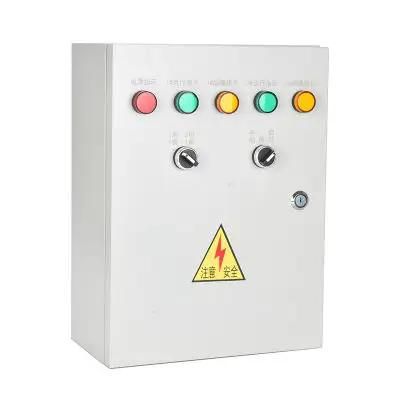
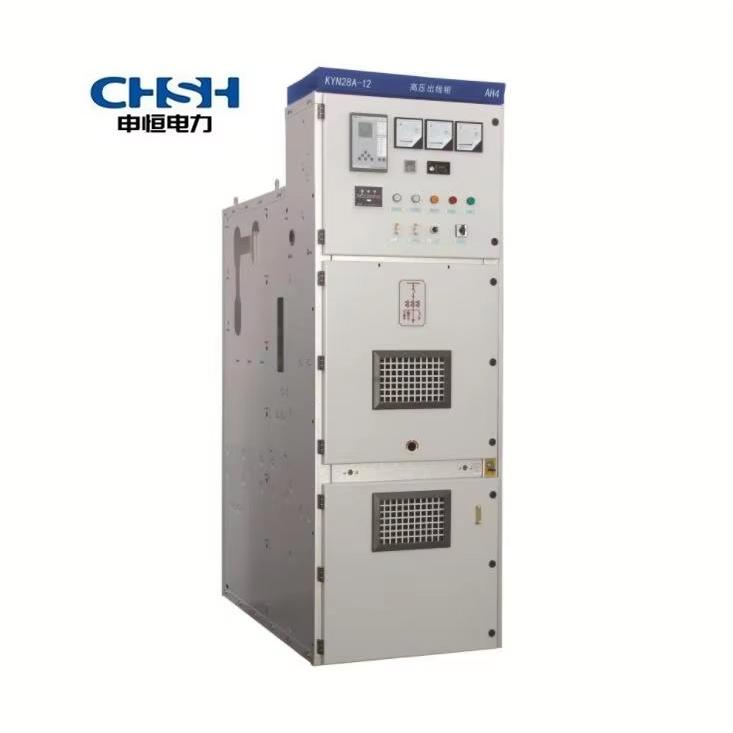
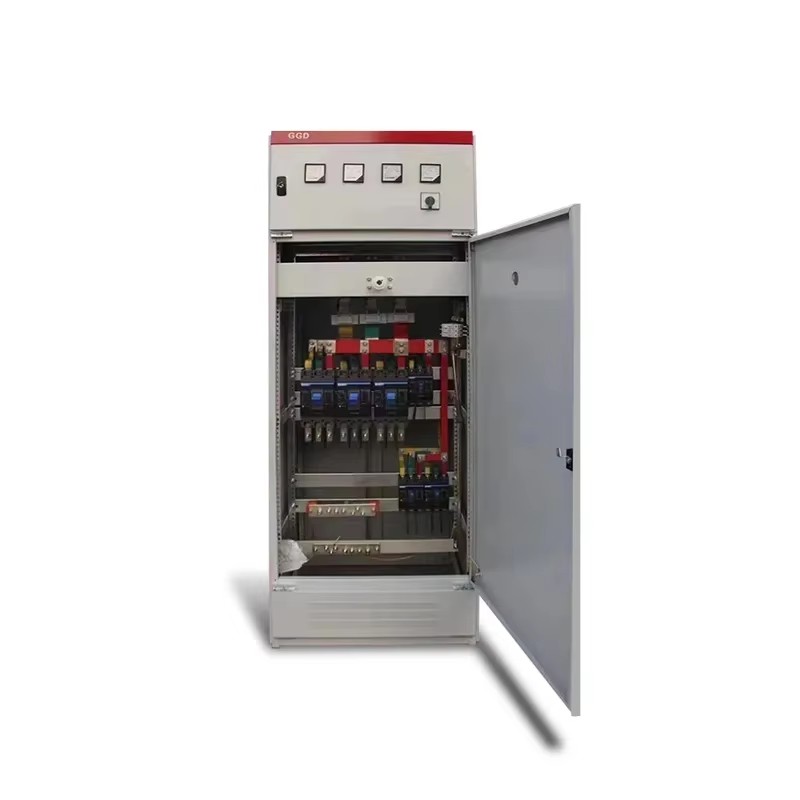
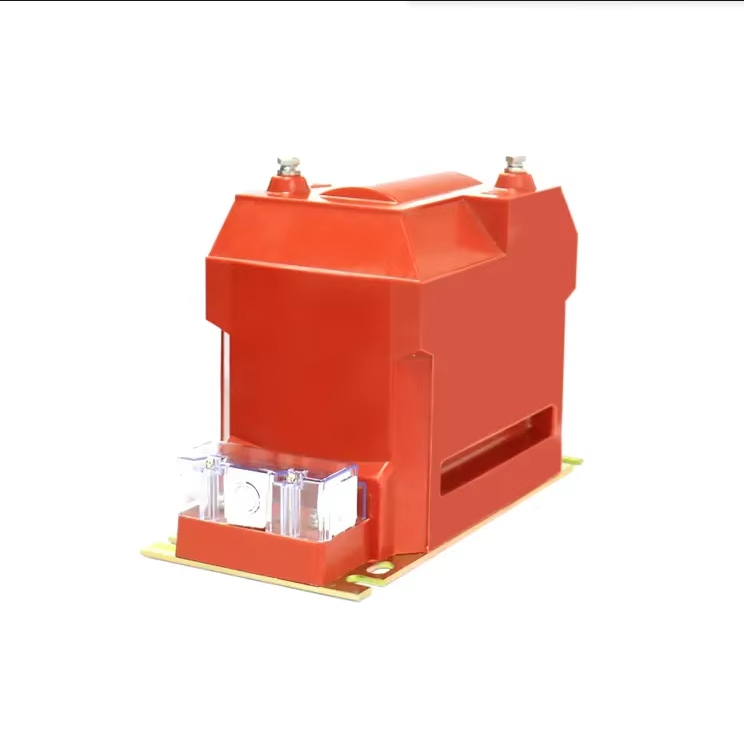
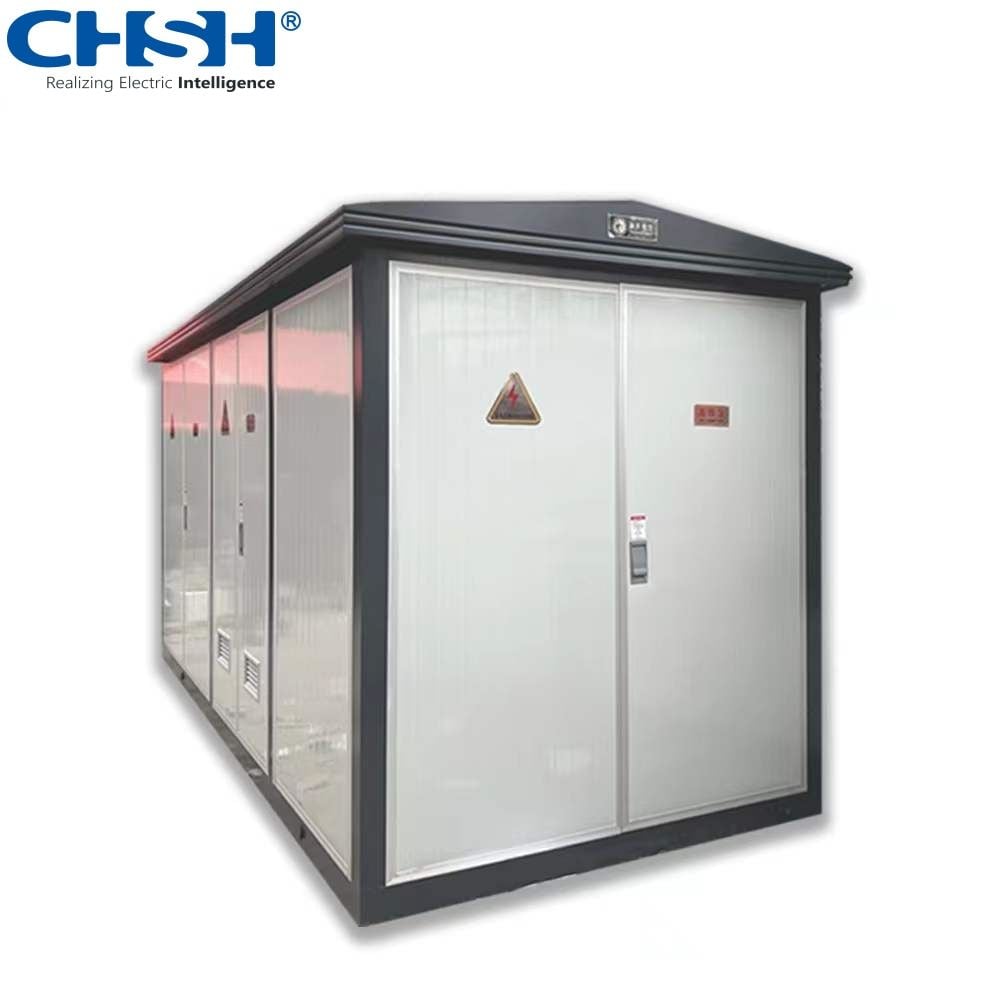
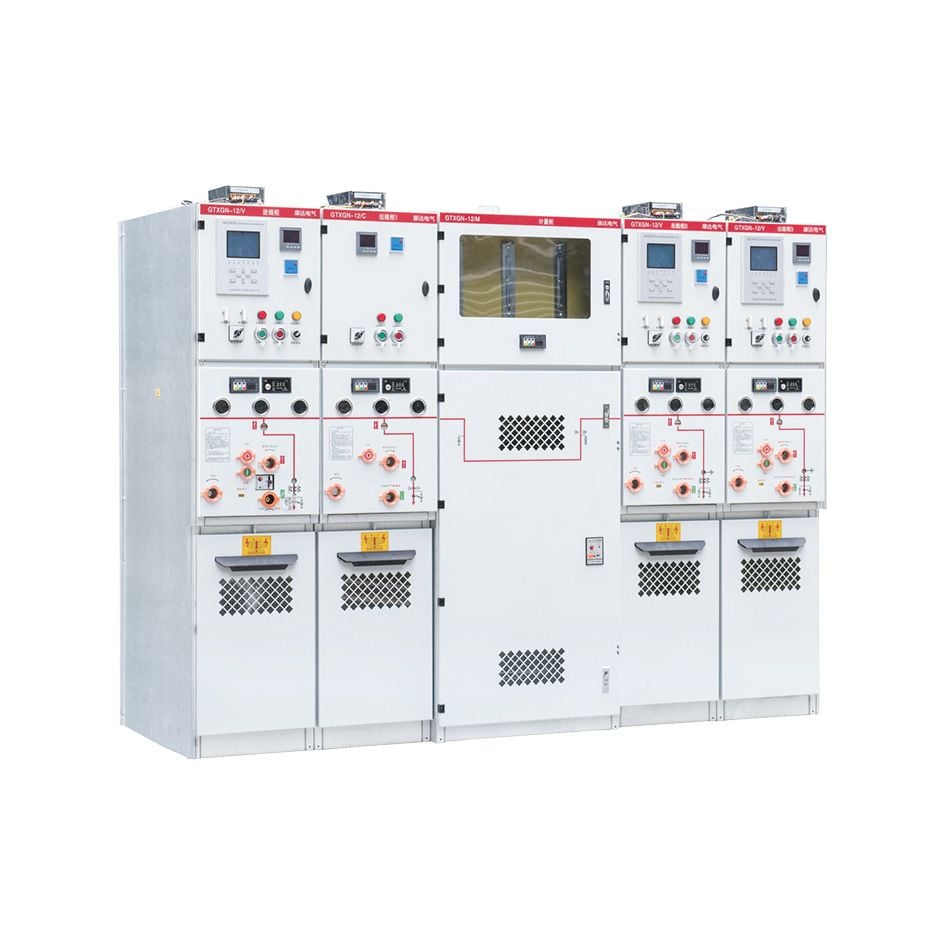
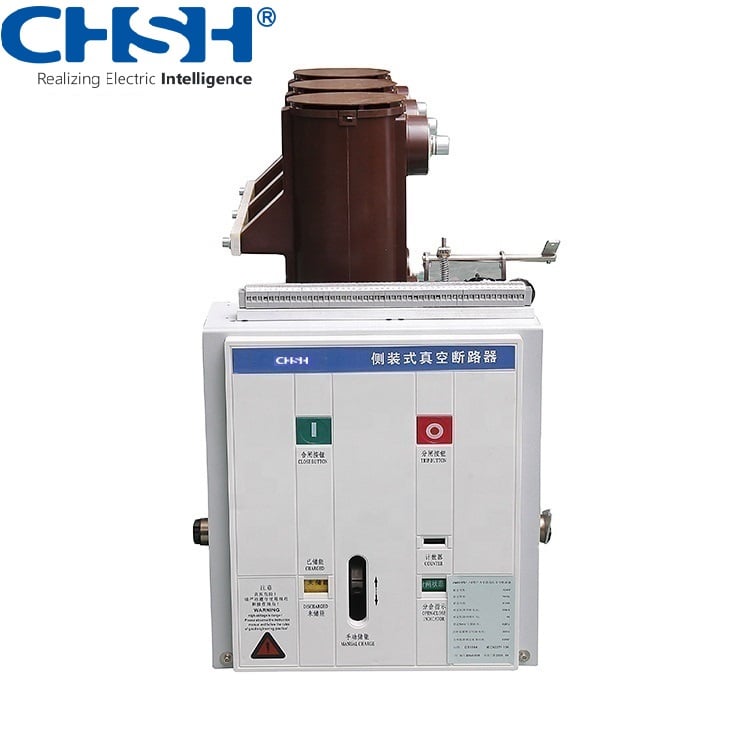
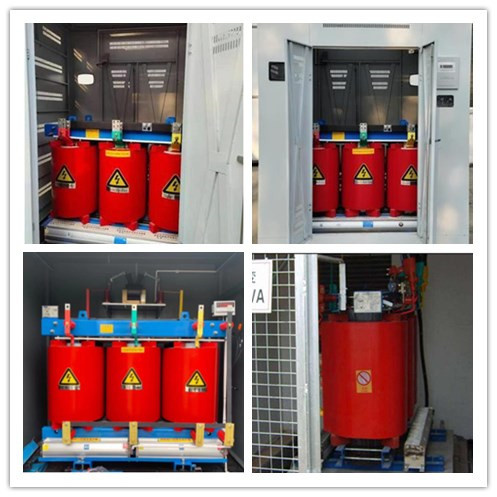
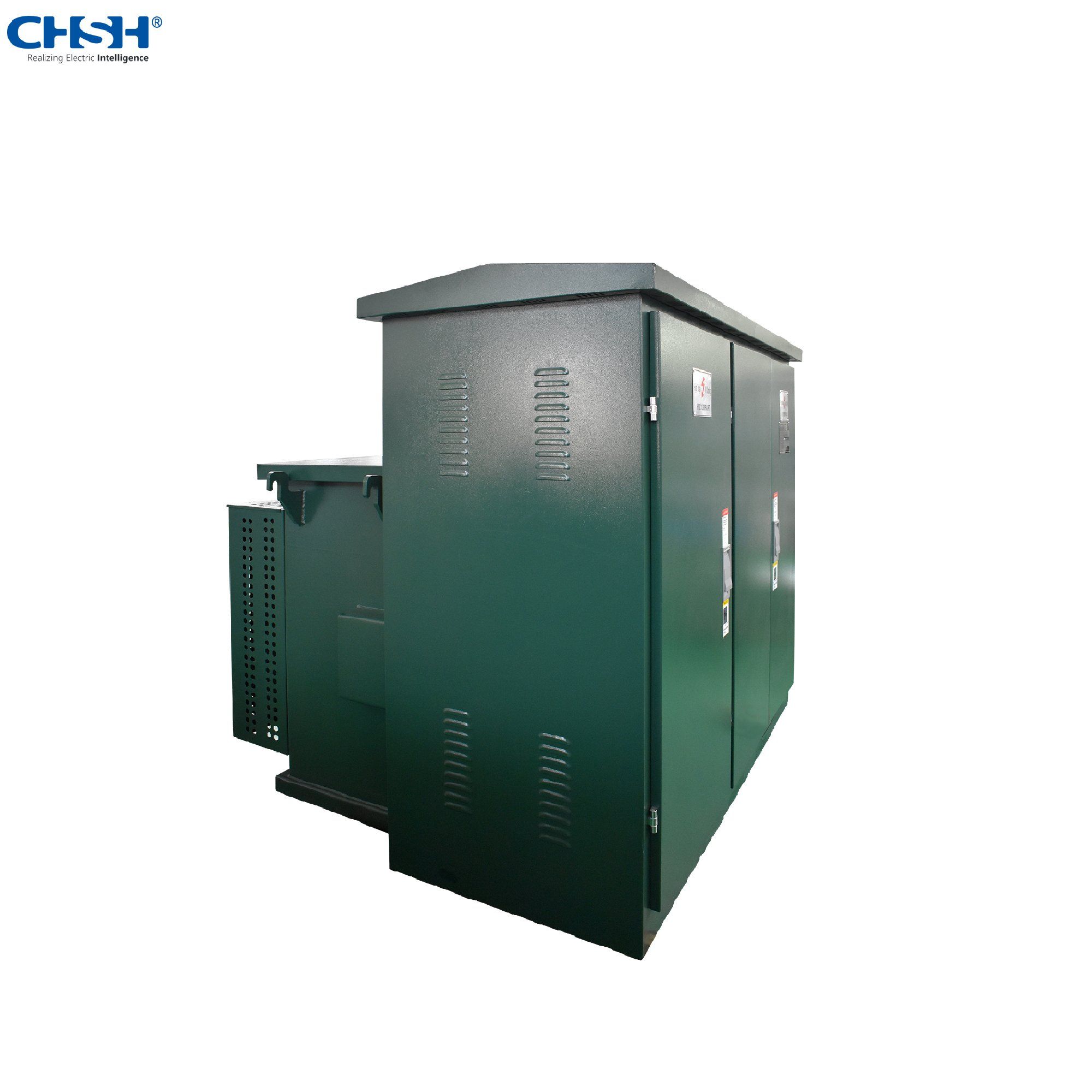
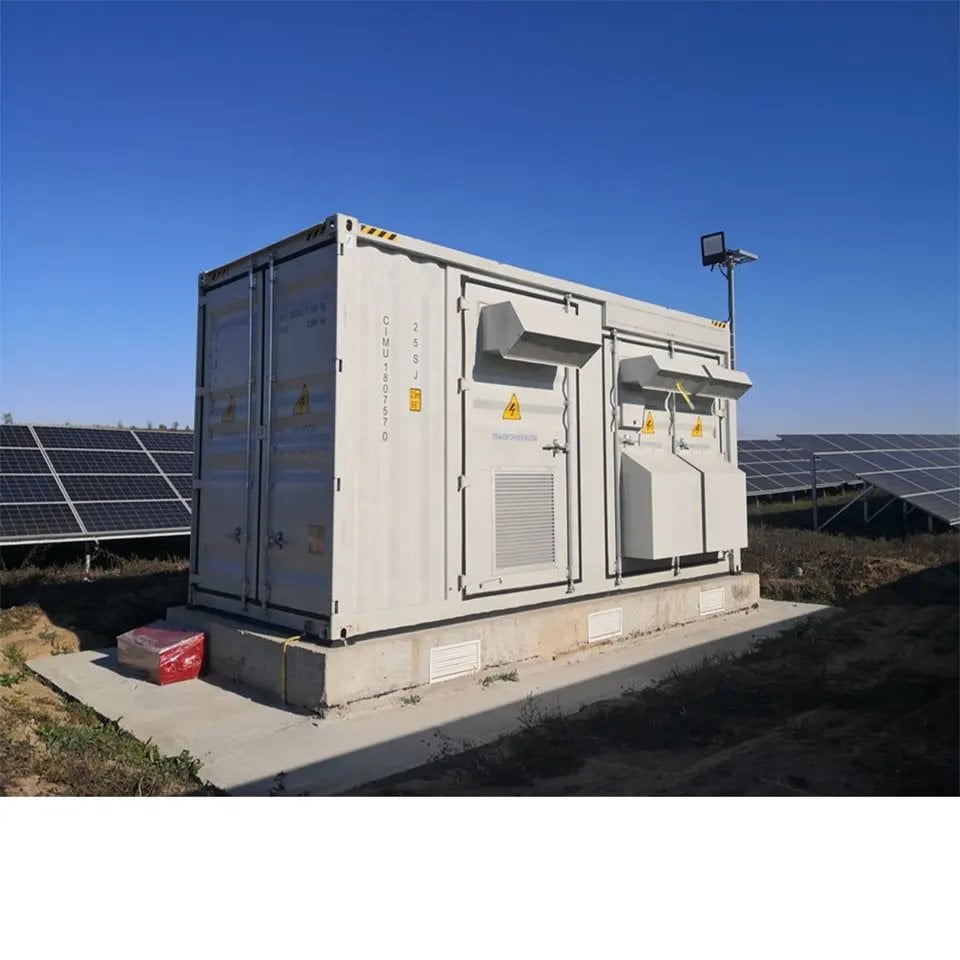
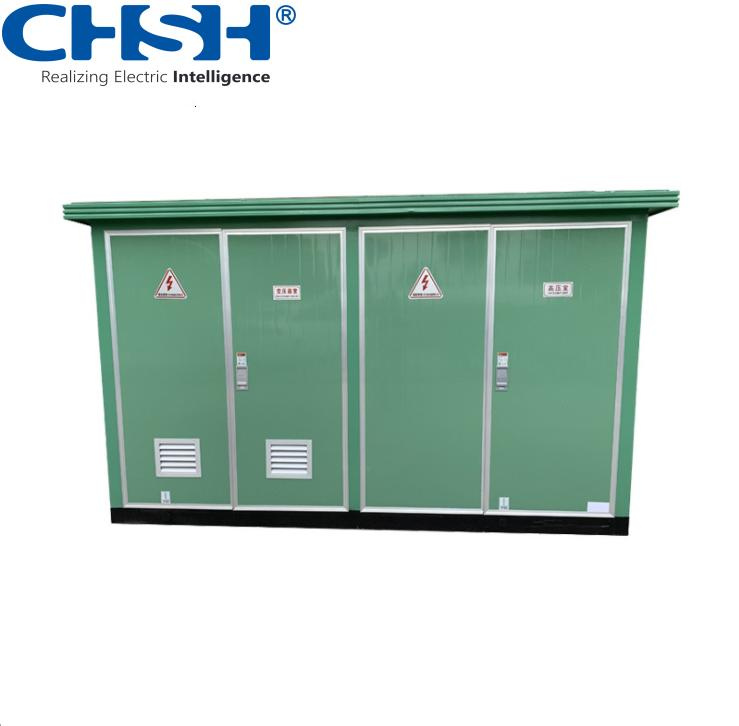
inside a transformer box
The inside of a transformer box represents a sophisticated electrical system designed to convert voltage levels efficiently and safely. This essential component houses various critical elements, including the core, windings, insulation materials, and cooling mechanisms. The core, typically made from laminated silicon steel sheets, creates the magnetic circuit necessary for voltage transformation. Primary and secondary windings, constructed from high-grade copper or aluminum conductors, are carefully arranged around the core to facilitate electromagnetic induction. The entire assembly is immersed in specialized insulating oil or dry-type insulation, which serves both cooling and electrical isolation purposes. Modern transformer boxes also incorporate advanced monitoring systems, including temperature sensors, pressure relief devices, and oil level indicators to ensure optimal performance and safety. The internal structure features carefully designed spacing between components to maintain proper clearance for electrical isolation and heat dissipation. Bushings connect the internal windings to external power lines while maintaining insulation integrity. The design includes strategic placement of cooling fins or radiators for efficient heat management, particularly in oil-filled units. These components work in harmony to enable reliable power distribution across various voltage levels, making them indispensable in electrical infrastructure.

 EN
EN